Post-detox recovery • medical continuity • rehabilitation • family structure • Israel
When urgent medical help comes firstSeizures, fainting, chest pain, severe confusion, suicidal thoughts, psychosis, delirium, overdose signs, severe dehydration or dangerous mixed-substance symptoms require urgent medical care. In Israel, call Magen David Adom at 101.
Detox can reduce acute instability, but it does not rebuild sleep, judgment, routine, family trust or relapse resistance by itself.
The first calm days are often fragile. Old contacts, access, shame, anxiety and family conflict may still be active.
MAAVAR CLINIC combines medical follow-up by Dr. Moshe Golin with structured rehabilitation and recovery mentorship by Ramiz.

Post-detox recovery in Israel: withdrawal safety, overdose risk, medical stabilization and rehabilitation.

Post-detox recovery program in Israel — medical continuity and structure after stabilization

The period after detox is where early improvement either gains structure or returns to the old cycle. The person may look calmer while craving, insomnia, anxiety, depression, access and family pressure remain unresolved.

At MAAVAR CLINIC, the post-detox route connects medical follow-up, psychiatric care when indicated, routine, family boundaries, relapse prevention and practical mentorship after the acute stage.

Ask about post-detox recovery and rehabilitation
Tell us the known or suspected opioid, last use, current breathing and consciousness, withdrawal symptoms, previous overdose, pain, medications, alcohol, benzodiazepines and other substances.
Review urgent warning signs+972 54-757-8876

Why detox is only the first medical stage

Detox can reduce acute withdrawal pressure and create a safer starting point. It does not automatically change the environment, habits, access, family dynamics or psychiatric symptoms that supported the addiction.

The body may calm first

Sleep, appetite and appearance can improve before judgment, coping and relapse resistance recover.

Old triggers remain

Phone contacts, money, debt, loneliness, insomnia, shame and familiar places can quickly reactivate the cycle.

The family may relax too early

One calm week can feel like proof of recovery, even when the person has no practical continuation plan.

Medical continuity matters

Medication, mood, sleep, craving and psychiatric symptoms may still require clinical follow-up after stabilization.

The post-detox recovery program at MAAVAR CLINIC

The route connects clinical responsibility with practical rehabilitation. Each stage is adjusted to the person’s condition and risk.

Stage 1
Review the detox or stabilization already completed, current medication, sleep, craving, mood, cognition and physical condition.
Stage 2
Dr. Moshe Golin and the medical team determine whether further assessment, medication adjustment or psychiatric care is indicated.
Stage 3
Restore predictable sleep, nutrition, hygiene, movement and daily rhythm.
Stage 4
Map triggers, access, money, secrecy, conflict, emotional avoidance and the relapse chain.
Stage 5
Work with Ramiz on motivation, responsibility, practical recovery actions and an adapted 12-step framework.
Stage 6
Prepare family boundaries, warning signs, continuing medical care and the next stage after discharge.
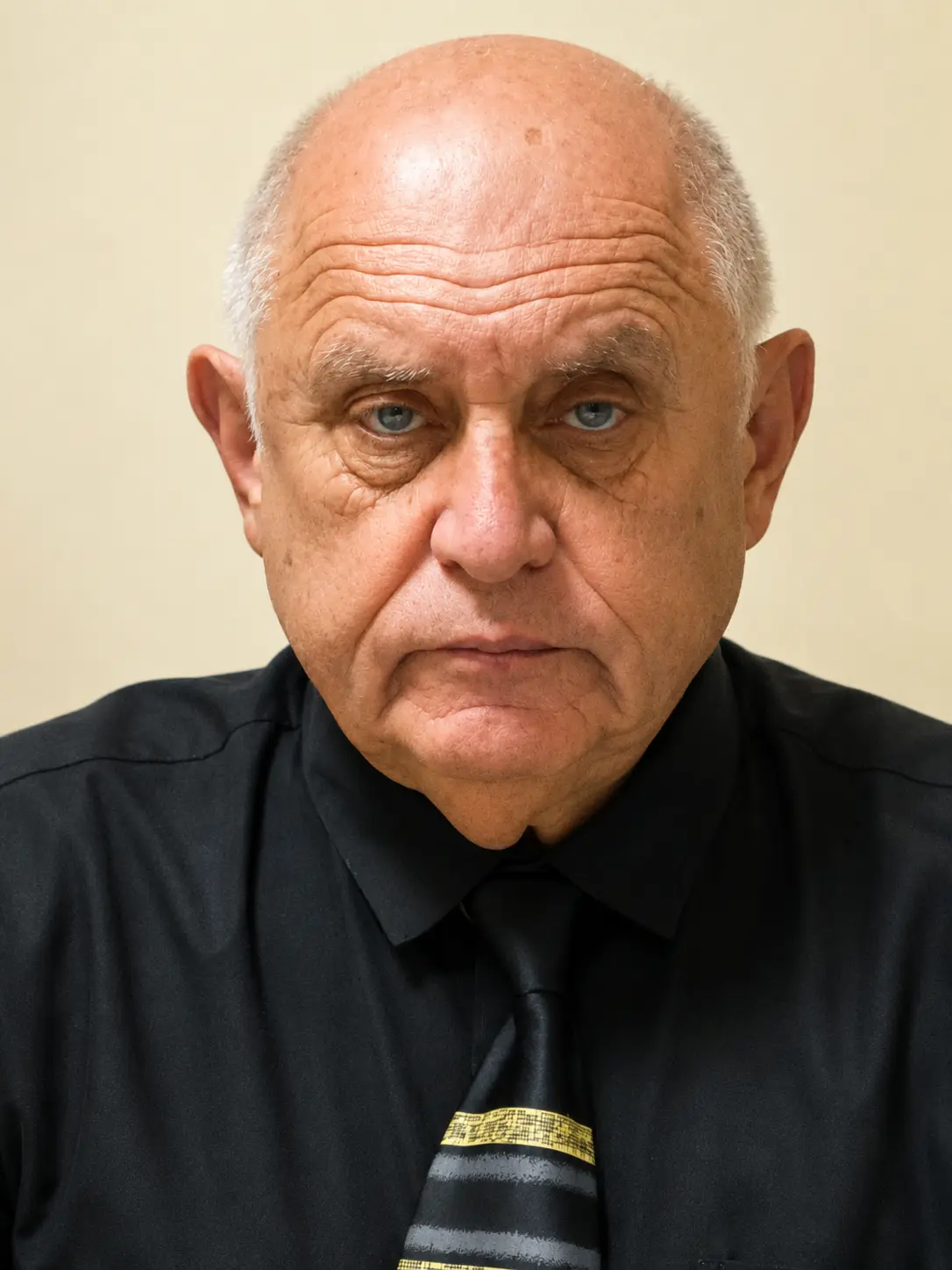
Dr. Moshe Golin — psychiatrist and addiction physician supervising post-detox medical continuity

Dr. Moshe Golin

Psychiatrist, addiction physician, senior doctor with 40 years of experience

After detox, Dr. Golin reviews the stabilization already completed, current medication, sleep, craving, mood, cognition, physical condition, mixed-substance history and any signs that the person remains medically or psychiatrically fragile.

He and the MAAVAR CLINIC medical team are responsible for assessment, diagnosis, medication decisions, psychiatric care, addiction medicine and the clinical continuity required before and during rehabilitation.

Medical reviewDetox history, current symptoms, medication and physical condition.
Psychiatric safetyDepression, anxiety, suicidality, psychosis, confusion and sleep disruption.
Clinical decisionsMedication, monitoring, referral and level-of-care decisions.
ContinuityConnecting stabilization directly to rehabilitation and follow-up.

Licensing and clinical credentials
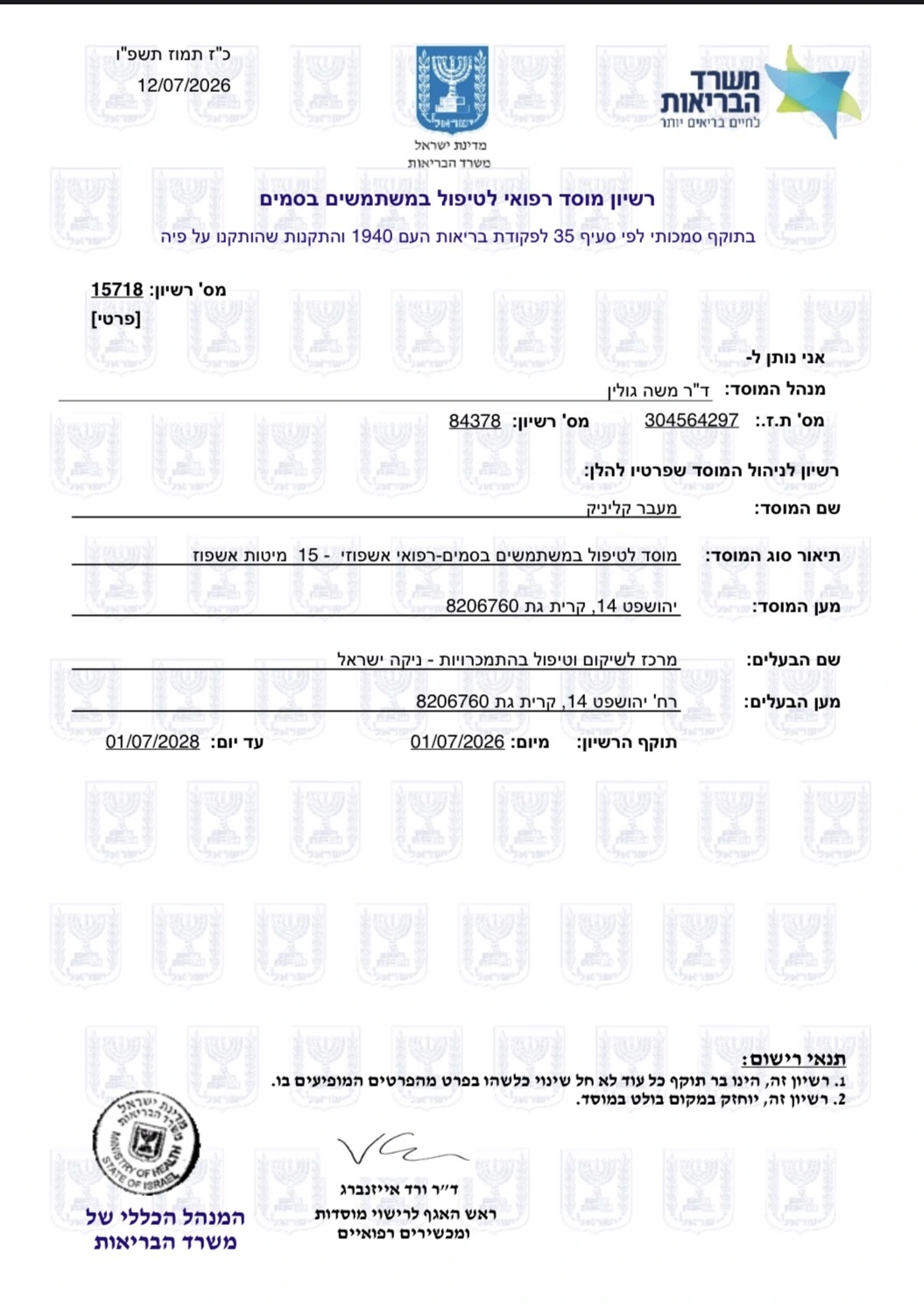
MAAVAR CLINIC Israeli Ministry of Health license for 2026 to 2028Ministry of Health licenseCurrent MAAVAR CLINIC license for 2026–2028.

MAAVAR CLINIC licensed addiction treatment clinicLicensed medical clinicAssessment, diagnosis, stabilization and addiction treatment in Kiryat Gat.

MAAVAR CLINIC clinical continuity after detoxClinical continuityMedical follow-up connected directly to structured rehabilitation.

Medical follow-up after detox

The end of acute withdrawal does not always mean medical stability. Persistent insomnia, depression, anxiety, confusion, medication effects, pain or mixed-substance history may need continued assessment.

Clinical responsibilityMedical assessment, diagnosis, medication decisions, psychiatric care and addiction medicine are performed by Dr. Moshe Golin and the MAAVAR CLINIC medical team according to clinical indications.

The family’s role after detox

The family should not become a clinic or surveillance system. It needs a consistent line that supports treatment without financing or hiding relapse.

  • Use facts. Track sleep, medication, craving, mood, access and warning signs.
  • Keep boundaries simple. A few consistent rules work better than constant arguments.
  • Do not restore the old bubble. Money, excuses and concealment can reopen the relapse route.
  • Escalate red flags. Dangerous symptoms belong to medical professionals, not family persuasion.
MAAVAR CLINIC — transition from detox stabilization to structured recovery

The turning point is when the first improvement is protected before the old environment reopens

After detox, calm can create false confidence. Recovery becomes more durable when medical continuity is followed immediately by sleep, routine, honest reporting, responsibility, family boundaries and a realistic relapse-prevention plan.

What the first weeks must rebuild

Sleep and rhythm

Regular sleep, meals, hygiene and movement reduce chaos and improve emotional regulation.

Responsibility

Recovery becomes concrete through honest reporting, commitments and repair of consequences.

Family communication

One coordinated plan replaces repeated emergency conversations and contradictory messages.

Relapse prevention

Triggers, access, warning signs and response steps are mapped before pressure rises.

What changes when post-detox recovery is structured

The same first improvement can lead to very different outcomes depending on whether the next stage is improvised or coordinated.

Without a protected transition

The person returns quickly to the same phone, contacts, money, stress and family conflict.

With a structured route

Access, schedule, communication and follow-up are planned before discharge or return home.

Without clinical continuity

Insomnia, depression, anxiety or medication problems may be treated as willpower issues.

With clinical continuity

Dr. Golin and the medical team review symptoms and make clinical decisions when indicated.

Without rehabilitation structure

Promises replace daily practice, and the family returns to rescue, control and repeated crisis talks.

With rehabilitation structure

Ramiz supports motivation, responsibility, practical recovery actions and relapse prevention.

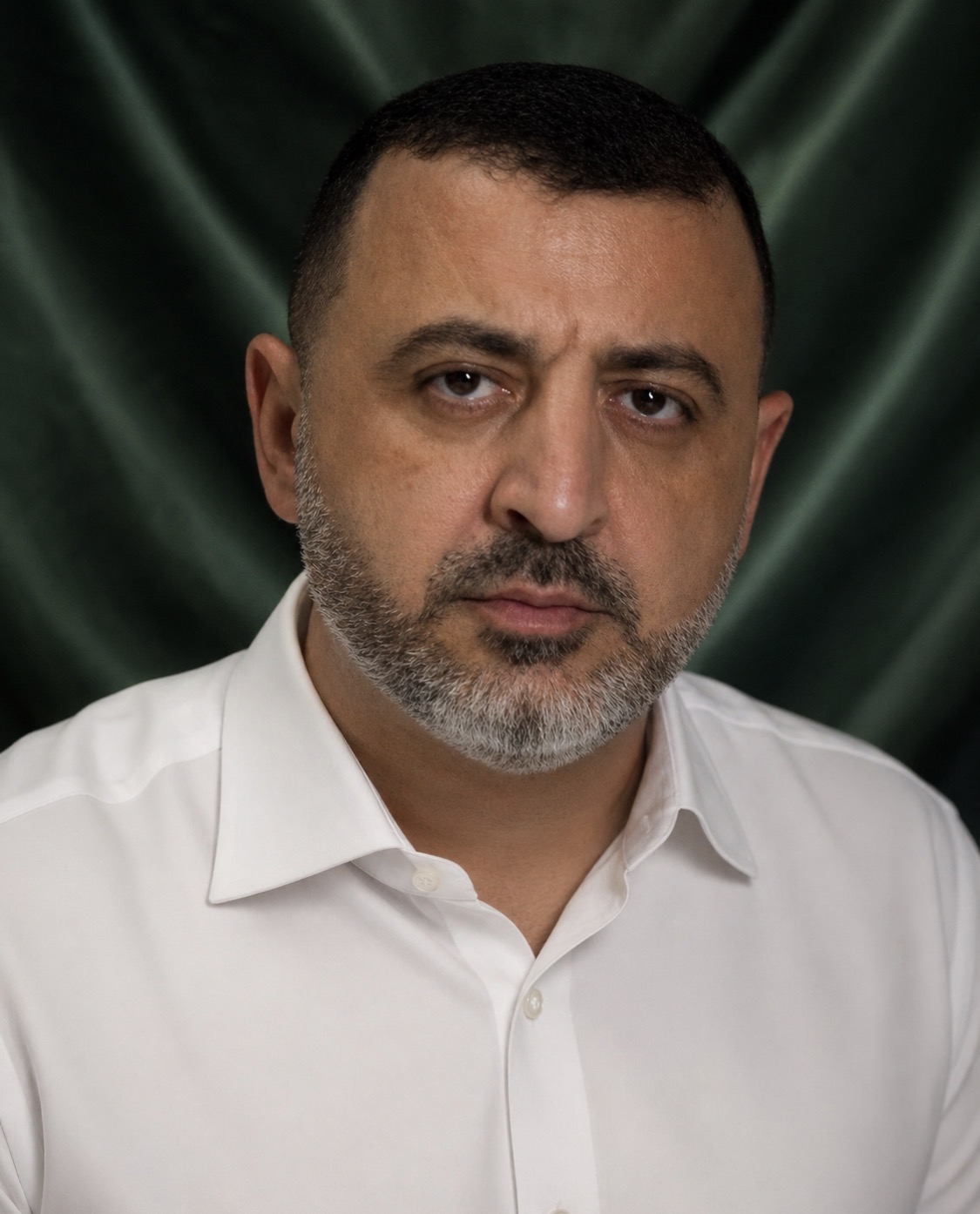
Ramiz — recovery mentor supporting post-detox rehabilitation at MAAVAR CLINIC

Ramiz

Recovery mentor for motivation, responsibility and an adapted 12-step framework

After stabilization, a person may feel better and make sincere promises while still lacking a practical way to face craving, shame, boredom, conflict, loneliness or contact with the old environment. Ramiz helps convert intention into repeated recovery actions.

He is not a physician and does not diagnose, prescribe medication, perform detox or make clinical decisions. His role begins after the acute medical stage and remains within mentorship and practical rehabilitation.

MotivationMove from promises to specific daily actions.
ResponsibilityHonest reporting, commitments and repair of consequences.
Recovery practiceAdapted 12-step work, routine and coping with triggers.
ContinuationPrepare the next environment and relapse-prevention structure.

Common mistakes after detox

Treating detox as the finish line

The acute stage may be over while the behavioral and emotional cycle remains active.

Returning immediately to the same environment

Old contacts, money, places and stress can overpower early motivation.

Ignoring medical follow-up

Medication and psychiatric symptoms should not be managed informally at home.

Relying on promises

Sincere intention needs routine, accountability and a plan for difficult moments.

Anonymous family example

“We thought detox was the hardest part.”“For several days everything looked better. Then sleep broke down, old contacts returned and arguments started again. The turning point was a coordinated plan: Dr. Golin handled the medical questions, while Ramiz helped convert promises into routine and responsibility. Identifying details have been withheld.”

Licensed medical setting

MAAVAR CLINIC provides medical assessment, diagnosis, stabilization, medication management, psychiatric care and addiction treatment within its licensed framework and according to clinical indications.

Israeli Ministry of Health license 2026–2028

The license is displayed for transparency. It does not replace individual assessment and does not guarantee that one level of care is suitable for every patient.

Clinical responsibilityMedical follow-up, medication, psychiatric care and level-of-care decisions after detox are made by Dr. Moshe Golin and the MAAVAR CLINIC medical team after assessment.
MAAVAR CLINIC Israeli Ministry of Health license for 2026 to 2028

Post-detox recovery FAQ

It is the structured medical and rehabilitation route after acute detox or stabilization. It protects the first improvement with clinical follow-up when needed, routine, family boundaries and relapse prevention.

No. Detox addresses the acute stage, but craving, sleep disruption, psychiatric symptoms, access, family patterns and the old environment may remain.

Dr. Moshe Golin and the MAAVAR CLINIC medical team make assessment, medication, psychiatric and level-of-care decisions according to clinical indications.

Ramiz supports motivation, responsibility, practical recovery learning and an adapted 12-step framework after stabilization. He is not a physician and does not make clinical decisions.

Seizure, fainting, chest pain, severe confusion, suicidal thoughts, psychosis, delirium, overdose signs or dangerous withdrawal symptoms require urgent medical care. In Israel, call 101.

Persistent insomnia can intensify craving, anxiety, irritability, impulsivity and psychiatric instability. It should be reported to the medical team rather than treated only as a discipline problem.

The family should share accurate facts, follow one communication plan, keep a few sustainable boundaries and avoid money, excuses or improvised medication that preserve the old cycle.

Yes. Information can be limited to the people needed for safety and coordination. Confidentiality must never delay emergency or clinically necessary care.

There is no universal duration. The route depends on the substance, medical and psychiatric condition, relapse history, family environment, progress and the continuing-care plan.

Write on WhatsApp, call +972 54-757-8876 or email dhvny8@gmail.com. Include the substance, detox completed, current medication, sleep, craving, mood and urgent concerns.

If detox has already happened, protect the next stage

Send a short confidential message with the substance, detox completed, current medication, sleep, craving, mood, family risk and urgent concerns.

Message MAAVAR CLINIC on WhatsApp
Your message is handled discreetly and used to understand the detox completed, current risk and the next appropriate step. Emergencies require Magen David Adom at 101.
Call +972 54-757-8876
Medical review and rehabilitation frameworkThis page describes the post-detox route at MAAVAR CLINIC. Clinical decisions are made by Dr. Moshe Golin and the medical team. Ramiz supports rehabilitation, motivation and practical recovery after stabilization. Information is general and no outcome is guaranteed.
Call

Accessibility

Quick reading settings for this page.

WhatsApp