Clarifies risk
The medical team reviews the substance pattern, dose, duration, mixed use, previous withdrawal, physical condition and mental state.
How detox works and why medical stabilization should lead directly into residential rehabilitation at MAAVAR CLINIC in Kiryat Gat.
Detox is often described as if the substance leaves the body and the addiction leaves with it. That is not how recovery works. Detox addresses the acute period: withdrawal risk, intoxication, physical instability, psychiatric symptoms and the clinical decisions required to reach a safer baseline.
The decisive stage begins after that baseline is reached. At MAAVAR CLINIC, the route is designed so that stabilization can lead into the private residential villa program rather than an unplanned return to the same environment. The program then works on the parts detox cannot change: routine, thinking, responsibility, relationships, craving response, family boundaries and the ability to live without returning to the old cycle.
Detox is an acute clinical stage. Its purpose is to reduce immediate risk, observe the response to stopping or reducing substances and bring the person to a point where the next treatment stage can begin.
The medical team reviews the substance pattern, dose, duration, mixed use, previous withdrawal, physical condition and mental state.
Monitoring, medication and clinical decisions are used when indicated to manage the acute period safely.
As intoxication or withdrawal pressure falls, the person becomes more able to participate in decisions and rehabilitation work.
Physical stabilization can happen faster than psychological, behavioral and family recovery. The person may feel better before the system that supported addiction has changed.
Detox does not teach what to do when shame, boredom, anger, loneliness, pain or craving appears.
It does not remove old contacts, available money, hidden accounts, familiar routes or the phone patterns connected with use.
It does not rebuild sleep, punctuality, work habits, practical responsibility or tolerance for ordinary frustration.
It does not automatically stop rescue, surveillance, arguments, secrecy or inconsistent boundaries at home.
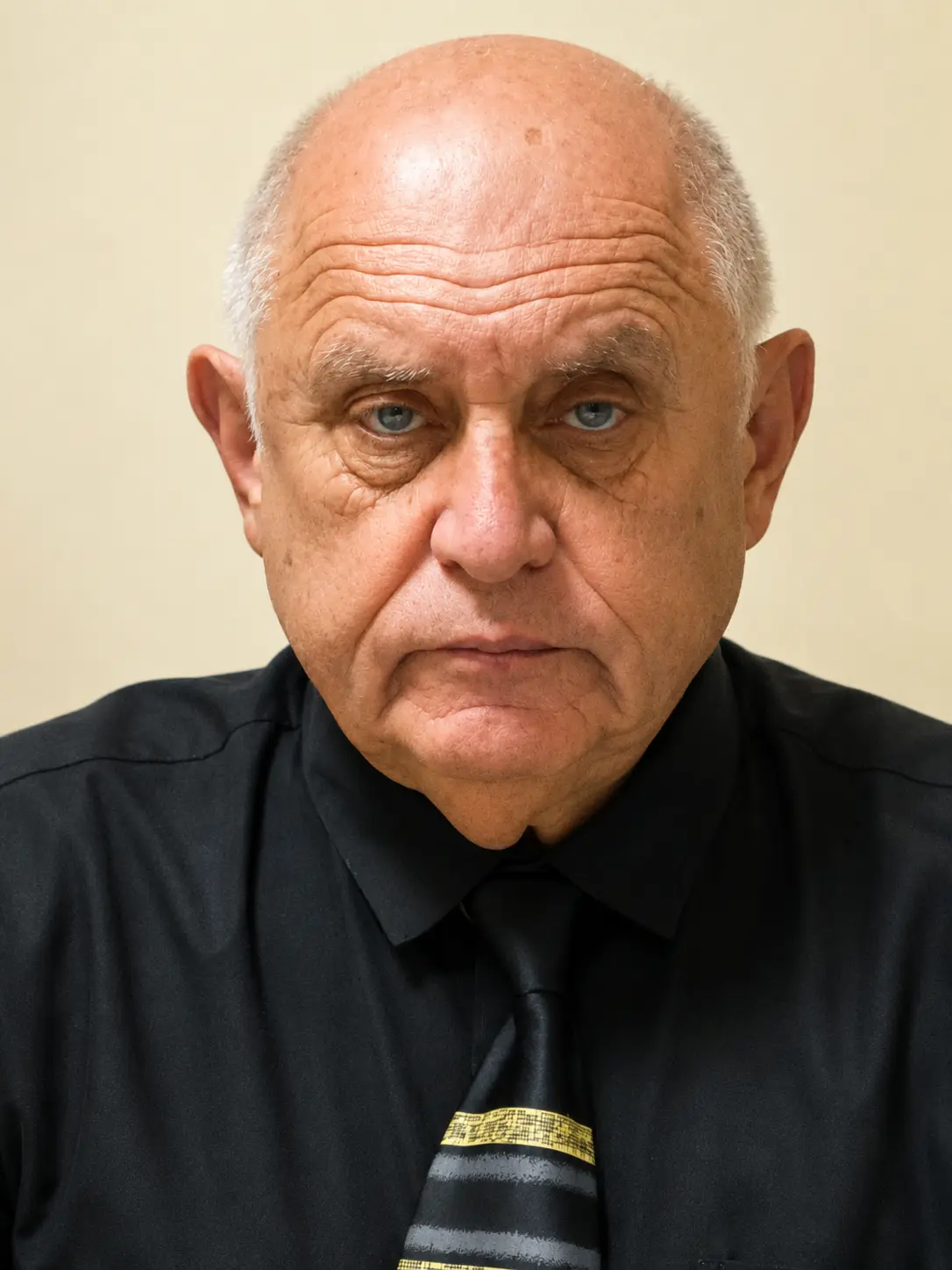
Psychiatrist, addiction physician, senior doctor with 40 years of experience
Dr. Golin evaluates withdrawal risk together with intoxication, physical condition, sleep, anxiety, depression, psychosis, suicidal risk, medication history and mixed-substance use. The same substance can require different clinical decisions in different people.
He and the MAAVAR CLINIC medical team are responsible for diagnosis, detox and stabilization decisions, medication when indicated, psychiatric care and the point at which the person is ready to move from acute treatment into the rehabilitation environment.
The route should be planned before detox ends. A discharge without a structured destination can return the person to the exact conditions that produced the crisis.
The acute symptoms may be quieter, but motivation, sleep, judgment and tolerance for distress can remain fragile. The person may overestimate readiness while the family mistakes physical improvement for completed recovery.
The villa is not a passive place to wait. It is a protected environment where recovery behavior is repeated until it becomes more reliable than crisis-driven promises.
Consistent waking, meals, movement, sessions, tasks, reflection and sleep reduce the unstructured hours in which old behavior usually returns.
The person maps triggers, losses, avoidance, denial, emotional pain and the private logic that kept the addiction active.
Feedback and shared responsibility challenge secrecy, exceptionalism and the belief that rules apply only to other people.
Daily responsibilities rebuild reliability, frustration tolerance, cooperation and respect for ordinary commitments.
Honesty, accountability, support, inventory and repair are translated into concrete actions rather than slogans.
The person practices what to do with craving, conflict, money, invitations, insomnia, shame and the wish to leave treatment early.
The family needs its own transition plan. Without it, relatives may continue responding to every request as if the person were still in acute withdrawal.
Agree who speaks with the clinic, what information is shared and how urgent issues are separated from emotional pressure.
Do not restore unrestricted access simply because detox ended. Access should return gradually and according to the rehabilitation plan.
Contact should support treatment rather than reopen arguments, guilt, bargaining or plans to leave prematurely.
Before discharge, define routines, follow-up, boundaries, responsibilities and the response to early warning signs.

Detox can stop the immediate fall. Rehabilitation teaches the person how to stand, choose, work, communicate and respond when the old cycle becomes available again. The route holds when the clinical stage and the villa program are connected rather than treated as separate purchases.
The person becomes physically more stable and returns to the previous environment.
Stabilization is followed by a protected residential setting before old access resumes.
The family sees quieter symptoms and assumes the underlying pattern has changed.
Progress is measured through routine, honesty, responsibility and repeated recovery actions.
Everyone relies on promises made immediately after the crisis.
The person and family practice what to do before craving, conflict or access becomes urgent.
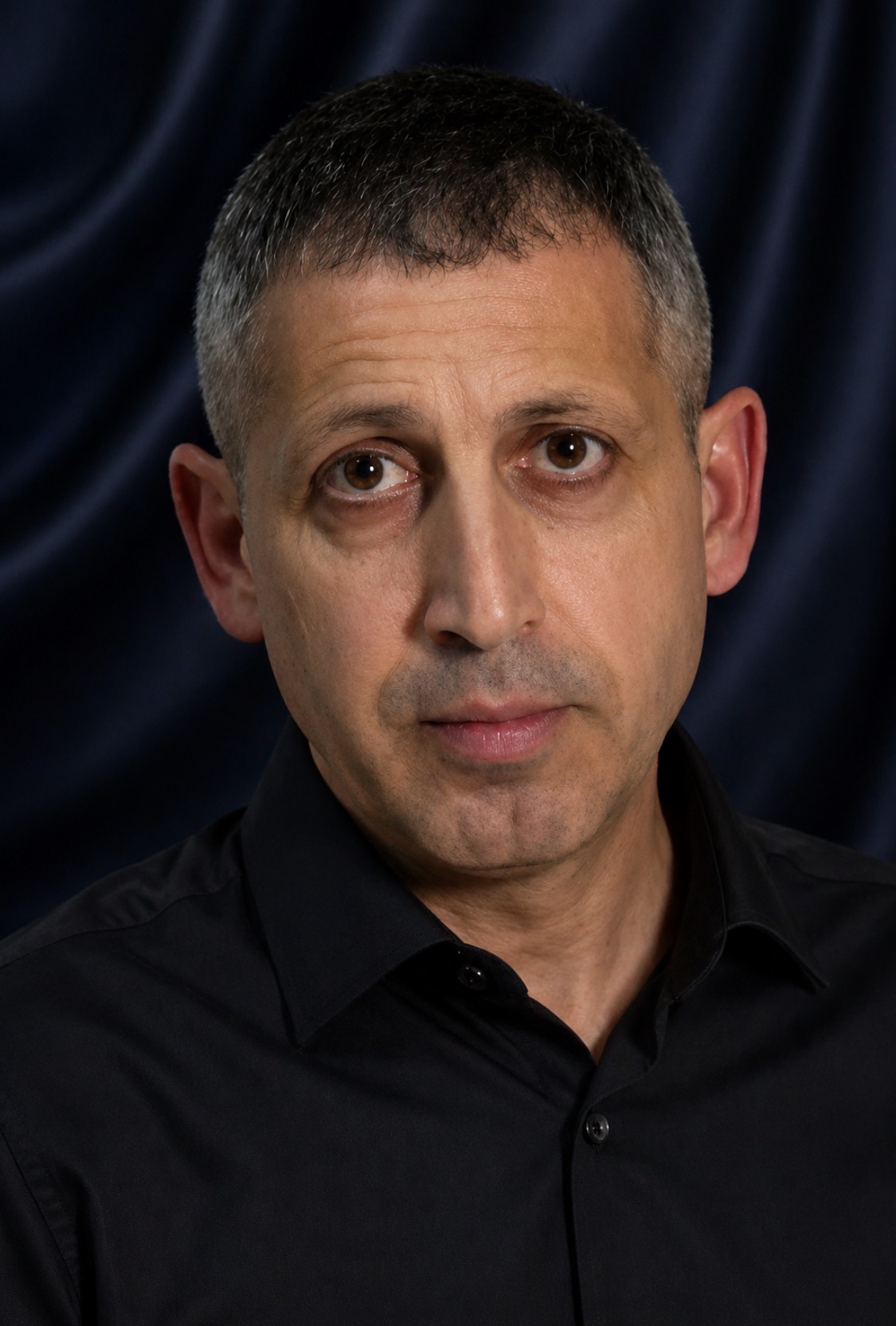
Residential rehabilitation specialist for routine, sleep, discipline and responsibility
After detox, ordinary structure can feel surprisingly difficult. Waking on time, completing a task, accepting feedback and tolerating an uncomfortable evening are practical tests of recovery, not minor household details.
Mikhail helps residents build a workable rhythm and transfer it beyond the villa. He is not a physician and does not diagnose, prescribe medication, perform detox or make clinical decisions.
This page provides general information and does not replace individual medical or psychiatric assessment.
Detox is the initial stabilization stage used when alcohol, drugs, benzodiazepines or mixed substances are reduced or stopped. Its purpose is to lower acute physical and psychiatric risk and bring the person to a condition from which rehabilitation can begin.
Dr. Moshe Golin and the MAAVAR CLINIC medical team assess the substance pattern, withdrawal history, physical condition, mental state and immediate risks. Monitoring, medication, detox and stabilization decisions are made according to clinical indications and the Israeli Ministry of Health license.
No. Detox addresses the acute stage but does not by itself change addictive thinking, daily behavior, relationships, access to substances, family rescue patterns or relapse triggers. It is stage zero of rehabilitation, not completed recovery.
After stabilization, the person may still return to the same phone, contacts, money, stress, isolation and habits that supported use. Without a protected continuation plan, improved physical condition can occur before recovery skills have been built.
Overdose, seizures, severe confusion, hallucinations, psychosis, collapse, chest pain, suicidal behavior, violent danger or inability to remain safe require urgent medical help. In Israel, call Magen David Adom at 101.
Yes. MAAVAR CLINIC is a licensed medical addiction-treatment structure in Kiryat Gat. Medical assessment, diagnosis, detox, stabilization, medication and clinical decisions are performed by Dr. Moshe Golin and the medical team according to indications.
When clinically appropriate, the person should move into the residential rehabilitation program without an unplanned return to the previous environment. The villa program begins work on routine, responsibility, triggers, relationships, motivation and relapse prevention.
A residential setting creates distance from access, old contacts and crisis-driven family negotiations. It provides a structured day, individual and group work, practical responsibilities, adapted 12-step principles and repeated practice of recovery behavior.
The exact plan is individualized, but the day can include scheduled waking and sleep, meals, movement, individual work, groups, practical duties, reflection, family work and planning for high-risk situations.
Mikhail supports sleep routine, daily structure, practical discipline, responsibility and the transfer of skills from the villa into ordinary life. He is not a physician and does not diagnose, prescribe medication, perform detox or make clinical decisions.
The family needs consistent communication, financial and household boundaries, a plan for calls and visits, and preparation for the person’s eventual return. The goal is support without returning to panic, surveillance or rescue behavior.
Write on WhatsApp, call +972 54 757 8876 or email dhvny8@gmail.com. Briefly describe the substance, current symptoms, previous withdrawal, urgent risks and whether a rehabilitation plan is already prepared.
Write briefly what was used, current symptoms, previous withdrawal, urgent risks and what is expected to happen immediately after stabilization.
MAAVAR CLINIC can connect licensed medical assessment and detox when indicated with the residential villa program, family boundaries, daily structure and relapse-prevention planning.
Quick reading settings for this page.