Persistent alarm
The body remains prepared for danger through tension, racing thoughts, scanning and difficulty settling.
Anxiety disorder and addiction in Israel: chronic alarm, insomnia, avoidance, dual-diagnosis assessment and structured rehabilitation.
A person may not be seeking intoxication as much as immediate relief from racing thoughts, panic, body tension, social fear or another sleepless night. Over time, the relief strategy becomes part of the problem: the nervous system remains unstable, the person avoids more of life, and the family reacts to repeated crises without seeing the full mechanism.
At MAAVAR CLINIC in Kiryat Gat, the route begins by clarifying anxiety severity, sleep, panic, trauma, depression, medications, substance use, withdrawal risk and immediate safety. Rehabilitation then works on emotional regulation, gradual engagement with life, routine, family boundaries, responsibility and relapse prevention.
The anxiety is not merely background stress, and the addictive behavior is not merely a bad habit. Each can intensify the other until the person organizes life around avoiding alarm and finding immediate relief.
The body remains prepared for danger through tension, racing thoughts, scanning and difficulty settling.
A substance or compulsive behavior becomes linked to quiet, confidence, sleep or temporary escape.
Short relief is followed by poorer sleep, shame, withdrawal, avoidance and stronger anxiety.
No single sign proves a dual diagnosis. The concern is a repeating combination of alarm, avoidance and reliance on rapid state change.
The person fears the evening, uses something to switch off or cannot sleep without reassurance.
Work, driving, crowds, conversations or ordinary tasks are increasingly avoided.
Use is linked to predictable moments: before sleep, after panic, before social contact or after conflict.
The person monitors symptoms constantly and then collapses into the quickest available relief.
Both the anxiety and the substance pattern are hidden, leaving the family to interpret fragments.
The person believes they cannot rest, perform, socialize or face discomfort without it.
The cycle often begins with internal pressure rather than pleasure-seeking.
Timing, physical symptoms, the original diagnosis and the pattern before treatment all matter.
Symptoms begin soon after a missed dose or reduction and include dizziness, sensory changes, nausea, imbalance or vivid dreams.
The original depression, anxiety, panic or obsessive symptoms return and persist in a familiar pattern.
Anxiety can be severe, but some signs move the situation beyond routine distress.
Plans, intent, self-harm, hopelessness or inability to remain safe require immediate response.
Hallucinations, delusions, disorientation or loss of contact with reality are urgent.
Seizures, collapse, breathing difficulty, severe agitation or unknown mixed substances require medical care.
Threats, violence, disappearance or access to dangerous means should not be managed through argument at home.
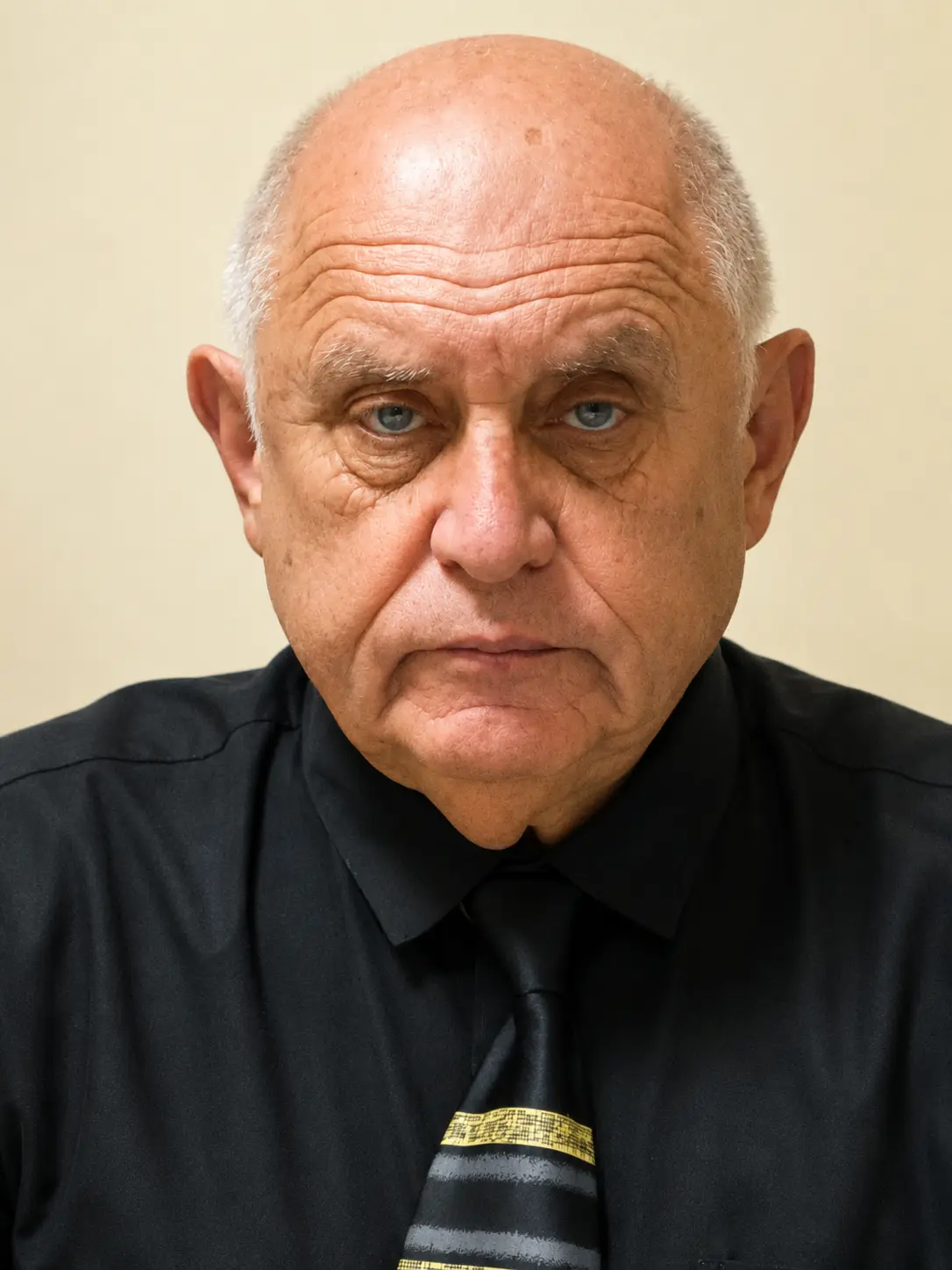
Psychiatrist, addiction physician, senior doctor with 40 years of experience
Dr. Golin evaluates anxiety symptoms, panic, sleep, depression, trauma history, substance use, medication exposure, withdrawal risk, cognition, suicidality and the possibility of a dual diagnosis.
He and the MAAVAR CLINIC medical team are responsible for diagnosis, psychiatric and addiction assessment, medication decisions, stabilization and the clinical transition into rehabilitation.
The route should be based on the whole system, not on whichever symptom was loudest that day.
Triggers, panic, avoidance, physical symptoms, sleep, duration and functional impact.
Substance or behavior, frequency, amount, loss of control, consequences and prior withdrawal.
Depression, trauma, obsessive symptoms, attention problems, psychosis or medical illness.
Family dynamics, access, routine, work pressure, motivation and ability to remain safe.
Clinical stabilization creates enough safety to begin changing the system that keeps anxiety and relief-seeking connected.
Understanding anxiety does not mean excusing substance use. It means responding to risk accurately instead of alternating between rescue, blame and panic.
Describe sleep, panic, use, disappearances, money, threats and functioning without diagnosing during conflict.
Do not provide money, medication or cover stories that protect the addictive cycle.
Constant checking may temporarily calm anxiety while making dependence on reassurance stronger.
The family should know what belongs to the clinic, what requires 101 and what boundaries remain firm.

Recovery becomes stronger when the person can recognize alarm, ask for help, stay inside a structured day and choose a planned response before reaching for the old shortcut.
“Remove the substance and the anxiety will disappear.”
Understand both the anxiety system and the addictive function.
Every strong feeling must be stopped now.
Notice alarm early and use practiced actions before the crisis peaks.
Relatives absorb consequences and provide endless reassurance.
The family supports treatment without feeding avoidance or use.

Family and crisis support for boundaries, communication and dual-diagnosis recovery
Karin helps families understand how panic, reassurance, avoidance, secrecy and addictive relief can become one repeating household pattern.
She is not a physician and does not diagnose, prescribe medication or make clinical decisions. Her role is family communication, crisis boundaries and support inside the rehabilitation route.
This page provides general information and does not replace individual psychiatric assessment, addiction treatment or emergency care.
Chronic alarm, panic, insomnia and avoidance can make rapid relief unusually powerful. A substance or compulsive behavior may become the person’s main way to change the nervous-system state.
No. Anxiety does not automatically cause addiction. Risk rises when relief-seeking becomes repetitive, functioning narrows and the person increasingly depends on a substance or behavior to sleep, socialize or tolerate distress.
If panic, insomnia, avoidance and catastrophic thinking remain untreated, the person may return to the same relief strategy. Rehabilitation needs to address both layers.
Call 101 for suicidal behavior, psychosis, severe confusion, seizures, collapse, breathing difficulty, dangerous aggression or inability to remain safe.
Yes. MAAVAR CLINIC is a licensed medical clinic in Kiryat Gat. Dr. Moshe Golin and the medical team perform assessment, diagnosis, stabilization, medication and clinical decisions according to indications.
The team reviews anxiety symptoms, sleep, panic, avoidance, depression, trauma, medications, substances, withdrawal risk, prior treatment, safety and family functioning.
The program develops routine, emotional regulation, gradual engagement with avoided situations, responsibility, family boundaries and relapse-prevention behavior.
Karin supports family communication, crisis boundaries and the rehabilitation process. She is not a physician and does not diagnose, prescribe medication or make clinical decisions.
Yes. The family can report facts, keep predictable boundaries, avoid financing use, reduce endless reassurance and follow one agreed safety plan.
Write on WhatsApp, call +972 54 757 8876, or email dhvny8@gmail.com. Immediate danger takes priority over privacy; in an emergency call 101.
Write briefly: what is used, when anxiety is strongest, how the person sleeps, what they avoid, whether there are panic attacks, medication misuse, suicidal thoughts, aggression or previous treatment.
At MAAVAR CLINIC, psychiatric and addiction assessment are connected directly to structured rehabilitation, family boundaries and relapse prevention.
Quick reading settings for this page.