A body still on alert
The nervous system may keep scanning for danger even when the outside situation appears calm.
PTSD and addiction in Israel: private treatment misuse, respiratory risk, withdrawal, medical assessment, stabilization and rehabilitation.
Addiction is not always a search for pleasure. For some people living with post-traumatic stress, it becomes an attempt to turn off flashbacks, body alarm, nightmares, shame or emotional numbness. Temporary relief can then reinforce a cycle that makes both the trauma symptoms and the substance use more severe.
At MAAVAR CLINIC in Kiryat Gat, assessment covers trauma symptoms, sleep, dissociation, mood, suicidal risk, substance pattern, withdrawal danger, medications and family safety. Medical stabilization is connected to trauma-informed rehabilitation rather than treated as a separate event.
The deeper issue is not simply that a person has trauma and also uses substances. Trauma can shape sleep, threat perception, avoidance, shame, anger and emotional numbness; an addictive pattern may then become the fastest available regulator.
The nervous system may keep scanning for danger even when the outside situation appears calm.
A substance can quickly reduce fear, memories, tension or sleeplessness and therefore become strongly reinforced.
Temporary relief is followed by shame, instability, withdrawal or dependence, creating more reasons to use again.
The key clinical question is what happens before use, not only what happens afterward.
Substance use that repeatedly follows triggers, nights, panic, numbness or dissociation should not be treated as an isolated behavior.
Use intensifies after conflict, memories, sounds, places, messages or anniversaries.
The person dreads sleep, wakes in panic or uses to avoid nightmares.
There may be emotional absence, lost time, detachment or a need to feel nothing.
Relapse follows the same unresolved trauma pattern rather than random opportunity.
Immediate safety takes priority over privacy and long-term planning.
Plans, attempts, dangerous impulsivity or inability to remain safe require urgent intervention.
These can reflect withdrawal, intoxication, delirium or another acute psychiatric state.
Call emergency services immediately.
When the person or others cannot remain safe, emergency assessment is required.
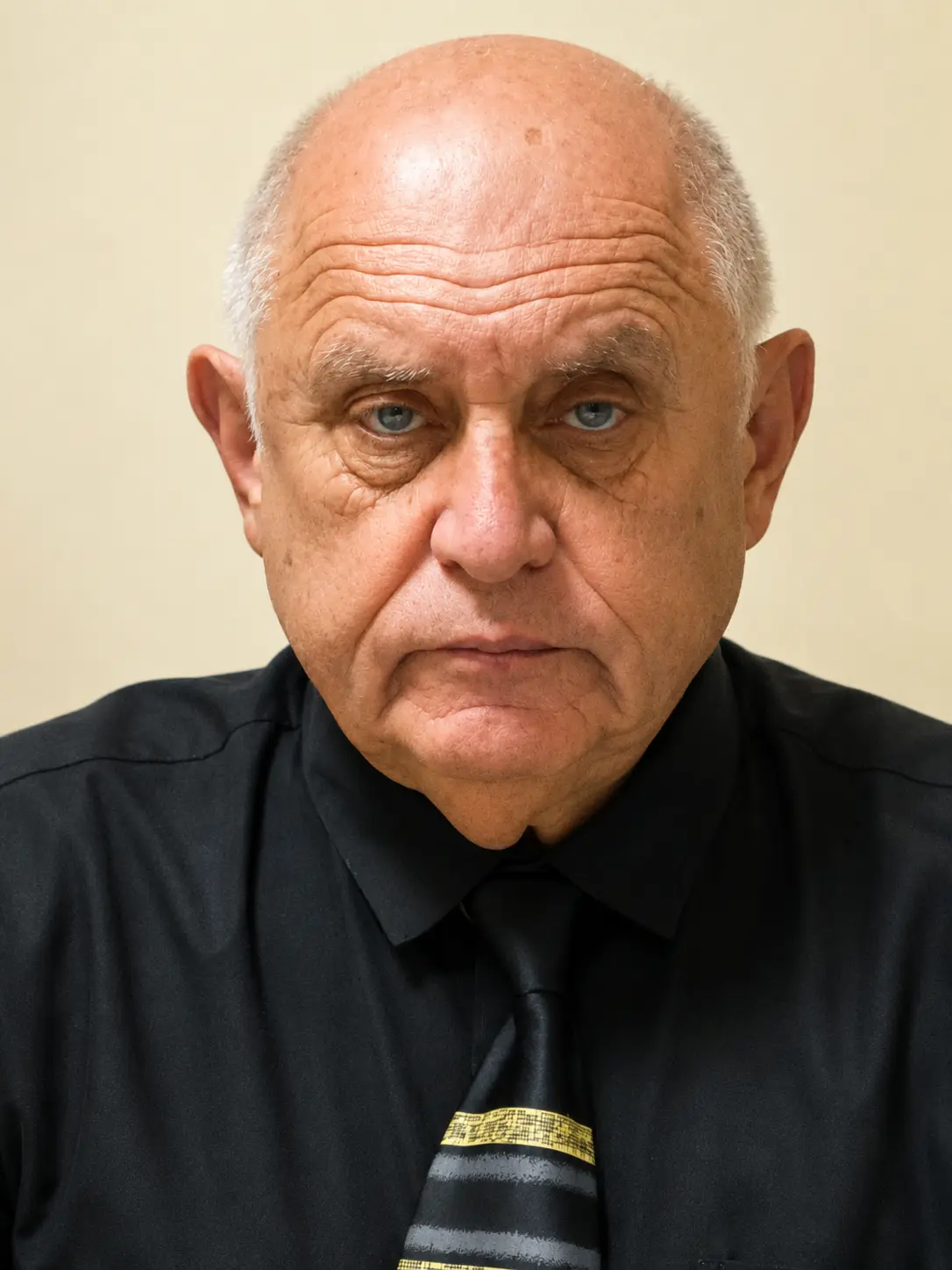
Psychiatrist, addiction physician, senior doctor with 40 years of experience
Dr. Golin assesses trauma symptoms, dissociation, depression, anxiety, sleep, suicidal risk, substance use, withdrawal danger, medications and physical illness.
He and the MAAVAR CLINIC medical team are responsible for diagnosis, stabilization, psychiatric care, addiction medicine and decisions about when trauma-focused work is clinically appropriate.
A one-dimensional route can leave the main driver active. Integrated care sequences safety, stabilization, addiction treatment and trauma-informed rehabilitation.
Detailed trauma work should not be forced during intoxication, severe withdrawal, psychosis or acute suicidal risk.
Removing the substance without building sleep, grounding and emotional regulation can leave the person exposed to the same internal emergency.
Safety and stabilization come first; trauma-focused treatment proceeds when the person can tolerate and use it.
Daily structure, responsibility and family boundaries reduce the conditions that keep both loops active.
Alcohol, benzodiazepines, opioids and mixed sedatives can create withdrawal, overdose and psychiatric risks that require medical assessment.
Seizures, delirium, severe agitation or autonomic instability cannot be managed through willpower.
The team needs an honest account of alcohol, pills, opioids, pregabalin, cannabis and unknown substances.
Restoring sleep and mental clarity creates a safer base for psychological work.
Depression, psychosis, dissociation and suicidal risk must be assessed and treated according to clinical need.
The aim is not only less use. It is a safer nervous system, more predictable behavior and a continuation plan that can survive real-life triggers.
Understanding the trauma layer does not remove boundaries. It makes boundaries more accurate and less reactive.
Triggers, sleep, substances, medications, aggression, self-harm and previous crises matter.
Humiliation can intensify avoidance and relapse without creating responsibility.
Families should not improvise detox, medication changes or trauma exposure.
Support safety and treatment while refusing violence, intoxicated driving, financial enabling or secrecy.

Recovery becomes more stable when the person can notice a trigger, ask for help, use grounding, follow routine and tolerate distress without reopening the addictive cycle.
Focus on stopping use while the trauma system remains active.
Treat withdrawal risk, psychiatric symptoms, trauma triggers and addiction together.
Every trigger leads toward alcohol, pills, drugs or shutdown.
The person learns grounding, support-seeking, sleep structure and tolerating distress.
Relatives react only after each crisis.
The family uses clear boundaries, emergency rules and one coordinated treatment plan.
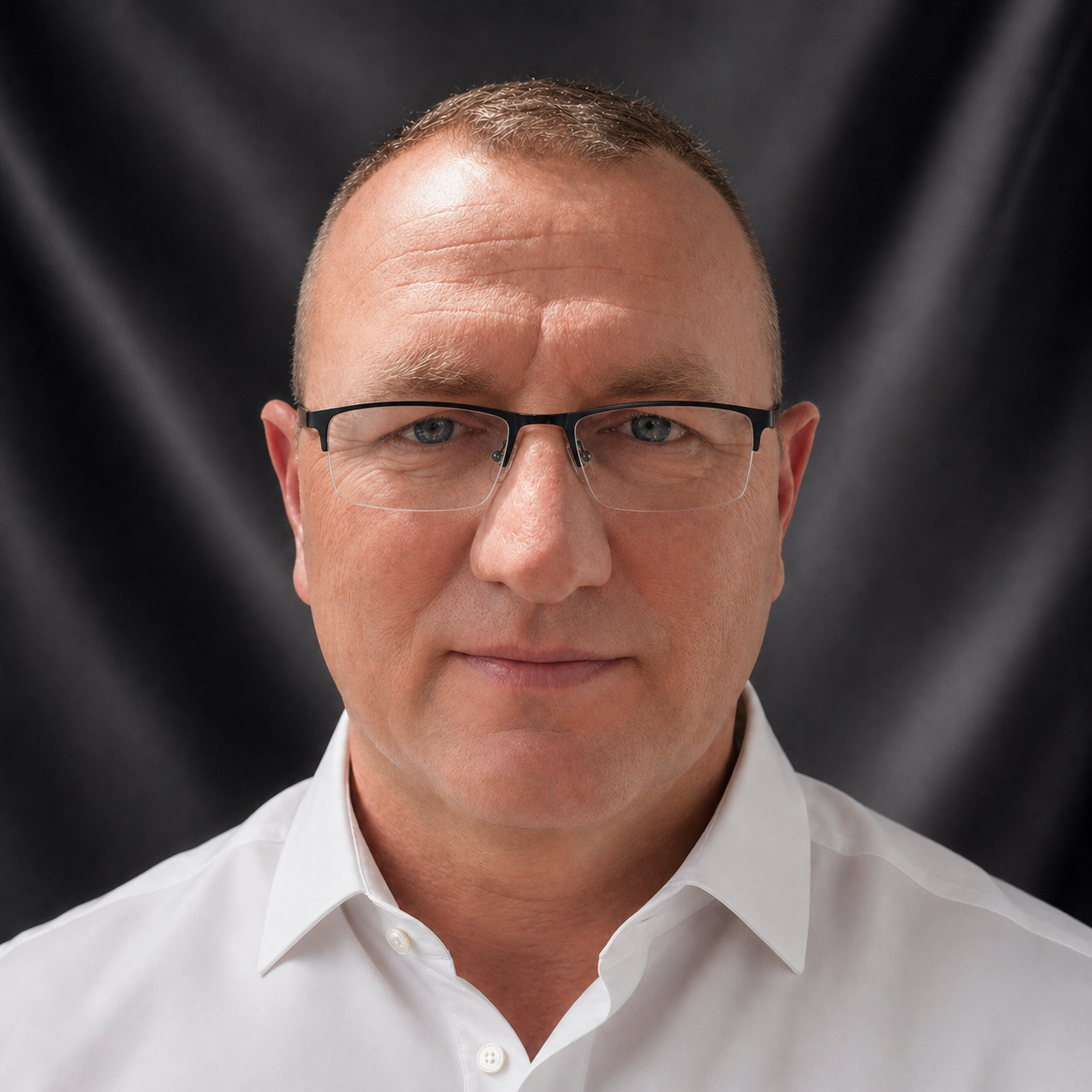
Recovery route coordinator and family guidance specialist
Andrey helps families organize the route, communicate the real history, maintain boundaries and prepare continuation after stabilization.
He is not a physician and does not diagnose, prescribe medication or make clinical decisions. His role is coordination, family guidance and practical continuity.
MAAVAR CLINIC operates as a licensed medical structure for addiction treatment in Israel. This license block appears once on this page.
The license image may be opened for a larger preview. Website information does not replace an individual assessment.

This page provides general information and does not replace individual medical assessment or emergency care.
PTSD can keep the nervous system in threat mode through hypervigilance, intrusive memories, avoidance, shame and broken sleep. Alcohol, drugs or compulsive behavior may become a fast way to reduce that distress, even when they later deepen it.
If trauma symptoms remain active, the person may still face the same fear, nightmares, tension and internal emergency that made fast relief feel necessary. Integrated treatment addresses both the addictive pattern and the trauma-related system.
No. PTSD does not automatically lead to addiction. Risk rises when substances or compulsive behaviors repeatedly become the main way to manage triggers, sleep, numbness or emotional overload.
Assessment should cover trauma history, current triggers, sleep, dissociation, mood, suicidal risk, substance pattern, withdrawal risk, medications, physical health and family safety.
Yes. When alcohol, benzodiazepines, opioids or other substances create withdrawal or overdose risk, medical stabilization may need to come first. Trauma processing should not be forced during acute instability.
Yes. MAAVAR CLINIC is a licensed medical clinic in Kiryat Gat. Dr. Moshe Golin and the medical team provide assessment, diagnosis, stabilization, psychiatric care and addiction medicine according to clinical indications.
The family can report triggers and substance patterns, maintain clear boundaries, reduce chaos and avoid shame-based confrontation. It should not try to run detox or trauma treatment at home.
Rehabilitation focuses on sleep, routine, emotional regulation, grounding, responsibility, family boundaries, relapse prevention and gradual trauma-informed therapy when the person is stable enough.
Call Magen David Adom at 101 for suicidal behavior, severe confusion, hallucinations, seizure, collapse, breathing difficulty, dangerous aggression or inability to remain safe.
Write on WhatsApp, call +972 54 757 8876, or email dhvny8@gmail.com. Immediate danger takes priority over privacy; in an emergency call 101.
Write briefly: what happened, current trauma symptoms, substances or medications used, sleep, recent triggers, previous treatment and any immediate safety concern.
At MAAVAR CLINIC, psychiatric and addiction assessment are connected to stabilization, daily structure, family guidance and trauma-informed rehabilitation.
Quick reading settings for this page.
