Clarity
Define the current stage, risks and priorities instead of relying on vague hope.
Recovery after detox in Israel: medical follow-up, relapse prevention and structured rehabilitation.
A real recovery program turns temporary relief into a working structure. It clarifies what must stabilize, which medical or psychiatric needs require attention, how the day should be organized, what the family should do and how relapse risk will be reduced.
At MAAVAR CLINIC in Kiryat Gat, the program connects clinical assessment with sleep restoration, routine, emotional regulation, responsibility, family clarity and continuation planning.
A recovery program is a continuation structure: not a promise that life will change, but a clinically informed route that can hold real days, difficult nights and the return of stress.
Define the current stage, risks and priorities instead of relying on vague hope.
Build sleep, meals, movement, therapy, responsibilities and predictable transitions.
Plan what happens after the first stable days so progress does not depend on mood.
After detox or crisis, the body may be calmer while the old route remains active: the same access, stress, isolation, conflict, shame and automatic search for fast relief.
The exact plan is individualized, but several layers should not be skipped when the goal is durable stability.
Substance history, withdrawal risk, mental state, medication, sleep and dual diagnosis.
Stable waking, meals, movement, treatment activities, rest and evening structure.
Learning to respond to anxiety, shame, anger and craving without returning to old behavior.
Boundaries, communication, warning signs and shared responsibility.
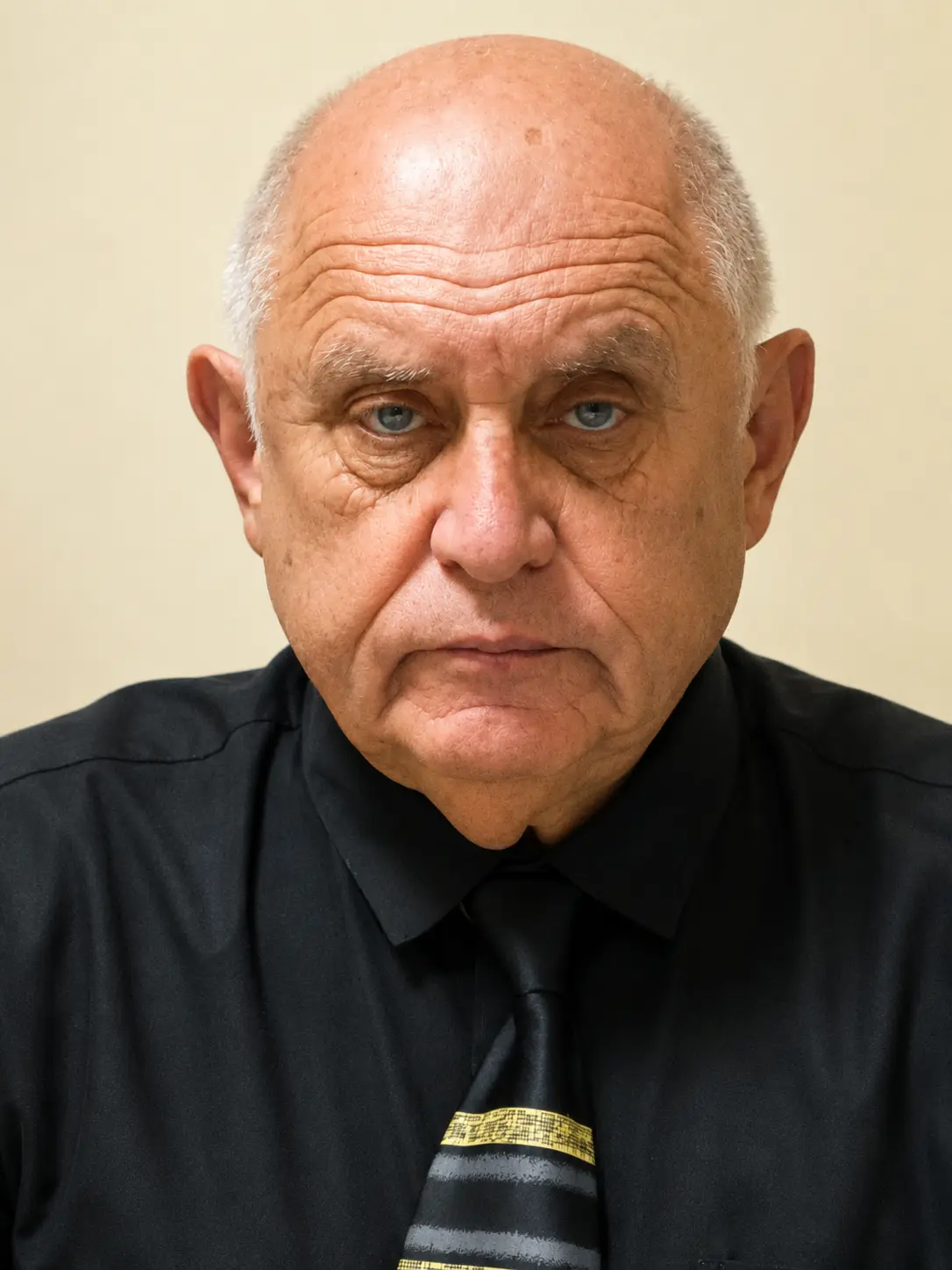
Psychiatrist, addiction physician, senior doctor with 40 years of experience
Dr. Golin assesses substance history, withdrawal risk, sleep, mood, anxiety, cognition, medication, medical conditions and dual-diagnosis factors that affect the program.
He and the MAAVAR CLINIC medical team are responsible for diagnosis, stabilization, medication decisions, psychiatric care and clinical oversight.
The home can either reinforce stability or reactivate chaos. Families need clear roles without becoming doctors, interrogators or permanent crisis managers.
Clinical decisions come from the medical team, not competing advice from relatives.
Support should not become enabling, secrecy or endless rescue.
Sleep collapse, isolation, dishonesty, old contacts and missed treatment need a response plan.
Trust returns through repeated responsibility, not promises made during a calm day.
The route develops in stages and connects clinical decisions to practical rehabilitation.
The plan has to account for the environment the person will return to: people, money, places, work stress, loneliness, medication access and family tension.
Reduce easy routes to substances, gambling or other destructive behavior.
Plan evenings, weekends, discharge, travel and return to work before pressure rises.
Know who to contact before relapse logic becomes automatic.
Medical follow-up, therapy, groups, routine and responsibilities remain visible.

Recovery becomes more stable when the person and family know what happens next, who makes clinical decisions, how the day is organized and what to do when risk rises.
Respond only when the situation becomes dangerous.
Build protection before the next dangerous moment.
Sleep, meals and activity depend on mood.
The day follows a repeatable and realistic structure.
Relatives carry the entire process through fear.
The clinic, patient and family each have defined roles.
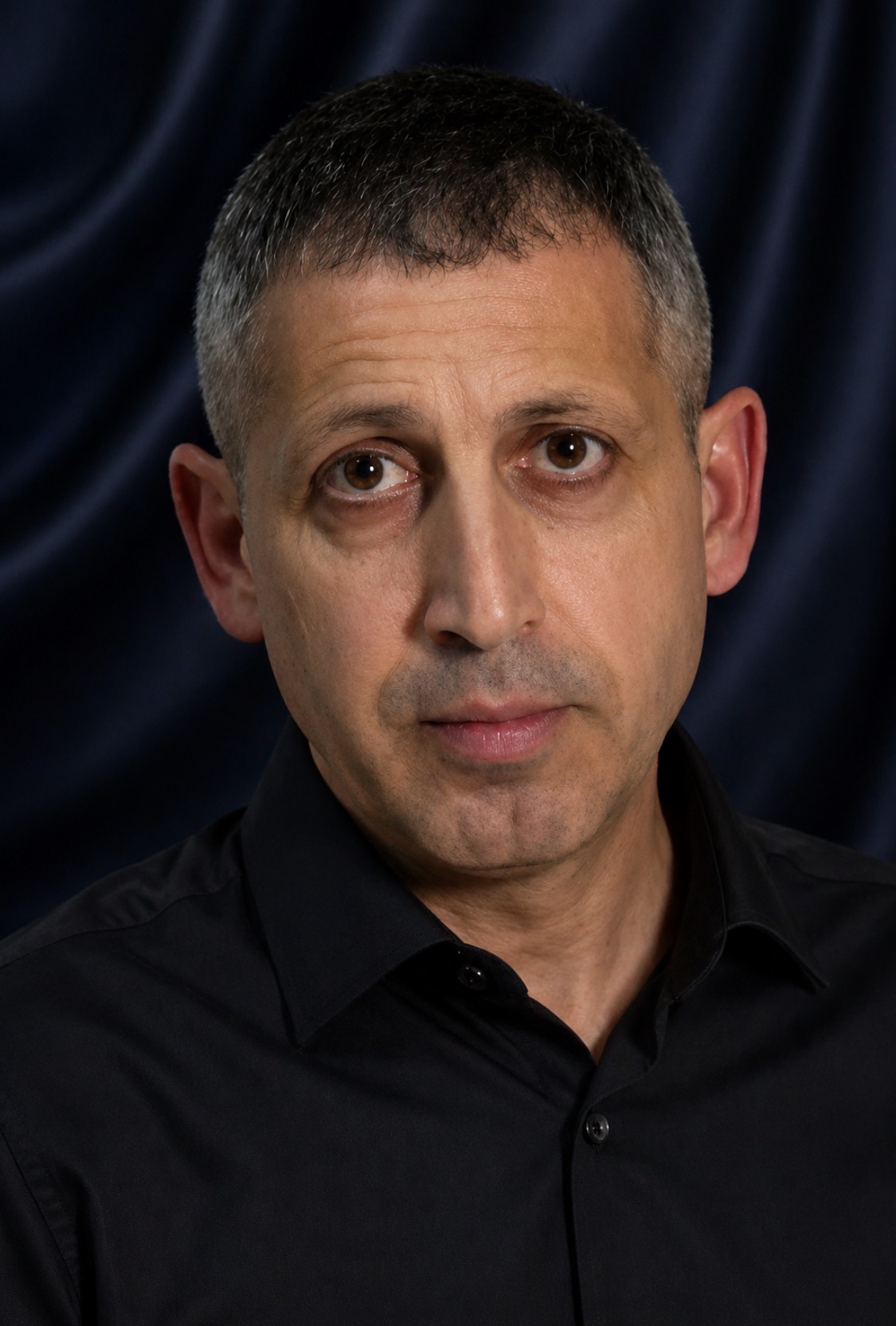
Recovery mentor for sleep, routine, structure and responsibility
After stabilization, Mikhail helps turn the clinical plan into a repeatable daily structure through sleep rhythm, practical learning, tasks, responsibility and preparation for continuation.
He is not a physician and does not diagnose, prescribe medication or make clinical decisions.
This page provides general information and does not replace individual medical assessment or emergency care.
A real recovery program is a clinically informed rehabilitation structure that connects assessment, daily routine, sleep, emotional regulation, family work, relapse prevention and a clear continuation plan.
Detox can stabilize the acute withdrawal phase, but it does not by itself rebuild routine, coping, trust, family boundaries or protection from relapse triggers.
No. The program should reflect substance history, mental state, sleep, medical needs, dual diagnosis, family conditions, environment and the person’s current stage.
It should include medical and psychiatric assessment when indicated, structured days, sleep restoration, trigger mapping, emotional regulation, family clarity, responsibility and relapse prevention.
Yes. MAAVAR CLINIC is a licensed medical clinic in Kiryat Gat. Dr. Moshe Golin and the medical team perform assessment, diagnosis, stabilization, medication decisions and psychiatric care according to clinical indications.
Addiction and psychiatric symptoms are assessed together so that anxiety, depression, trauma symptoms, sleep disruption or other conditions are not treated as separate background issues.
Yes. Families need clear roles, boundaries, communication rules and warning-sign plans so they can support recovery without becoming doctors or permanent crisis managers.
Mikhail supports sleep rhythm, daily routine, practical learning, responsibility and continuation after stabilization. He is not a physician and does not make clinical decisions.
Call Magen David Adom at 101 for seizure, severe confusion, hallucinations, collapse, breathing difficulty, chest pain, suicidal behavior or inability to remain safe.
Write on WhatsApp, call +972 54 757 8876, or email dhvny8@gmail.com. In immediate danger, call 101.
Write briefly: current substance use, detox or crisis history, sleep, medications, psychiatric symptoms, family situation, environment and immediate risks.
At MAAVAR CLINIC, clinical assessment is connected directly to structured rehabilitation and continuation.
Quick reading settings for this page.