Clarify the relationship
Symptoms may predate substance use, appear during intoxication, intensify in withdrawal or continue after stabilization.
Dual diagnosis addiction treatment in Israel: integrated psychiatric and addiction assessment, stabilization and rehabilitation.
When addiction exists together with depression, anxiety, trauma symptoms, bipolar instability, psychosis, panic or severe insomnia, treating only the substance leaves major relapse drivers untouched. Treating only the psychiatric symptoms can also fail when intoxication, withdrawal, craving and access remain active.
At MAAVAR CLINIC in Kiryat Gat, Dr. Moshe Golin and the medical team assess the substance pattern, withdrawal risk, medication history, sleep, mood, trauma symptoms, psychosis, suicide risk and family situation. Medical stabilization is followed by structured rehabilitation that connects routine, responsibility, coping skills, family boundaries and relapse prevention.
The clinical task is to understand how substance use, withdrawal, medication, sleep and mental health symptoms interact, then organize treatment in a safe sequence.
Symptoms may predate substance use, appear during intoxication, intensify in withdrawal or continue after stabilization.
Emergency safety, psychiatric stabilization, withdrawal management and rehabilitation do not always begin in the same order.
The relapse-prevention plan must address both craving and the psychiatric states that previously triggered use.
A label is not enough. The team needs a timeline of substances, symptoms, medication, sleep and safety.
What was used, dose pattern, last use, previous withdrawal, mixed substances, overdose and failed reductions.
Depression, panic, trauma symptoms, mania, psychosis, suicidal thinking, aggression and cognitive change.
Previous diagnoses, hospitalizations, antidepressants, mood stabilizers, benzodiazepines, sleeping pills and adherence.
Sleep, eating, self-care, work, debt, children at home, violence risk, access to substances and ability to remain safe.
A plan, access to means, recent attempt, inability to remain safe or rapidly deepening hopelessness needs urgent intervention.
Hallucinations, severe paranoia, extreme agitation, no sleep with escalating behavior or loss of reality testing are urgent.
Seizure, delirium, severe confusion, breathing difficulty, collapse or mixed depressants require emergency assessment.
Violence, dangerous driving, wandering, inability to care for basic needs or risk to children cannot wait for routine planning.
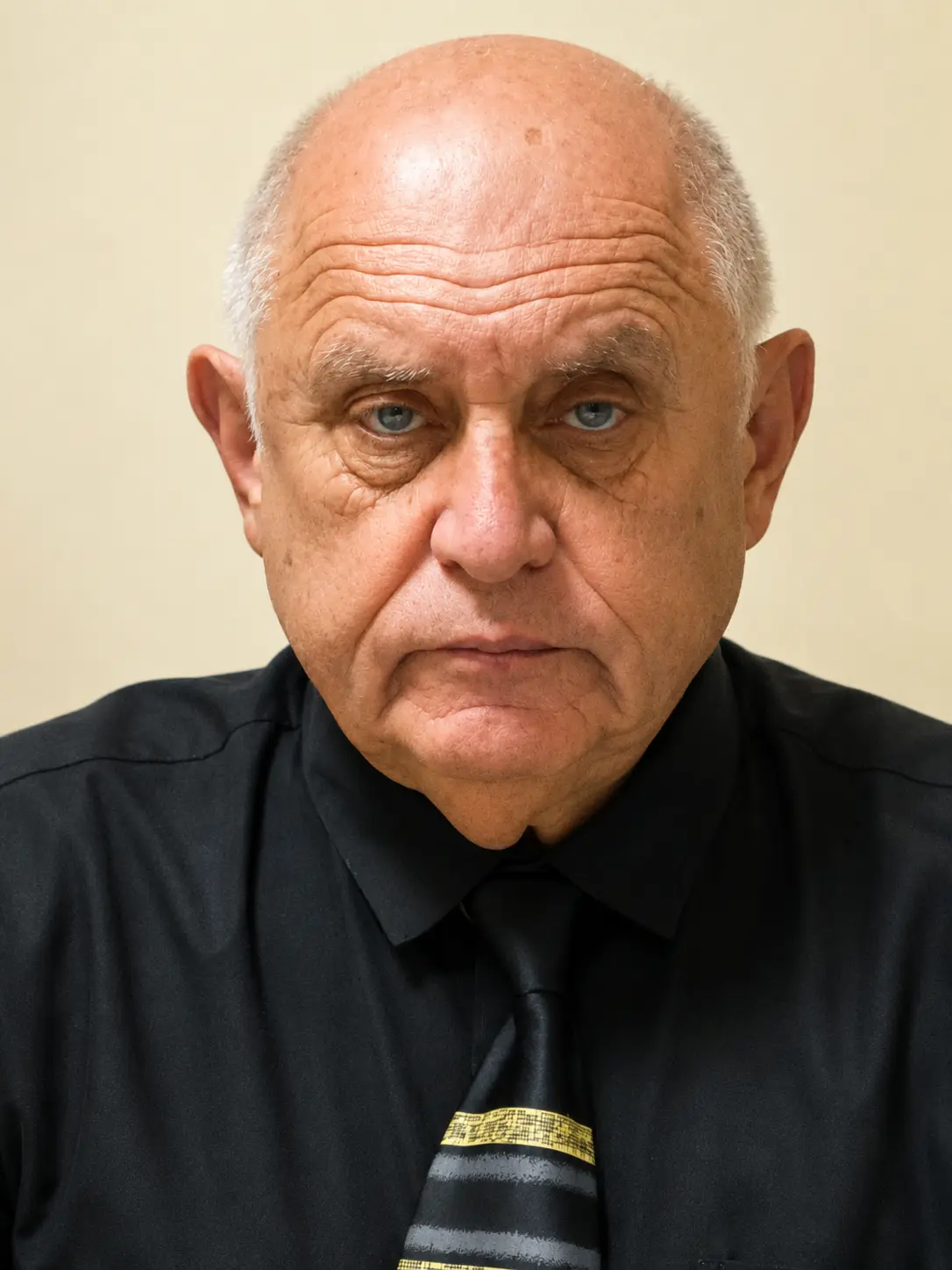
Psychiatrist, addiction physician, senior doctor with 40 years of experience
Dr. Golin evaluates how substance use, withdrawal, psychiatric symptoms, medication, physical illness and sleep interact. He distinguishes what may require emergency care, stabilization, diagnostic clarification or rehabilitation.
He and the MAAVAR CLINIC medical team are responsible for diagnosis, medication decisions, psychiatric care, addiction medicine, medical stabilization and the transition into the rehabilitation stage.
Hopelessness, shame, fatigue and loss of interest can intensify craving and weaken follow-through.
Fast relief can reinforce repeated use while rebound symptoms make the original anxiety feel worse.
Nightmares, hypervigilance, dissociation and avoidance may become powerful relapse triggers.
Reduced sleep, impulsivity and elevated mood can increase substance use, risk-taking and treatment disruption.
Paranoia, hallucinations and disorganization require clinical assessment of substances, sleep and primary illness.
Sleep loss can worsen emotion regulation, craving, mood instability and vulnerability to psychosis.
Stabilization opens a window. Rehabilitation turns that window into a different daily pattern.
Relatives should provide accurate observations and follow a shared plan, not become substitute psychiatrists, detox staff or medication controllers.
Sleep, substances, medications, mood changes, psychotic symptoms, threats and previous episodes.
Agree in advance which signs require 101 or an emergency department.
One person should not fund use while another confiscates medication and a third negotiates during crisis.
Help protect appointments, routine, medication adherence and relapse-prevention boundaries after stabilization.

Recovery becomes more stable when the psychiatric condition is not used to excuse substance use, and the substance use is not used to dismiss genuine mental distress. Both are assessed, both are treated, and both are included in continuation planning.
Each professional sees only one part of the problem.
Substance use, symptoms, medication, sleep and risk are interpreted together.
Action begins only after relapse, panic, psychosis or collapse.
Sleep, mood, craving and behavior changes trigger agreed responses.
The person waits to feel better before rebuilding life.
Routine and responsibility begin while clinical stability is developing.

Recovery mentor for sleep, routine, structure and responsibility
After psychiatric or withdrawal stabilization, the person may still live according to symptoms: staying in bed, reversing day and night, avoiding tasks or waiting to feel calm before acting. Mikhail helps rebuild a repeatable daily structure.
He is not a physician and does not diagnose, prescribe medication, conduct detox or make psychiatric decisions. His role is practical rehabilitation after the acute clinical stage.
This page provides general information and does not replace individual psychiatric or addiction assessment.
Dual diagnosis addiction treatment addresses a substance use disorder and a co-occurring mental health condition in one coordinated plan. Assessment, medication decisions, stabilization and psychiatric care are integrated with rehabilitation, family work and relapse prevention.
Common co-occurring conditions include depression, anxiety disorders, PTSD, panic disorder, bipolar disorder, psychotic symptoms, severe insomnia and trauma-related symptoms. Only qualified clinicians can determine whether symptoms are primary, substance-induced or withdrawal-related.
No. The first step depends on current risk. Some people need urgent withdrawal management or intoxication stabilization, while others require psychiatric assessment, medication review or immediate safety planning before rehabilitation begins.
Dr. Moshe Golin and the MAAVAR CLINIC medical team perform psychiatric and addiction assessment, diagnosis, medication decisions, stabilization and clinical planning according to indications. Nonmedical staff do not diagnose or prescribe.
Yes. Intoxication, withdrawal, sleep deprivation and mixed substances can produce or intensify anxiety, depression, paranoia, agitation, mood changes and psychotic symptoms. Clinical assessment is needed to clarify timing and cause.
Call Magen David Adom at 101 for suicidal behavior, a suicide plan, severe psychosis, dangerous mania, seizure, delirium, collapse, breathing difficulty, chest pain, overdose signs, violent behavior or inability to remain safe.
Sleep disruption can worsen mood instability, anxiety, psychosis risk, impulsivity and craving. Restoring a predictable sleep-wake rhythm is part of rehabilitation, while medical causes and medication questions remain the responsibility of clinicians.
Rehabilitation focuses on routine, emotional regulation, trigger mapping, responsibility, family boundaries, medication adherence where prescribed, coping skills and a continuation plan that addresses both relapse and psychiatric risk.
Mikhail supports sleep rhythm, daily routine, practical structure and responsibility after stabilization. He is not a physician and does not diagnose, prescribe medication, conduct detox or make clinical decisions.
The family helps provide an accurate history, identifies changes in sleep and behavior, follows emergency guidance and learns boundaries that support treatment without taking over diagnosis, medication control or crisis management.
MAAVAR CLINIC handles information discreetly within medical, legal and safety requirements. Confidentiality does not prevent emergency action or clinically necessary communication when immediate safety is at risk.
Write on WhatsApp, call +972 54 757 8876, or email dhvny8@gmail.com. For immediate danger in Israel, call 101 before sending a routine inquiry.
Send a concise timeline of substances, last use, medication, diagnosis history, sleep, mood changes, psychotic symptoms, suicide risk, previous detox or hospitalization and the family’s immediate concern.