Night-time alarm
The body is tired, but thoughts, tension and threat-monitoring remain active.
Anxiety, insomnia and addiction in Israel: chronic alarm, insomnia, avoidance, dual-diagnosis assessment and structured rehabilitation.
Some people do not return to alcohol, pills or drugs because they are looking for pleasure. They return because evening brings dread: racing thoughts, body tension, repeated waking and the conviction that sleep will not come without an artificial switch.
At MAAVAR CLINIC in Kiryat Gat, the route begins with safety, medication and substance history, psychiatric symptoms and the need for medical stabilization. Rehabilitation then focuses on rebuilding sleep rhythm, reducing night-time panic, restoring daily structure and preventing relief-seeking from becoming relapse.
The pattern becomes dangerous when chronic alarm keeps the person awake, exhaustion lowers judgment, and fast relief becomes the only trusted route into sleep.
The body is tired, but thoughts, tension and threat-monitoring remain active.
Alcohol, sedatives, drugs or compulsive behavior are used to force relief or sleep.
Shame, rebound anxiety, poor sleep quality and fear of the next night restart the cycle.
Night removes distraction and increases attention to bodily sensations, thoughts and fear. Previous bad nights create anticipatory anxiety before bedtime even begins.
The person starts monitoring the clock, body and possibility of another sleepless night hours in advance.
Each failed attempt to sleep makes immediate relief feel more reasonable and urgent.
Fatigue, irritability, poor concentration and emotional instability weaken recovery decisions the next day.
Relatives begin reassuring, checking, arguing or giving medication without a clear plan.
The brain learns a simple association: night distress means the person needs the same external switch again.
Recovery does not demand perfect sleep immediately. It builds a repeatable rhythm that reduces panic, impulsive relief-seeking and daytime collapse.
Morning structure helps rebuild the sleep-wake cycle even when the previous night was imperfect.
Planned pacing, reduced stimulation and early support prevent the night from becoming an emergency.
Sleep, anxiety, medication effects and substance use are described honestly to the clinical team.
Unplanned pills, alcohol or other substances are not used as private emergency treatment.
Insomnia may be distressing, but some signs indicate a broader emergency.
Plans, intent, self-harm, hopelessness or inability to remain safe require immediate action.
Hallucinations, delusions, disorientation or loss of reality testing are urgent.
Seizures, collapse, breathing difficulty, severe agitation or unknown mixed substances require medical care.
Several nights without sleep with escalating agitation, paranoia or unsafe behavior should not be managed at home.
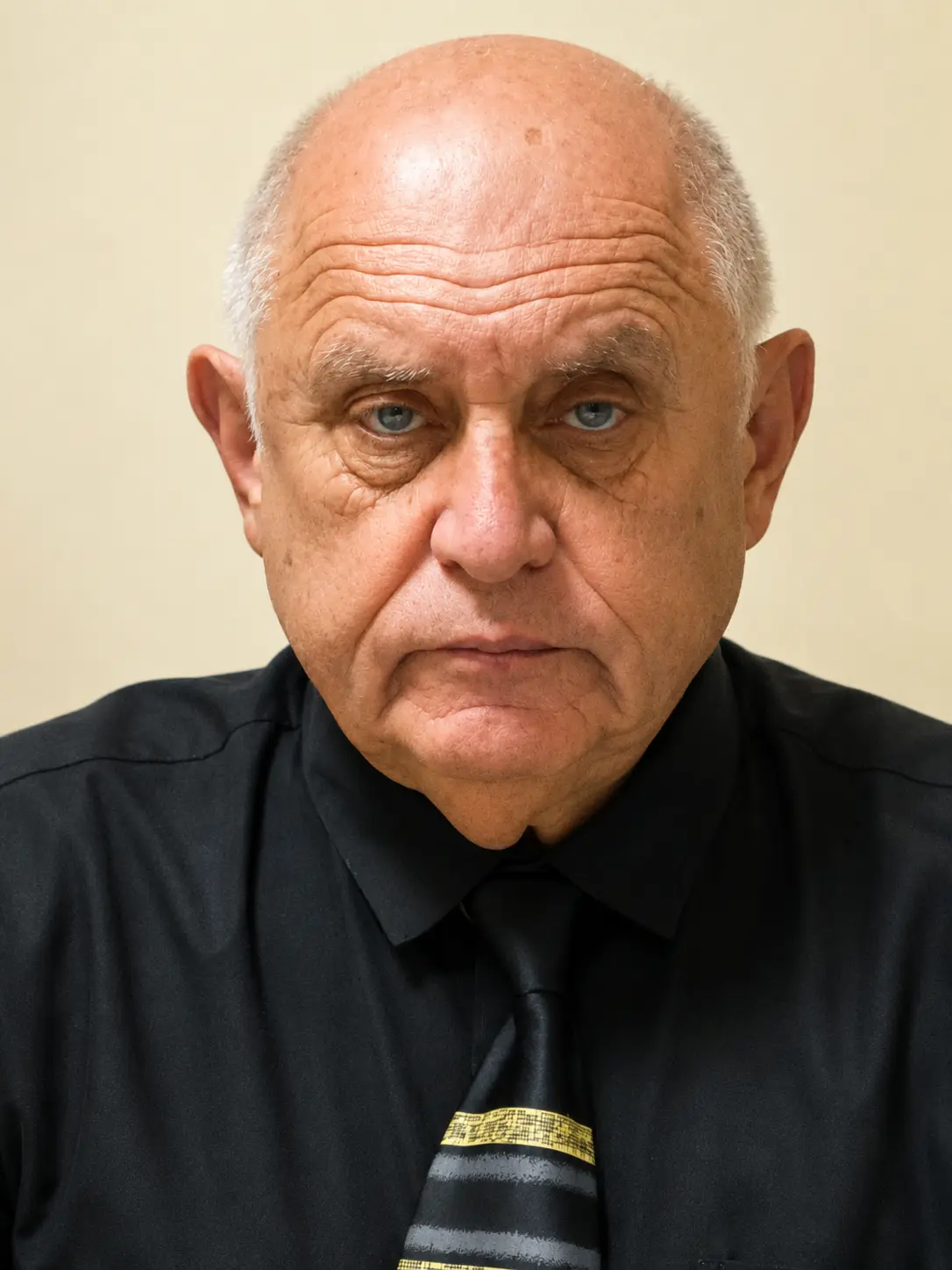
Psychiatrist, addiction physician, senior doctor with 40 years of experience
Dr. Golin evaluates anxiety symptoms, panic, sleep, depression, trauma history, substance use, medication exposure, withdrawal risk, cognition, suicidality and the possibility of a dual diagnosis.
He and the MAAVAR CLINIC medical team are responsible for diagnosis, psychiatric and addiction assessment, medication decisions, stabilization and the clinical transition into rehabilitation.
The same complaint — “I cannot sleep” — may reflect very different mechanisms and therefore different clinical decisions.
Bedtime, awakenings, daytime sleep, shift work, circadian disruption and duration of insomnia.
Anxiety, panic, depression, trauma, mania, psychosis, suicidal thoughts and cognitive changes.
Alcohol, sedatives, stimulants, cannabis, prescribed medication, missed doses and withdrawal risk.
The program reduces night risk by changing daytime structure, emotional regulation, access, family responses and the expectation that sleep must be forced.
Relatives often spend nights checking breathing, arguing about pills, offering reassurance or negotiating for one calm evening. Treatment gives the family a predictable role.
The family knows what requires the clinic, emergency care or an immediate call to 101.
Dose changes and combinations are not designed during a desperate night at home.
Support remains calm without feeding endless checking or repeated promises that sleep must happen now.
The recovery plan continues after a difficult night instead of resetting after every crisis.

Recovery becomes stronger when the person can recognize alarm, ask for help, stay inside a structured day and choose a planned response before reaching for the old shortcut.
“If I do not sleep now, tomorrow is ruined.”
One imperfect night is managed through structure, not emergency relief.
The person uses alcohol, pills or another substance without telling anyone.
Symptoms and use are reported before risk escalates.
Everyone reacts differently after each bad night.
The same safety boundaries and morning plan remain in place.
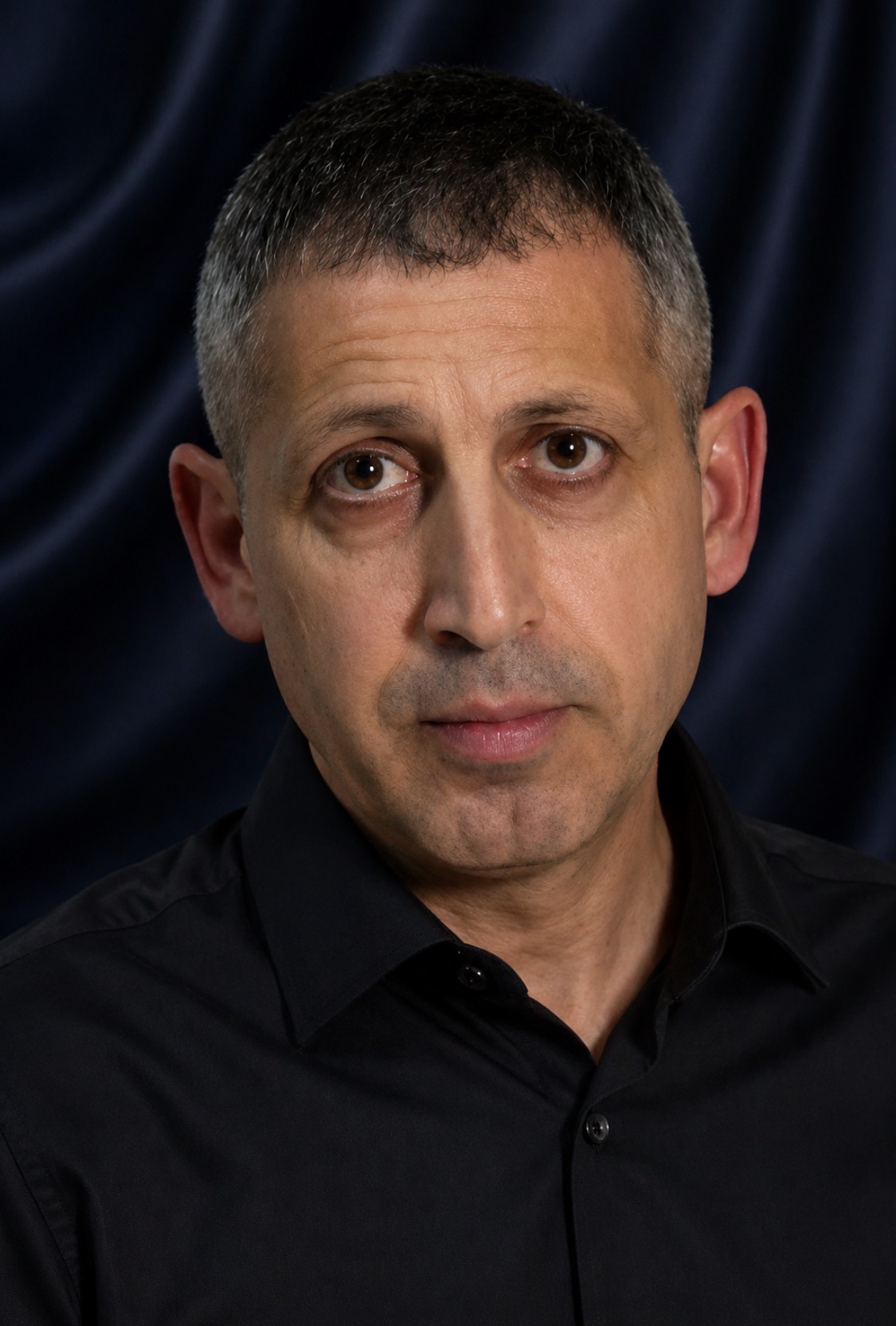
Routine, sleep discipline and daily-structure support in rehabilitation
Mikhail helps turn clinical recommendations into repeatable daily actions: wake time, meals, movement, responsibilities, evening pacing and asking for support before the night becomes a crisis.
He is not a physician and does not diagnose, prescribe medication or make clinical decisions. His role is structure, discipline and practical recovery habits inside the rehabilitation program.
This page provides general information and does not replace individual medical or psychiatric assessment.
Anxiety keeps the nervous system activated, insomnia weakens judgment and emotional control, and fast relief can become the person’s trusted way to force sleep or silence.
No. Insomnia has many causes. The clinical task is to clarify anxiety, medications, substances, withdrawal, mood disorders, circadian disruption and other medical factors.
Call 101 for suicidal behavior, psychosis, severe confusion, seizures, collapse, dangerous aggression, breathing difficulty or inability to remain safe.
Yes. MAAVAR CLINIC is a licensed medical clinic in Kiryat Gat. Dr. Moshe Golin and the medical team perform assessment, diagnosis, stabilization, medication and clinical decisions according to indications.
Medication changes, combinations and taper plans should be made by the prescribing clinician. Families should not improvise doses during a difficult night.
A single better night may reduce distress, but the underlying cycle of anxiety, access, relief-seeking and daytime instability can remain active.
The program builds daily rhythm, emotional regulation, evening structure, honest reporting, family boundaries and relapse-prevention behavior.
Mikhail supports routine, sleep discipline and daily structure. He is not a physician and does not diagnose, prescribe medication or make clinical decisions.
Use one safety plan, avoid repeated negotiations, do not provide unplanned substances or medication, and keep the next morning structured.
Write on WhatsApp, call +972 54 757 8876, or email dhvny8@gmail.com. Immediate danger takes priority over privacy; in an emergency call 101.
Write briefly: what happens before bed, what is used for relief, how long sleep has been disrupted, medication changes, panic, suicidal thoughts, psychosis, alcohol, pills and what feels dangerous now.
At MAAVAR CLINIC, clinical assessment connects directly to sleep-focused rehabilitation, daily structure, family boundaries and relapse prevention.
Quick reading settings for this page.