Substance and medication picture
Alcohol, opioids, stimulants, benzodiazepines, sedatives, cannabis, prescribed medicines, unknown pills and every known combination.
Detox guide in Israel: withdrawal risk, emergency signs, medical assessment, detox, stabilization and rehabilitation at MAAVAR CLINIC.
Families usually want one immediate answer: whether detox can happen at home, how long it will take and what must happen first. A safe answer depends on the exact substance or medication, pattern and last use, previous withdrawal, seizures or delirium, mixed use, current symptoms, physical health, psychiatric safety and the reliability of support.
At MAAVAR CLINIC in Kiryat Gat, Dr. Moshe Golin and the medical team assess those factors, choose the appropriate treatment setting, provide detox and stabilization when indicated and prepare the transition into rehabilitation. Detox is the zero medical stage of recovery—not the finished treatment.
The first task is not choosing a room or counting days. It is identifying what can make withdrawal or intoxication dangerous and what information the medical team needs to select the right setting.
Alcohol, opioids, stimulants, benzodiazepines, sedatives, cannabis, prescribed medicines, unknown pills and every known combination.
Previous seizures, delirium, hallucinations, collapse, overdose, severe vomiting, dehydration, hospital treatment or failed attempts change the decision.
Consciousness, breathing, chest pain, confusion, sleep collapse, agitation, suicidality, physical illness, psychiatric symptoms and the safety of the support setting.
A confidential appointment or transport plan must not delay emergency care when the person is medically or psychiatrically unsafe.
Seizure, severe confusion, delirium, disorientation, hallucinations with unsafe behavior or rapidly worsening agitation.
Unresponsiveness, abnormal or difficult breathing, blue or grey lips, collapse or suspected overdose.
Chest pain, severe dehydration, inability to keep fluids down, extreme weakness or other rapidly worsening physical signs.
Suicidal behavior, an immediate plan, dangerous aggression, psychosis or inability to remain safe.
One generic schedule cannot safely describe every detox. Different substances create different acute risks, symptoms, timelines and treatment priorities.
Withdrawal can progress from tremor, sweating, nausea, anxiety and insomnia to seizures, hallucinations, delirium or unstable physical signs.
Physical dependence can develop during regular use. Abrupt stopping or reducing too quickly may cause serious withdrawal including seizures.
Withdrawal may bring vomiting, diarrhea, dehydration, pain, insomnia and intense craving. The plan must also address relapse and overdose risk after reduced tolerance.
The crash may involve exhaustion, depression, agitation, sleep disruption, psychosis or suicidal thoughts, making psychiatric safety central.
Alcohol, sedatives, opioids and stimulants can interact, hide one another’s effects and create several withdrawal or overdose risks at once.
When the exact product is unknown, the route must become more medically cautious rather than more confident.
The answer is not automatically yes or no. It depends on clinical risk and whether the setting can provide the required monitoring, medication decisions, reliable support and rapid escalation if the picture changes.
A clinician may consider an ambulatory route for a stable person with lower withdrawal risk, reliable support, a clear plan and access to reassessment.
Alcohol or benzodiazepine risk, severe symptoms, previous seizures or delirium, mixed substances, unstable health, psychiatric danger or unreliable support may require clinic, residential, hospital or emergency care.
Duration varies with the substance or medication, dose and pattern, last use, previous withdrawal, mixed use, physical and psychiatric conditions, symptoms and response to treatment.
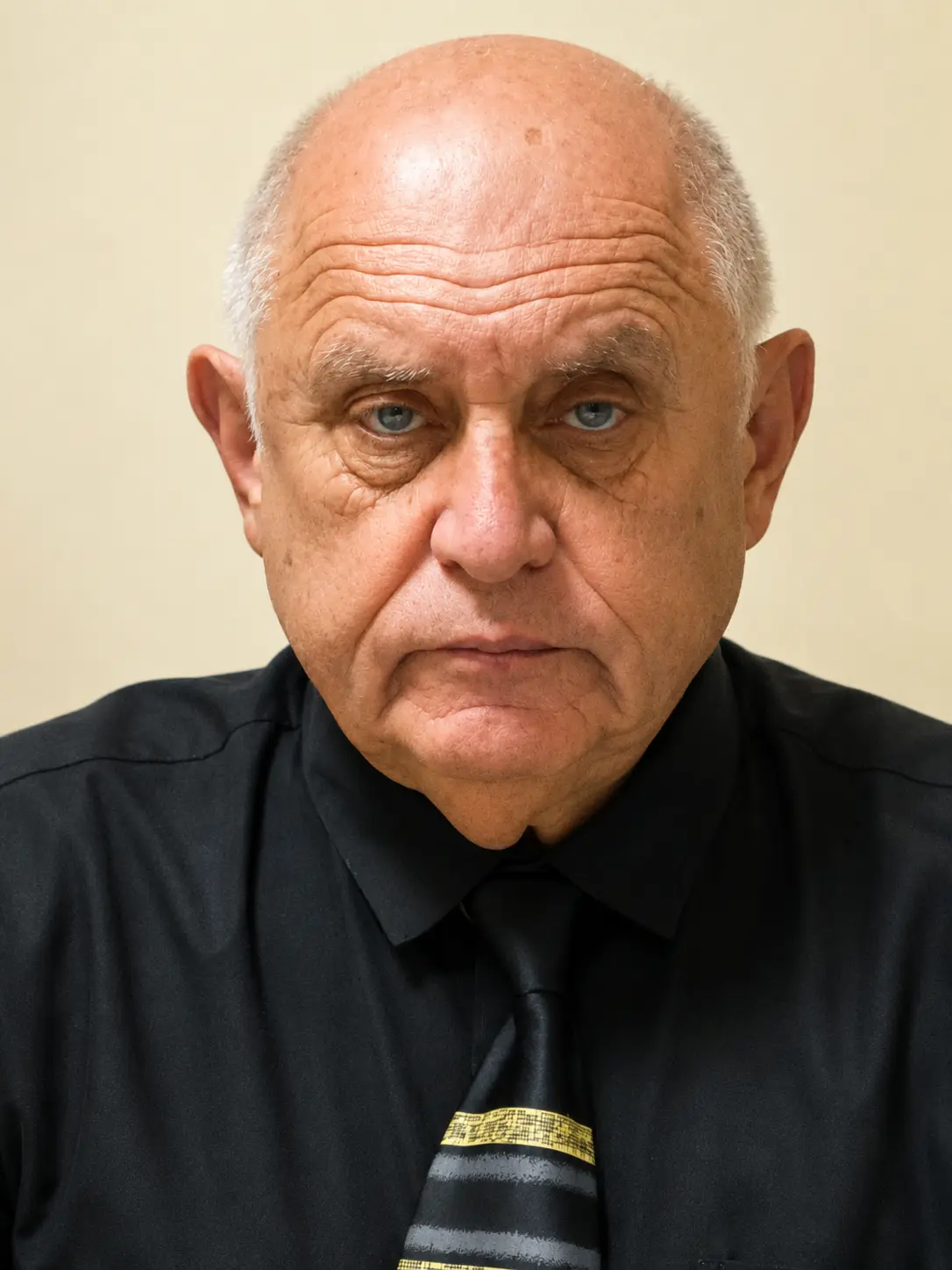
Psychiatrist, addiction physician, senior doctor with 40 years of experience
Dr. Golin assesses what was used, dose and pattern, last use, previous severe withdrawal, seizures or delirium, mixed substances, prescriptions, vital signs, physical illness, psychiatric symptoms and the reliability of the support setting.
He and the MAAVAR CLINIC medical team are responsible for diagnosis, detox, stabilization, medication decisions, psychiatric care, addiction medicine and selection of the appropriate treatment setting according to the Israeli Ministry of Health license and clinical indications.
MAAVAR CLINIC is licensed by the Israeli Ministry of Health to provide addiction treatment, medical detox procedures and clinical care in Kiryat Gat.
When acute symptoms improve, the causes and habits that kept the addiction active have not automatically changed. Rehabilitation begins where detox ends.
Continue medication, physical-health, psychiatric and addiction review according to the individual clinical plan.
Rebuild sleep, waking time, meals, activity, groups, manageable tasks and repeated participation.
Replace emergency bargaining, secret payments and contradictory messages with one practical family line.
Plan for triggers, access, contacts, reduced tolerance, warning signs and prompt re-entry into care.
Alcohol, benzodiazepines, opioids, stimulants and mixed substances require different risk thinking.
A private room does not provide diagnosis, monitoring, medication decisions or emergency capacity.
Seizure, delirium, suspected overdose, collapse, breathing difficulty or immediate danger requires emergency action.
Detox without rehabilitation leaves sleep, triggers, access, stress, family conflict and relapse risk largely unchanged.

The medical team manages assessment, detox and stabilization. The family provides accurate information and clear emergency action. Rehabilitation then builds the structure that withdrawal management alone cannot create.
“Detox takes the same number of days for everyone.”
Duration follows substance, history, symptoms, setting and response to treatment.
The family removes substances and chooses doses or monitoring alone.
The medical team chooses setting, monitoring, medication and escalation thresholds.
The family assumes treatment is complete.
Stabilization connects to rehabilitation, family work and relapse prevention.
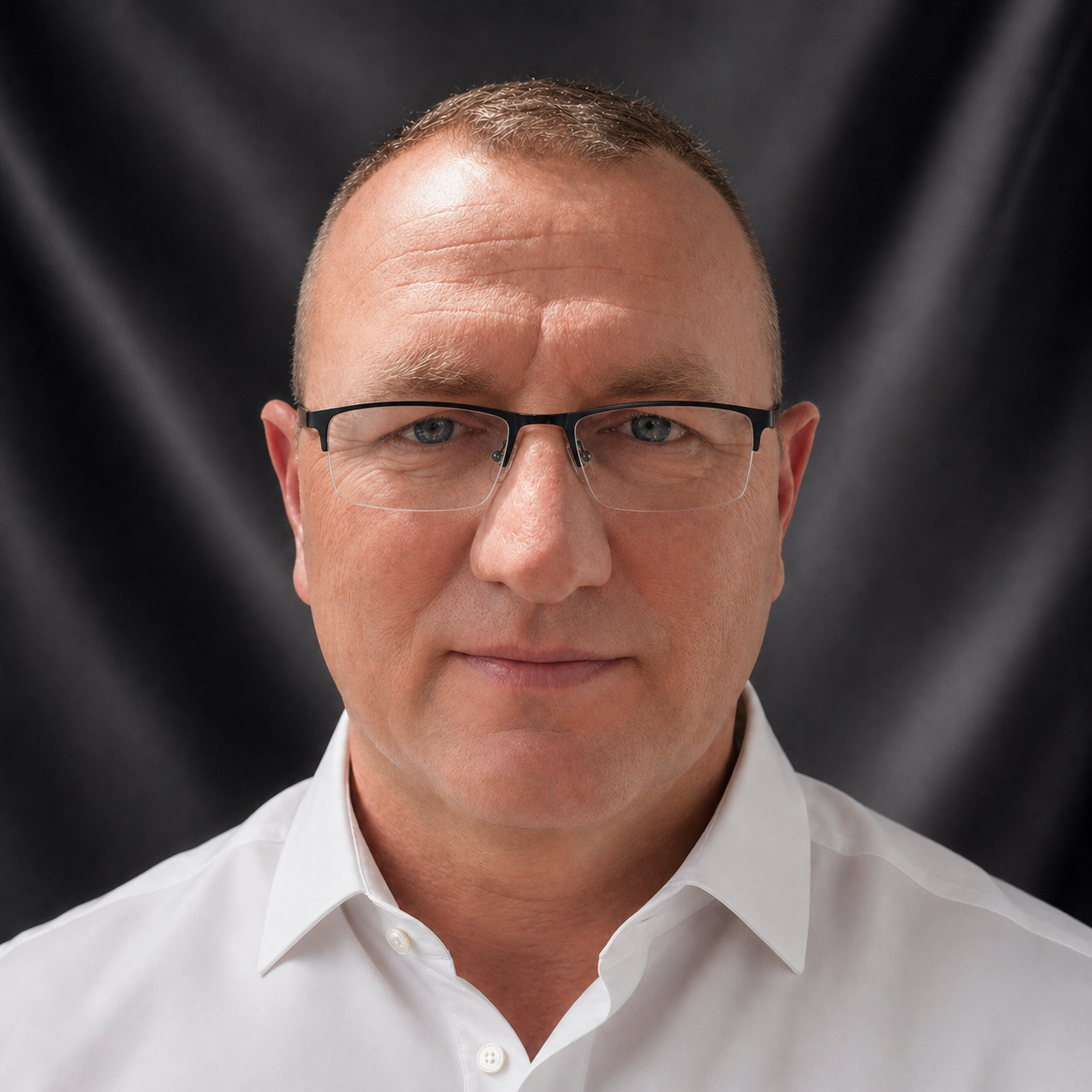
Admissions and recovery-route coordinator for confidentiality, logistics and family coordination
Andrey helps the family turn fragmented information into a workable admission route: what is happening now, who should speak with the medical team, what documents or medications must travel with the person, and how privacy and logistics will be handled.
He coordinates communication and continuity between medical stabilization and rehabilitation. He is not a physician and does not diagnose, prescribe medication, perform detox or make clinical decisions.
This page provides general information and does not replace individual medical assessment, emergency care, diagnosis or a personalized withdrawal-management plan.
A detox guide explains how clinicians and families organize the first stage of addiction treatment: identify emergency signs, clarify the substance and withdrawal history, choose the appropriate treatment setting, complete detox and stabilization when indicated, and connect the acute stage to rehabilitation.
No. Alcohol, benzodiazepines, opioids, stimulants, sedatives and mixed substances can create different withdrawal, overdose, psychiatric and medical risks. The plan must be based on the exact substance or medication, pattern of use, last use, previous withdrawal, current symptoms and health.
Call Magen David Adom at 101 for a seizure, severe confusion or delirium, hallucinations with unsafe behavior, collapse, breathing difficulty, chest pain, suspected overdose, severe dehydration, suicidal behavior, dangerous agitation or inability to remain safe.
Yes. MAAVAR CLINIC is a licensed medical clinic in Kiryat Gat. Dr. Moshe Golin and the medical team perform assessment, diagnosis, withdrawal management, detox and stabilization, medication decisions, psychiatric care and addiction medicine according to clinical indications.
The setting cannot be chosen safely from the word “home” alone. A clinician must assess the substance, withdrawal history, mixed use, physical and psychiatric condition, current symptoms and available support before deciding whether ambulatory monitoring, clinic detox, residential care, hospital assessment or emergency treatment is appropriate.
Alcohol withdrawal can progress to seizures, hallucinations or delirium, while abrupt benzodiazepine discontinuation after physical dependence can cause serious withdrawal including seizures. Both require individualized clinical assessment and should not be managed through a generic internet schedule.
There is no single reliable number for every person. Duration depends on the substance or medication, dose and pattern, last use, previous withdrawal, mixed use, physical and psychiatric conditions, current symptoms and response to treatment.
Detox manages withdrawal and acute instability. It does not by itself rebuild sleep, routine, emotional regulation, responsibility, family boundaries, coping skills or relapse prevention. Those needs are addressed in the rehabilitation stage.
Andrey coordinates confidential intake, treatment-route logistics, admissions, communication and continuity between medical stabilization and rehabilitation. He is not a physician and does not diagnose, prescribe medication, perform detox or make clinical decisions.
Write on WhatsApp, call +972 54 757 8876, or email dhvny8@gmail.com. Include what was used, the pattern and last use, current symptoms and any previous seizure or delirium. For an emergency, call 101.
Write briefly: substance or medication, amount and pattern, last use, current symptoms, previous withdrawal, seizures or delirium, mixed use, medical conditions and current prescriptions.
At MAAVAR CLINIC, Dr. Moshe Golin and the medical team assess withdrawal risk, choose the appropriate treatment setting, provide detox and stabilization when indicated and connect the acute stage directly to rehabilitation.
Quick reading settings for this page.