The body may calm first
Physical symptoms can improve before cravings, shame and emotional triggers are understood.
Recovery after detox in Israel: medical follow-up, relapse prevention and structured rehabilitation.
Detox may calm the acute physical crisis, but the addiction route can remain intact. The same stress, evenings, contacts, sleep problems, family conflict and fast-relief logic can reopen the cycle unless continuation begins immediately.
MAAVAR CLINIC in Kiryat Gat connects post-detox medical assessment with structured rehabilitation focused on sleep, routine, emotional regulation, family boundaries, responsibility and relapse prevention.
Withdrawal stabilization can be essential, but it does not automatically rebuild sleep, judgment, trust, daily rhythm or coping.
Physical symptoms can improve before cravings, shame and emotional triggers are understood.
Fear, anger, monitoring and broken trust can quickly recreate crisis pressure.
Old contacts, money, locations and routines can reopen the same pathway.
The person may be medically clearer while the old relief system remains active. Stress, insomnia, pain, loneliness or conflict can again make alcohol, drugs or medication feel like the fastest solution.
Sleep may remain fragmented and can amplify anxiety, irritability and impulsivity.
Wanting relief can return suddenly even after physical stabilization.
The person may hide symptoms or withdraw from difficult conversations.
Medication, mood, cognition and physical recovery may still require clinical review.
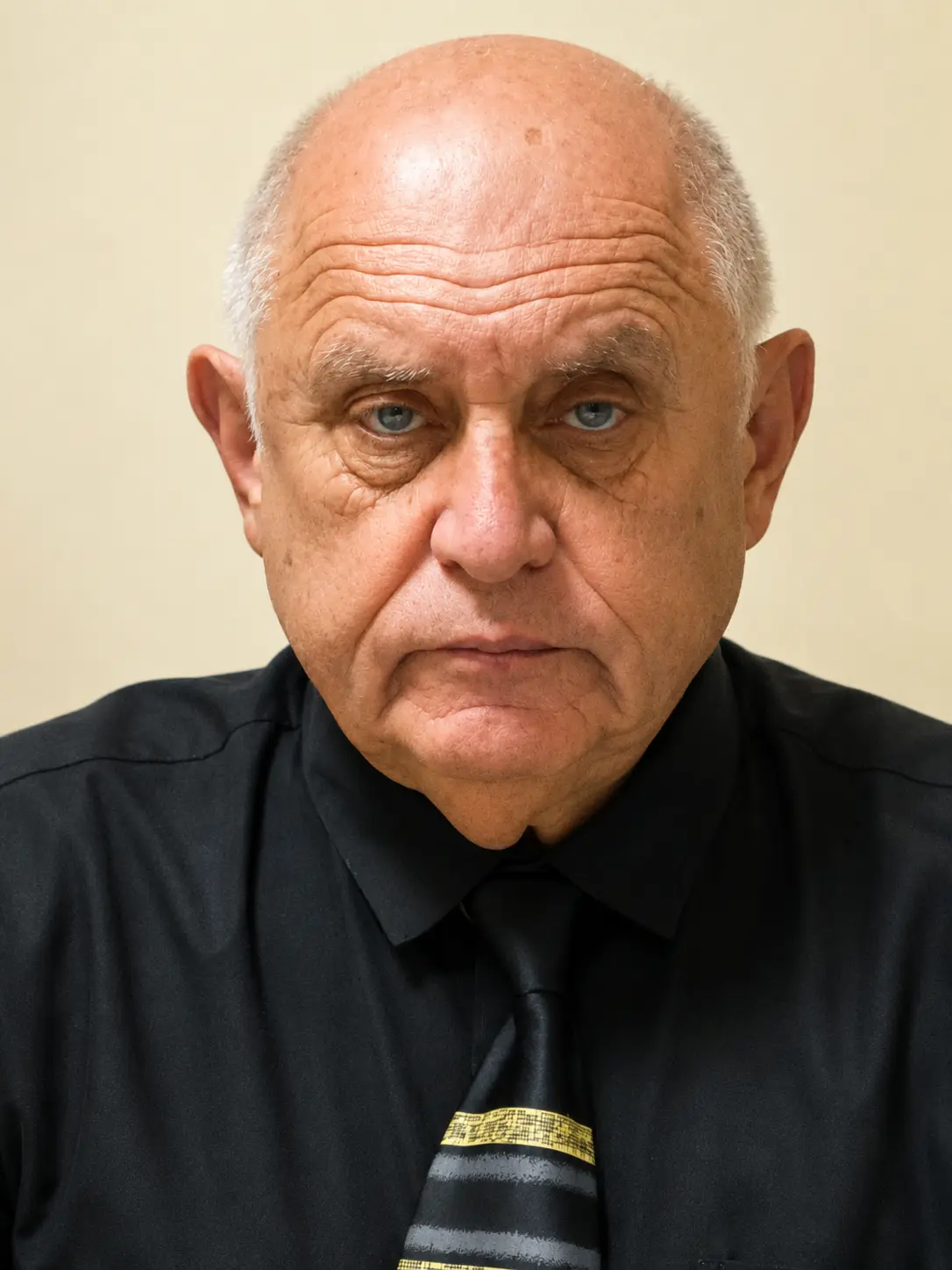
Psychiatrist, addiction physician, senior doctor with 40 years of experience
Dr. Golin assesses what remains after detox: sleep, cravings, mood, cognition, suicidal risk, medication safety, psychiatric symptoms, physical illness and the likelihood of renewed use.
He and the MAAVAR CLINIC medical team are responsible for diagnosis, medical follow-up, psychiatric care and clinical decisions during the transition into rehabilitation.
Trust does not return automatically after detox. Relatives need clear roles, boundaries, warning signs and communication rules.
Sleep, cravings, medication, absences, contact with dealers and rapid mood changes.
Constant checking can increase shame and concealment without improving safety.
Money, old contacts and high-risk routes should be addressed in advance.
Clinical decisions belong to the medical team; relatives support the agreed structure.
The continuation plan should begin before discharge and remain practical enough to hold under stress.
A phone number, room, friend, argument or evening routine can become a doorway back to use. Protected continuation gives new behavior time to become stronger.
Substances may remain available before the person speaks openly about craving.
Returning as “the problem” or “the liar” can reinforce shame and avoidance.

Recovery becomes more stable when sleep, routine, medical follow-up, family roles and access reduction are organized before ordinary pressure returns.
“The withdrawal is over, so the problem is solved.”
Stabilization creates the window for deeper change.
Sleep, food and activity depend on mood.
The day follows a repeatable rhythm and clear responsibilities.
Relatives carry the entire plan through fear.
The clinic, patient and family each have defined roles.
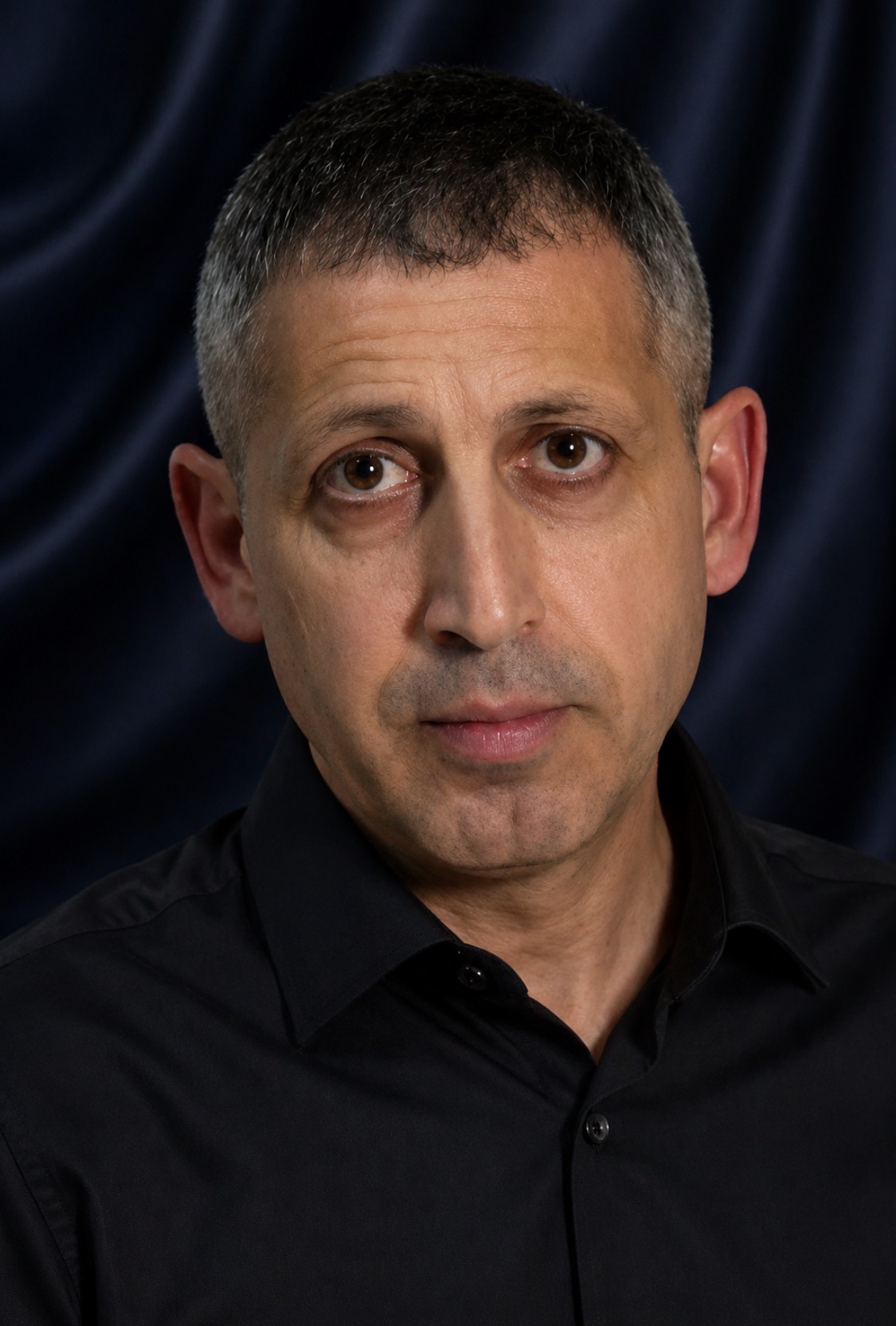
Recovery mentor for sleep, routine, structure and responsibility
After detox, Mikhail helps turn medical stability into a repeatable daily structure. The work includes waking time, meals, movement, practical learning, responsibility and preparation for life after treatment.
He is not a physician and does not diagnose, prescribe medication or make clinical decisions.
This page provides general information and does not replace individual medical assessment or emergency care.
Detox stabilizes the acute withdrawal phase, but it does not automatically change cravings, trigger patterns, family dynamics, access to substances, sleep disruption or daily structure.
A continuation plan should begin before discharge and cover medical follow-up, sleep, routine, trigger mapping, family boundaries, access reduction and structured rehabilitation.
As acute symptoms improve, the person may return to the same stress, contacts, loneliness, conflict and access routes while confidence rises faster than recovery skills.
Recovery after detox is the bridge into rehabilitation. It includes stabilization follow-up and the structured work needed to change behavior, routine, relationships and relapse risk.
Yes. MAAVAR CLINIC is a licensed medical clinic in Kiryat Gat. Dr. Moshe Golin and the medical team provide assessment, psychiatric care and clinical decisions according to individual indications.
The family should support one agreed plan, report warning signs, keep clear boundaries and avoid becoming doctors, interrogators or permanent crisis managers.
Persistent insomnia, nightmares or reversed sleep can increase anxiety and relapse pressure. Sleep should be assessed and rebuilt as part of the medical and rehabilitation plan.
Mikhail supports sleep rhythm, daily routine, practical learning, responsibility and continuation after stabilization. He does not diagnose, prescribe medication or make clinical decisions.
Call Magen David Adom at 101 for seizure, severe confusion, hallucinations, collapse, breathing difficulty, chest pain, suicidal behavior or inability to remain safe.
Write on WhatsApp, call +972 54 757 8876, or email dhvny8@gmail.com. In immediate danger, call 101.
Write briefly: what detox addressed, current symptoms, sleep, cravings, medications, family situation, access risks and the planned living environment.
At MAAVAR CLINIC, medical follow-up is connected directly to routine, responsibility, family clarity and relapse prevention.
Quick reading settings for this page.