Assessment before assumptions
The reported main drug may not explain the current state if pills, alcohol, medications or unknown substances were also used.
Drug detox in Israel at MAAVAR CLINIC: medical assessment, substance-specific stabilization and transfer into residential recovery.
A request for “drug detox” is not enough to define the route. The medical team needs the substance or suspected mixture, route of use, timing, current behavior, breathing and consciousness, previous complications, medicines and physical or psychiatric conditions. The first task is to separate planned admission from a situation that needs emergency care now.
Detox can stabilize an acute condition, but it cannot rebuild an entire day. At MAAVAR CLINIC, Dr. Moshe Golin and the medical team manage the clinical stage according to indications; the planned destination is the private residential villa program, where sleep, routine, honesty, responsibility and relapse prevention become daily practice.
The detox stage has a narrow purpose: identify the acute problem, reduce immediate risk and reach sufficient stability for the next treatment setting. Its endpoint is not “all symptoms are gone.” Its endpoint is a clinically appropriate transition.
The reported main drug may not explain the current state if pills, alcohol, medications or unknown substances were also used.
The medical plan follows clinical findings rather than family pressure for a fast, dramatic stop.
The route should identify where the person goes after the acute stage before discharge creates an unprotected gap.
This page follows the acute detox decision and the handoff afterward. The drug addiction page explains the wider loss-of-control pattern, while drug rehab in Israel covers the broader rehabilitation service route.
A useful intake reconstructs what changed over time. This prevents the family’s loudest fear—or the person’s preferred explanation—from becoming the only clinical information.
Known substances, unknown pills or powders, prescribed medicines, route of use, amount and combinations.
Last use, last normal sleep, first symptoms, repeated dosing, vomiting, falls, blackout or emergency treatment.
Consciousness, breathing, orientation, agitation, pain, hydration, movement, mood and ability to remain safe.
Previous withdrawal, overdose, seizures, psychiatric history, physical illness, pregnancy, allergies and current prescriptions.
A WhatsApp intake and private transport are not substitutes for emergency response. When immediate danger is present, stabilize the emergency first and return to admission planning afterward.
Unresponsiveness, breathing difficulty, blue or grey lips, collapse, seizure, chest pain or immediate danger to self or others requires emergency action.
Do not add alcohol, borrowed medication, sleeping pills, stimulants or another substance in an attempt to “balance” the condition.
An unstable person should not be restrained, argued into a car or driven without professional guidance when emergency danger is present.
Tell responders what may have been used, when the person was last responsive and what changed immediately before the call.
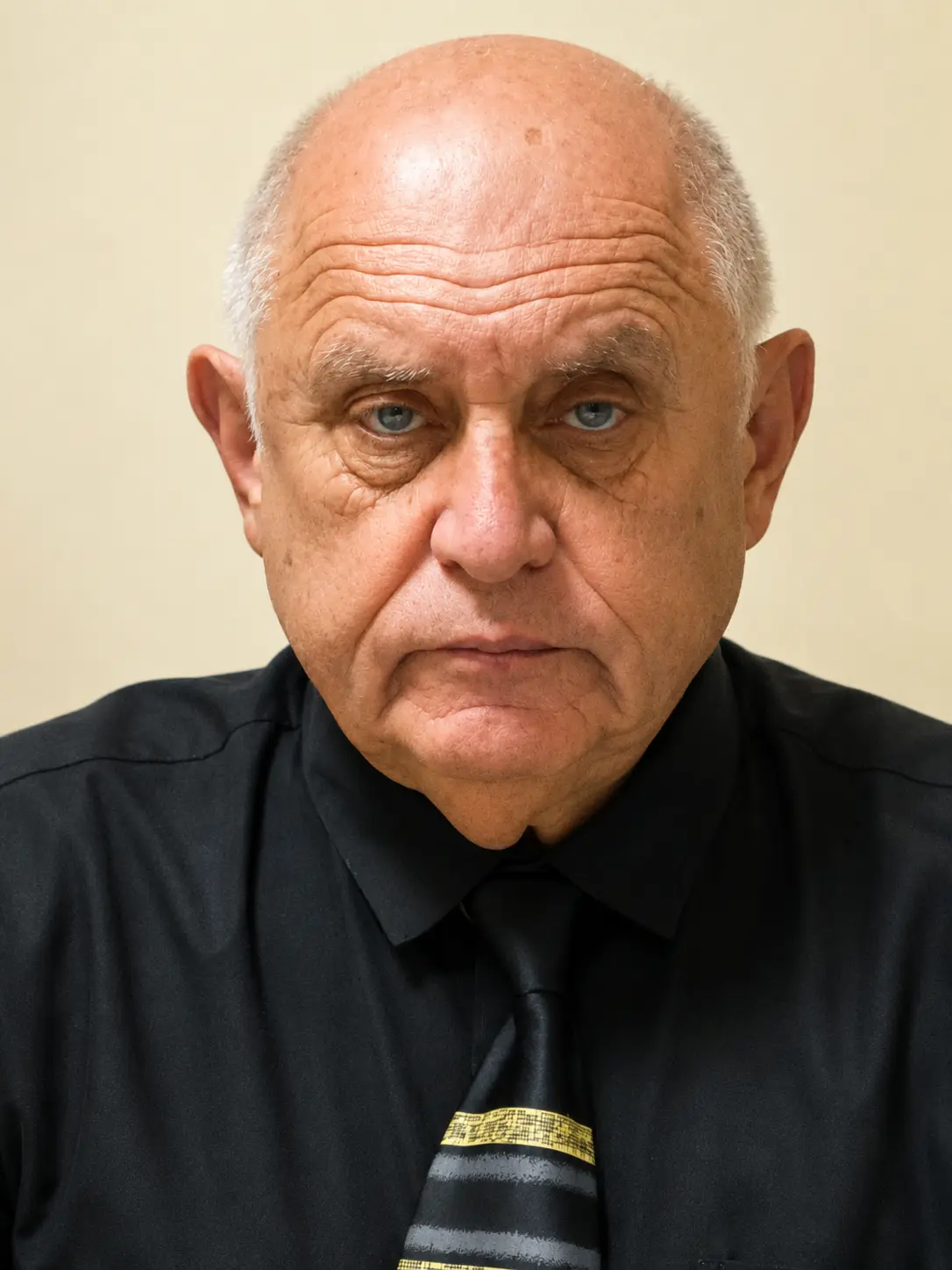
Psychiatrist, addiction physician, senior doctor with 40 years of experience
Dr. Golin reads the detox picture as a clinical sequence: intoxication, last use, emerging withdrawal, sleep loss, mixed substances, overdose history, physical illness, psychiatric symptoms and the person’s present ability to participate safely.
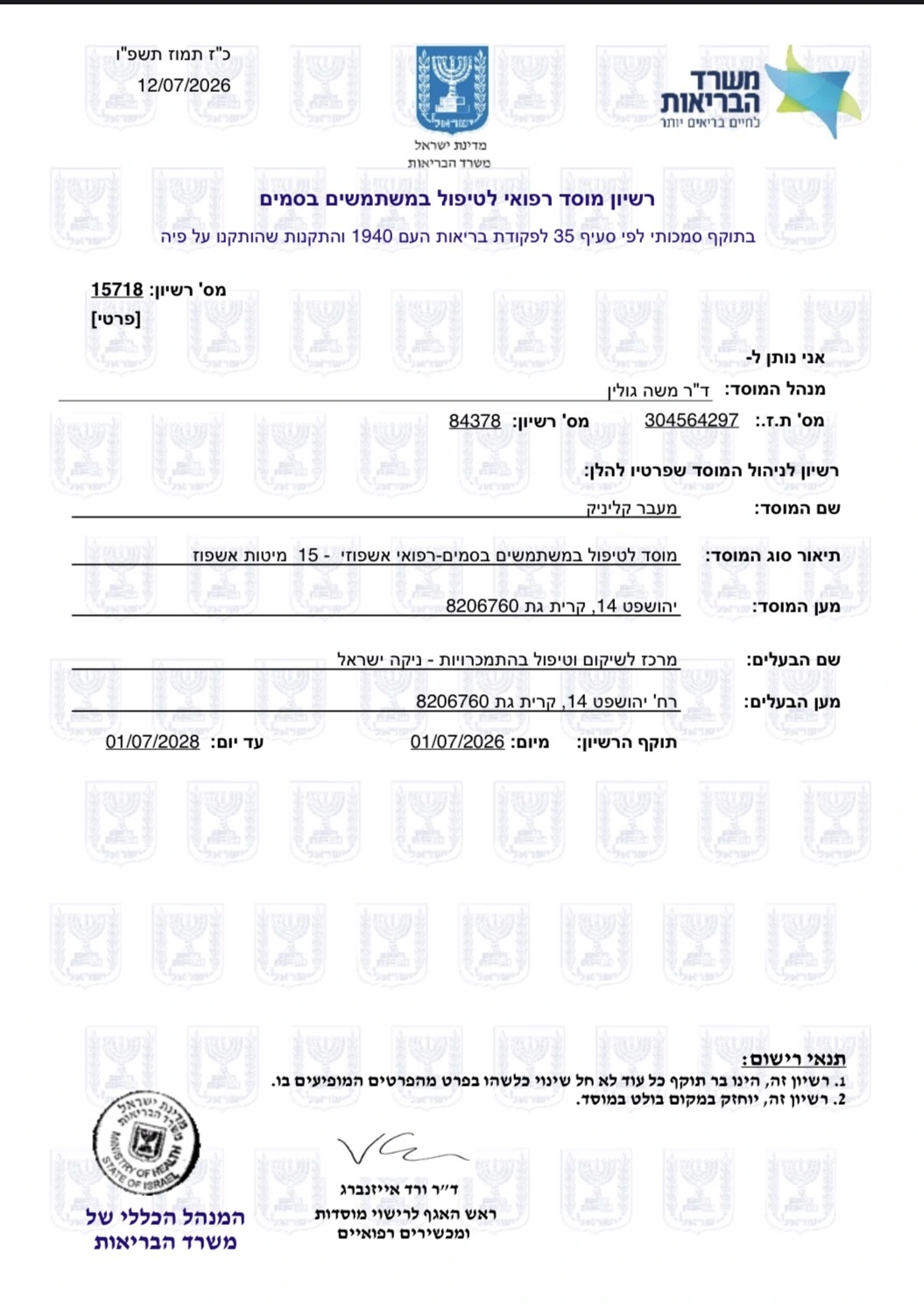
He and the MAAVAR CLINIC medical team are responsible for assessment, diagnosis, detox, stabilization, medication, psychiatric care, addiction medicine and the decision about readiness for the next stage. View the clinic license.
The category does not prescribe an individual plan, but it changes the questions the medical team must answer and the vulnerabilities that the villa team must expect after stabilization.
Assessment must consider current intoxication, withdrawal, pain, previous overdose, reduced tolerance after stopping and whether evidence-based medication options are clinically relevant.
The acute picture may center on exhaustion, sleep deprivation, depression, agitation, paranoia or a crash rather than one predictable physical withdrawal sequence.
Sudden discontinuation can be dangerous after dependence. The exact medication, dose pattern, duration and alcohol or other sedative use must be disclosed.
Counterfeit pills, powders and combinations can make the reported drug name unreliable. Current signs and the full timeline become especially important.
Families do not need to solve the diagnosis. They do need to preserve facts that may disappear when the person becomes tired, defensive, confused or unable to remember.
MAAVAR CLINIC provides the medical detox stage directly according to clinical indications. The content and duration are individualized; a marketing timetable cannot replace examination and response to the person’s condition.
Separate intoxication, withdrawal, sleep-deprivation effects, psychiatric symptoms, physical illness and mixed-substance complications.
Use monitoring, medication, hydration, psychiatric care and other clinical interventions when Dr. Golin and the medical team determine they are indicated.
A calm hour, one night of sleep or a single normal conversation does not by itself define readiness for discharge.
The medical team decides when the acute condition allows safe participation in the residential routine and therapeutic work.
The hours after stabilization should not become a return trip through the same contacts, devices, money, routes and unstructured night. A protected handoff turns discharge into the first organized recovery action.
Detox can change the acute condition. The villa program must change how the person moves through an ordinary day after the medical urgency becomes quieter.
During a drug detox crisis, relatives often try to be the toxicology report, transport team, pharmacy and negotiator at once. Clear stages make the family more useful and less exposed.
Privacy and speed do not justify moving an unresponsive, medically unstable or dangerous person without emergency guidance.
Hidden alcohol, pills, prescriptions or unknown substances can change the clinical picture more than the substance the family expects.
The route should follow the person’s response and clinical indications rather than a promised number of nights.
If the residential place, transfer and first-day expectations are undecided, the person can return to access during the most fragile transition.

The medical stage protects immediate stability. The next protected day teaches the person how to wake, speak, eat, rest, accept limits and continue without returning to the same access route.
What is the current clinical problem and what is required to stabilize it safely?
What daily pattern repeatedly returns the person to use after the crisis settles?
Which symptoms, medicines, monitoring and psychiatric decisions are clinically indicated?
Which routines, conversations, tasks and boundaries must be practiced until they become usable?
When is the person medically ready to leave the acute stage?
How will the person recognize and interrupt the path back to access after discharge?
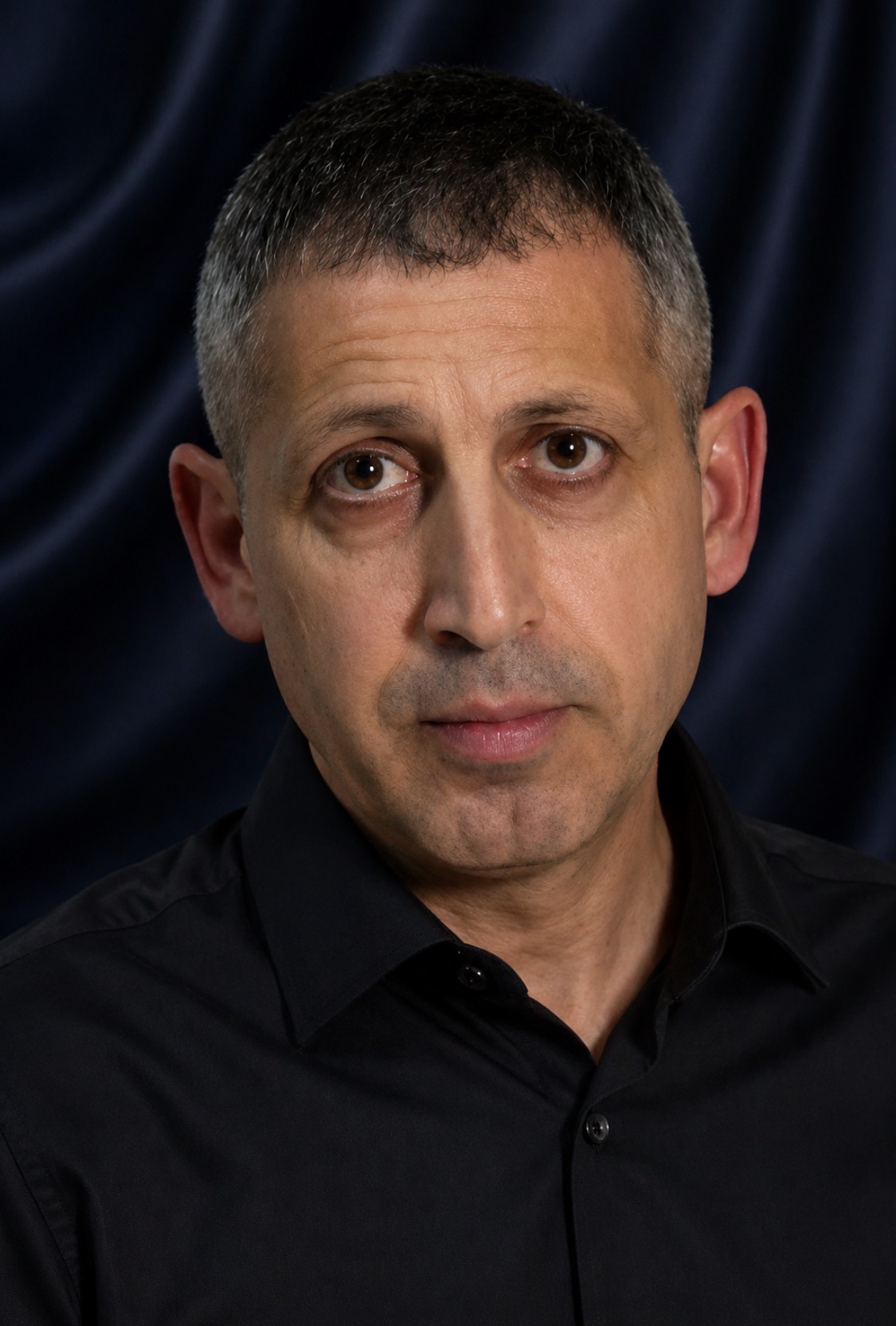
Recovery mentor for sleep, routine, structure and responsibility
After stabilization, the person may feel exhausted, restless, emotionally flat or convinced that one better night means the problem is over. Mikhail helps make the first villa days concrete: wake time, meals, attendance, tasks, rest, communication and completed commitments.
He is not a physician and does not diagnose, prescribe medication, perform detox or make clinical decisions. His role begins inside the rehabilitation structure and supports the practical rhythm that medical stabilization alone cannot create.
These official sources support the distinction between withdrawal management, emergency care, ongoing treatment and rehabilitation. They do not replace individual assessment.
Drug detox is the acute medical stage used to assess and stabilize intoxication, withdrawal or related physical and psychiatric risk. It is not a generic cleanse and it is not the complete treatment of addiction.
This page follows the immediate detox decision: what information the medical team needs, how different substances change the route and how stabilization connects to the residential villa program. The drug addiction page focuses on loss of control, environment, behavior and the family system.
Yes. MAAVAR CLINIC is licensed by the Israeli Ministry of Health to provide addiction treatment and medical detox. Dr. Moshe Golin and the medical team perform assessment, diagnosis, stabilization, medication and psychiatric care according to clinical indications.
Opioids, stimulants, benzodiazepines, sleeping pills, synthetic substances and unknown mixtures affect the body and mind differently. The route depends on what was used, timing, combinations, current symptoms, previous complications and the person’s medical and psychiatric condition.
Provide the known or suspected substances, route of use, amount, last use, combinations, overdose or seizure history, current medicines, medical conditions, sleep, behavior and any recent emergency treatment. Uncertainty should be stated rather than filled with guesses.
Call Magen David Adom at 101 for loss of consciousness, slow or difficult breathing, blue or grey lips, a seizure, collapse, chest pain, dangerous confusion, suicidal behavior, violent danger or inability to remain safe.
Once Dr. Moshe Golin and the medical team determine that the acute condition is stable, the route moves into the protected residential villa program. The focus changes from immediate clinical risk to sleep, routine, honesty, responsibility, therapeutic work and relapse prevention.
The period after the acute symptoms settle can still include craving, exhaustion, poor sleep, impulsivity and easy access to old contacts. A prepared handoff removes the empty gap in which the person could return directly to the same environment.
Mikhail supports sleep rhythm, daily routine, structure, practical responsibility and continuation after the medical stage. He is not a physician and does not diagnose, prescribe medication, perform detox or make clinical decisions.
Write on WhatsApp, call +972 54 757 8876, or email dhvny8@gmail.com. Include the substances, last use, current symptoms and whether the person is safe now. Immediate danger takes priority over planned admission; in Israel, call 101.
Write briefly: known or suspected substances, route, last use, current consciousness and breathing, sleep, behavior, overdose or seizure history, medicines and medical or psychiatric conditions.
MAAVAR CLINIC can assess the clinical detox stage and prepare the protected handoff into the private residential villa program in Kiryat Gat.
Display settings are saved in this browser.