Clinical stability
Identify intoxication, withdrawal, medical illness, psychiatric symptoms and medication risk before expecting therapeutic participation.
Drug rehab in Israel with medical assessment, stabilization and structured rehabilitation at MAAVAR CLINIC.
Drug addiction rarely remains a single event or a single substance. It becomes a repeating system of craving, access, fast relief, sleep disruption, psychiatric distress, family conflict, debt, promises and return to use.
At MAAVAR CLINIC in Kiryat Gat, the route starts with medical and psychiatric assessment. Stabilization or detox is provided when clinically indicated. The main rehabilitation program then works on thinking, behavior, routine, responsibility, motivation, family relationships, triggers and relapse prevention.
A few drug-free days may reduce immediate chaos. Rehabilitation addresses why use restarts and what must change for recovery to continue.
Identify intoxication, withdrawal, medical illness, psychiatric symptoms and medication risk before expecting therapeutic participation.
Map triggers, automatic thoughts, avoidance, craving, access routes and the decisions that move the person toward use.
Build sleep, meals, responsibility, therapeutic work, family boundaries and a realistic plan for life after treatment.
Different substances produce different clinical pictures. The route cannot be chosen safely from the word “drugs” alone.
Breathing suppression, overdose, tolerance, withdrawal, pain and medication-assisted treatment require clinical evaluation.
Cocaine, amphetamines and synthetic stimulants may involve sleeplessness, paranoia, agitation, depression and cardiovascular risk.
Benzodiazepines and sleeping pills can produce dangerous withdrawal, confusion and seizure risk, especially with alcohol.
Combining depressants and stimulants can hide symptoms, increase overdose risk and complicate stabilization.
Slow, shallow or irregular breathing, blue lips, pinpoint pupils, inability to wake or collapse require emergency action.
Hallucinations, severe paranoia, suicidal intent, violent agitation or inability to remain safe require urgent assessment.
Seizures, severe confusion, disorientation or fluctuating consciousness are not problems for home management.
Chest pain, severe dehydration, overheating, repeated vomiting or serious injury require emergency medical care.
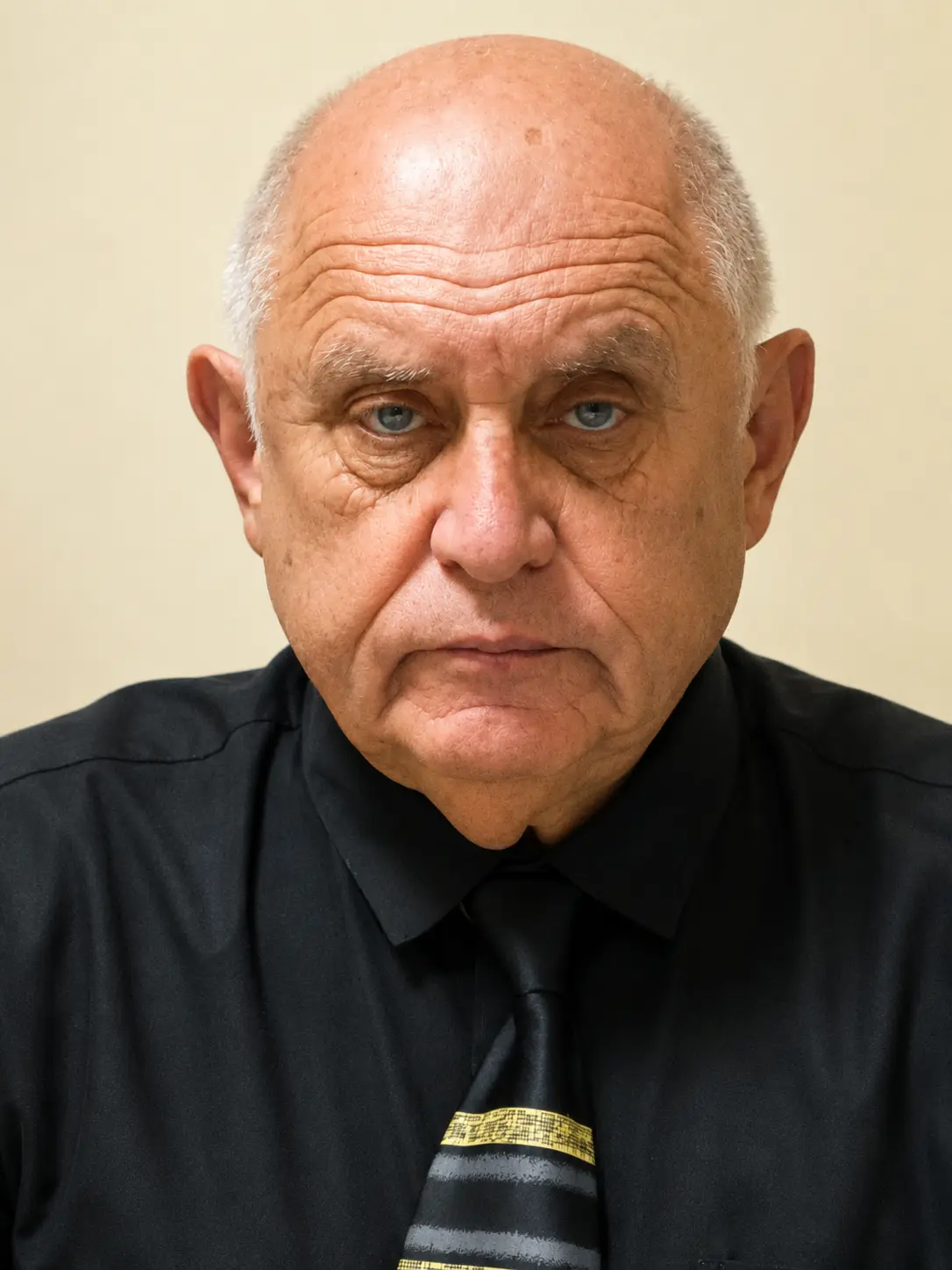
Psychiatrist, addiction physician, senior doctor with 40 years of experience
Dr. Golin evaluates drug-use patterns, intoxication and withdrawal risk, psychiatric symptoms, medications, physical illness, previous treatment and the level of care required.
He and the MAAVAR CLINIC medical team are responsible for diagnosis, stabilization, detox, medication decisions, psychiatric care, addiction medicine and clinical transition into rehabilitation.
The stages overlap and are adjusted to the person. Clinical decisions remain with the medical team.
Share substances, sleep, money, violence, missing medication, overdose events and previous treatment honestly.
Paying debts, covering consequences or supplying money may reduce conflict while preserving access to use.
Do not hide psychosis, suicide risk, overdose signs or violence in the name of privacy.
Recovery becomes stronger when the family follows one clinical and therapeutic route instead of changing demands daily.

Progress is not only the absence of a drug. It is the return of sleep, honest reporting, responsibility, emotional regulation, family boundaries and a plan that remains usable when craving or stress returns.
Act only after intoxication, debt or collapse.
Identify triggers and intervene before the cycle reaches use.
The family checks every phone, payment and movement.
The person practices honest choices and follows agreed structure.
Discharge is treated as proof that the problem is solved.
Stabilization opens the rehabilitation process.

Family recovery coordinator for crisis, boundaries and adaptation
Karin helps families move from panic, accusation and inconsistent rescue attempts toward clear communication, stable boundaries and realistic support during rehabilitation.
She is not a physician and does not diagnose, prescribe medication, conduct detox or make clinical decisions.
General information does not replace individual assessment or emergency care.
Drug rehab combines medical and psychiatric assessment, stabilization when clinically indicated, and a structured rehabilitation program addressing drug use, cravings, behavior, sleep, routine, family relationships, responsibility and relapse prevention.
No. Detox or medical stabilization addresses acute intoxication, withdrawal and immediate clinical risk. Rehabilitation is the longer process of changing the patterns, environment and behavior that repeatedly lead back to drug use.
Yes. MAAVAR CLINIC is a licensed medical structure in Kiryat Gat. Dr. Moshe Golin and the medical team perform assessment, diagnosis, stabilization, medication decisions, psychiatric care and addiction medicine according to clinical indications.
Call Magen David Adom at 101 for suspected overdose, slow or difficult breathing, blue lips, seizure, collapse, severe confusion, hallucinations, chest pain, suicidal behavior, dangerous aggression or inability to remain safe.
That depends on the substance pattern and current condition. Some people are medically stable enough to begin rehabilitation directly, while others require detoxification or stabilization first. The decision follows clinical assessment.
The medical team needs a complete account of opioids, stimulants, benzodiazepines, alcohol, cannabis, prescription medicines and unknown pills. Mixed use can change overdose, withdrawal, psychiatric and medication risk.
The rehabilitation stage restores sleep and routine, maps triggers, develops emotional and behavioral alternatives, strengthens responsibility, works with the family and prepares a realistic relapse-prevention and continuation plan.
Karin supports family communication, crisis boundaries, adaptation and the transition from panic-driven reactions to a consistent family position. She is not a physician and does not diagnose, prescribe medication or make clinical decisions.
There is no single duration that fits every person. The route depends on the substances involved, physical and psychiatric stability, relapse history, motivation, family system and progress. Treatment length is determined individually rather than promised in advance.
MAAVAR CLINIC handles contact and treatment information discreetly within clinical, legal and safety requirements. Confidentiality does not override emergency action when there is an immediate risk to life or safety.
Describe the substances used, frequency, last use, withdrawal or overdose signs, sleep, psychiatric symptoms, medications, previous treatment, violence or suicide risk and the family’s immediate concern.
Write on WhatsApp, call +972 54 757 8876, or email dhvny8@gmail.com. In an immediate emergency in Israel, call 101 first.
Send a concise account of the substances, last use, immediate symptoms, sleep, psychiatric state, medications, previous detox or rehabilitation and current family risk.