Acceleration
Energy, confidence and urgency rise. Decisions become faster, riskier and less connected to consequences.
Cocaine addiction treatment in Israel: acute risk, medical stabilization, residential rehabilitation, family boundaries and relapse prevention.
Families often seek help after months of nights without sleep, missing money, rapid mood changes, closed phones, panic, suspicion and promises that sound sincere but do not survive the next trigger. Cocaine addiction is not only repeated use; it is a system that reorganizes decisions, relationships and the entire rhythm of the household.
MAAVAR CLINIC in Kiryat Gat connects medical and psychiatric assessment directly to residential rehabilitation. Acute stabilization is only the zero stage. The core treatment begins when the person learns to rebuild thinking, behavior, routine, responsibility, family trust and a plan for preventing return to cocaine.
The person may not use every day, yet life becomes organized around episodes, recovery from episodes and the conditions that lead to the next one.
Energy, confidence and urgency rise. Decisions become faster, riskier and less connected to consequences.
Sleep, meals, family contact and ordinary obligations lose priority while access and secrecy become central.
Exhaustion, anxiety, irritability, shame and low mood appear when stimulation ends.
Another dose, alcohol, sedatives or a new promise may be used to escape the crash without changing the underlying loop.
Route of use, sleep deprivation, adulterants, alcohol, opioids, benzodiazepines, heart history and psychiatric symptoms can change urgency.
Chest pain, severe headache, irregular heartbeat, collapse or neurological change require urgent assessment.
Paranoia, hallucinations, dangerous suspicion or inability to remain safe can escalate quickly.
Alcohol, opioids, sleeping pills or unknown powders can change overdose and withdrawal risk.
Profound hopelessness, impulsivity or self-harm thoughts after use require immediate professional response.
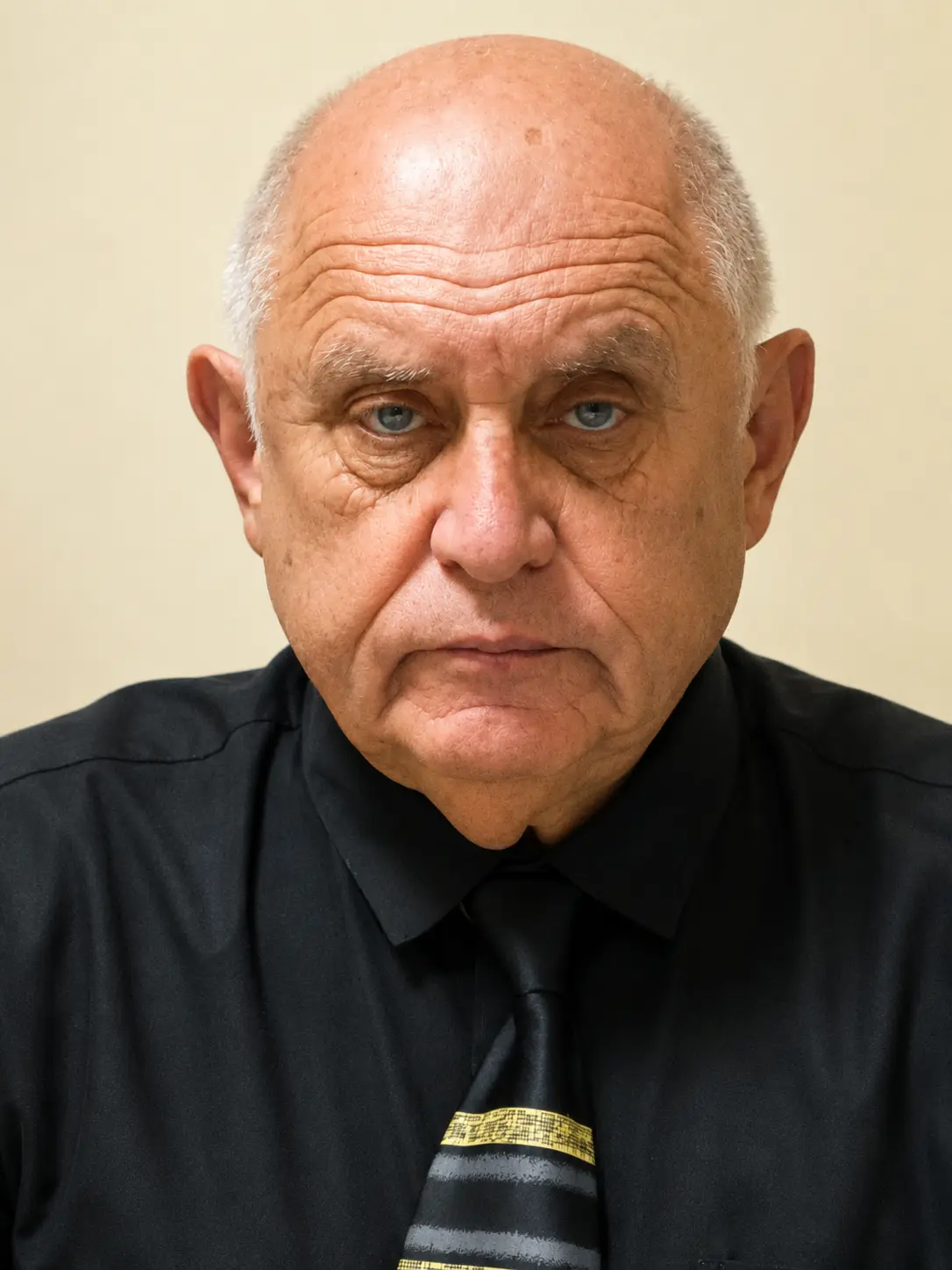
Psychiatrist, addiction physician, senior doctor with 40 years of experience
Dr. Golin evaluates cocaine or crack use, route and frequency, sleeplessness, chest symptoms, agitation, panic, hallucinations, suicidal risk, alcohol, sedatives, opioids, previous treatment and physical illness.
He and the MAAVAR CLINIC medical team are responsible for diagnosis, psychiatric and addiction assessment, stabilization, medication decisions, hospitalization decisions and safe transition into rehabilitation.
A useful assessment includes what happened before, during and after use, including details the family may have normalized.
The immediate goal is not to produce a dramatic promise. It is to restore enough safety, sleep, nutrition and mental clarity for reliable clinical and rehabilitation work.
Evaluate acute complications and determine whether observation, medication or hospital care is indicated.
Restore a predictable sleep-wake rhythm and monitor confusion, agitation, depression or psychosis.
Rebuild regular meals, fluids and basic physical care after chaotic use.
Move directly from acute stabilization into structured rehabilitation rather than returning to the same environment.
Residential treatment creates distance from access while developing new responses to stress, shame, craving, boredom and social pressure.
Cocaine use is often protected by fast explanations: “I can control it,” “it was only one night,” “I need energy,” or “the family is overreacting.” Treatment slows the decision down.
The person learns to pause, report risk and follow a plan instead of acting on the first intense impulse.
The goal is not humiliation. It is honest recognition of consequences and repeated corrective action.
Early disclosure to the treatment team interrupts secrecy before craving becomes access.
Recovery is measured by behavior over time, not by how convincing a promise sounds after a crash.
Relatives can support recovery, but they cannot become the doctor, bank, detective and security system.
Share sleep loss, chest symptoms, psychosis, money, substances and safety concerns without minimizing.
Debt rescue, cash access and repeated concealment can protect use from consequences.
Use calm, short communication and seek urgent help when reality testing or safety is impaired.
Medication, leave, contact and discharge decisions should follow the agreed clinical and rehabilitation structure.

Recovery becomes visible when the person reports risk before acting, keeps a daily structure, accepts limits, tolerates discomfort and uses support early. Those repeated actions create a life that is harder for cocaine to reorganize.
Focus only on the last binge and wait for another promise.
Address triggers, access, sleep, money, secrecy and the crash that follows use.
Act only when the situation becomes visibly dangerous.
Connect stabilization directly to residential rehabilitation and continuing support.
Relatives cover debt, conceal consequences and carry the plan.
The team handles clinical care; the person and family follow clear roles and boundaries.

Family support for crisis boundaries, adaptation, communication and return to life
Cocaine crises can pull the family into surveillance, arguments, debt rescue and secrecy. Karin helps relatives replace reactive roles with a clear line: what to report, what not to finance, how to communicate and when safety overrides privacy.
She is not a physician and does not diagnose, prescribe medication, conduct detox or make clinical decisions. Her work supports the family’s adaptation to the rehabilitation process and the person’s return to responsible daily life.
This page provides general information and does not replace individual medical assessment, emergency care or a personalized treatment plan.
Treatment begins with medical and psychiatric assessment of cocaine or crack use, sleep loss, chest symptoms, panic, psychosis, mixed substances and immediate safety. When clinically indicated, the medical team provides stabilization. Rehabilitation then addresses thinking, behavior, routine, responsibility, family boundaries, triggers and relapse prevention.
Call Magen David Adom at 101 for chest pain, breathing difficulty, seizure, collapse, severe confusion, hallucinations, dangerous aggression, suicidal behavior or inability to remain safe. Confidentiality must never delay emergency care.
Yes. MAAVAR CLINIC is a licensed medical addiction-treatment structure in Kiryat Gat. Dr. Moshe Golin and the medical team perform assessment, diagnosis, stabilization, medication decisions, psychiatric care, addiction medicine and hospitalization decisions according to clinical indications.
No. Medical stabilization is the zero stage of rehabilitation. It can reduce acute risk and restore basic sleep and orientation, but it does not by itself change the cocaine cycle, access to triggers, debt behavior, family roles or relapse risk.
The promise may be sincere, but the old loop can remain intact: contacts, access, stress, shame, alcohol, debt, nightlife, sleep disruption and the expectation of rapid relief. Rehabilitation works on the loop rather than relying on intention alone.
Dr. Moshe Golin evaluates whether symptoms are related to intoxication, withdrawal, sleep deprivation, an underlying psychiatric condition or mixed use. Clinical decisions are medical. Severe psychosis, aggression or inability to remain safe requires urgent care.
The family provides accurate information, stops financing or hiding the pattern, follows one clinical plan and learns clear boundaries. Relatives should not argue with psychosis, improvise medication or carry the entire recovery process alone.
The residential rehabilitation program focuses on sleep, routine, emotional regulation, responsibility, trigger mapping, 12-step work, family communication, relapse prevention and preparation for a sustainable return to life.
Karin supports family communication, crisis boundaries, adaptation and the return to everyday life. She is not a physician and does not diagnose, prescribe medication, conduct detox or make clinical decisions.
Write on WhatsApp, call +972 54 757 8876, or email dhvny8@gmail.com. For immediate danger, call 101.
Write the essential facts: last use, powder or crack, sleep, chest symptoms, panic, hallucinations, aggression, alcohol, pills, debt and immediate safety.
MAAVAR CLINIC connects medical assessment and stabilization directly to residential rehabilitation, family boundaries and relapse prevention.
Quick reading settings for this page.