Paranoia
The person may believe they are being watched, recorded, poisoned, followed or targeted.
Stimulant-induced psychosis in Israel: emergency signs, medical assessment, stabilization and rehabilitation.
After cocaine, methamphetamine, amphetamine, mephedrone or other stimulants, a person may perceive danger where the family sees none. Severe sleep loss can intensify suspicion, impulsivity and the loss of reality testing.
The family needs a sequence rather than an argument: immediate safety, medical urgency, psychiatric assessment, facts about substances and sleep, and a structured treatment route after stabilization.
One symptom alone does not prove psychosis, but the combination of stimulant use, sleeplessness, paranoia, hallucinations, aggression and a break with reality requires rapid professional assessment.
The person may believe they are being watched, recorded, poisoned, followed or targeted.
They may hear voices, see shadows or people, or feel insects or movement on the skin.
Several days without sleep can sharply increase confusion, irritability and unsafe behavior.
Threats, breaking objects, defensive behavior or attempts to escape an imagined danger.
Phone checking, blocking relatives, disappearing and sudden changes in contacts.
Ordinary explanations do not land and suspicion becomes stronger despite clear facts.
Threats, weapons, suicidal statements, assault, dangerous driving or attempts to run into unsafe places.
Voices, visions, persecutory delusions, severe confusion or inability to calm down.
Chest pain, shortness of breath, seizures, fainting, overheating or sudden weakness.
Stimulants together with alcohol, benzodiazepines, opioids, unknown pills or powders.
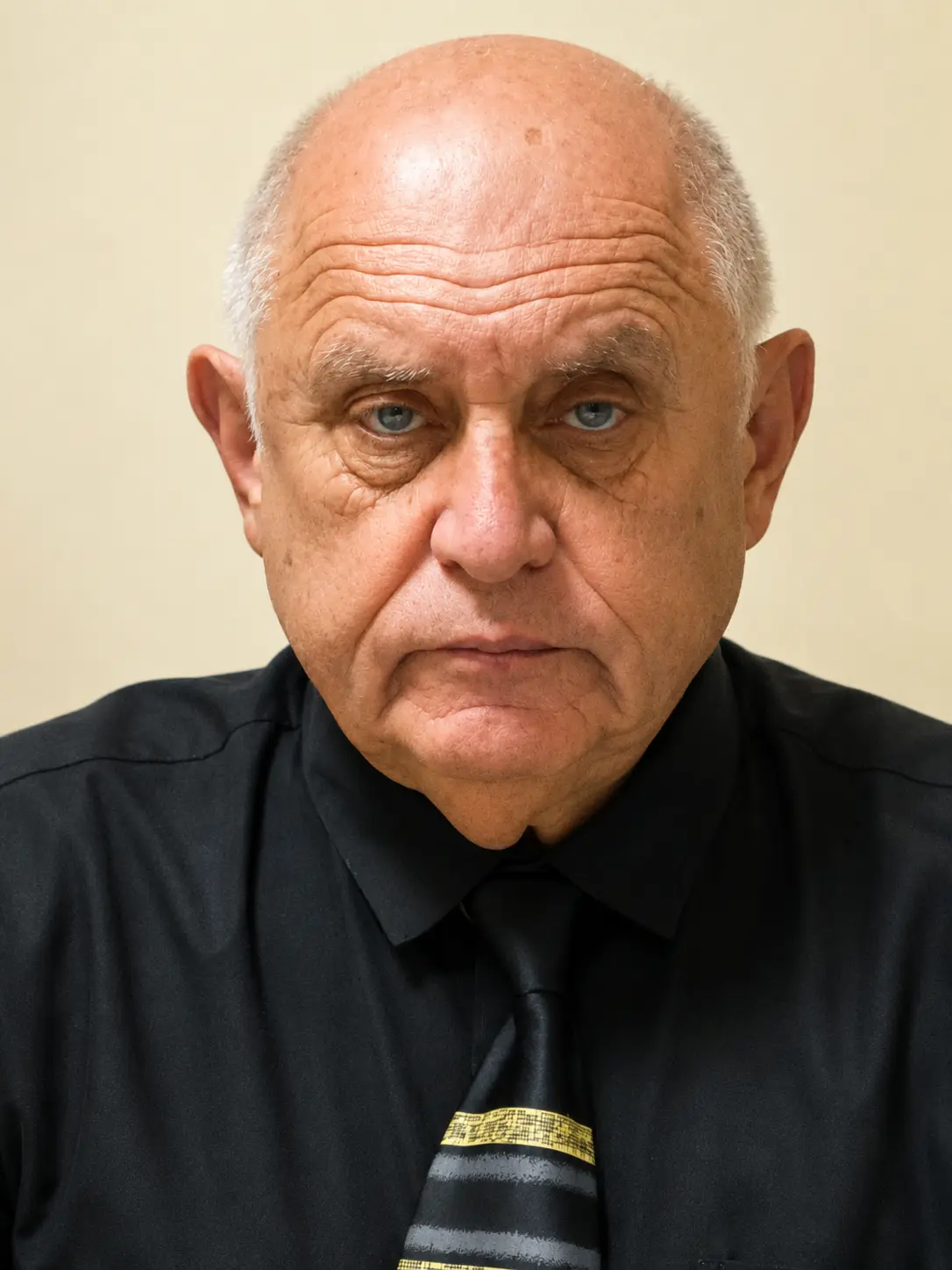
Psychiatrist, addiction physician, senior doctor with 40 years of experience
Dr. Golin evaluates psychosis signs, stimulant exposure, sleep loss, mixed substance use, withdrawal risk, physical danger and the person's current ability to remain safe.
He and the MAAVAR CLINIC medical team are responsible for diagnosis, medical stabilization, medication decisions, psychiatric care and the transition into rehabilitation.
Medical stabilization creates a window. Rehabilitation uses that window to reduce recurrence risk and build a more stable daily structure.
High arousal and wakefulness may be present while reality testing remains largely preserved.
Paranoia, hallucinations or delusions indicate a break with reality requiring assessment.
Sleep may reduce intensity and help orientation return.
Sleep alone does not rule out ongoing psychosis, physical danger or mixed substance risk.
Relatives try to prove the belief is false and may escalate fear.
The family reduces stimulation, keeps distance and seeks appropriate help.

Sleep alone is not the finish line. The next stage must address stimulant access, triggers, family reactions, shame, debt, environment and the risk of another episode.
Recovery becomes more stable when medical stabilization is connected to structured rehabilitation.
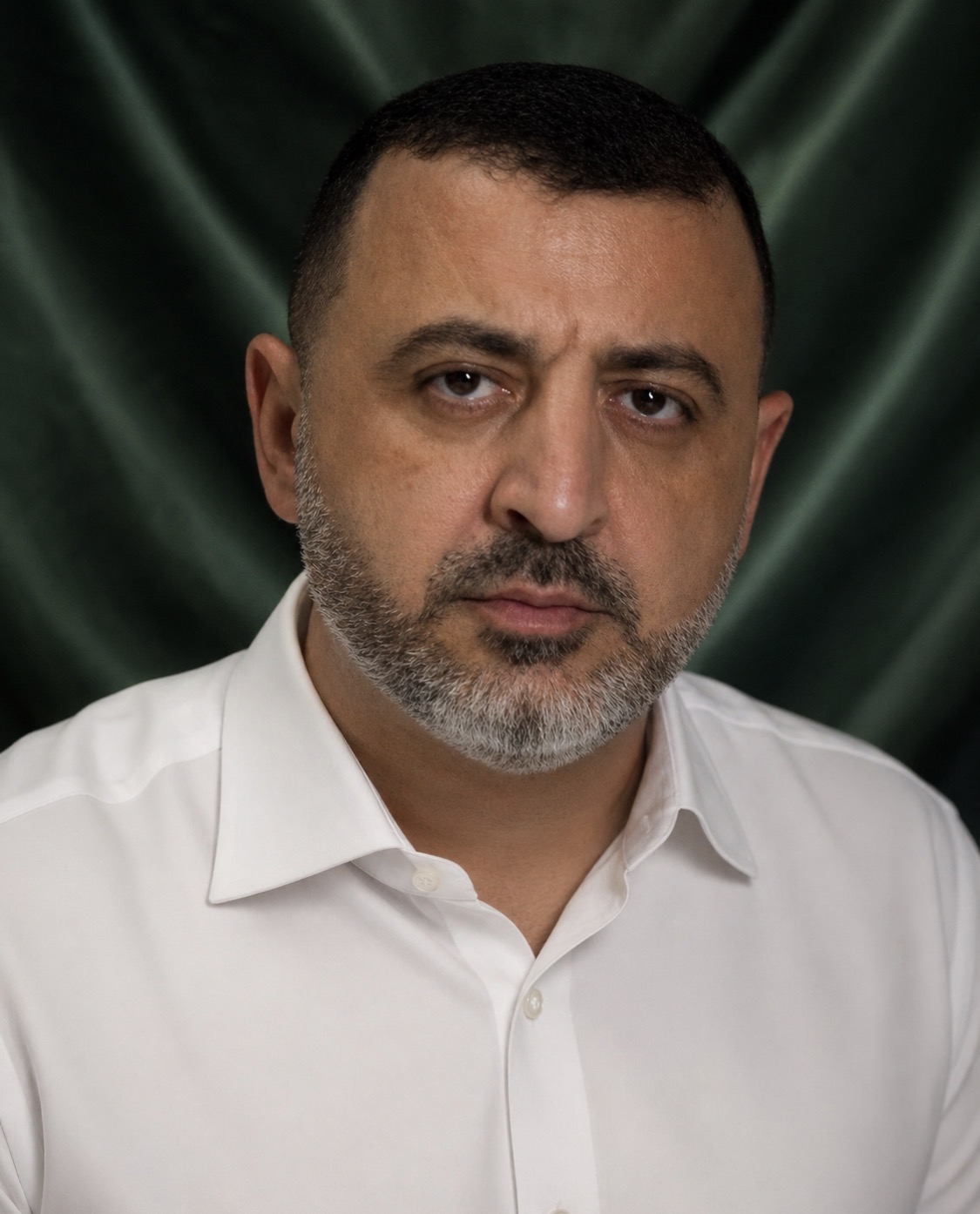
Recovery mentor and family-support coordinator
After the acute medical stage, Ramiz helps turn a chaotic day into a practical routine. His work focuses on sleep rhythm, daily structure, communication, responsibility and helping the family stop repeating the same conflict.
Ramiz is not a physician. He does not diagnose, prescribe medication or make clinical decisions.
Proof and shouting may increase suspicion instead of restoring reality.
Surveillance and interrogation may intensify the feeling of being persecuted.
Fear of reputation must not delay help for psychosis, seizures, chest pain or suicidal behavior.
Sleep may reduce intensity but does not resolve addiction, access, triggers or family instability.
Information can be limited to the people needed for safety and treatment. Privacy must never delay emergency care.
Only essential relatives and professionals should receive sensitive details.
One person coordinates facts, messages and decisions to reduce chaos.
Arrival, contact, documentation and family communication are organized discreetly.
Threats, seizures, collapse or suicidal behavior require immediate help regardless of status.
This page provides general information and does not replace individual medical assessment, emergency care or psychiatric diagnosis.
It is a psychotic state associated with stimulant use, severe sleeplessness or withdrawal, with paranoia, hallucinations, delusions, confusion or dangerous behavior.
Cocaine, crack, methamphetamine, amphetamine, mephedrone, alpha-PVP and other synthetic stimulants may be involved, especially with prolonged wakefulness or mixed substance use.
Call 101 for danger to self or others, seizures, chest pain, collapse, overheating, severe confusion, hallucinations, suicidal behavior or inability to remain safe.
No. Arguing, cornering or trying to prove the person wrong can escalate fear and aggression. Keep distance, reduce stimulation and seek professional help.
Sleep may reduce intensity but does not replace medical assessment, especially when psychosis, mixed substance use or physical danger signs are present.
Yes. Dr. Moshe Golin and the medical team assess psychiatric state, withdrawal risk, medication use, physical risk and the need for stabilization.
The next stage includes sleep restoration, daily structure, trigger mapping, family boundaries, relapse prevention and rehabilitation.
Ramiz supports daily routine, family communication, responsibility and practical continuation after the acute medical stage. He does not make clinical decisions.
Yes. Information is handled discreetly, but confidentiality must never delay emergency medical help when there is immediate danger.
Write on WhatsApp, call +972 54 757 8876, or email dhvny8@gmail.com.
Write the suspected substance, last use, sleep duration, hallucinations, threats, chest pain, seizures, overheating and mixed substances.
At MAAVAR CLINIC, medical assessment and stabilization are connected directly to sleep restoration, routine, family clarity and relapse prevention.
Quick reading settings for this page.