Delusions
The person may be certain that relatives, neighbors, cameras or phones are part of a threat.
Bath salts psychosis in Israel: synthetic cathinones, severe insomnia, paranoia, hallucinations, emergency assessment, stabilization and rehabilitation.
The crisis often starts before anyone knows what the substance was. A person may stay awake for several nights, become convinced that relatives are watching or betraying them, hear voices, hide objects, disappear, return frightened or react aggressively to ordinary questions.
MAAVAR CLINIC in Kiryat Gat treats the situation as both a medical and rehabilitation problem. The first task is safety, psychiatric and addiction assessment, and stabilization when indicated. The next task is to prevent a return to the same phone, contacts, thinking patterns and family chaos.
The family may see delusions, hallucinations, severe suspicion, disorganized thinking or behavior that no longer follows ordinary consequences.
The person may be certain that relatives, neighbors, cameras or phones are part of a threat.
Voices, shadows, sensations or perceived signals can feel completely real.
Speech, movement and decisions may become difficult to follow or abruptly change.
The person may run, drive, confront others, damage property or refuse urgently needed care.
Synthetic cathinone crises do not always begin with obvious hallucinations. A repeatable chain may appear first.
Do not delay emergency care to protect reputation or privacy.
Chest pain, collapse, severe shortness of breath or a markedly abnormal heartbeat require urgent care.
Seizure, severe confusion, inability to recognize people or loss of consciousness are emergency signs.
Very high temperature, intense agitation, heavy sweating or physical collapse can signal a life-threatening stimulant emergency.
Suicidal behavior, weapons, dangerous driving, violent aggression or inability to remain safe require emergency response.
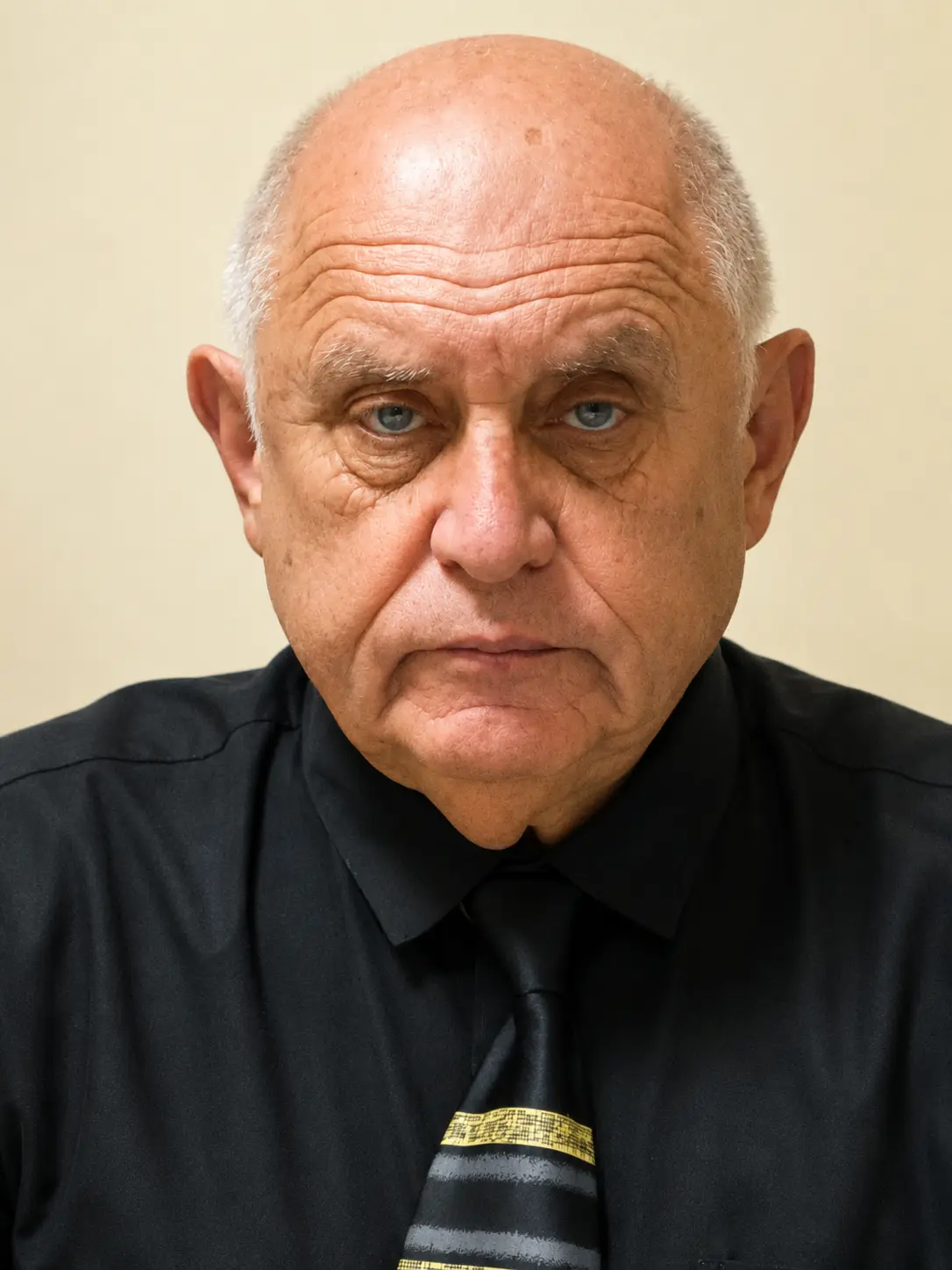
Psychiatrist, addiction physician, senior doctor with 40 years of experience
In synthetic cathinone psychosis, Dr. Golin evaluates contact with reality, agitation, sleep loss, cardiovascular symptoms, temperature, hydration, suicidal risk, violent risk, mixed substances and previous psychiatric history.
He and the MAAVAR CLINIC medical team are responsible for diagnosis, stabilization, medication decisions, psychiatric care, addiction medicine and the clinical transition into rehabilitation.
A street label does not prove the contents, dose or combination.
Mephedrone, alpha-PVP, amphetamine, methamphetamine or cocaine may overlap in the reported history.
Alcohol, benzodiazepines, pregabalin or sleeping pills can alter consciousness and respiratory risk.
Opioids change emergency priorities because reduced breathing and loss of consciousness may appear.
Prescribed medication, previous psychosis, bipolar disorder, trauma or severe anxiety can change interpretation and treatment.
The acute goal is not to force insight. It is to reduce danger and restore enough stability for the person to participate in treatment.
Once the acute state improves, the person may still minimize use, chase stimulation, avoid responsibility or reconnect to the same triggers.
Relatives often become investigators, guards, negotiators and rescuers at the same time.
One calm message is safer than several relatives speaking at once.
Acknowledge fear without confirming the paranoid belief or trying to defeat it through argument.
Money, transport, access to children and entry to the home may require clear limits.
The family should not mix old prescriptions, online advice and competing instructions.

Exhaustion can temporarily reduce agitation, but it does not remove access, denial, fear, contacts or the learned search for stimulation. Recovery begins when medical stability is protected by routine, responsibility, treatment and family boundaries.
The family debates whether it was flakka, alpha or another powder.
The team focuses on reality testing, vital risk, sleep loss and mixed use.
Relatives hope that sleep alone will end the danger and the addiction cycle.
Medical and psychiatric decisions are made according to the actual risk.
The same phone, contacts and expectations are restored after the acute phase.
Routine, boundaries, thinking, responsibility and relapse prevention come first.

Family support, crisis boundaries and adaptation
After a psychotic crisis, the family may swing between fear, anger, overprotection and immediate trust. Karin helps relatives replace that emotional pendulum with clear communication and realistic boundaries.
She is not a physician and does not diagnose, prescribe medication, conduct detox or make clinical decisions. Her role is family support and adaptation around the rehabilitation plan.
These sources provide general public and clinical context. They do not replace individual assessment or emergency care.
Bath salts psychosis is a loss of reliable contact with reality after synthetic cathinone or other stimulant use. It may include paranoia, hallucinations, severe insomnia, confusion, agitation, fear or dangerous impulsivity.
Call Magen David Adom at 101 for chest pain, seizure, collapse, very high body temperature, severe confusion, hallucinations, suicidal behavior, dangerous aggression or inability to remain safe.
They are street or market labels that may refer to different synthetic cathinones or mixtures. Because the actual contents can be uncertain, medical decisions should be based on symptoms, vital risk, sleep loss and reported mixed use rather than the label alone.
Several nights without restorative sleep can sharply worsen suspicion, emotional control, judgment and hallucinations. Sleep loss does not explain every symptom, but it is an important risk marker during stimulant crises.
Yes. MAAVAR CLINIC is a licensed medical addiction treatment structure in Kiryat Gat. Dr. Moshe Golin and the medical team perform assessment, diagnosis, stabilization, medication decisions, psychiatric care and addiction medicine according to clinical indications.
The team evaluates consciousness, behavior, sleep, cardiovascular symptoms, temperature, hydration, psychosis, suicide risk, other substances and relevant medical history. Stabilization and medication decisions are individualized.
Detox and stabilization address the acute medical stage. Rehabilitation then works on thinking, behavior, routine, responsibility, motivation, family boundaries, triggers, the 12-step framework and relapse prevention.
Use short calm sentences, avoid humiliating confrontation, do not crowd the person, remove immediate hazards when safe and seek professional or emergency help when risk is rising. The family should not try to win a debate about the delusion.
Karin supports family communication, crisis boundaries, adaptation and continuation after stabilization. She is not a physician and does not diagnose, prescribe medication, conduct detox or make clinical decisions.
Write on WhatsApp, call +972 54 757 8876, or email dhvny8@gmail.com. Immediate danger takes priority over privacy; call 101 in an emergency.
Send the concrete facts: street names mentioned, last known use, nights without sleep, hallucinations, suspicious beliefs, temperature, chest symptoms, aggression, suicidal statements and all other substances or medications.
MAAVAR CLINIC connects medical assessment and stabilization directly to structured rehabilitation, family boundaries, responsibility and relapse prevention.
Quick reading settings for this page.