Bath salts • synthetic cathinones • psychosis • sleep collapse • medical stabilization
Call 101 before arranging private admission when immediate danger is presentA seizure, chest pain, collapse, loss of consciousness, severe confusion, hallucinations, violent behavior, suicidal behavior, dangerous overheating or inability to remain safe requires emergency medical help. In Israel call 101.
“Bath salts” may mean mephedrone, 3-MMC, 4-MMC, alpha-PVP, flakka or an unknown stimulant mixture. The clinical condition matters more than the street name.
Several nights without sleep can amplify paranoia, hallucinations, impulsivity and physical exhaustion. Waiting for the person to “sleep it off” may be unsafe.
MAAVAR CLINIC connects licensed medical assessment and stabilization directly to rehabilitation, routine, family boundaries and relapse prevention in Kiryat Gat.

Bath salts detox in Israel — stabilizing psychosis, insomnia and the crash before rehabilitation

Families usually reach this page during a crisis: the person has not slept, becomes suspicious or aggressive, hears or sees things, repeatedly redoses, disappears, or returns from a frightening stimulant episode exhausted and ashamed.

The first stage is medical and psychiatric safety. The next stage is equally important: preventing the brief crash from leading back to the same phone, contacts, environment and drug cycle.

Describe the bath salts crisis on WhatsApp
The first contact is confidential and used to clarify urgency, admission and the safest next step. Immediate danger always takes priority over privacy.
Review danger signs+972 54 757 8876

What bath salts detox means clinically

The phrase describes the acute assessment and stabilization stage after synthetic cathinone use. It is not a home recipe and it is not the complete recovery process.

Intoxication and crash

The person may move between stimulation, fear, insomnia, agitation, exhaustion and a depressive crash.

Psychiatric instability

Paranoia, hallucinations, disorientation or aggression may require urgent psychiatric and medical assessment.

Transition planning

Once acute danger is controlled, the route must continue into rehabilitation instead of returning to the same environment.

Clinical priorityThe exact powder may remain unknown. Treatment begins with the observable condition: consciousness, temperature, heart symptoms, sleep, orientation, psychosis, aggression, suicidality and mixed substances.

The first hours: why apparent calm can be misleading

Synthetic stimulant crises can change quickly. A person may seem exhausted and quiet, then become frightened, suspicious, impulsive or determined to leave.

Active stimulation
Rapid speech, repeated movement, redosing, racing thoughts, sweating, fear or irritability may still be present.
Sleep collapse
The body is exhausted while the nervous system remains activated. Several nights awake increase psychiatric and physical risk.
Crash
Fatigue, shame, low mood and temporary willingness to accept help may appear, but craving and old contacts remain active.
Next decision
The family either returns to improvised monitoring or moves into medical assessment and a prepared rehabilitation route.

Danger signs that require medical attention

Psychosis or severe confusion

Hallucinations, delusions, disorientation, extreme suspicion or inability to understand what is happening.

Physical emergency signs

Chest pain, seizure, collapse, fainting, breathing difficulty, dangerous overheating or rapid deterioration.

Violence or suicidal behavior

Threats, weapons, dangerous aggression, self-harm, suicidal language or inability to remain safe.

Mixed substance exposure

Alcohol, opioids, benzodiazepines, pregabalin, sleeping pills or unknown tablets can change the risk sharply.
Emergency ruleCall Magen David Adom at 101 for immediate danger. Do not transport a violent, unconscious, severely confused or medically unstable person privately without emergency guidance.
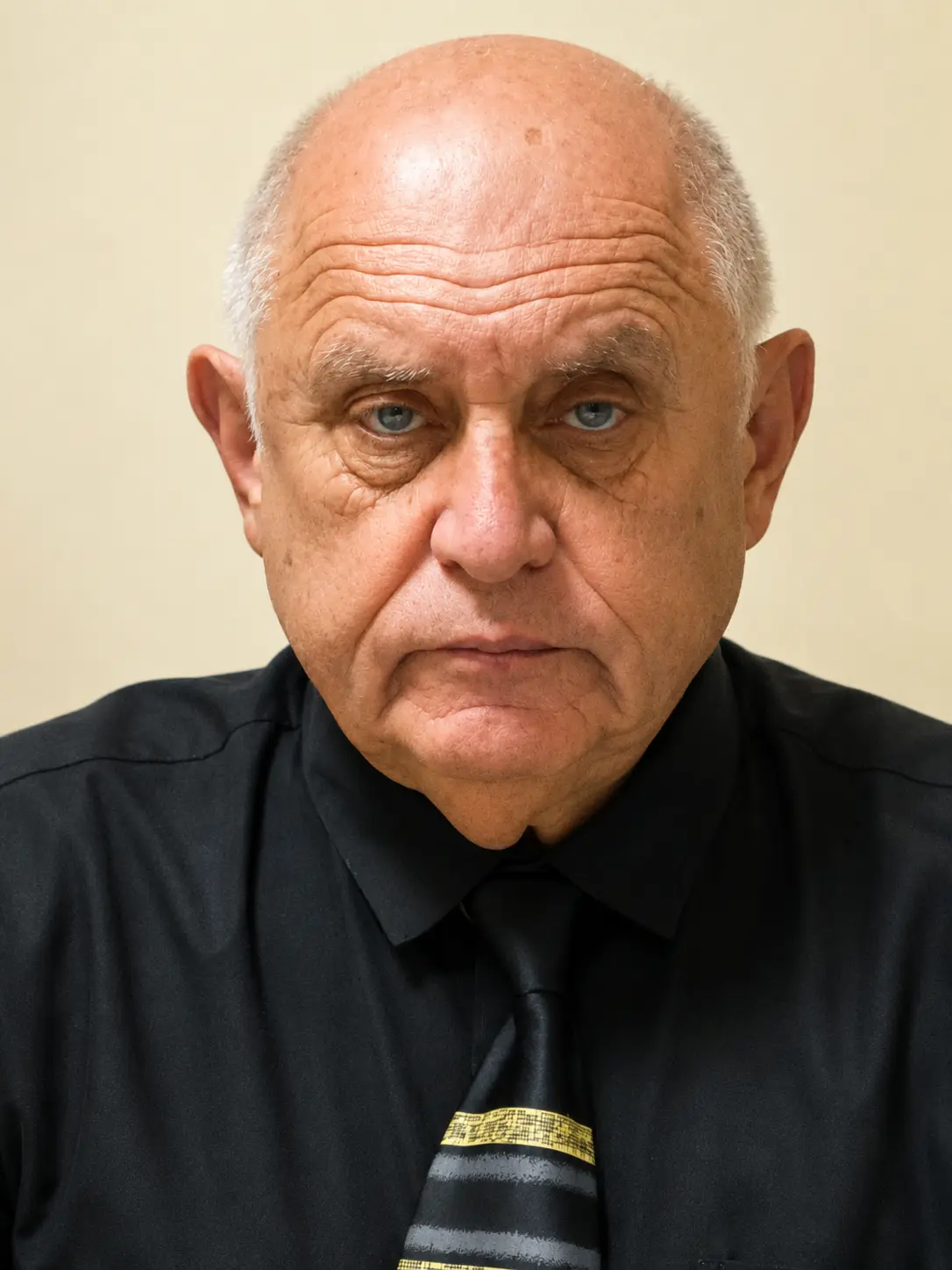
Dr. Moshe Golin — psychiatrist and addiction physician

Dr. Moshe Golin

Psychiatrist, addiction physician, senior doctor with 40 years of experience

Dr. Golin evaluates the stimulant episode, duration without sleep, psychotic symptoms, agitation, suicidality, physical warning signs, previous psychiatric history and possible mixed substances.

He and the MAAVAR CLINIC medical team are responsible for diagnosis, medical and psychiatric stabilization, medication decisions, addiction medicine and determining when the person is ready to move into rehabilitation.

PsychosisReality testing, hallucinations, delusions and safety.
Physical riskHeart symptoms, temperature, dehydration and collapse.
Mixed useAlcohol, opioids, sedatives and unknown substances.
ContinuityConnecting stabilization to rehabilitation.

Why mixed substances change the detox plan

Families may know only part of the story. Sedatives can be taken to force sleep; alcohol or opioids may be added; pills may be bought without knowing their contents.

  • Benzodiazepines and sleeping pills. Regular use can create a separate withdrawal and overdose risk.
  • Alcohol. It may worsen dehydration, judgment, aggression and withdrawal complexity.
  • Opioids. Unknown pills or powders may contain opioids and create breathing risk.
  • Psychiatric medication. The medical team needs the exact names, doses and recent changes.

Detox is the medical doorway; rehabilitation is the main route

A person can sleep, eat and appear calmer while the relapse system remains intact. Rehabilitation builds the structure that acute stabilization cannot create by itself.

Medical stage
Assessment, diagnosis, stabilization, psychiatric care and medication decisions according to clinical indications.
Protected transition
Clear admission, limited access to the old environment, sleep recovery and a predictable daily frame.
Rehabilitation work
Individual work, groups, responsibility, motivation, family boundaries and understanding the stimulant cycle.
Relapse prevention
Warning signs, phone and contact strategy, evening risk, continuing care and a plan for life after treatment.

What the family should do before admission

  • Write facts, not conclusions. Last use, hours or nights without sleep, hallucinations, paranoia, aggression, suicidal language and physical symptoms.
  • Do not debate psychosis. Arguing about what is real can increase fear and conflict.
  • Reduce the number of people involved. One calm speaker is usually safer than a room full of relatives.
  • Prepare medication and substance information. Include alcohol, opioids, benzodiazepines, pregabalin and unknown pills.
  • Call 101 for immediate danger. Admission coordination is not a substitute for emergency response.
MAAVAR CLINIC — transition from bath salts stabilization to rehabilitation

The turning point is when the next step is prepared before the next crash

Real progress begins when safety, sleep, medical clarity, distance from old access and a rehabilitation plan are already in place — instead of being improvised during another night of paranoia or exhaustion.

Three shifts that separate a crash from recovery

Temporary calm

The person is asleep or exhausted, so the family assumes the crisis is over.

Clinical stability

Orientation, physical safety, psychosis risk and the next stage have been assessed.

Home control

Relatives guard the phone, doors and money without a professional structure.

Protected route

Medical care, admission, boundaries and rehabilitation roles are clear.

One promise

“I will never touch it again” is treated as the whole plan.

Recovery practice

Motivation is supported by routine, groups, responsibility and relapse prevention.
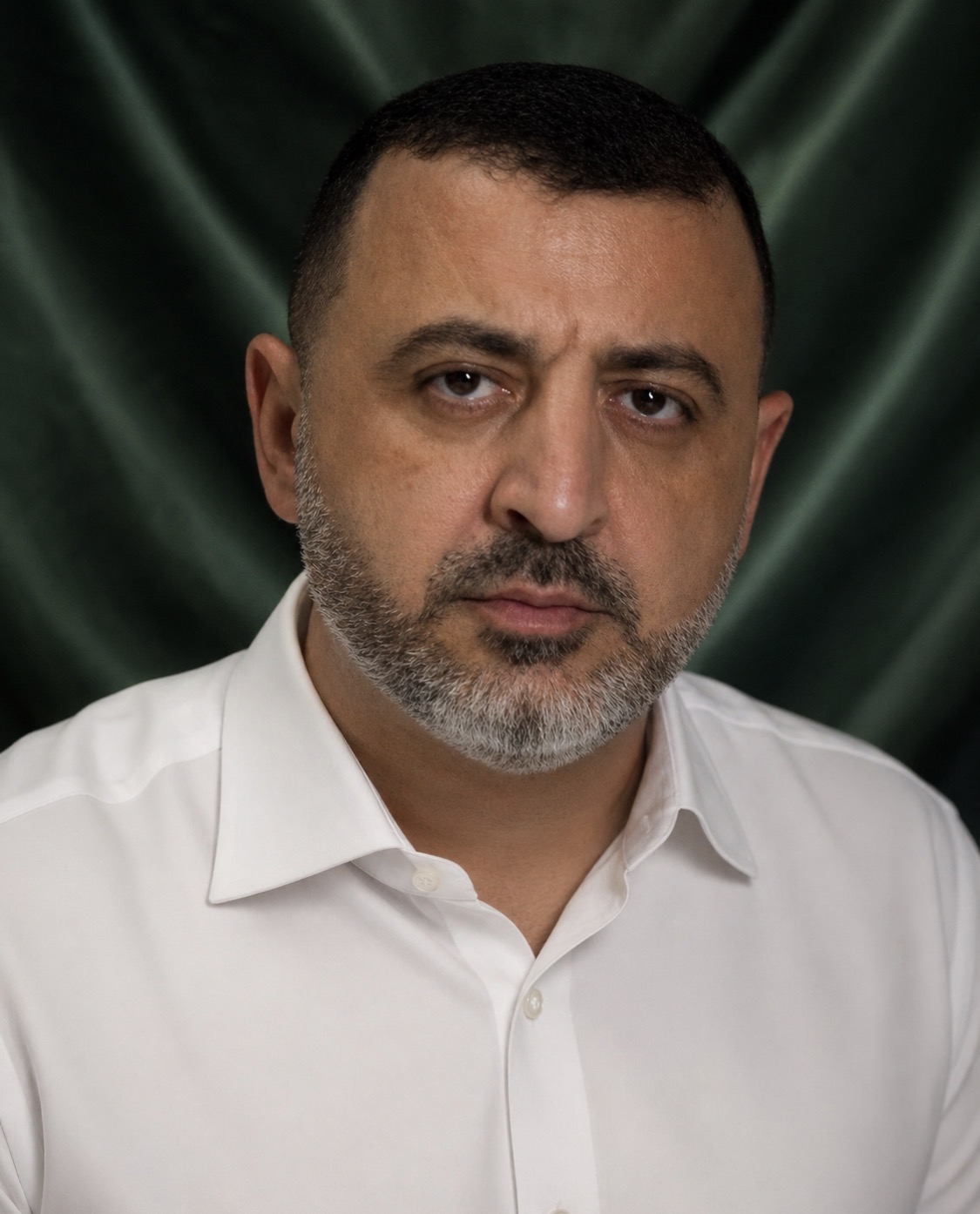
Ramiz — recovery mentor for motivation, transitions and family boundaries

Ramiz

Recovery mentor for motivation, transitions, boundaries and family support

After a frightening stimulant crash, motivation may be sincere but unstable. Ramiz works with the point where shame, exhaustion and temporary relief begin turning into negotiation with the old cycle.

He is not a physician and does not diagnose, prescribe medication, conduct detox or make clinical decisions. His role is rehabilitation: motivation, 12-step work, responsibility, family boundaries and relapse-prevention practice.

MotivationTurning a brief window into repeatable action.
BoundariesClear family support without rescuing the old cycle.
TransitionsMoving from stabilization into daily rehabilitation.
Relapse preventionRecognizing negotiation before it becomes action.

An anonymous family review

“The quiet after the crash had fooled us before.”“We used to relax as soon as he finally slept. Two or three days later the phone, the old contacts and the same explanations returned. At MAAVAR CLINIC, the medical assessment gave us a clear line for psychosis and safety, and the rehabilitation stage gave the calm period a purpose. We stopped treating sleep as the finish line and started treating it as the first chance to build something different. Names and identifying details have been withheld.”

Sources and medical framework

This information is general and does not replace individual medical assessment or emergency care.

Emergency response in IsraelMagen David Adom — 101
New psychoactive substancesUNODC Early Warning Advisory
Synthetic cathinone contextEUDA European Drug Report
Stimulant use disordersNCBI / SAMHSA TIP 33
Addiction treatment in IsraelIsrael Ministry of Health
Clinical guideline for stimulant use disorderASAM/AAAP Clinical Practice Guideline

Frequently asked questions

Bath salts detox is the medical assessment and stabilization stage after synthetic cathinone use. The team evaluates intoxication, sleep deprivation, psychosis, agitation, physical complications, mixed substances and immediate safety before planning rehabilitation.

The street term may refer to mephedrone, 3-MMC, 4-MMC, alpha-PVP, flakka or other synthetic cathinones and unknown stimulant mixtures. The exact contents may be uncertain, so treatment is guided by the person’s clinical condition.

Call Magen David Adom at 101 for a seizure, chest pain, collapse, loss of consciousness, severe confusion, hallucinations, violent behavior, suicidal behavior, dangerous overheating or inability to remain safe.

A home plan may be unsafe when there is psychosis, severe insomnia, aggression, mixed substances, physical deterioration or immediate access to the old drug environment. Clinical assessment is needed to decide the appropriate level of care.

Yes. MAAVAR CLINIC is a licensed medical clinic in Kiryat Gat. Dr. Moshe Golin and the medical team perform assessment, diagnosis, stabilization, medication decisions, psychiatric care and addiction medicine according to clinical indications.

Several nights without sleep can intensify paranoia, hallucinations, impulsivity, aggression and physical exhaustion. Restoring safety and sleep is part of medical stabilization, but it does not replace rehabilitation.

After stabilization, treatment moves into rehabilitation: routine, group work, individual work, family boundaries, responsibility, distance from old contacts and relapse-prevention planning.

Ramiz supports motivation, transitions, boundaries, family communication and relapse prevention during rehabilitation. He is not a physician and does not diagnose, prescribe medication or make clinical decisions.

Yes. Prepare the known substance names, last use, sleep history, hallucinations or paranoia, aggression, suicidal language, physical symptoms, medications, alcohol and other substances. Immediate danger still requires emergency help first.

Write on WhatsApp, call +972 54 757 8876, or email dhvny8@gmail.com. Immediate danger takes priority over privacy; in an emergency call 101.

Do not let the next sleepless night decide the route

Write briefly: known substance names, last use, time without sleep, paranoia or hallucinations, aggression, suicidal language, chest pain, collapse, medications, alcohol and other substances.

MAAVAR CLINIC connects medical stabilization to rehabilitation, family boundaries, daily structure and relapse prevention in Kiryat Gat.

Send the situation on WhatsApp
For a seizure, hallucinations, severe confusion, collapse or immediate danger, call 101.
Review the rehabilitation route+972 54 757 8876
MAAVAR CLINICThis page explains bath salts detox, synthetic cathinone intoxication, psychosis, sleep collapse, mixed substances and the transition from medical stabilization to rehabilitation. Assessment, diagnosis, stabilization, medication and clinical decisions are performed by Dr. Moshe Golin and the MAAVAR CLINIC medical team in Kiryat Gat according to the Israeli Ministry of Health license and clinical indications. Information is general and no outcome is guaranteed.
Call

Accessibility

Quick reading settings for this page.

WhatsApp