Repeated stimulation
Compulsive redosing, rapid speech, restless movement, inability to stop and loss of ordinary judgment.
Families often reach the clinic after several nights without sleep, escalating suspicion, repeated dosing, aggression, disappearance, debt or a frightening break with reality. At that point, identifying the exact street substance is useful but not sufficient. Safety and clinical assessment come first.
The route must then continue beyond crisis management. Detox or stabilization can interrupt the acute state, but rehabilitation addresses the thinking, behavior, responsibility, discipline, family boundaries, triggers and relapse mechanisms that keep synthetic stimulant addiction active.
Confidential first contact. Describe the last use, sleep, psychosis, physical symptoms, aggression and mixed substances.
See the clinical routeCall +972 54 757 8876The term may refer to mephedrone, alpha-PVP, 3-MMC, 4-MMC or an unknown synthetic stimulant mixture. Because street composition is unreliable, the first clinical picture is built from symptoms and behavior.
Compulsive redosing, rapid speech, restless movement, inability to stop and loss of ordinary judgment.
Several nights without restorative sleep, followed by exhaustion, mood collapse or another attempt to stimulate.
Paranoia, hallucinations, severe suspicion, confusion or behavior that no longer follows shared reality.
Synthetic stimulant crises can escalate quickly. Some signs require urgent medical or psychiatric care before any rehabilitation discussion.
Hallucinations, delusions, severe paranoia, disorientation or inability to understand what is happening.
Chest pain, seizures, fainting, overheating, severe weakness, breathing difficulty or collapse.
Threats, weapons, suicidal intent, uncontrolled aggression or inability to keep anyone safe.
Alcohol, benzodiazepines, opioids, pills or powders can make the condition less predictable and more dangerous.
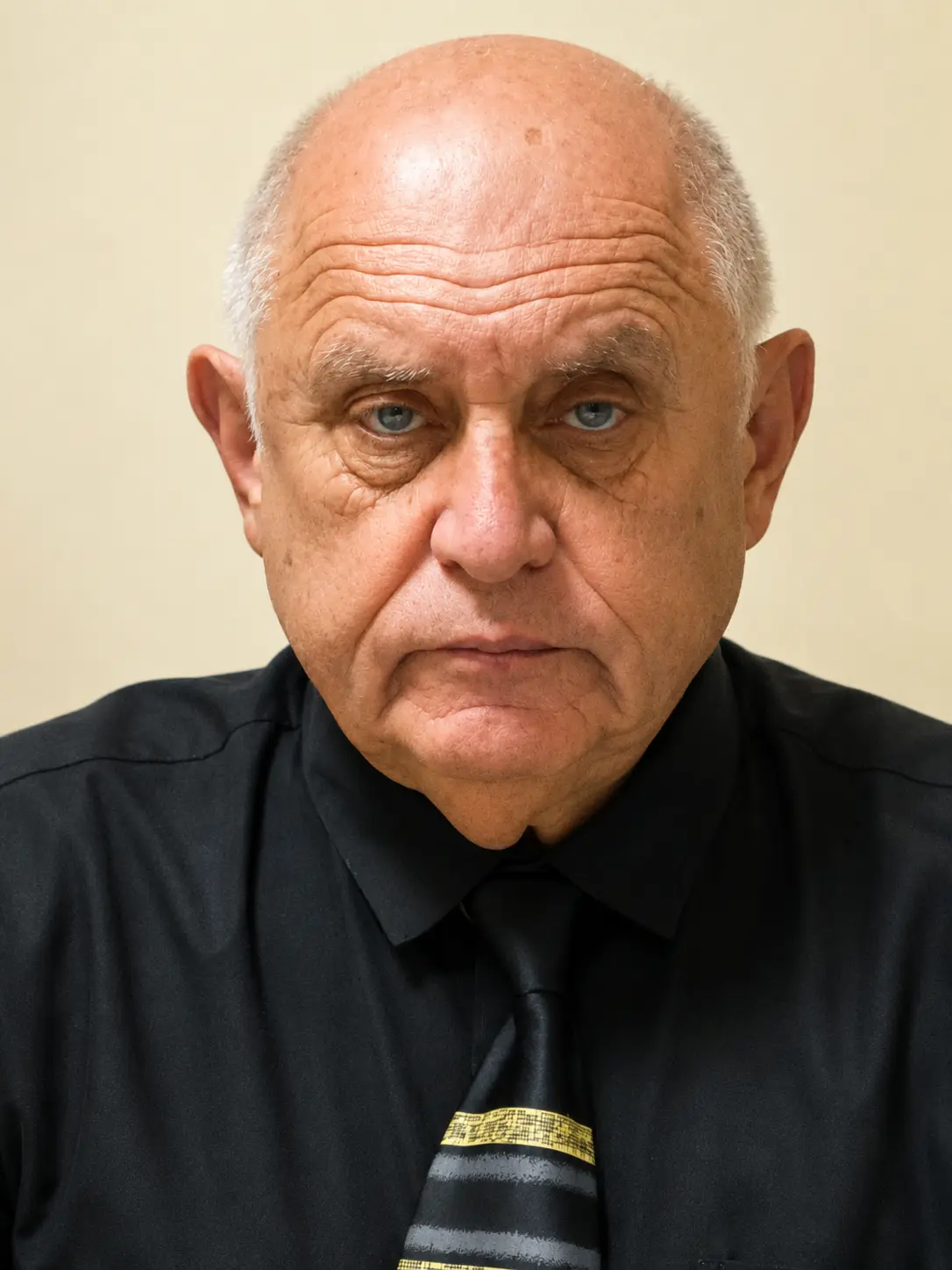
Psychiatrist, addiction physician, senior doctor with 40 years of experience
Dr. Golin evaluates stimulant exposure, psychosis, sleep deprivation, suicidality, physical danger, co-occurring psychiatric symptoms, mixed substances and the need for medical stabilization.
He and the MAAVAR CLINIC medical team are responsible for diagnosis, clinical decisions, medication, detox when indicated and the transition from acute stabilization into rehabilitation.
The first decision is not based on the page title. It is based on current risk, mental state, physical symptoms, sleep, substances and the person’s ability to cooperate safely.
Orientation, speech, behavior, hallucinations, paranoia, suicidality, aggression and exhaustion.
Pulse, blood pressure, temperature, hydration, chest symptoms, seizures, collapse and other medical indicators.
Known or suspected drug, route, frequency, repeated dosing, alcohol, pills, opioids and previous episodes.
When acute psychosis, severe agitation, prolonged sleeplessness or physical danger is present, stabilization may be essential. But a calmer state does not mean the addiction mechanism has disappeared.
It can support psychiatric and medical assessment, restore basic sleep and guide safe clinical decisions. It cannot by itself change the person’s environment, thinking, responsibility, habits, family dynamics or relapse triggers.
Sleep, medication or distance from the substance may reduce acute pressure. Stable recovery requires repeated behavior, structure, accountability and relapse-prevention practice.
Relatives often relax as soon as the person looks quieter. Rehabilitation should begin before old access, explanations and contacts return.
The goal is not only abstinence during supervision. It is the development of a stable way of thinking and living that can survive stress, boredom, shame, conflict and access after discharge.
Relatives often become investigators, guards, negotiators and emergency responders. This exhausts the household and rarely creates lasting recovery.
Several nights without sleep can intensify suspiciousness, hallucinations, agitation and impulsive behavior. Continued stimulant use then makes sleep and reality testing even less stable.
Trying to win a factual argument during psychosis can increase fear and aggression.
Do not create a physical confrontation. Seek professional assistance when the person cannot cooperate safely.
Record sleep, use, behavior, threats, hallucinations and physical symptoms for the medical team.
A quieter crash period may be the moment to move into assessment and rehabilitation.
The family reacts to each night, disappearance or psychotic episode separately.
Safety, medical decisions, rehabilitation and family boundaries follow one coordinated plan.
The person promises to stop after fear, exhaustion or shame.
Daily actions, accountability and relapse-prevention skills replace promises as the measure of change.
Relatives try to control the phone, money and movement alone.
The family maintains clear boundaries while the clinical and rehabilitation team holds the treatment process.

Family and crisis support coordinator
Karin helps relatives describe facts without escalating conflict, separate urgent danger from everyday arguments and establish boundaries around money, transport, communication and access.
She supports the transition into rehabilitation and family coordination. She does not diagnose, prescribe medication or make medical decisions.
These sources support the medical risk framework. This page does not replace individual clinical assessment.

It is the moment the family and patient move from reacting to symptoms into one continuous route: medical safety, rehabilitation, daily structure, responsibility, family boundaries and relapse prevention.
“Bath salts” is a street term commonly used for synthetic cathinone stimulants and unknown mixtures. The label does not confirm the actual substance, dose or purity, so clinical decisions are based on symptoms, sleep deprivation, mental state, physical risk and available toxicology information.
Call emergency services for chest pain, seizures, collapse, severe overheating, breathing difficulty, violent behavior, suicidal behavior, severe confusion, hallucinations or inability to maintain safety. In Israel, call 101.
Yes. Synthetic stimulants can be associated with paranoia, hallucinations, agitation, severe suspiciousness and loss of reality testing, especially after repeated dosing and prolonged sleep deprivation. Psychosis requires urgent psychiatric or medical assessment.
MAAVAR CLINIC is a licensed medical structure in Kiryat Gat. Medical assessment, stabilization, detox when clinically indicated, medication and psychiatric decisions are performed by Dr. Moshe Golin and the clinic’s medical team.
No. Detox or medical stabilization is the zero medical stage. It does not change the thinking, behavior, environment, triggers, discipline or family dynamics that sustain addiction. Rehabilitation must follow stabilization.
The home may still contain the same phone, contacts, money, routes, conflict and access. Relatives also cannot replace clinical assessment, continuous structure or a rehabilitation team during psychosis, severe sleeplessness or repeated relapse.
The person enters a structured rehabilitation process focused on daily routine, sleep, responsibility, motivation, emotional regulation, family boundaries, trigger management, relapse prevention and return to stable life.
Keep language short and calm, avoid trying to prove that the person is wrong, reduce stimulation and prioritize safety. When psychosis or immediate danger is present, seek urgent professional help rather than continuing the argument.
Dr. Moshe Golin leads the medical and psychiatric part. Karin supports family communication, crisis boundaries and the transition from reactive conflict to a coordinated rehabilitation route without diagnosing or prescribing.
Write on WhatsApp at https://wa.me/972547578876, call +972 54 757 8876 or email dhvny8@gmail.com. Describe the last use, sleep, behavior, psychosis, aggression, physical symptoms and mixed substances.
Write what is known about the substance, last use, sleep, hallucinations, threats, chest symptoms, seizures, aggression and mixed substances.
For a seizure, hallucinations, severe confusion, collapse or immediate danger, call 101.
Read about bath salts detoxCall +972 54 757 8876Quick reading settings for this page.