Sleep collapses first
One night becomes several, while racing thoughts, suspiciousness and physical exhaustion continue to build.
Alpha-PVP addiction in Israel: sleeplessness, paranoia, stimulant psychosis, emergency warning signs, medical stabilization and rehabilitation.
Families rarely begin with a precise chemical name. They notice nights without sleep, locked doors, checking windows, accusations, strange phone calls, sudden aggression, debts, disappearances and a person who no longer responds to ordinary reassurance.
At MAAVAR CLINIC in Kiryat Gat, Dr. Moshe Golin and the medical team evaluate stimulant psychosis, cardiovascular risk, overheating, seizures, suicidal behavior, mixed substances, medications and the ability to remain safe. After stabilization, rehabilitation addresses access, thinking, sleep, responsibility, family boundaries and relapse prevention.
The name may be unclear, but the pattern is usually visible: sleep disappears, reality becomes unstable, the phone becomes central, and every attempt to stop is followed by another urgent search.
One night becomes several, while racing thoughts, suspiciousness and physical exhaustion continue to build.
Ordinary events are interpreted as threats, betrayal, surveillance or hidden messages.
Money, travel, phone calls, secrecy, disappearances and relationships begin revolving around access and recovery from use.
Alpha-PVP can create a short, intense reward followed by exhaustion, fear, emptiness and inability to sleep. The next use may be driven less by pleasure than by an attempt to escape the crash.
The combination of strong stimulation, dehydration, overheating, cardiovascular strain, sleep deprivation and psychosis can become dangerous quickly.
Claims of surveillance, betrayal, threats or hidden plots that cannot be corrected through normal conversation.
Hallucinations, delusional beliefs, severe confusion or loss of contact with reality.
Threats, impulsive acts, unsafe driving, weapons, barricading or danger to others.
Chest pain, collapse, seizures, extreme weakness, overheating or breathing difficulty.
Several nights with almost no sleep, escalating agitation and worsening reality testing.
Suicidal behavior, severe self-neglect, inability to remain safe or rapid deterioration.
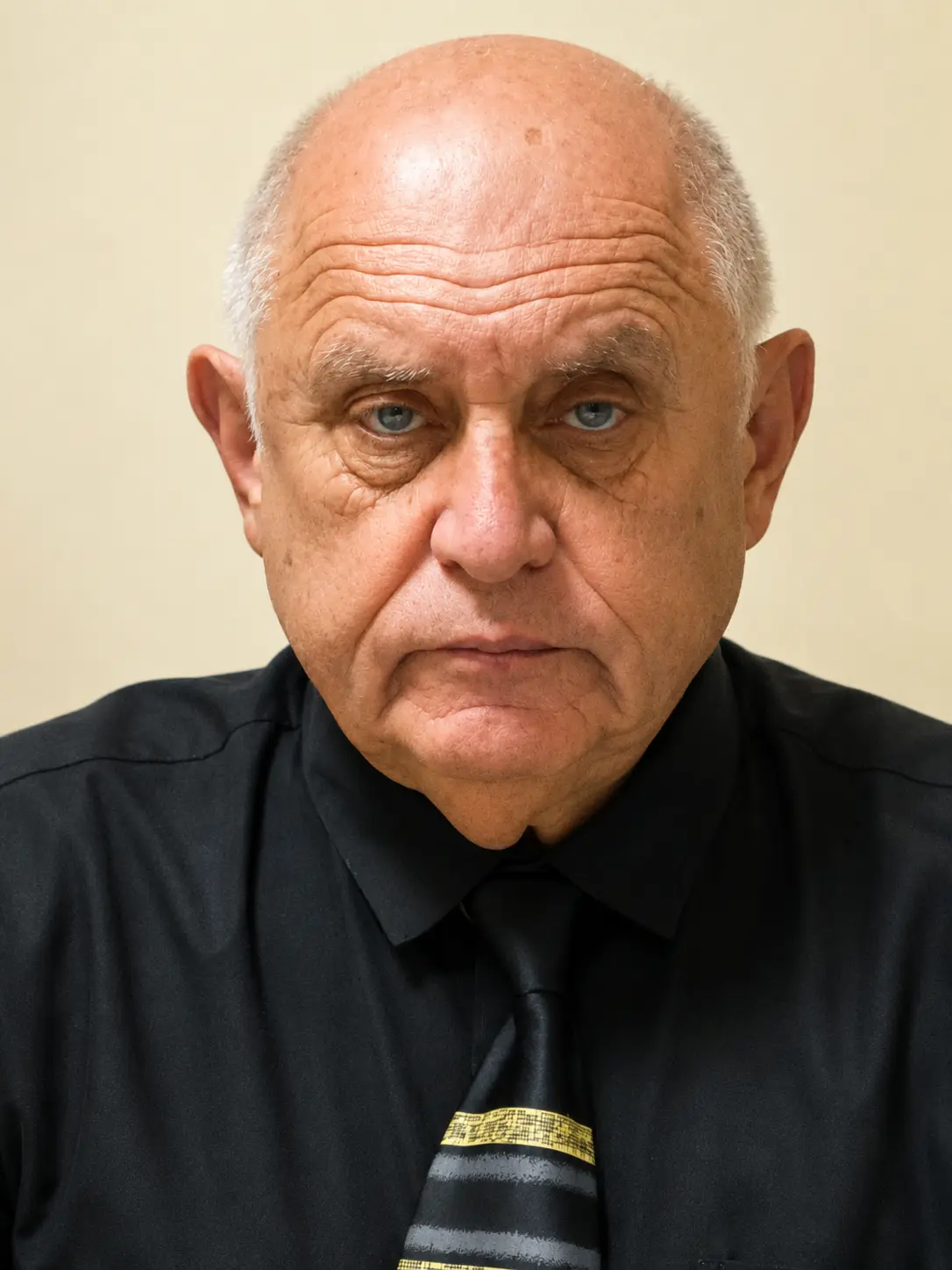
Psychiatrist, addiction physician, senior doctor with 40 years of experience
Dr. Golin evaluates sleep deprivation, paranoia, hallucinations, agitation, suicidal risk, cardiovascular symptoms, seizures, overheating, medications and the use of alcohol, benzos, opioids or other stimulants.
He and the MAAVAR CLINIC medical team are responsible for assessment, diagnosis, psychiatric stabilization, medication decisions, addiction medicine and the clinical transition into rehabilitation.
Families may know about a stimulant but not about pills, alcohol or opioids used to sleep, calm down or soften the crash.
They may deepen sedation, impair memory, complicate withdrawal and increase accident or overdose risk.
Heroin, fentanyl, oxycodone or other opioids can suppress breathing, especially after stimulant exhaustion.
Cocaine, methamphetamine, mephedrone or unknown powders can increase agitation, overheating and cardiovascular strain.
The substance may contain something different from what the person believes, changing both psychiatric and medical risk.
When paranoia or psychosis is present, proving the person wrong rarely restores judgment. The family needs one safety plan, clear emergency thresholds and a route beyond the immediate crisis.
Last known use, sleep, hallucinations, aggression, chest pain, seizures, substances mixed and access to weapons or a car.
Use calm, concrete language and prioritize safety rather than trying to win an argument about reality.
Money, phones, transport and old contacts are handled according to a coordinated plan, not improvised pressure.
Stabilization should connect directly to rehabilitation before relief becomes denial and another return to use.
After the stimulation drops, the person may be exhausted, frightened, depressed or briefly more open to help. That window can close quickly when shame, craving and old access return.
The central treatment begins after acute safety is established. It addresses sleep, stimulant-seeking behavior, denial, emotional pressure, responsibility, family boundaries and relapse prevention.
A stable sleep-wake rhythm is rebuilt without returning to stimulants or improvised sedatives.
Permission thoughts, minimization, blame, impulsivity and secret access are identified before they become use.
Relatives stop financing, hiding and carrying the entire crisis while still supporting treatment.
Phones, money, contacts, high-risk emotions and early psychosis warning signs become part of a concrete response plan.

That requires medical clarity, reduced access, sleep restoration, family boundaries, daily structure and repeated recovery action after the immediate crisis has passed.
Argue with paranoia until the person admits the family is right.
Use emergency thresholds, calm communication and medical assessment.
Trust the promise made during exhaustion after the crash.
Connect the stable window directly to structured rehabilitation.
The family watches every move and carries the whole problem.
The patient carries responsibility while the family follows one coordinated plan.

Family and recovery coordinator for stimulant crises, boundaries and rehabilitation continuity
Karin helps families replace panic, repeated arguments and secret rescue with clear facts, crisis boundaries and a consistent route from stabilization into rehabilitation.
She is not a physician and does not diagnose, prescribe medication, conduct detox or make clinical decisions. Her role is family communication, stimulant-crisis boundaries, continuity and relapse-warning recognition.
This page provides general information and does not replace emergency care, medical diagnosis or individual psychiatric assessment.
Alpha-PVP addiction is a compulsive stimulant pattern involving repeated use despite serious harm. Families may see sleeplessness, paranoia, agitation, aggression, repeated seeking, financial chaos, collapse of routine and episodes of stimulant psychosis.
Strong stimulation combined with prolonged sleep deprivation can weaken judgment and reality testing. Paranoia, hallucinations, severe agitation, impulsive behavior and physical instability may escalate quickly.
Chest pain, seizures, collapse, severe confusion, hallucinations, aggressive psychosis, suicidal behavior, overheating, breathing difficulty or inability to remain safe require urgent emergency care. In Israel, call 101.
Yes. MAAVAR CLINIC is a licensed medical clinic in Kiryat Gat. Dr. Moshe Golin and the medical team perform assessment, diagnosis, stabilization, medication decisions, psychiatric care and addiction medicine according to clinical indications.
No. Stabilization addresses the acute medical and psychiatric stage. Rehabilitation is needed to change stimulant-seeking behavior, denial, access, sleep disruption, emotional triggers, family conflict and relapse patterns.
Tell the medical team exactly what was used. Mixed use can change overdose risk, agitation, sedation, withdrawal, cardiovascular strain and medication decisions.
Report the last known use, sleep duration, paranoia, hallucinations, aggression, chest pain, seizures, overheating, substances mixed, medication use, suicidal statements and whether the person can remain safe.
Karin supports family communication, crisis boundaries, recognition of stimulant-related behavior and the transition into structured rehabilitation. She is not a physician and does not diagnose, prescribe medication or make clinical decisions.
There is no single timetable. Progress is assessed through sleep, psychiatric stability, participation, honesty, responsibility, family functioning, reduced access to drugs and consistent relapse-prevention behavior.
Write on WhatsApp, call +972 54 757 8876, or email dhvny8@gmail.com. Immediate danger takes priority over privacy; in an emergency call 101.
Write the last known use, time awake, paranoia, hallucinations, aggression, chest pain, seizures, mixed substances, access to money or a car and whether the person can remain safe.
At MAAVAR CLINIC, medical and psychiatric assessment are connected directly to rehabilitation focused on sleep, behavior, family boundaries, responsibility and relapse prevention.
Quick reading settings for this page.