Clarify the medical picture
Sleep deprivation, pulse, temperature, hydration, chest symptoms, agitation, psychosis, suicidal risk and mixed substances are assessed clinically.
Alpha-PVP addiction in Israel: sleeplessness, paranoia, stimulant psychosis, emergency warning signs, medical stabilization and rehabilitation.
After an Alpha-PVP run, the person may be awake for days, suspicious, frightened, physically depleted or detached from reality. When the stimulant finally drops, the crash may bring exhaustion, depression, agitation, intense craving and another urgent search for relief.
At MAAVAR CLINIC in Kiryat Gat, Dr. Moshe Golin and the medical team assess cardiovascular risk, hydration, temperature, sleep deprivation, psychosis, suicidal risk, medications and mixed substances. Once the acute stage is controlled, rehabilitation begins with sleep rhythm, routine, responsibility, family boundaries and relapse prevention.
The goal is not to make the person look calmer for a few hours. The goal is to assess acute risk, restore enough physical and psychiatric stability for safe participation, and prevent the crash from becoming the next use episode.
Sleep deprivation, pulse, temperature, hydration, chest symptoms, agitation, psychosis, suicidal risk and mixed substances are assessed clinically.
The patient begins to regain sleep, hydration, orientation, appetite, physical balance and the ability to engage with the treatment team.
Rehabilitation begins before temporary relief turns into denial, bargaining and a return to the same phone, contacts and drug-seeking route.
The person may move from extreme stimulation to exhaustion, fear, low mood, irritability and powerful craving. A quiet room does not automatically mean the crisis is over.
Families should not wait for a private consultation when the person is medically unstable, detached from reality or unable to remain safe.
Chest pain, fainting, seizure, severe weakness, overheating, breathing difficulty or collapse require urgent medical care.
Hallucinations, fixed paranoid beliefs, disorientation or behavior that cannot be redirected safely are urgent warning signs.
Threats, weapons, self-harm statements, dangerous driving or inability to protect the person or others require immediate action.
Several nights without sleep, worsening agitation, fever, repeated vomiting or a sudden change in consciousness should not be managed by guesswork.
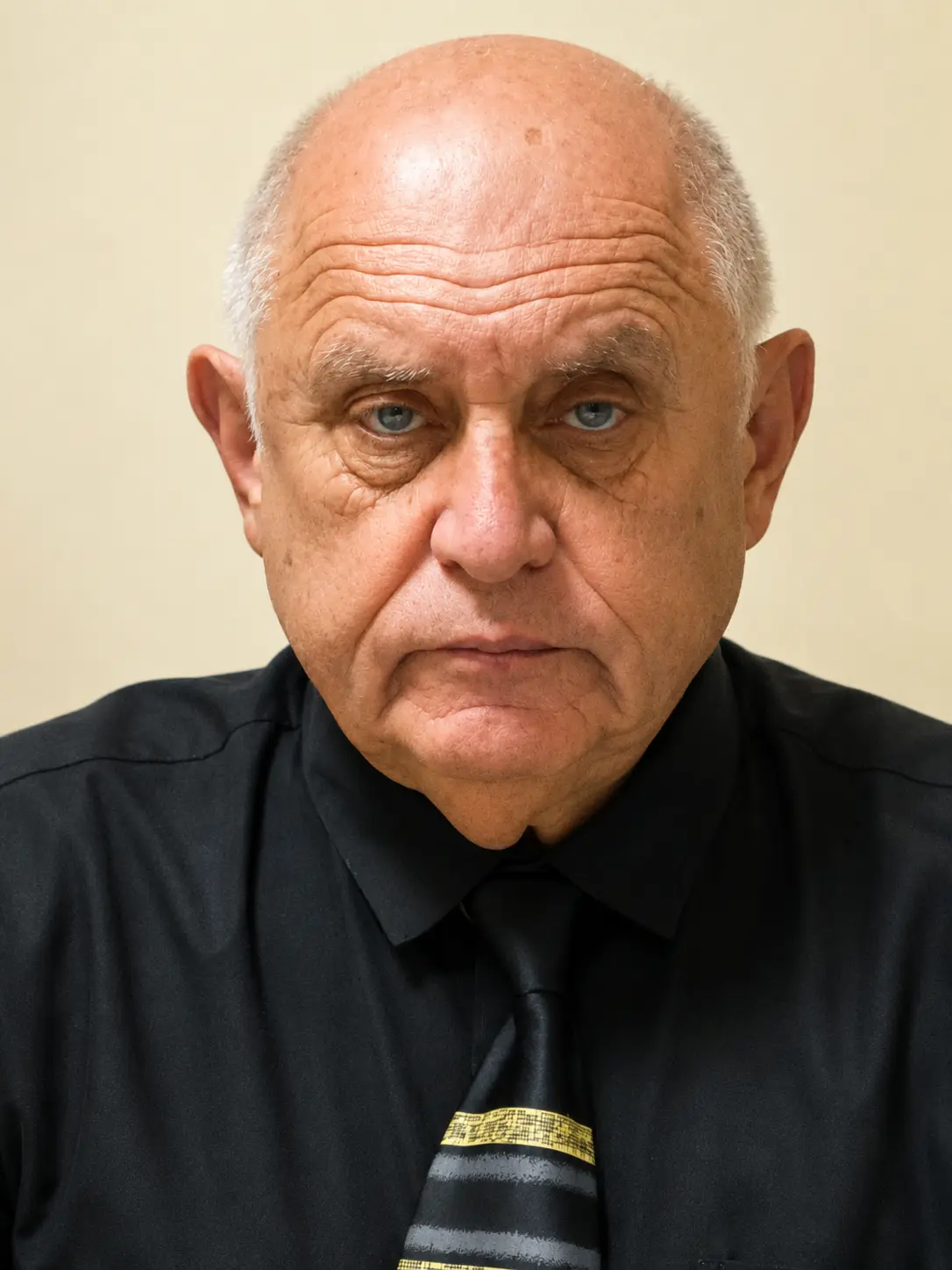
Psychiatrist, addiction physician, senior doctor with 40 years of experience
Dr. Golin evaluates the last known use, time awake, agitation, psychosis, cardiovascular symptoms, hydration, temperature, medications, suicidal risk and the use of alcohol, benzos, opioids or other stimulants.
He and the MAAVAR CLINIC medical team are responsible for assessment, diagnosis, stabilization, medication decisions, psychiatric care, addiction medicine and the clinical transition into rehabilitation.
People may use alcohol or pills to force sleep, another stimulant to extend the run, or opioids to blunt the crash. The medical team needs the full picture, not only the drug that caused the obvious crisis.
Xanax, Valium, clonazepam and other sedatives can add respiratory, memory and dependence risks, especially when doses are unknown.
Alcohol may worsen dehydration, judgment, aggression and sedation while making the clinical picture less predictable.
Heroin, fentanyl, oxycodone and other opioids can suppress breathing and create a separate overdose emergency.
Cocaine, methamphetamine, mephedrone and unknown powders can increase cardiovascular strain, agitation and sleep loss.
After sleep returns and paranoia softens, the patient may minimize the episode or insist that the substance was the only problem. The old access, habits and emotional triggers are still present.
The fear of the crisis can be replaced by “it was not that bad” as soon as the body feels better.
Instead of panic, craving may appear as boredom, confidence, resentment or a plan to use “more carefully.”
Irregular sleep, nightmares and daytime exhaustion can increase irritability and impulsive decisions.
Phones, contacts, debt, delivery routes and familiar places can reopen the cycle within hours.
The nervous system does not recover through one long sleep. A stable rhythm, predictable meals, movement, responsibility and reduced stimulation help rebuild the ability to function without another chemical solution.
The day is anchored even after a difficult night, allowing the sleep-wake cycle to recover gradually.
Reduced stimulation, planned contact and a clear wind-down replace the old nighttime drug routine.
Meals, hygiene, movement, groups and tasks reduce empty hours and restore basic self-management.
Sleep debt, anxiety and concentration problems may improve unevenly; recovery is measured over repeated days.
Relatives should not become a home detox team, permanent surveillance system or substitute medical service. Their role is to report facts, protect safety, hold agreed boundaries and support the rehabilitation plan.
Last known use, time awake, psychosis, threats, mixed substances, money access, driving and previous crises.
Borrowed sedatives, leftover prescriptions or unplanned dose changes can add risk and obscure the clinical picture.
Money, transport, phones and contact with the old drug network are handled through a clear plan rather than panic.
One calm day or one apology is encouraging, but trust is rebuilt through stable participation and responsibility over time.
Detox and stabilization address the acute stage. Rehabilitation changes the sequence that repeatedly turns pressure, access and stimulant thinking into another run.

Alpha-PVP detox can create a brief opening. Rehabilitation turns that opening into a different daily structure, different responses to pressure and fewer routes back to the substance.
“Once I sleep, the problem is over.”
Use the first stable days to begin rehabilitation immediately.
The same phone, contacts, money and routes remain available.
Reduce access while building responsibility and a concrete response plan.
Relatives try to watch every move and absorb every crisis.
The family reports risk and holds limits while treatment carries the clinical work.
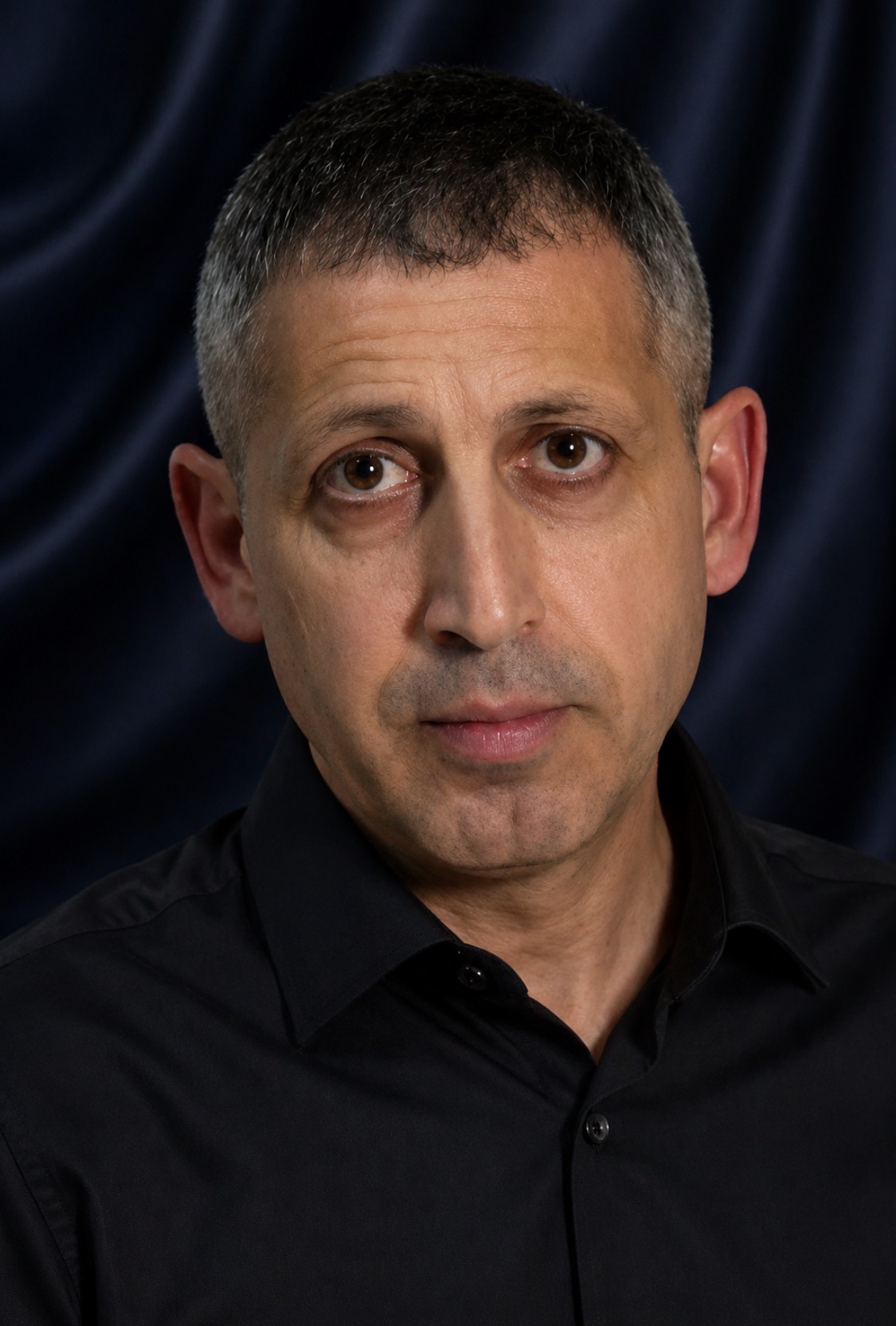
Recovery mentor for sleep, routine, structure and responsibility
After stimulant stabilization, many patients are physically exhausted but still live without rhythm. They sleep unpredictably, avoid tasks, react impulsively and expect motivation to carry the entire recovery process.
Mikhail is not a physician and does not diagnose, prescribe medication, conduct detox or make clinical decisions. His role is to turn recovery into a repeatable day through sleep structure, routine, practical learning and responsibility.
This information is general and does not replace emergency care, medical diagnosis or individual psychiatric assessment.
Alpha-PVP detox involves clinical assessment of sleep deprivation, psychosis, cardiovascular symptoms, hydration, temperature, suicidal risk and mixed substances. Stabilization is followed by structured rehabilitation rather than treated as a complete cure.
Chest pain, seizures, collapse, severe confusion, hallucinations, suicidal behavior, dangerous aggression, overheating, breathing difficulty or inability to remain safe require urgent emergency care. In Israel, call 101.
Yes. MAAVAR CLINIC is a licensed medical clinic in Kiryat Gat. Dr. Moshe Golin and the medical team perform assessment, diagnosis, stabilization, medication decisions, psychiatric care and addiction medicine according to clinical indications.
No. Sleep may reduce visible agitation, but it does not resolve psychosis risk, depression, craving, mixed-use complications, access to drugs or the relapse pattern.
Rehabilitation addresses stimulant-seeking behavior, denial, access, disrupted sleep, emotional triggers, responsibility, family boundaries and relapse prevention.
Tell the medical team exactly what was used. Mixed use can change overdose risk, sedation, agitation, cardiovascular strain, withdrawal and medication decisions.
Report the last known use, time awake, paranoia, hallucinations, aggression, chest pain, seizures, overheating, suicidal statements, substances mixed and whether the person can remain safe.
Mikhail supports sleep rhythm, daily structure, practical learning and responsibility after stabilization. He is not a physician and does not diagnose, prescribe medication, conduct detox or make clinical decisions.
There is no single timetable. Progress is measured through sleep, psychiatric stability, participation, honesty, routine, responsibility, family functioning and consistent relapse-prevention behavior.
Write on WhatsApp, call +972 54 757 8876, or email dhvny8@gmail.com. Immediate danger takes priority over privacy; in an emergency call 101.
Write the last known use, time awake, paranoia, hallucinations, chest pain, overheating, aggression, collapse, mixed substances and whether the person can remain safe.
At MAAVAR CLINIC, medical and psychiatric stabilization are connected directly to sleep restoration, daily structure, family boundaries and relapse prevention.
Quick reading settings for this page.