Clarify the actual state
Last use, repeated dosing, route, sleep, temperature, hydration, chest symptoms, behavior and mental state matter more than the street name alone.
Mephedrone detox in Israel: 4-MMC crash, sleep loss, paranoia, cardiovascular warning signs, medical stabilization and rehabilitation.
After mephedrone, “meow meow”, M-CAT or 4-MMC use, families may see a confusing shift from stimulation and sleeplessness into exhaustion, shame, depression, craving or suspicious behavior. A quieter person is not automatically a medically stable person.
At MAAVAR CLINIC in Kiryat Gat, Dr. Moshe Golin and the medical team assess the last use, sleep, mental state, cardiovascular warning signs, hydration, mixed substances, medications and immediate safety. When stabilization is indicated, it becomes the medical zero stage before structured rehabilitation.
The purpose is to identify immediate medical and psychiatric risk, support stabilization when indicated and connect the person to rehabilitation before the old stimulant cycle restarts.
Last use, repeated dosing, route, sleep, temperature, hydration, chest symptoms, behavior and mental state matter more than the street name alone.
Exhaustion, low mood or quiet behavior can coexist with suicidal risk, cardiovascular complications, psychosis, dehydration or rapid return to use.
Detox is the medical zero stage. Recovery continues through sleep, routine, emotional regulation, responsibility, family boundaries and relapse prevention.
The shift from stimulant intensity to depletion can produce a narrow and unstable period. The person may sincerely want to stop while simultaneously searching for the fastest way to escape fatigue, emptiness, anxiety or shame.
Sleep, meals, time, money and ordinary caution may disappear during repeated use.
Low mood, anxiety, irritability and emptiness can make another dose feel like immediate relief rather than another risk.
Messages, contacts, familiar routes and easy money access can restart use before a treatment decision becomes practical.
A person may look calmer because the body is depleted, while paranoia, suicidal thinking or mixed-substance effects remain.
The family’s role is to recognize risk, communicate clearly and seek the appropriate level of care—not to diagnose, medicate or physically control an unstable person.
Families should not wait for every sign to appear. One severe symptom can be enough to require emergency assessment.
Chest pain, fainting, severe palpitations, breathing difficulty or loss of consciousness require urgent medical attention.
A seizure, severe overheating, rigid or jerking limbs, or rapid physical deterioration can be life-threatening.
Hallucinations, fixed paranoid beliefs, disorganized behavior or inability to understand reality require professional assessment.
Self-harm plans, dangerous aggression, disappearance during a severe crash or inability to remain safe require immediate action.
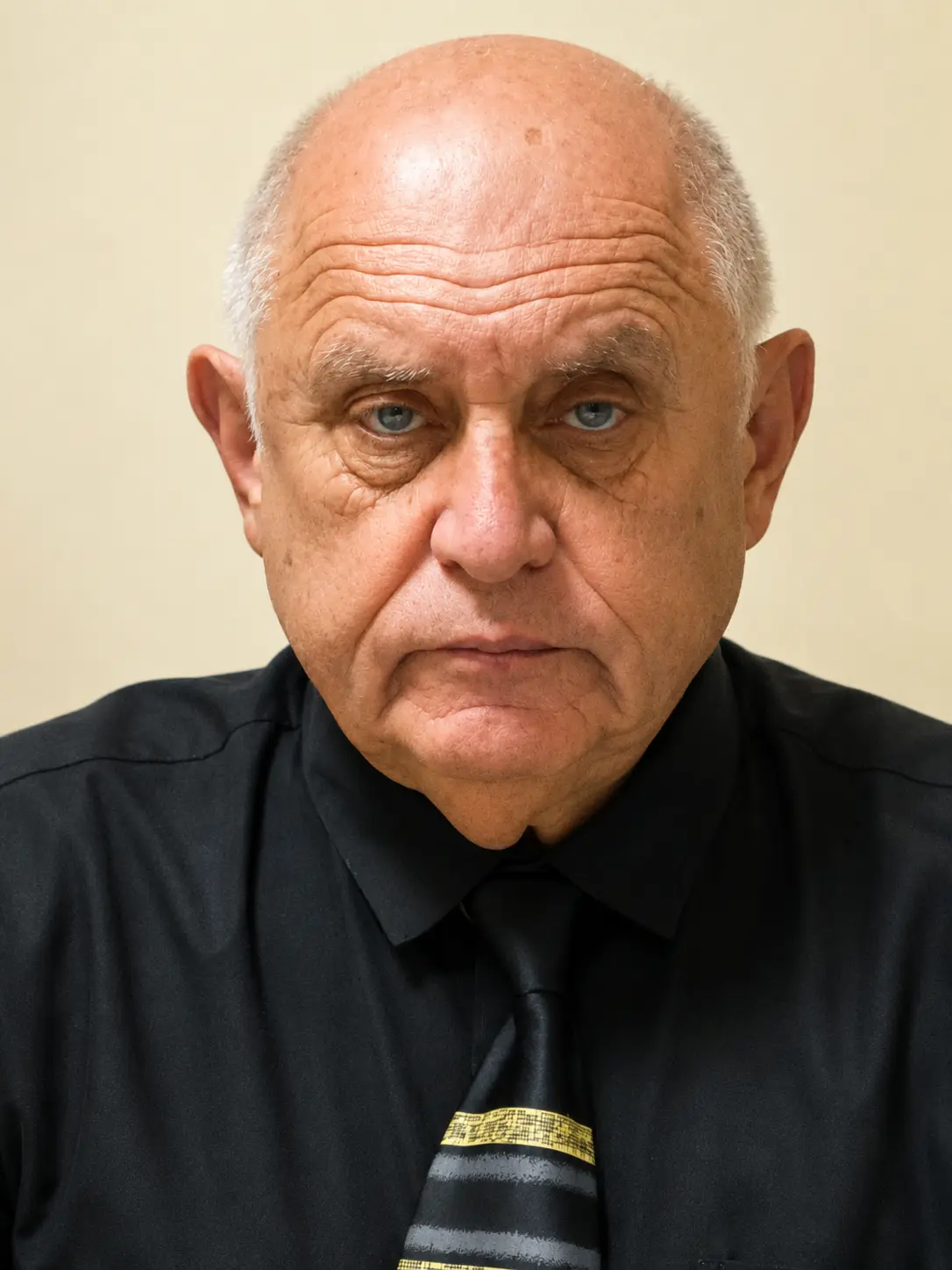
Psychiatrist, addiction physician, senior doctor with 40 years of experience
Dr. Golin evaluates the acute mephedrone picture: timing and pattern of use, meaningful sleep, agitation, mood, suicidal risk, paranoia, hallucinations, cognition, cardiovascular symptoms, hydration, medications and mixed substances.
He and the MAAVAR CLINIC medical team are responsible for diagnosis, psychiatric assessment, stabilization, medication decisions, addiction medicine and determining whether emergency or hospital-level care is required.
MAAVAR CLINIC provides the medical assessment, psychiatric evaluation, stabilization, medication decisions and addiction-medicine stage in Kiryat Gat under its Israeli Ministry of Health license.

A label such as “mephedrone” does not guarantee the content, concentration or combination. The medical team needs the real exposure history, including substances used to stay awake, intensify the effect or force sleep afterward.
Alcohol, benzodiazepines, z-drugs and pregabalin may alter consciousness, coordination, breathing and the later withdrawal picture.
Heroin, fentanyl, oxycodone and other opioids add overdose and breathing risk, especially when the person appears unusually sleepy or difficult to wake.
Cocaine, amphetamine, methamphetamine, MDMA or prescription stimulants can intensify cardiovascular strain, agitation and sleep loss.
Unexpected ingredients and variable strength make symptom-based clinical assessment more important than relying on the product name.
Medical stabilization creates a window for change. Rehabilitation must use that window before restored energy reconnects the person to the old contacts, money, sleep pattern and stimulant routines.
Relatives can make the route clearer by reporting what happened and keeping one consistent line. They should not use borrowed sedatives, force sleep, debate with psychosis or promise that the crisis will remain secret at any cost.
Say what happened: no sleep, chest pain, hallucinations, threats, collapse, unknown pills or repeated disappearance.
Home combinations of alcohol, sleeping pills or someone else’s prescription can make the state less predictable.
Everyone should know which signs mean 101, emergency assessment or immediate professional contact.
When the person becomes reachable, move toward assessment and structured continuation rather than another family trial.

Recovery is not measured by whether the person finally slept after a binge. It is measured by medical stability, restored orientation, honest reporting, repeatable routine and a plan strong enough to remain in place when energy and access return.
“Let him sleep and we will decide tomorrow.”
Assess severe symptoms, mixed substances and psychiatric risk before assuming the crash is safe.
The family focuses only on getting through the current night.
Stabilization is connected immediately to sleep, routine, treatment engagement and relapse prevention.
Relatives argue, hide information or try available medication.
The medical team handles clinical decisions; the family reports facts and follows the safety plan.

Recovery mentor for sleep, routine, structure and responsibility
After medical stabilization, stimulant recovery can remain organized around exhaustion, irregular sleep, avoidance, reassurance and sudden craving. Mikhail helps replace this instability with a repeatable daily structure.
He is not a physician and does not diagnose, prescribe medication, perform detox or make clinical decisions. His role begins after the acute medical stage and supports practical rehabilitation.
The risk often rises again when the person feels physically stronger but the recovery structure is still weak. The handoff from medical care to rehabilitation must be planned, not assumed.
Clarify contacts, money access, transport, family boundaries, follow-up and the next day’s structure.
Turn the crash into honest clinical and recovery work rather than another reason to avoid the family or seek stimulation.
Use a consistent sleep-wake plan directed by the clinical team and reinforced through daily routine.
Build practical limits and accountability around contacts, money and high-risk times without turning relatives into permanent police.
“We learned that sleep was not the only question.”“We had been waiting for him to collapse and sleep, believing that would end the danger. MAAVAR CLINIC asked about chest symptoms, hallucinations, other substances, suicidal statements and how long he had really been awake. After the medical stage, the work on routine and responsibility stopped the family from returning to the same nightly panic. Names and identifying details have been withheld.”
This page provides general information and does not replace emergency care, toxicology assessment, psychiatric evaluation or an individual treatment plan.
Mephedrone detox is the medically supervised assessment and stabilization stage after mephedrone or 4-MMC use. It addresses acute physical and psychiatric risk, sleep loss, agitation, crash symptoms, mixed substances and the transition into rehabilitation. It is not the whole treatment process.
No. Exhaustion or quiet behavior after a binge does not prove safety. Depression, craving, dehydration, cardiovascular symptoms, paranoia, suicidal risk or delayed complications may still require clinical assessment.
Call Magen David Adom at 101 for chest pain, a seizure, collapse, loss of consciousness, severe overheating, breathing difficulty, violent or disorganized behavior, hallucinations, severe confusion, suicidal behavior or inability to remain safe.
A home environment cannot safely assess every medical or psychiatric complication. Professional assessment is especially important when there is prolonged sleeplessness, psychosis, chest symptoms, severe agitation, mixed substance use, suicidal risk or uncertain drug contents.
Yes. MAAVAR CLINIC is a licensed medical clinic in Kiryat Gat. Dr. Moshe Golin and the medical team perform assessment, diagnosis, stabilization, medication decisions, psychiatric care and addiction medicine according to clinical indications.
Report the known substance names, last use, route and approximate amount if known, time without sleep, chest symptoms, temperature, hydration, hallucinations, paranoia, suicidal statements, aggression, medications and any alcohol, opioids, benzodiazepines or other substances.
Alcohol, opioids, benzodiazepines, sleeping pills, pregabalin, cocaine and unknown powders can change consciousness, breathing, cardiovascular risk, agitation and withdrawal. The medical team needs the real pattern rather than a partial list.
Rehabilitation focuses on restoring sleep and daily rhythm, reducing access to the old network, emotional regulation, responsibility, family boundaries, trigger management and relapse prevention.
Mikhail supports sleep rhythm, daily structure, practical learning and responsibility after medical stabilization. He is not a physician and does not diagnose, prescribe medication, perform detox or make clinical decisions.
This page focuses on the acute detox and stabilization intent: crash, sleep loss, psychosis risk, medical assessment and the immediate transition forward. The addiction page explains the repeating dependence pattern, while the treatment page covers the broader rehabilitation program.
Write on WhatsApp, call +972 54 757 8876, or email dhvny8@gmail.com. Immediate danger takes priority over privacy; in an emergency call 101.
Write briefly: known substance names, last use, time without sleep, chest symptoms, temperature, hydration, hallucinations or paranoia, suicidal statements, aggression, medications and any alcohol, opioids, benzodiazepines or other substances.
At MAAVAR CLINIC, medical assessment and stabilization are connected directly to sleep restoration, routine, responsibility, family boundaries and relapse prevention.
Quick reading settings for this page.