Mephedrone treatment • 4-MMC • binge and crash cycle • residential rehabilitation in Israel
Psychosis, seizures, chest pain or immediate danger require emergency helpIf the person is unconscious, severely confused, violent, hallucinating, expressing suicidal intent, having a seizure or reporting severe chest symptoms, call Magen David Adom at 101.
Mephedrone dependence is reinforced by speed: rapid stimulation, prolonged use, sleep loss, emotional crash and urgent return to the same contacts.
Dr. Moshe Golin and the MAAVAR CLINIC medical team assess psychiatric and physical risk and provide physiological stabilization when clinically indicated.
Stabilization is stage zero. The principal treatment is the residential villa program: routine, responsibility, behavioral change, family work and relapse prevention.

Mephedrone addiction treatment in Israel — break the binge system, not only the latest episode

A person may stop after a frightening crash and still return to 4-MMC within days because the mechanism around use has not changed: sleeplessness, impulsive communication, sexual or social triggers, money access, shame, isolation and instant contact with the old network.

MAAVAR CLINIC separates two tasks that families often confuse. First, Dr. Moshe Golin and the medical team address acute psychiatric and physiological instability when required. Then the person enters the private residential rehabilitation villa, where recovery is rebuilt through a protected daily system rather than another promise made during the crash.

Discuss the situation confidentially on WhatsAppSee the residential programCall +972 54 757 8876
Private first contact: describe the last use, sleep, behavior, psychotic symptoms, medications and mixed substances. In an immediate emergency, call 101 before sending a message.

What mephedrone treatment must change

The page solves a specific problem: how to move from repeated 4-MMC binges and crashes into a rehabilitation structure that remains stronger than access, sleep deprivation and impulsive relapse. It is not a general page about stimulant effects and not a detox-only page.

Interrupt the speed

The old cycle depends on immediate contact, immediate money, immediate stimulation and immediate relief from the crash.

Restore reality testing

Sleep loss, suspiciousness, agitation and emotional collapse must be assessed before the person can participate meaningfully.

Build repetition in recovery

New behavior becomes credible only through repeated days of structure, responsibility, reflection and feedback.

Medical responsibility: Dr. Moshe Golin

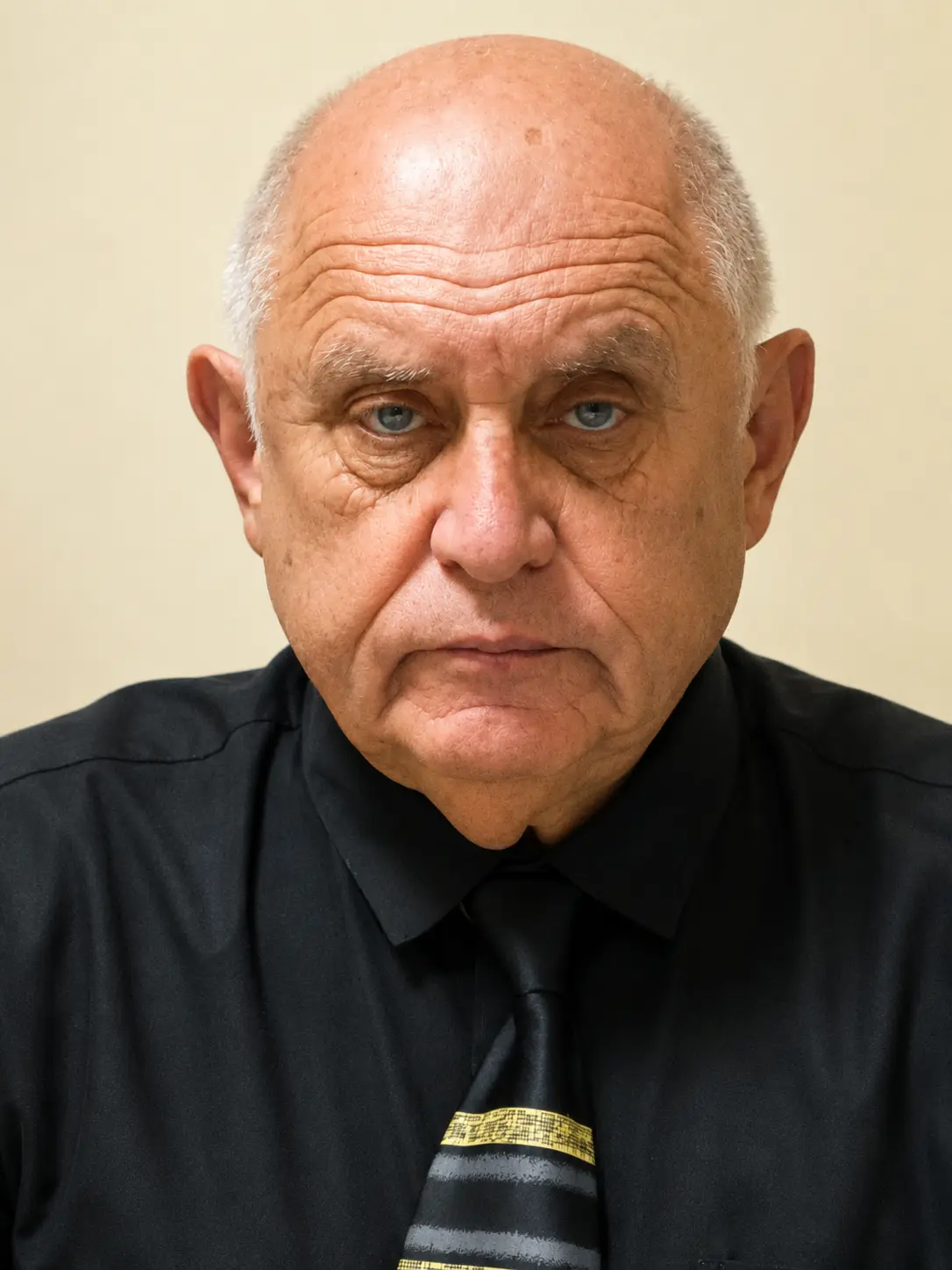
Dr. Moshe Golin, psychiatrist and addiction physician at MAAVAR CLINIC

Dr. Moshe Golin

Psychiatrist • addiction physician • senior doctor with 40 years of experience

Dr. Golin evaluates acute stimulant-related risk: psychosis, suicidal thinking, severe sleep deprivation, agitation, mixed substance use, medical instability and co-occurring psychiatric symptoms.

Diagnosis, stabilization, medication and decisions about hospitalization or transfer are clinical responsibilities of Dr. Golin and the MAAVAR CLINIC medical team. The purpose is to reach sufficient physiological and psychiatric stability for rehabilitation—not to mistake symptom reduction for recovery.

Clinical assessmentPsychiatric state, sleep, cardiovascular symptoms, mixed use and immediate risk.
Stage decisionEmergency care, medical stabilization, monitoring or readiness for the villa program.
Stage zero: physiological and psychiatric stabilization

Mephedrone withdrawal is often dominated by exhaustion, low mood, craving, disturbed sleep, anxiety and a strong psychological pull back to use. Some cases also involve psychosis, suicidality, dehydration, chest symptoms or combinations with alcohol, benzodiazepines or other stimulants.

What stabilization does

It reduces acute risk, clarifies the mental state, supports sleep and physical recovery, and determines when the person can enter sustained therapeutic work.

What stabilization cannot do

It does not change secrecy, impulsive decisions, phone access, sexual or social triggers, family roles, avoidance or the belief that one controlled use is possible.

Clinical boundaryEmergency care and medical decisions are made according to clinical indications. Rehabilitation begins when the person is medically ready, not when the family simply feels relieved.

The mephedrone binge system the program must dismantle

The central rehabilitation target is not only craving. It is the full sequence that makes the next binge possible.

1. Activation
Stress, loneliness, excitement, sexual cues, money, conflict or a message from the old network creates urgency.
2. Acceleration
The person narrows attention, lies, moves money, isolates and begins arranging access before anyone sees a crisis.
3. Binge
Repeated dosing, no sleep, compulsive communication and deteriorating judgment make stopping less likely with each hour.
4. Crash
Exhaustion, shame, fear, depression and promises appear—but without structure the same triggers soon reopen the cycle.

Residential rehabilitation in the private villa is the main treatment stage

Once Dr. Moshe Golin and the medical team confirm sufficient physiological and psychiatric stability, treatment moves directly into the residential rehabilitation program. The villa is where the mephedrone binge system is replaced by a repeatable recovery system.

Step 1. Rebuild the day
Fixed waking, meals, hygiene, sleep recovery and a visible daily plan replace nights without limits.
Step 2. Interrupt the binge sequence
Residents identify the messages, money access, social or sexual triggers, secrecy and emotional states that precede use.
Step 3. Practise responsibility
Group work, therapeutic tasks, household duties, adapted 12-step work and honest reporting turn recovery into daily behaviour.
Step 4. Prepare return to life
Family boundaries, relapse prevention, device and contact rules, work planning and continued support are prepared before discharge.

Mikhail: restoring daily structure after stimulant chaos

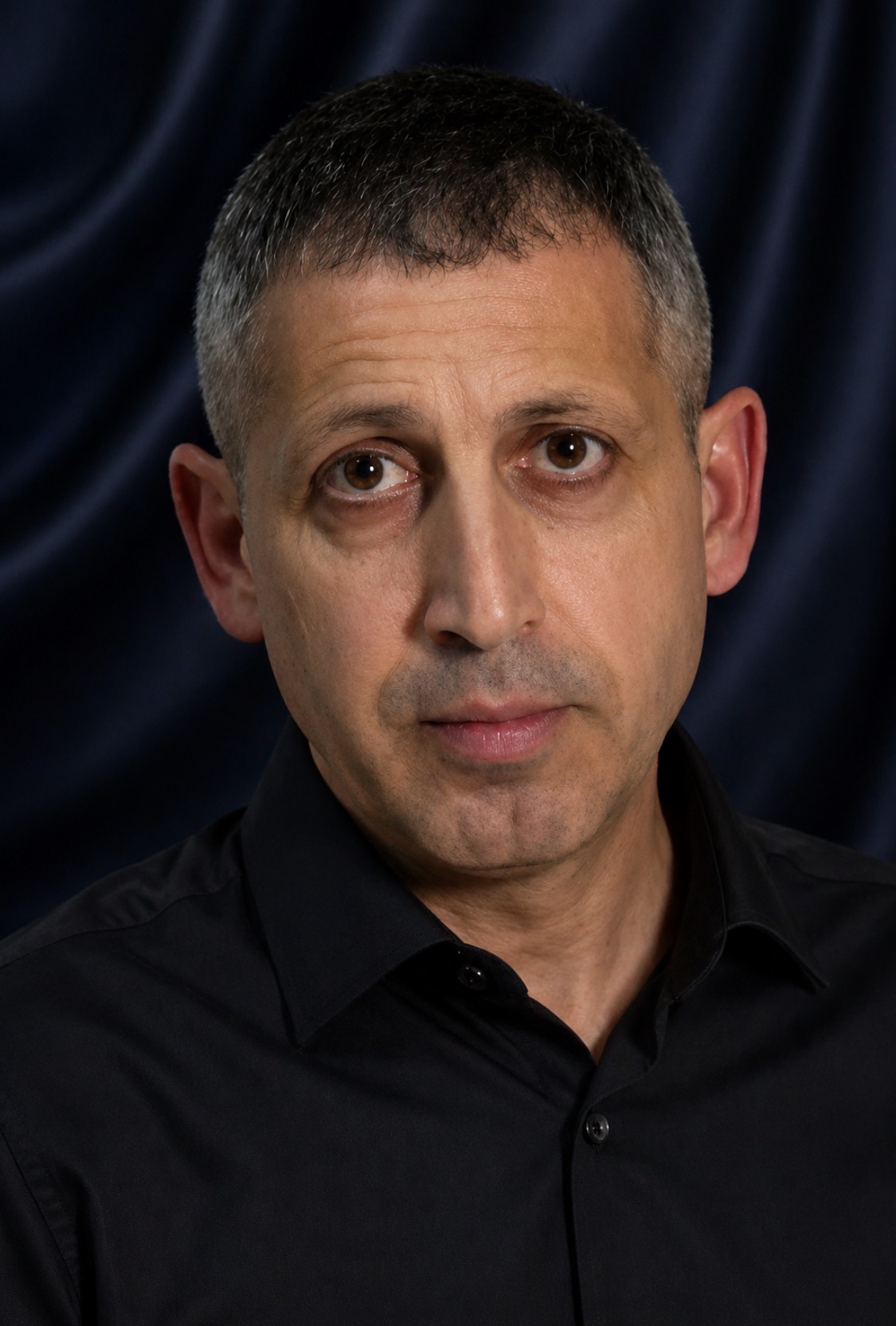
Mikhail, residential rehabilitation mentor at MAAVAR CLINIC

Mikhail

Daily routine • sleep recovery • discipline • practical restoration

Mikhail’s role begins where medical stabilization ends. He helps the resident move from irregular nights, impulsive decisions and avoidance into a predictable day with commitments that cannot be negotiated away by mood.

He does not diagnose, prescribe or make clinical decisions. His work is practical rehabilitation: showing up on time, completing tasks, tolerating discomfort, rebuilding sleep habits, participating in the group and learning to act before motivation feels perfect.

Morning structureWake time, hygiene, food, planning and visible commitments.
Evening accountabilityReview of triggers, decisions, unfinished tasks and tomorrow’s plan.

The family must stop financing and organizing the binge system

Families often become part of the cycle unintentionally: transferring money to prevent conflict, covering absences, returning devices too early, negotiating during paranoia or accepting a dramatic promise as evidence of change.

  • Do not debate psychosis. Reduce confrontation and move toward professional or emergency assessment.
  • Do not restore unrestricted access after the crash. Calm appearance is not the same as restored judgment.
  • Do not make detox the final goal. The family should prepare direct residential admission before stabilization ends.
  • Use consistent boundaries. Support treatment actions, not secrecy, money transfers or return to the old network.

What strengthens treatment—and what recreates the next binge

Rehabilitation logic

Use the short window of clarity to complete assessment and arrange admission.

Relapse logic

Accept another promise and return money, phone access and privacy immediately.

Rehabilitation logic

Transfer directly into the villa once the medical team confirms readiness.

Relapse logic

Send the person home because sleep and appetite have partially improved.

Rehabilitation logic

Practice routine, honesty, responsibility, family boundaries and relapse prevention every day.

Relapse logic

Wait passively for desire to use to disappear without changing behavior.

Composite clinical-rehabilitation case

Details changed to protect confidentialityA man in his thirties repeatedly stopped 4-MMC after frightening crashes. Each time he slept, ate, apologized and convinced the family that the episode was over. Within days he restored the same messaging apps, received money “for work” and disappeared again. The decisive change was not a stronger promise. Dr. Golin’s team first clarified psychiatric and physical safety; admission to the residential villa followed without a home interval. In the program, the work focused on sleep discipline, device and money triggers, honest reporting, family limits and the sequence of decisions that occurred hours before use.

What a family often notices after structured rehabilitation begins

“The biggest change was not that he sounded sorry. It was that his days stopped being built around secrecy, sleep loss and urgent messages. We finally had rules that did not change every night.”

Composite family testimony; identifying details changed.

Clinical and public-health sources

These sources support the medical context. They do not replace an individual assessment by the MAAVAR CLINIC medical team.

European Union Drugs AgencySynthetic cathinones and new psychoactive substances: monitoring, harms and market context.
United Nations Office on Drugs and CrimeEarly Warning Advisory on new psychoactive substances.
Israel Ministry of HealthAddiction treatment and rehabilitation information in Israel.

Frequently asked questions

The goal is to dismantle the binge-crash system and build stable recovery behavior. Stopping the latest episode is only the beginning.

Not every case requires the same medical intervention. Dr. Moshe Golin and the medical team assess psychiatric and physical risk and determine the clinically appropriate first stage.

Seizures, loss of consciousness, severe chest symptoms, violent psychosis, severe confusion, suicidal intent or immediate danger require urgent emergency help. In Israel call 101.

Prolonged sleep deprivation can worsen paranoia, disorganization, impulsivity and emotional collapse and may change the urgency of medical assessment.

A home interval restores access to devices, money, contacts and conflict before new recovery behavior has been practiced.

The resident follows a structured program of sleep restoration, therapeutic work, group participation, responsibility, adapted 12-step work, family boundaries and relapse prevention.

Mikhail supports daily routine, discipline, sleep habits, responsibility and practical rehabilitation. He does not diagnose or prescribe.

Yes. Family work focuses on communication, consistent boundaries, stopping enabling behavior and preparing the home for return.

No. The promise may be sincere, but sincerity does not remove triggers, access, sleep disruption or the learned sequence leading to use.

Yes. Alcohol, benzodiazepines, opioids, other stimulants or unknown substances can change medical risk and the required level of care.

MAAVAR CLINIC is located at Yehoshafat 14, Kiryat Gat, Israel.

Send a confidential WhatsApp message or call +972 54 757 8876. Describe the last use, sleep, mental state, mixed substances and immediate risks.

Do not let the crash become another unplanned return to the same network

Send a concise description of the last use, sleep, paranoia or psychotic symptoms, chest symptoms, suicidal statements, medications, other substances and previous attempts. The first decision is whether urgent medical assessment or planned admission is required.

Message MAAVAR CLINIC on WhatsAppReview the villa programCall +972 54 757 8876
WhatsApp and phone contact are handled privately. If there is immediate danger, loss of consciousness, a seizure, severe chest pain, violent psychosis or suicidal intent, call 101.
Medical review and rehabilitation frameworkThis page distinguishes acute medical stabilization from the principal residential rehabilitation stage. Medical assessment and clinical decisions are the responsibility of Dr. Moshe Golin and the MAAVAR CLINIC medical team. Mikhail contributes practical expertise in routine, discipline and daily restoration.
Call

Accessibility

Quick reading settings for this page.

WhatsApp