Clinical clarity
Assess sleep deprivation, mood, psychosis, cardiovascular symptoms, mixed substances and the need for stabilization.
Amphetamine addiction treatment in Israel: sleep deprivation, stimulant crashes, psychiatric risk, medical assessment and structured rehabilitation.
Amphetamine dependence often develops around performance, nightlife, weight control, long shifts or the belief that speed is still “working.” Over time, the pattern changes: sleep disappears, confidence turns into irritability or suspicion, money and relationships become unstable, and the next dose is used to avoid the crash rather than to feel good.
At MAAVAR CLINIC in Kiryat Gat, the first task is to clarify safety, psychiatric symptoms, mixed substances and the need for medical stabilization. Treatment then moves into structured rehabilitation focused on sleep, daily discipline, stimulant thinking, responsibility, family boundaries and relapse prevention.
Stopping use is essential, but treatment must also change the sleep pattern, thinking, access, relationships and daily structure that make another episode likely.
Assess sleep deprivation, mood, psychosis, cardiovascular symptoms, mixed substances and the need for stabilization.
Work on impulsivity, secrecy, stimulant permission thoughts, avoidance and the habit of using speed to solve every demand.
Build routine, boundaries, support and relapse-prevention behavior before the person returns to familiar pressure.
Early use may feel productive or social. Dependence becomes clearer when the person takes amphetamine to stay awake, repair the crash, escape emptiness or feel able to function at all.
Amphetamine withdrawal is often dominated by exhaustion, low mood and sleep disruption, but acute stimulant use can also involve cardiovascular strain, severe agitation, paranoia or psychosis.
Chest pain, overheating, collapse, seizures, severe agitation, suicidal risk, psychosis and unknown mixed substances.
Access, sleep, work pressure, stimulant thinking, debt, family boundaries, motivation and previous relapse patterns.
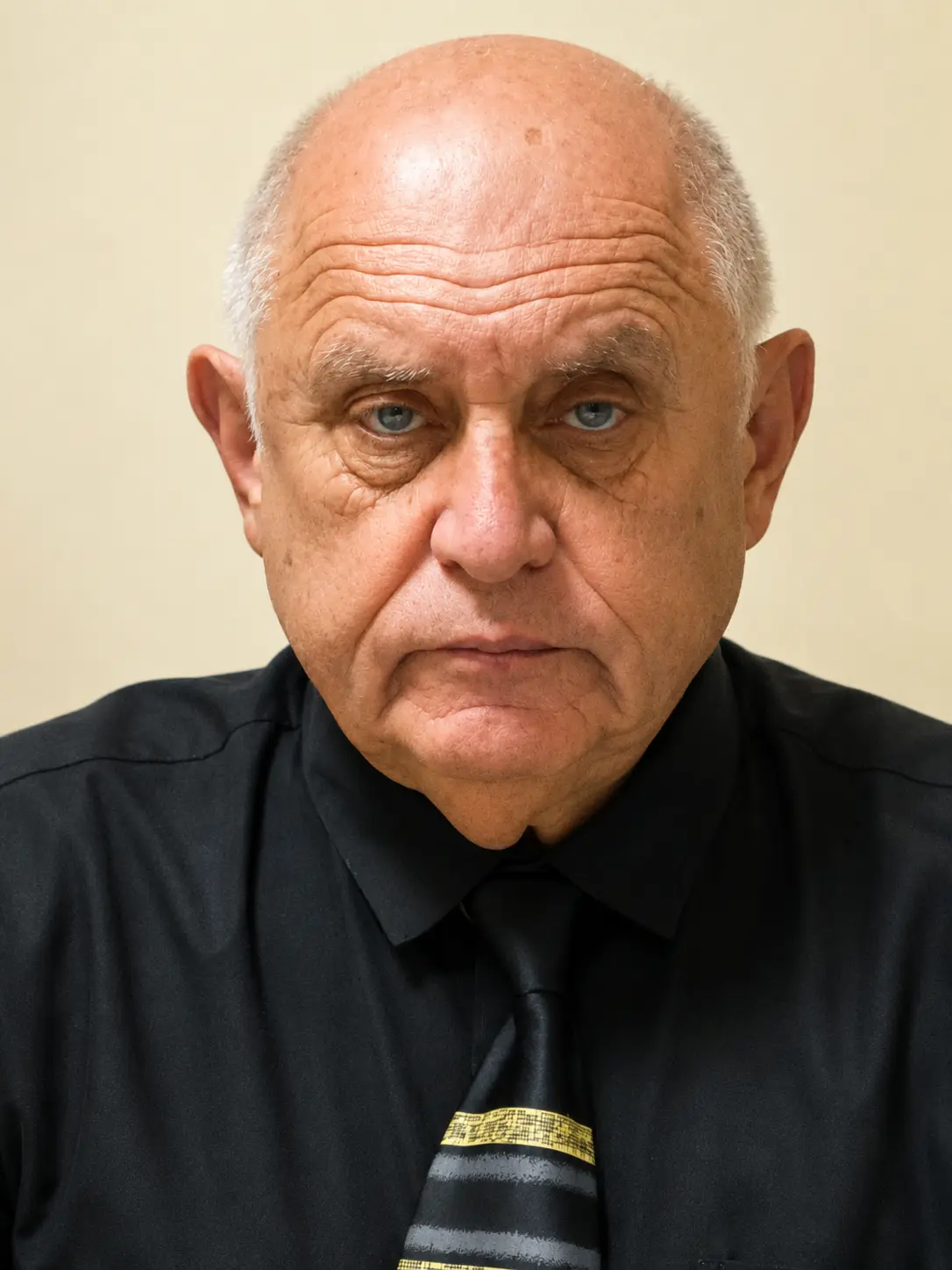
Psychiatrist, addiction physician, senior doctor with 40 years of experience
Dr. Golin evaluates stimulant pattern, sleep deprivation, mood, anxiety, paranoia, psychosis, suicidal thoughts, cognition, cardiovascular symptoms, medications and mixed use.
He and the medical team are responsible for diagnosis, stabilization, medication decisions, dual-diagnosis assessment and the clinical transition into rehabilitation.
People often arrive exhausted, suspicious, ashamed or convinced the stimulant is still necessary. A protected setting reduces access and creates room for motivation to become more realistic.
Family, health, debt, work or psychiatric consequences may be the first reason to accept help.
Sleep, food and distance from the stimulant environment make thinking less crisis-driven.
Motivation becomes stronger when the person sees evidence that life can function without speed.
The program connects clinical safety with a daily environment that repeatedly practises a different way of living.
Treatment challenges the belief that amphetamine is the only route to energy, confidence, productivity or social connection.
The person learns to work, rest and recover without forcing the body beyond its limits.
Craving and pressure are identified early, before the first message, purchase or dose.
Amounts, debts, mixed substances and consequences are described honestly.
Progress is measured through sleep, attendance, routine, honesty and repeated responsible behavior.
Relatives often become drivers, lenders, detectives and crisis managers. Treatment gives the family a clearer role: report risk, keep boundaries and support the program without financing or hiding the cycle.
Debts and urgent requests are handled according to a plan, not pressure or fear.
The family knows what requires the clinic, emergency care or an immediate call to 101.
Absences, debts and consequences are not automatically covered up.
Trust returns through stable behavior over time, not one emotional apology after a crash.

Recovery becomes possible when sleep, support, boundaries and realistic pacing are protected more strongly than performance, nightlife or the next stimulant promise.
“I am too exhausted to use today.”
“I use structure and support before pressure becomes a reason to use.”
“Amphetamine is the only way I can perform.”
Performance must fit a sustainable life, not destroy sleep and judgment.
The family repeatedly pays, explains and restores the damage.
The family supports treatment without financing or hiding the stimulant cycle.

Family and crisis support for boundaries, communication and stimulant recovery
Karin works with the family system around stimulant use: panic calls, money pressure, broken promises, conflict, secrecy and the fear that every boundary will push the person away.
She is not a physician and does not diagnose, prescribe medication, conduct detox or make clinical decisions. Her role is to help the family communicate clearly, keep boundaries and support the rehabilitation route.
This page provides general information and does not replace individual medical or psychiatric assessment.
Treatment begins with safety and psychiatric assessment when indicated, then moves into structured rehabilitation focused on sleep, stimulant thinking, routine, responsibility, family boundaries and relapse prevention.
No. Medical stabilization may be necessary, but treatment continues after the acute stage. Rehabilitation addresses the behaviors, environment and thinking that keep the stimulant cycle active.
Yes. MAAVAR CLINIC is a licensed medical clinic in Kiryat Gat. Dr. Moshe Golin and the medical team perform assessment, diagnosis, stabilization, medication and clinical decisions according to indication.
Chest pain, severe agitation, hallucinations, seizures, collapse, overheating, suicidal behavior, dangerous aggression or inability to remain safe require urgent medical care. In Israel, call 101.
Sleep loss intensifies anxiety, irritability, impulsivity and psychosis risk. Restoring a stable sleep-wake rhythm is a central part of stabilization and rehabilitation.
Tell the medical team exactly what was used. Mixed substances can change cardiovascular, psychiatric, sedation and overdose risk.
The program includes structured living, individual and group work, daily routine, responsibility, trigger mapping, emotional regulation, family boundaries and relapse-prevention planning.
Karin supports family communication, crisis boundaries and the rehabilitation process. She is not a physician and does not diagnose, prescribe medication, conduct detox or make clinical decisions.
There is no single timetable. Progress is measured through safety, sleep, participation, honesty, routine, emotional stability, family functioning and sustained relapse-prevention behavior.
Write on WhatsApp, call +972 54 757 8876, or email dhvny8@gmail.com. Immediate danger takes priority over privacy; in an emergency call 101.
Write briefly: stimulant or suspected substance, frequency, last use, how long the person has been awake, chest pain, paranoia, aggression, debt, alcohol, pills and what feels dangerous now.
At MAAVAR CLINIC, medical and psychiatric assessment are connected directly to structured rehabilitation, family boundaries and relapse prevention.
Quick reading settings for this page.