Assess the acute state
Sleep deprivation, chest symptoms, overheating, psychosis, depression, suicidal risk and mixed substances determine the first level of care.
Methamphetamine addiction treatment in Israel: medical assessment, psychosis and sleep risk, stabilization and structured rehabilitation.
Families often contact us after the same sequence has repeated: crystal meth or meth, several nights without sleep, secrecy, spending, suspicion, aggression, a severe crash and a sincere promise that this time will be different.
At MAAVAR CLINIC in Kiryat Gat, treatment begins with medical and psychiatric assessment. Once urgent instability is controlled, rehabilitation addresses the system that keeps the cycle alive: sleep, triggers, motivation, behavior, daily responsibility, family boundaries and relapse prevention.
The immediate state matters, but recovery requires a sequence: assess danger, stabilize when indicated, restore sleep and orientation, then work on motivation, behavior, environment and relapse prevention.
Sleep deprivation, chest symptoms, overheating, psychosis, depression, suicidal risk and mixed substances determine the first level of care.
Phone contacts, night routines, access, debt, shame and the drive to restore energy can restart use after the first sleep.
Treatment develops daily structure, motivation, responsibility, family boundaries and a response plan for triggers and craving.
The need for treatment is shown by the repeating pattern and its consequences, not by whether the person can sound convincing during the crash.
Long periods awake are followed by collapse, but normal sleep and daily rhythm do not remain stable.
Suspicion, fixed beliefs, hallucinations, severe anxiety or impulsive decisions appear during or after stimulant runs.
Money, work, relationships, parenting, promises and communication are repeatedly damaged by the same cycle.
Relatives monitor phones, cover debt, search for the person, argue through the night and wait for the next collapse.
A treatment plan must address both the stimulant episode and the conditions that make the next episode easy to restart.
Severe stimulant toxicity and psychiatric instability require medical assessment. Families should not restrain, confront or medicate a dangerous state on their own.
Chest pain, severe shortness of breath, fainting, seizure, collapse or marked weakness require emergency evaluation.
Very high body temperature, severe agitation, confusion or dehydration can become medically dangerous.
Hallucinations, delusions, severe paranoia, threats or unsafe behavior require urgent psychiatric and medical assessment.
Self-harm statements, inability to remain safe, opioids, alcohol, benzodiazepines or unknown substances change the urgency.
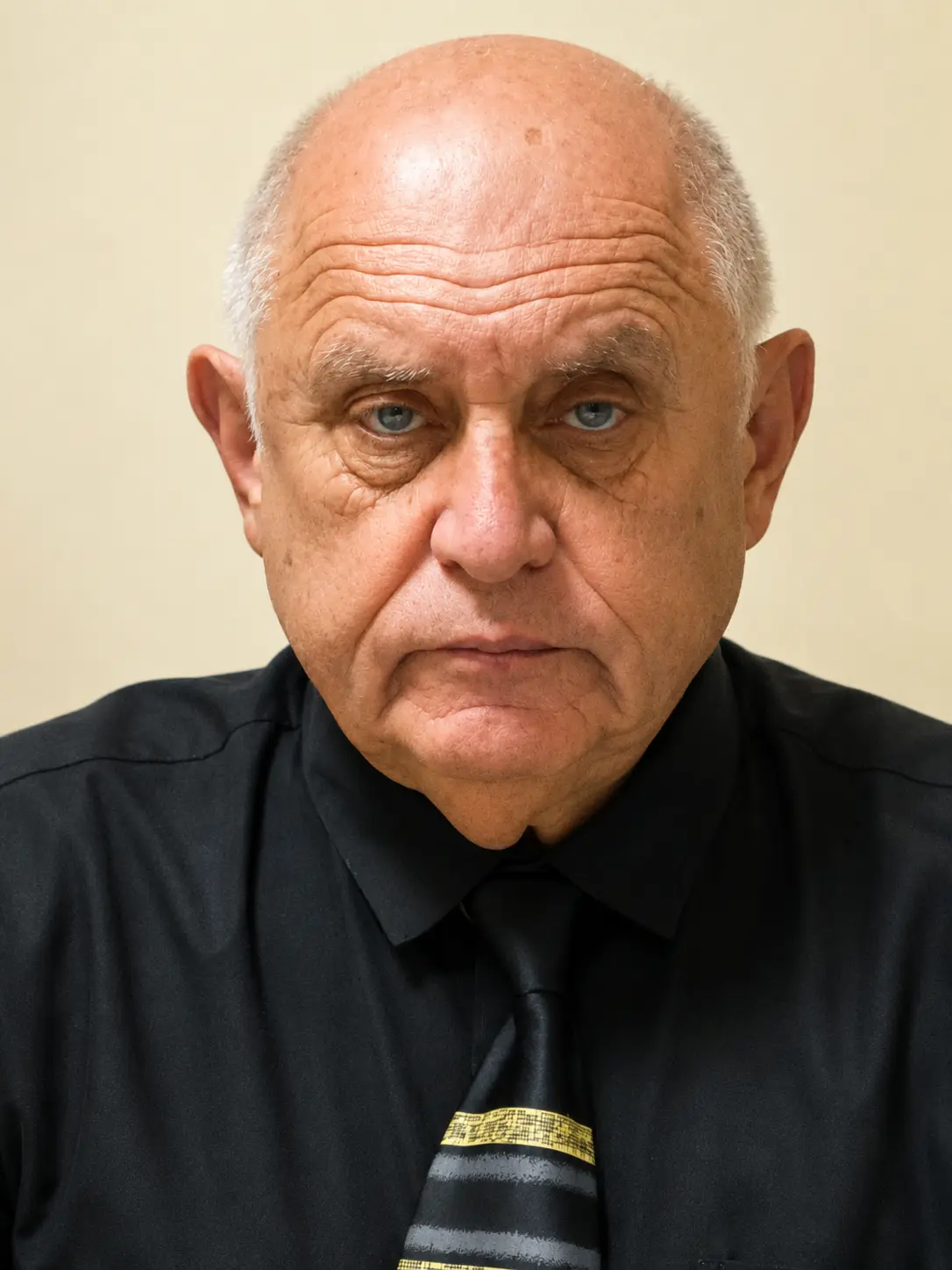
Psychiatrist, addiction physician, senior doctor with 40 years of experience
Dr. Golin assesses the methamphetamine pattern, sleep deprivation, cardiovascular symptoms, psychosis, depression, suicidal risk, cognition, other substances and co-occurring psychiatric conditions.
He and the MAAVAR CLINIC medical team are responsible for diagnosis, stabilization, medication decisions, psychiatric care, addiction medicine and the clinical transition into rehabilitation.
Methamphetamine withdrawal is often dominated by sleep, mood, craving and psychiatric symptoms. The first task is not a universal medication protocol; it is an individualized assessment of safety and stability.
Heart symptoms, temperature, hydration, nutrition, exhaustion and injuries from prolonged wakefulness or risky behavior.
Psychosis, panic, depression, suicidal thinking, aggression, cognition and the ability to cooperate safely.
Frequency, route, unknown powders, opioids, alcohol, benzodiazepines, cocaine, mephedrone and prescribed medication.
Whether emergency care, medical stabilization, psychiatric treatment or direct entry into rehabilitation is appropriate.
Relatives are important to treatment, but they cannot replace medical assessment or carry recovery through constant monitoring.

Recovery is not measured by one long sleep or one apology. It is measured by medical stability, honest participation, a restored daily rhythm, distance from the old stimulant system and repeated choices that can continue after treatment.
The program connects medical safety to rehabilitation before the old environment, phone contacts and night rhythm regain control.
The family waits for sleep and treats temporary exhaustion as the end of the problem.
Assess medical and psychiatric risk, then connect stabilization directly to rehabilitation.
Surveillance, interrogation and money rescue increase conflict while the treatment system remains weak.
The team, patient and family work through clear roles, facts, boundaries and responsibility.
Sleep, environment, motivation, debt, triggers and behavior are left unchanged.
Recovery addresses the body, mental state, daily routine, relationships and relapse chain together.

Recovery mentor for motivation, responsibility and an adapted 12-step framework
After stabilization, the person may feel exhausted, ashamed or briefly determined, but still have no practical way to live through low energy, craving, conflict or contact with the old environment. Ramiz helps turn intention into repeated recovery actions.
He is not a physician and does not diagnose, prescribe medication, perform detox or make clinical decisions. His role is mentorship and practical rehabilitation after the acute medical stage.
The risk often rises when the person feels physically better but has not yet developed a stable response to craving, low mood, insomnia, debt or contact with the old network.
Psychiatric follow-up, symptom treatment, medication safety and honest reporting remain connected to the medical team.
Routine, motivation, behavioral work, family boundaries and relapse prevention begin while the first stable window is open.
“We stopped treating every crash as a fresh beginning.”“The medical assessment helped us understand which signs were dangerous and why several nights of sleep loss could not be handled through arguments. Ramiz then helped move the conversation from promises to routine, responsibility and concrete recovery work. Names and identifying details have been withheld.”
MAAVAR CLINIC provides medical assessment, diagnosis, stabilization, medication management, psychiatric care and addiction treatment within its licensed framework and according to clinical indications.
The license is displayed for transparency. It does not replace individual assessment and does not guarantee that one level of care is suitable for every patient.

This page provides general information and does not replace emergency care, diagnosis or an individualized treatment plan.
Treatment begins with medical and psychiatric assessment of current use, sleep deprivation, cardiovascular symptoms, psychosis, depression, suicidal risk and other substances. After acute stabilization when indicated, rehabilitation addresses routine, motivation, triggers, behavior, family boundaries and relapse prevention.
Call Magen David Adom at 101 for chest pain, severe shortness of breath, a seizure, collapse, extreme overheating, severe confusion, hallucinations, dangerous aggression, suicidal behavior or inability to remain safe. Emergency care takes priority over planned admission.
Yes. MAAVAR CLINIC is a licensed medical clinic in Kiryat Gat. Dr. Moshe Golin and the medical team perform assessment, diagnosis, stabilization, medication decisions, psychiatric care and addiction medicine according to clinical indications.
No. Sleep may reduce acute exhaustion, but it does not remove craving, depression, debt, phone contacts, triggers, family conflict or the learned stimulant cycle. The first calm period should be connected to a structured treatment plan.
There is no single medication that reliably replaces a comprehensive treatment program. A physician may treat specific symptoms or co-occurring conditions, while evidence-based care for stimulant use disorder relies heavily on behavioral treatment, motivation, structured reinforcement and continuing support.
The methamphetamine addiction page focuses on warning signs, the stimulant cycle and family recognition. This page focuses on treatment: medical assessment, stabilization, rehabilitation, the roles of the clinical and recovery teams, family work and relapse prevention.
Psychosis, hallucinations, severe paranoia, confusion or dangerous behavior require urgent medical and psychiatric assessment. Family members should not argue with delusional beliefs or attempt to manage a dangerous state alone.
The rehabilitation stage restores sleep and daily rhythm, identifies triggers, develops alternative responses, works with motivation and responsibility, rebuilds family boundaries and prepares a continuing relapse-prevention plan.
Ramiz supports motivation, mentorship, practical recovery learning, an adapted 12-step framework, responsibility and continuation after stabilization. He is not a physician and does not diagnose, prescribe medication, perform detox or make clinical decisions.
There is no universal duration. The route depends on psychiatric stability, sleep recovery, frequency and duration of use, mixed substances, previous relapse, family conditions, participation and the level of support required after discharge.
Write on WhatsApp, call +972 54 757 8876, or email dhvny8@gmail.com. Include the last use, days without sleep, psychosis or paranoia, chest symptoms, aggression, suicidal risk, alcohol, pills and other substances. In an emergency, call 101 first.
Write briefly: last methamphetamine or crystal meth use, days without sleep, chest symptoms, overheating, paranoia or hallucinations, aggression, suicidal thoughts, debt, alcohol, pills, opioids and other stimulants.
At MAAVAR CLINIC, medical assessment and stabilization are connected directly to sleep restoration, motivation, behavioral work, family boundaries and relapse prevention.
Quick reading settings for this page.