Use becomes central
Sleep, money, relationships and safety are repeatedly reorganized around methamphetamine, crystal meth or the next opportunity to use.
Methamphetamine addiction in Israel: prolonged sleep loss, paranoia, stimulant psychosis, family warning signs and licensed medical assessment at MAAVAR CLINIC.
Methamphetamine addiction rarely looks like one isolated episode. Families often describe several days without normal sleep, a closed phone, rapid plans, suspicion, money pressure, aggression or disappearing — followed by exhaustion, shame and another promise that the crisis is over.
The first task is not to win an argument. It is to distinguish an emergency from a repeating addiction pattern, document what changed and move the person into medical assessment before the next calm period closes.
The page focuses on recognition and risk. The separate treatment page explains the full medical and rehabilitation route after the problem has been identified.
Sleep, money, relationships and safety are repeatedly reorganized around methamphetamine, crystal meth or the next opportunity to use.
Paranoia, debt, work problems, family conflict or a severe crash may lead to promises without lasting change.
Relatives monitor the phone, cover consequences, wait for sleep and try to restore normal life after each episode.
No single sign proves methamphetamine addiction. A repeating cluster and the change from the person’s usual functioning matter more than one isolated behavior.
Several nights with little or no normal sleep, followed by collapse or an inverted day-and-night rhythm.
Beliefs that relatives, colleagues or strangers are monitoring, betraying or controlling the person.
Fast speech, multiple plans, constant messaging, repetitive tasks and decisions that do not match consequences.
Unexplained expenses, urgent requests, missing property, hidden contacts and anger at ordinary questions.
Exhaustion, emptiness, irritability, depression or another search for stimulation after the run ends.
The person may sincerely intend to stop after the crash but return when energy, shame, pressure or access reappears.
A timeline helps separate the actual sequence from arguments about intent. It also gives the medical team more useful information.
Stimulant emergencies can involve cardiovascular, neurological, temperature-regulation and psychiatric danger. Do not use privacy as a reason to postpone urgent care.
Chest pain, severe shortness of breath, collapse, seizure, weakness on one side, severe headache or loss of consciousness.
Very high temperature, hot dry skin, severe weakness, confusion, inability to drink safely or rapid deterioration.
Hallucinations, fixed paranoid beliefs, severe confusion, dangerous aggression, wandering or inability to understand immediate risk.
Self-harm behavior, statements about death, opioids, alcohol, sedatives, cocaine, mephedrone, unknown pills or suspected contamination.
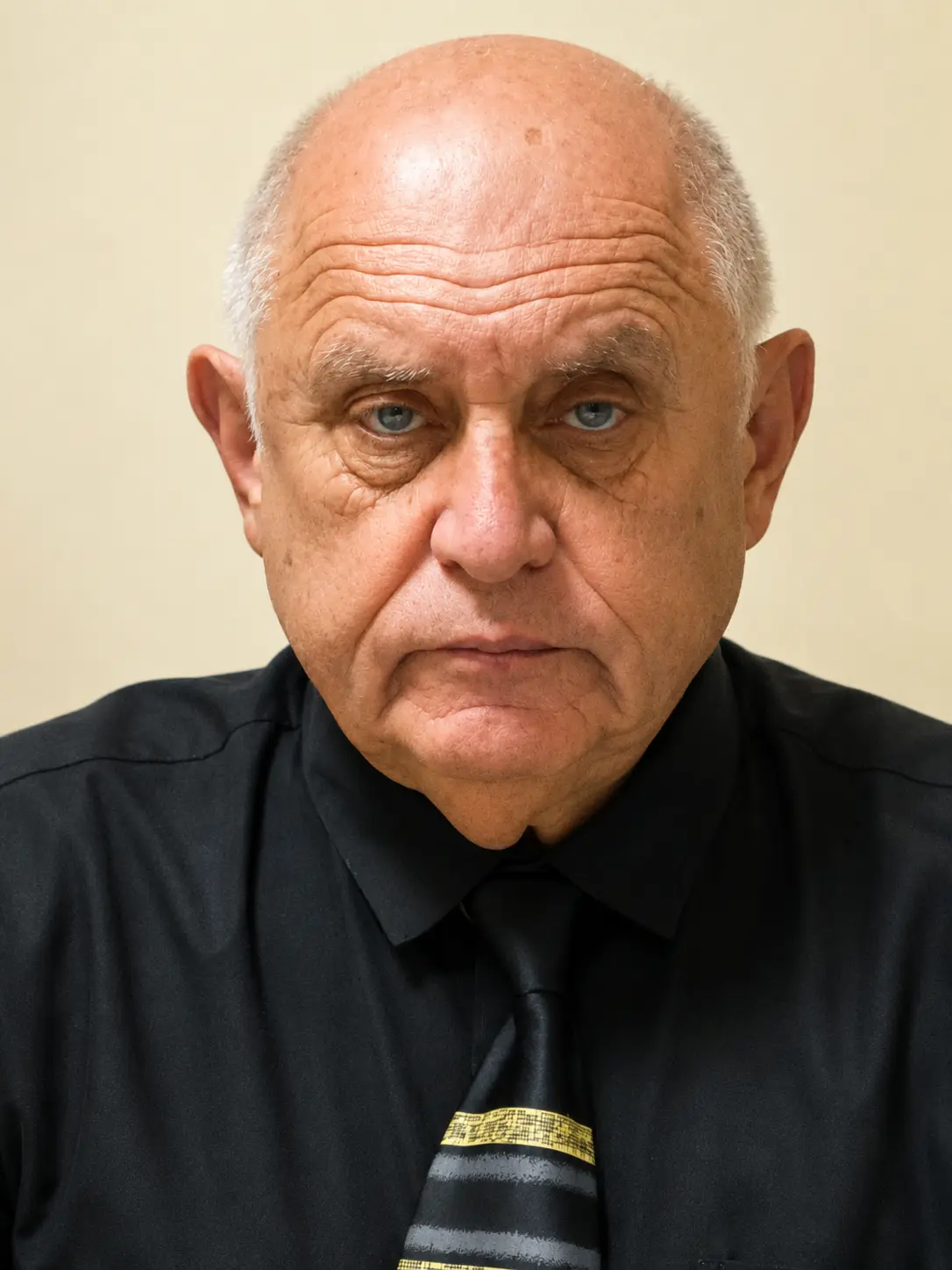
Psychiatrist, addiction physician, senior doctor with 40 years of experience
Dr. Golin assesses the methamphetamine pattern, sleep deprivation, cardiovascular symptoms, psychosis, depression, suicidal risk, cognition, other substances and co-occurring psychiatric conditions.
He and the MAAVAR CLINIC medical team are responsible for diagnosis, stabilization, medication decisions, psychiatric care, addiction medicine and the clinical transition into rehabilitation.
The family does not need to diagnose the condition. It should preserve facts that help the clinical team separate several overlapping possibilities.
Recent use, repeated dosing, overheating, chest symptoms, agitation, collapse and possible contamination or mixed substances.
Disorientation, irritability, cognitive impairment and perceptual changes that may worsen with every missed night.
Paranoia, hallucinations, delusional beliefs or dangerous behavior that require psychiatric assessment.
Mood disorder, trauma, medication effects, infection, head injury or another condition may alter the clinical picture.

A calm morning can disappear when the phone, debt, shame and old contacts return. Use the first workable window to move from recognition into a structured route.
This page stops at the entry point. The separate treatment page explains the full rehabilitation program.
The family treats exhaustion as proof that the crisis has ended.
Arrange assessment while the person is calmer and before access and pressure restart the cycle.
The conversation becomes a trial about lies, money and intent during a state of sleep deprivation or paranoia.
Give the clinical team a timeline of use, sleep, behavior, symptoms and mixed substances.
Relatives become guards, detectives, financiers and emergency responders without a stable plan.
Emergency services, the medical team, rehabilitation staff and family each hold a clear responsibility.

Family support specialist for crisis communication, boundaries and adaptation
Karin helps relatives move away from surveillance, rescue, repeated accusation and payment for short-term quiet. She helps the family describe facts, agree on safety limits and communicate the same treatment line.
She is not a physician and does not diagnose, prescribe medication, perform detox or make clinical decisions. Her role is family support and adaptation to the medical and rehabilitation plan.
The cycle often restarts when everyone agrees there is a problem but no protected next step has been prepared.
Assessment, stabilization, psychiatric follow-up and medication safety remain with Dr. Golin and the medical team.
Communication, boundaries, money access and relapse warnings are aligned with the rehabilitation plan rather than improvised after discharge.
“We stopped waiting for sleep to solve everything.”“Dr. Golin’s team helped us understand which signs were medical and why paranoia after several sleepless nights could not be handled through arguments. Karin helped us replace surveillance and rescue with one consistent family line. Names and identifying details have been withheld.”
MAAVAR CLINIC provides medical assessment, diagnosis, stabilization, medication management, psychiatric care and addiction treatment within its licensed framework and according to clinical indications.
The license is displayed for transparency. It does not replace individual assessment and does not guarantee that one level of care is suitable for every patient.

This page provides general information and does not replace emergency care, diagnosis or an individualized treatment plan.
A repeating combination of prolonged sleep loss, intense energy, secrecy, rapid speech, suspiciousness, money problems, disappearing, emotional crashes and continued use despite harm can indicate a serious methamphetamine problem. No single sign proves a diagnosis, so assessment should consider the full pattern.
Call Magen David Adom at 101 for chest pain, severe shortness of breath, seizure, collapse, extreme overheating, severe confusion, hallucinations, dangerous aggression, suicidal behavior or inability to remain safe. Emergency care comes before a planned clinic admission.
Yes. Methamphetamine, especially together with prolonged sleep deprivation or repeated use, can be associated with severe paranoia, hallucinations, delusional beliefs, confusion and dangerous behavior. These symptoms require urgent medical and psychiatric assessment.
No. Sleep can reduce acute exhaustion, but it does not remove craving, depression, debt, access, phone contacts, family conflict or the learned stimulant cycle. The first calm period should be used to arrange assessment and a structured next step.
This page focuses on recognition: the methamphetamine pattern, family warning signs, psychosis risk, emergency boundaries and the point at which waiting is unsafe. The treatment page explains the medical and rehabilitation route after the need for help has been recognized.
Yes. MAAVAR CLINIC is a licensed medical addiction-treatment structure in Kiryat Gat. Dr. Moshe Golin and the medical team perform assessment, diagnosis, stabilization, medication decisions, psychiatric care and addiction medicine according to clinical indications.
Do not argue with delusional beliefs, crowd the person or try to force a long explanation. Reduce stimulation, preserve physical distance, remove bystanders when possible and seek urgent professional help if there is danger, severe confusion, hallucinations or inability to remain safe.
Constant phone checks, interrogation and physical control can increase conflict and may intensify suspiciousness in a sleep-deprived or paranoid state. Families need clear safety boundaries and professional guidance rather than becoming a twenty-four-hour monitoring system.
Rehabilitation focuses on restoring sleep and daily rhythm, identifying triggers, developing alternative responses, rebuilding responsibility, improving family communication and preparing a relapse-prevention plan for low mood, craving, money, old contacts and disrupted nights.
Karin supports relatives with crisis communication, consistent boundaries and adaptation to the treatment plan. She is not a physician and does not diagnose, prescribe medication, perform detox or make clinical decisions.
Write on WhatsApp, call +972 54 757 8876, or email dhvny8@gmail.com. Include the last use, days without sleep, chest symptoms, overheating, paranoia or hallucinations, aggression, suicidal risk, alcohol, pills and other substances. In an emergency, call 101 first.
Write briefly: last use, days without normal sleep, chest symptoms, overheating, paranoia or hallucinations, aggression, suicidal thoughts, debt, alcohol, pills, opioids and other stimulants.
At MAAVAR CLINIC, the first step is to separate emergency danger from a planned medical and psychiatric assessment, then connect stabilization to structured recovery.
Quick reading settings for this page.