Observe the change
Record what the person says and does, when it began and how it differs from their usual behavior without turning an observation into a diagnosis.
Drug-induced psychosis in Israel at MAAVAR CLINIC: emergency boundaries, psychiatric assessment, stabilization and residential villa recovery.
A family may first notice one sleepless night, locked doors, a covered camera, accusations or speech that no longer follows an ordinary conversation. The person may be terrified and certain that the threat is real. Trying harder to prove otherwise can increase fear instead of restoring contact.
At MAAVAR CLINIC, Dr. Moshe Golin and the medical team assess the substance timeline, physical condition, psychiatric state and immediate danger, then provide diagnosis, stabilization, medication and addiction care according to clinical indications. Once the acute threshold is stable, the planned destination is the private residential villa program—not an unprotected return to the same phone, contacts, sleep loss and access.
Psychosis describes impaired contact with reality: hallucinations, fixed false beliefs, severe paranoia, disorganized thinking or behavior that cannot be understood through an ordinary shared reality. A substance may be involved, but intoxication, withdrawal, sleep deprivation, medication effects, physical illness and a primary psychiatric condition can overlap.
Record what the person says and does, when it began and how it differs from their usual behavior without turning an observation into a diagnosis.
Last use, repeated dosing, unknown pills, prescribed medicines and the last normal sleep may explain more than the street name given to a substance.
The immediate clinical stage needs a destination. Once stable, the person should enter a structured residential day rather than return directly to access.
This page follows the reality-risk and psychiatric decision. The drug addiction page explains the wider loss-of-control pattern, while drug detox in Israel focuses on substance-specific withdrawal and acute medical stabilization.
Useful reporting is concrete. It avoids arguing about whether the experience is “real” and gives the medical team a clearer picture of judgment, behavior, physical risk and change over time.
The person may be certain that relatives, neighbors, cameras, phones or strangers are watching, poisoning, recording or planning harm.
Voices, visions, tactile sensations or commands may alter behavior even when nobody else can perceive the same experience.
Speech may lose a clear sequence; the person may barricade a room, wander, hide objects, dismantle devices or act from a private logic.
Several nights without sleep, dehydration, overheating, chest symptoms, falls or exhaustion can accompany and intensify psychiatric instability.
A private clinic conversation is appropriate only when it does not delay a higher level of care. The route changes with danger, physical instability, ability to cooperate and the need for hospital psychiatric or emergency assessment.
Immediate danger, violent behavior, a weapon, suicidal behavior, collapse, seizure, breathing danger or rapid deterioration comes before planned admission.
Severe psychosis, inability to meet basic needs, refusal of help with dangerous behavior or a condition requiring intensive observation may require hospital-level evaluation.
When the person can be safely assessed at the clinic level, Dr. Golin and the medical team clarify psychiatric, addiction and physical risk and determine the plan.
The villa is the next recovery setting after the acute condition permits participation. It is not an emergency room and does not replace acute psychiatric care.
This section is about what to do during immediate danger, not another symptom list. Safety takes priority over privacy, persuasion, transport plans or preserving the appearance of a calm home.
Do not ridicule, corner or debate. Acknowledge fear without confirming the belief and avoid sudden movements when it is safe to do so.
Move children and bystanders away, keep a clear exit and do not attempt restraint or confiscation if that action could provoke violence.
Do not add alcohol, sleeping pills, stimulants or borrowed medication in an attempt to calm or balance the condition.
Tell responders what may have been used, last use, last normal sleep, current behavior, physical signs, weapons or threats and previous relevant history.
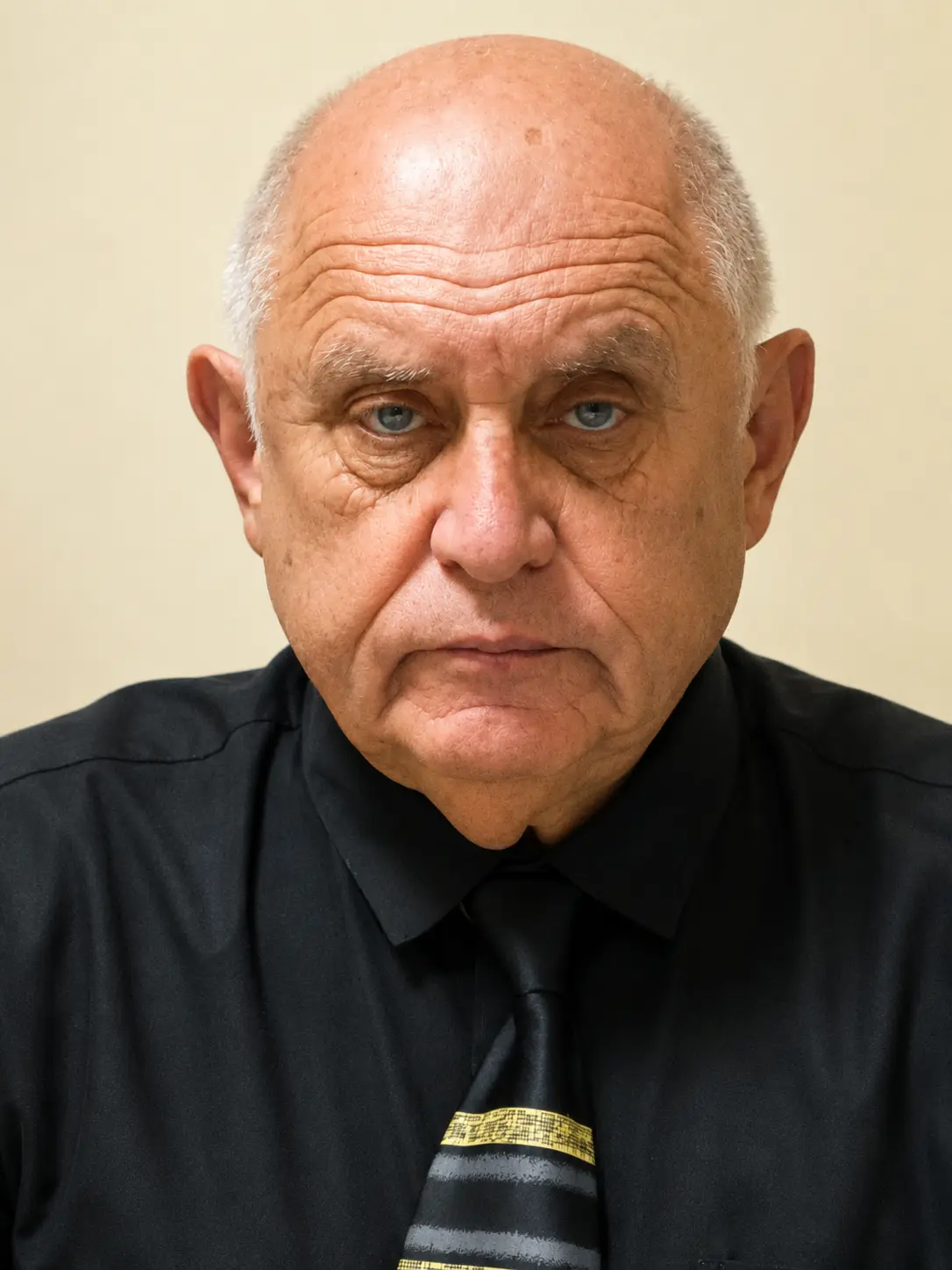
Psychiatrist, addiction physician, senior doctor with 40 years of experience
Dr. Golin evaluates whether the current picture is consistent with intoxication, withdrawal, a stimulant crash, sleep-deprivation effects, a medication interaction, a physical condition or another psychiatric process. He considers the whole timeline rather than assigning the episode to the drug name the family expects.
He and the MAAVAR CLINIC medical team are responsible for psychiatric and addiction assessment, diagnosis, stabilization, medication, detox when indicated, clinical monitoring and decisions about emergency or hospital transfer and readiness for the residential stage. View the clinic license.
A person in psychosis may be unable or unwilling to give a complete history. Family observations and previous records can therefore matter, but uncertainty must remain clearly labeled as uncertainty.
Known and suspected substances, route, amount, repeated dosing, last use, prescribed medicines, unknown pills or powders and alcohol combinations.
Last normal conversation and sleep, first unusual belief, pacing, hiding, aggression, disappearance, property damage or inability to eat, drink or rest.
Consciousness, breathing, temperature, chest symptoms, falls, injuries, dehydration, seizure, overdose response and recent emergency treatment.
Earlier psychosis or mood episodes, psychiatric care, suicide risk, medical illness, current prescriptions, allergies and prior response to treatment.
MAAVAR CLINIC directly provides psychiatric and addiction assessment and clinical stabilization when the person is appropriate for the clinic setting. The plan is individualized, and emergency or hospital-level needs override a residential timetable.
Separate psychosis, intoxication, withdrawal, delirium, sleep-deprivation effects, mood symptoms and physical causes as far as the examination allows.
Use monitoring, medication, hydration, psychiatric care, detox and other clinical interventions when Dr. Golin and the medical team determine they are indicated.
One calm conversation or a period of sleep does not by itself establish insight, safe judgment or readiness to leave the acute stage.
The medical team sets the point at which the person can safely follow the villa routine, communicate with staff and participate in recovery work.
The person may remember little, feel ashamed, deny what happened or believe the episode was caused only by one bad batch or one sleepless night. The quieter stage still contains important relapse and safety work.
Speech can become organized before the person accepts the connection among substances, sleep loss, behavior and danger.
A phone, money, one contact or a return to the same night routine can restart use before an early-warning plan exists.
Relatives may alternate between surveillance, blame, rescue and silence unless the residential route gives everyone a clearer structure.
The transition is prepared before the acute stage ends. A direct move into the residential villa prevents the first calmer hours from becoming an unscheduled return through the same devices, contacts and places.
Medical stabilization protects the acute threshold. The private villa program works on the repeated daily conditions that preceded the episode and could recreate it: disrupted sleep, secrecy, access, isolation, impulsivity and the absence of a usable response plan.
The residential villa program begins only after the acute condition is clinically appropriate for it. It does not replace emergency or acute psychiatric care. A new seizure, collapse, severe confusion, immediate danger or rapidly returning psychosis requires medical reassessment, not a routine program response.
The family does not need to validate a delusion or expose it as false. The immediate task is to communicate safety, reduce unnecessary stimulation and give clinicians an accurate history.
An unknown substance does not justify delaying help when the behavior, physical condition or danger already requires assessment.
Repeated proof, ridicule or confrontation can make the person feel surrounded and intensify defensive behavior.
One night of sleep can improve appearance without restoring insight, judgment, stability or a safe plan for access.
If transfer, devices, contacts and the first-day structure remain undecided, the person can return to the same triggers during the most fragile gap.

The medical stage decides when the acute danger has changed. The villa program then gives the person a protected place to sleep, orient, speak, accept limits and practice an early response before the next warning becomes another crisis.
What syndrome is present now, and what level of care is required for immediate safety?
Which early changes in sleep, certainty, isolation or contact should trigger action before danger returns?
Which clinical interventions and observation are indicated, and how is the person responding?
Which routines, conversations and boundaries help the person remain engaged when discomfort returns?
Is judgment and behavior stable enough for residential participation, and what follow-up remains necessary?
Can the person and family recognize the pre-crisis sequence and use a shared response plan?

Family-support coordinator for crisis clarity, boundaries and recovery adaptation
Psychosis can split a family into competing roles: one relative argues, one hides the crisis, one rescues, and one wants immediate force. Karin helps relatives replace conflicting messages with a calmer shared position and a factual channel to the medical and villa teams.
After stabilization, she supports boundaries and adaptation around contact, visits, devices, money and the return home. She is not a physician and does not diagnose, prescribe medication, perform detox or make clinical decisions.
These official sources support the emergency boundary, access to psychiatric assessment, recovery after acute distress and the risks associated with psychotic disorders and synthetic cathinones. They do not replace an individual examination.
Drug-induced psychosis is a loss of reliable contact with reality associated with substance use, intoxication, withdrawal or a related state. It may involve hallucinations, fixed false beliefs, severe paranoia, disorganized thinking or unsafe behavior. Only a qualified clinician can determine the diagnosis and rule out other medical or psychiatric causes.
These states can overlap and may look similar to a family. The distinction depends on the substance timeline, consciousness, orientation, physical findings, sleep, thought content, behavior and clinical examination. The family should report observations rather than try to make the diagnosis at home.
Yes. Dr. Moshe Golin and the MAAVAR CLINIC medical team provide psychiatric and addiction assessment, diagnosis, stabilization, medication and clinical care according to indications and the clinic’s Israeli Ministry of Health license. If emergency or hospital-level care is required, that route takes priority.
In Israel, call Magen David Adom at 101 for immediate danger to self or others, a weapon, violent behavior, inability to remain safe, loss of consciousness, breathing difficulty, blue or grey lips, seizure, collapse, chest pain, severe confusion, suicidal behavior or rapid deterioration.
Do not try to win a debate about what is real. Speak calmly, use short sentences, acknowledge that the person is frightened without confirming the belief, reduce stimulation when safe and seek professional help. Immediate danger requires emergency services.
Provide the known or suspected substances, route and last use, unknown pills or powders, prescribed medicines, sleep history, first behavioral change, hallucinations or beliefs, threats, physical symptoms, previous psychosis, seizures, overdose, psychiatric history and recent emergency care.
Not necessarily. Sleep and reduced stimulation may change the visible behavior, but the person may still have impaired judgment, residual suspiciousness, poor insight, craving or a high risk of returning to substances. Readiness for the next stage is a clinical decision.
The villa program creates a protected daily environment for sleep rhythm, routine, individual and group work, reality-based communication, responsibility, family boundaries, recognition of early warning signs and relapse prevention. It does not replace emergency or acute psychiatric care.
Karin supports family communication, crisis clarity, boundaries and recovery adaptation before and after the transition into the villa program. She is not a physician and does not diagnose, prescribe medication, perform detox or make clinical decisions.
Write on WhatsApp, call +972 54 757 8876, or email dhvny8@gmail.com. Include what was used, last use, sleep, current behavior, physical symptoms and whether the person is safe now. Emergency danger takes priority over planned admission; in Israel, call 101.
Write briefly: known or suspected substances, route and last use, unknown pills or powders, last normal sleep, current beliefs or behavior, consciousness and breathing, physical symptoms, threats, previous psychosis, medicines and whether anyone is in immediate danger.
Dr. Moshe Golin and the MAAVAR CLINIC medical team assess the psychiatric and addiction picture, provide stabilization and clinical care when appropriate, and prepare the protected transition into the private residential villa program.
Quick reading settings for this page.