Confidentiality
Information is limited to the people who genuinely need it for care, safety and coordination.
Private rehab in Israel: private treatment misuse, respiratory risk, withdrawal, medical assessment, stabilization and rehabilitation.
For some people, public exposure, family panic and uncontrolled access to old triggers make recovery harder. A private route reduces unnecessary noise while preserving clinical responsibility, honest participation and clear family roles.
At MAAVAR CLINIC in Kiryat Gat, Dr. Moshe Golin and the medical team handle assessment and clinical decisions. The rehabilitation program then builds sleep, routine, emotional regulation, responsibility, family boundaries and relapse prevention.
The private format is useful only when confidentiality supports clinical safety, honest participation, daily structure and a workable plan for life after treatment.
Information is limited to the people who genuinely need it for care, safety and coordination.
Medical assessment and decisions remain with Dr. Moshe Golin and the MAAVAR CLINIC medical team.
The person follows a structured day with reduced trigger access and clear responsibilities.
A private format may be appropriate when exposure, family complexity, professional responsibilities or repeated relapse make an ordinary unstructured route difficult.
Business, family or public responsibilities make unnecessary exposure a serious barrier to seeking help.
Detox or short breaks have not changed the thinking, behavior and environment that drive relapse.
Relatives need clear boundaries, controlled communication and a shared plan instead of panic and secrecy.
The person requires a direct bridge from medical stabilization into structured rehabilitation.
A protected environment creates distance from immediate triggers, but the goal is to understand and change the cycle rather than simply disappear from public view.
A private admission is not an emergency service. Immediate danger requires urgent medical response before routine intake.
Collapse, very slow breathing or inability to wake requires emergency care.
Seizures, delirium, hallucinations or disorientation are urgent medical signs.
Immediate risk to self or others requires emergency intervention.
Alcohol, opioids, benzodiazepines, sleeping pills and unknown substances can change risk rapidly.
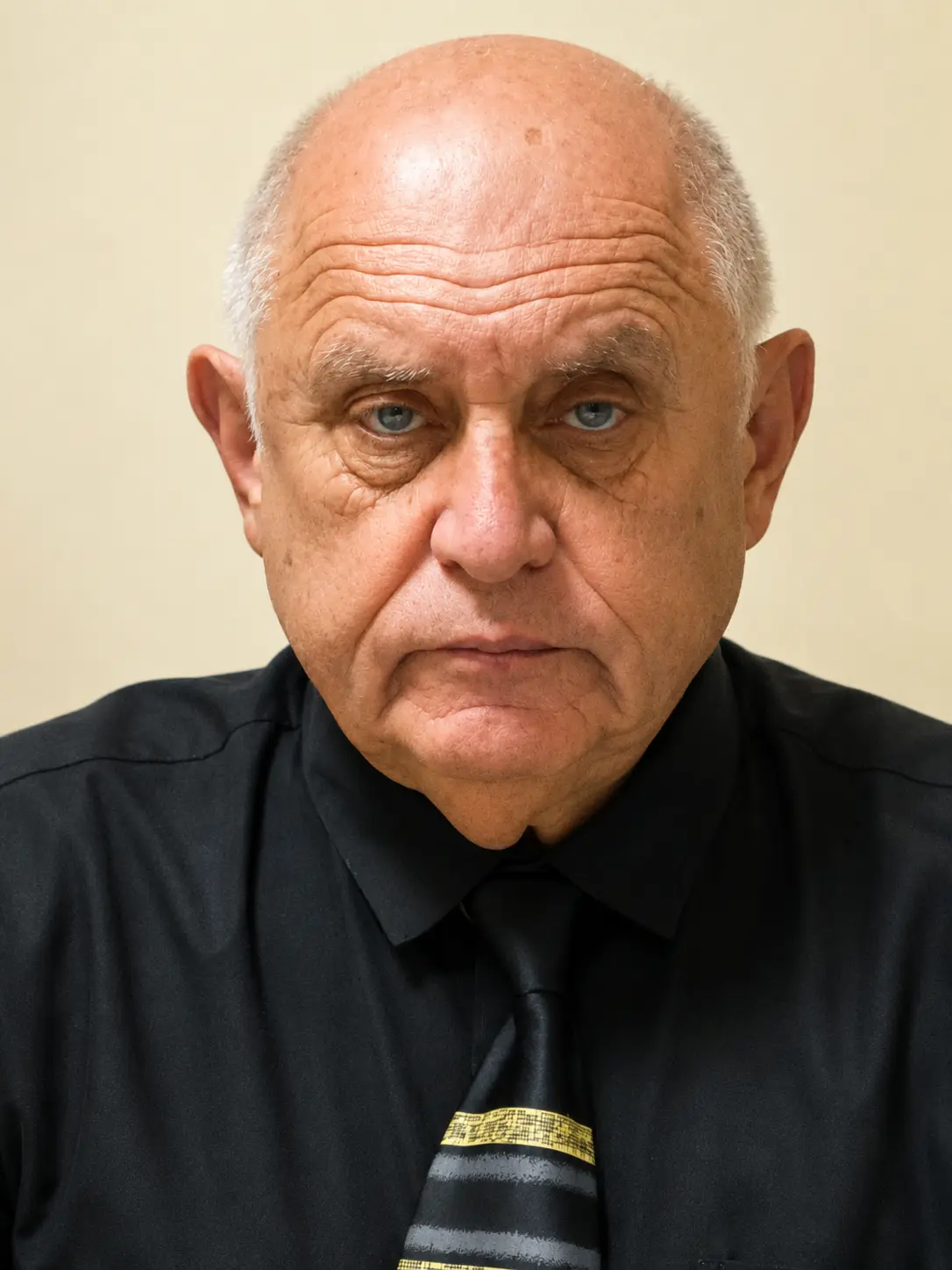
Psychiatrist, addiction physician, senior doctor with 40 years of experience
Dr. Golin evaluates substance use, withdrawal risk, mental state, sleep, physical illness, medication, previous treatment and the level of care required before rehabilitation begins.
He and the MAAVAR CLINIC medical team are responsible for assessment, diagnosis, stabilization, medication decisions, psychiatric care and addiction medicine according to clinical indications.
Medical care reduces acute risk and establishes stability. Rehabilitation then works on the decisions, habits, relationships and daily structure that determine whether recovery continues.
Clarify intoxication, withdrawal, psychiatric risk, physical condition, medication and need for stabilization.
Diagnosis, medication and level-of-care decisions belong to the physician and medical team.
Begin planning routine, family roles, motivation and relapse prevention before discharge from the acute stage.
Avoid a gap between feeling physically better and returning to the same environment without a plan.
Detox is the medical zero stage when it is clinically required. It is not the whole treatment and should not be improvised at home.
Alcohol, benzodiazepines and some medication patterns can create dangerous withdrawal.
The team needs accurate information about substances, doses, timing, medications and previous complications.
Sleep, orientation, hydration, physical safety and mental state may need medical attention.
Once stable, the focus shifts from surviving withdrawal to changing the system that drives relapse.
The protected stage is valuable only when it builds transferable behavior: waking, sleep, meals, movement, emotional regulation, responsibility, family boundaries and a plan for triggers.
Confidentiality protects dignity, but it should not preserve denial, secret financing, rescue behavior or contradictory rules.
Agree who speaks with the clinic and how essential information is shared.
Report current use, money, threats, medication, sleep and previous attempts accurately.
Relatives should not diagnose, prescribe, taper or run medical detox.
Access to money, medications, contacts, work stress and household boundaries must be discussed before discharge.

A serious private route reduces exposure while increasing accountability. Progress is measured by medical stability, participation, routine, family clarity and a continuation plan that can survive outside the protected setting.
Comfort is presented as the treatment.
Privacy supports assessment, rehabilitation and continuity.
Secrecy protects reputation but also protects addiction.
Information is limited, while the person is expected to participate honestly.
The person leaves the old environment but prepares no return plan.
The protected stage prepares home, work, family and relapse prevention.
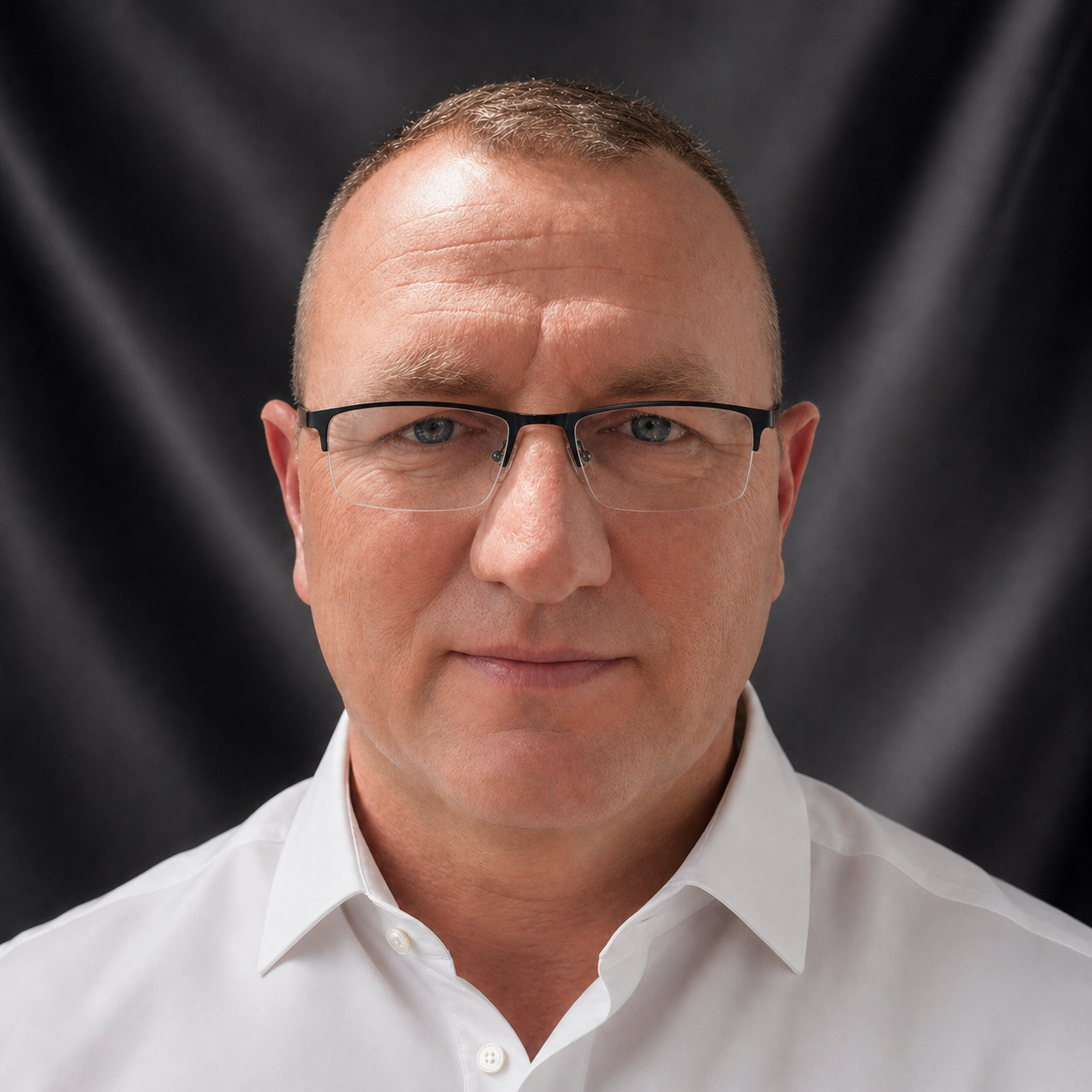
Private treatment route and organizational coordination
Andrey helps the family organize the confidential route, prepare information, clarify practical steps and connect the transition between medical care and rehabilitation.
He is not a physician and does not diagnose, prescribe medication or make clinical decisions. His role is organizational clarity, communication and logistics.
MAAVAR CLINIC operates as a licensed medical structure for addiction treatment in Israel. This license block appears once on this page.
The license image may be opened for a larger preview. Website information does not replace an individual assessment.

This page provides general information. Treatment plans require individual medical assessment and may differ according to clinical need.
Private rehab is a confidential addiction-treatment format that combines licensed medical care when indicated with structured residential rehabilitation, family boundaries and relapse prevention.
No. Comfort may reduce unnecessary stress, but the treatment value comes from clinical responsibility, structure, honest participation, reduced trigger access and a continuation plan.
Yes. Dr. Moshe Golin and the MAAVAR CLINIC medical team perform assessment, diagnosis, stabilization, medication decisions, psychiatric care and addiction medicine according to clinical indications.
Detox may be the medical zero stage when clinically indicated. It is not the whole treatment. Rehabilitation begins after or alongside stabilization and focuses on behavior, routine, family and relapse prevention.
It may suit people who need discretion, controlled communication, distance from immediate triggers, family privacy and a structured bridge from medical care into rehabilitation.
Information is limited to the people needed for safety, care and coordination. Immediate danger, legal duties and essential clinical communication may override ordinary privacy expectations.
Yes. Family involvement can be organized through clear roles, limited communication, boundaries and planning for the return home without turning treatment into a public crisis.
Andrey supports organizational coordination, confidential communication, logistics and continuity between stages. He is not a physician and does not make clinical decisions.
The continuation plan addresses medical follow-up, sleep, work, family agreements, access to money or medication, triggers, support and relapse prevention.
Write on WhatsApp, call +972 54 757 8876, or email dhvny8@gmail.com. For immediate danger in Israel, call Magen David Adom at 101.
Write briefly what is happening now, whether there is immediate medical risk, why confidentiality matters, previous treatment and what has made recovery difficult.
MAAVAR CLINIC connects licensed medical care with structured rehabilitation, family work and relapse prevention in Kiryat Gat.
Quick reading settings for this page.
