Continuation
Connect detox or stabilization to the next weeks instead of leaving the person alone after initial relief.
Recovery after detox in Israel: medical follow-up, relapse prevention and structured rehabilitation.
The dangerous gap often appears after the first relief. The person may be medically calmer, but the same evenings, stress, access, isolation and family fear can quickly reactivate the old cycle.
A serious rehab route connects licensed medical care, structured days, sleep restoration, emotional work, family clarity and a practical plan for returning to life.
Rehab is the stage where recovery moves beyond crisis survival and becomes a structure the person can live inside. It addresses the daily pattern, triggers, psychiatric symptoms, family system and return to real life.
Connect detox or stabilization to the next weeks instead of leaving the person alone after initial relief.
Build sleep, meals, treatment activity, movement, responsibilities and predictable transitions.
Help the home understand roles, boundaries, warning signs and the next step.
Detox can reduce acute withdrawal risk and help the person cross the first medical threshold. Rehab asks what happens after that threshold: how the person will respond to craving, shame, anxiety, conflict, loneliness and old access routes.
After detox, temporary relief can hide ongoing vulnerability. The body may be calmer while the emotional, behavioral and environmental route to relapse remains unchanged.
But stress, craving, shame, loneliness and old habits can still be active.
When everyone assumes the crisis is over, the next stage may remain unprotected.
Evenings, conflict, money, relationships, work pressure and familiar places can restart the cycle.
The next step should be planned before the person returns fully to the old environment.
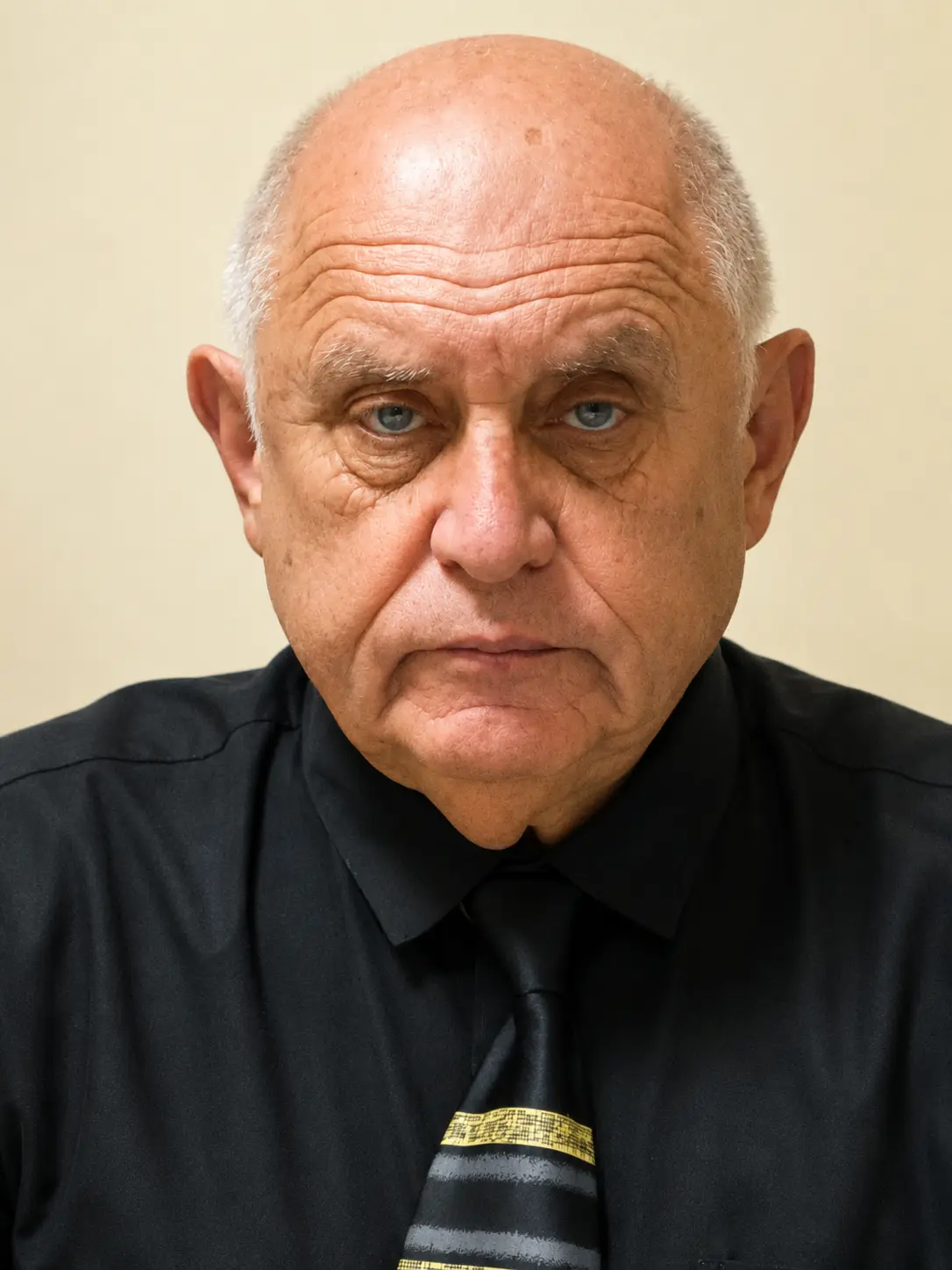
Psychiatrist, addiction physician, senior doctor with 40 years of experience
Dr. Golin assesses substance history, withdrawal risk, medical conditions, sleep, mood, anxiety, cognition, medication and dual-diagnosis factors that influence rehabilitation.
He and the MAAVAR CLINIC medical team are responsible for diagnosis, stabilization, medication decisions, psychiatric care and clinical oversight.
Addiction rarely affects only one person. By the time rehab is considered, trust, communication, safety and boundaries at home may already be damaged.
Relatives need clear boundaries and a shared plan instead of endless rescue.
Medical decisions should come from the treatment team, not competing family opinions.
Sleep collapse, isolation, dishonesty, old contacts and missed treatment need a response plan.
Trust returns through repeated responsibility, not promises made during a calm day.
A serious rehabilitation route is phased. It connects assessment and stabilization with practical rehabilitation and preparation for return to life.
Some people need discretion, distance from old access points and a quieter environment in which honesty and concentration become possible. Privacy matters when it supports treatment rather than isolation.
Privacy can reduce shame, fear of exposure and the need to hide.
Distance from substances, contacts and habitual routes interrupts automatic behavior.
A quieter setting gives space to understand what actually drives the cycle.
The protected stage must connect to a realistic plan for home, work and relationships.

The first relief can look like success, but it remains fragile if the old environment, emotional pressure and access routes are still active. Rehab creates the bridge between stabilization and life.
The word sounds reassuring, but the plan is vague.
Assessment, structure, family work and relapse prevention are connected.
The person is protected only while away from old triggers.
Return to life is prepared before the protected stage ends.
Relatives react through fear, control and rescue.
The family understands boundaries, risks and its role in continuation.
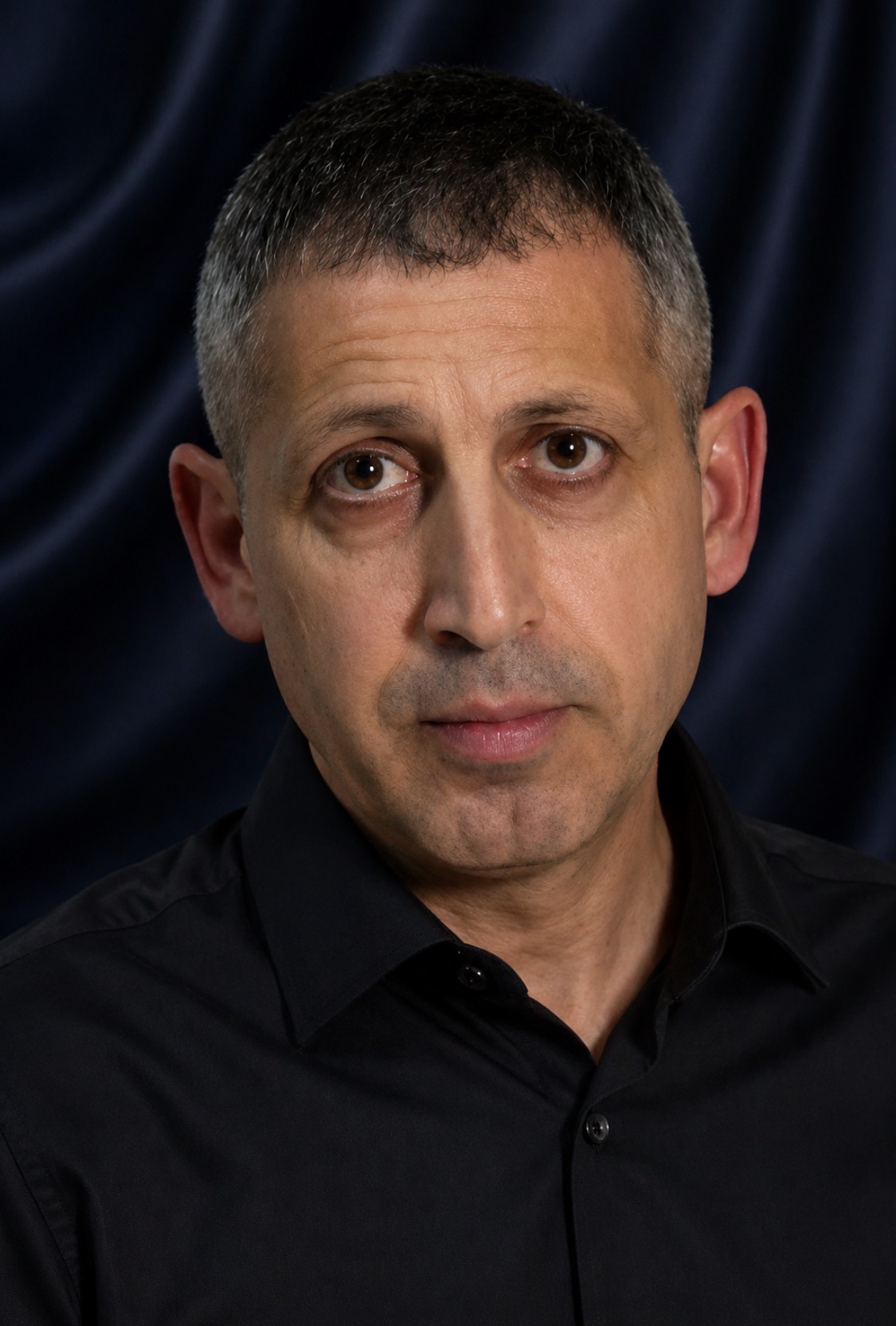
Recovery mentor for sleep, routine, structure and responsibility
After stabilization, Mikhail helps translate the clinical plan into daily rehabilitation through sleep rhythm, practical learning, tasks, responsibility and preparation for continuation.
He is not a physician and does not diagnose, prescribe medication or make clinical decisions.
This page provides general information and does not replace individual medical assessment or emergency care.
Rehab in Israel should connect medical and psychiatric assessment, stabilization when needed, structured daily rehabilitation, sleep restoration, emotional regulation, family work and relapse prevention.
No. Detox addresses the acute withdrawal and medical stabilization phase. Rehab focuses on the longer process of rebuilding routine, coping, responsibility, relationships and protection from relapse.
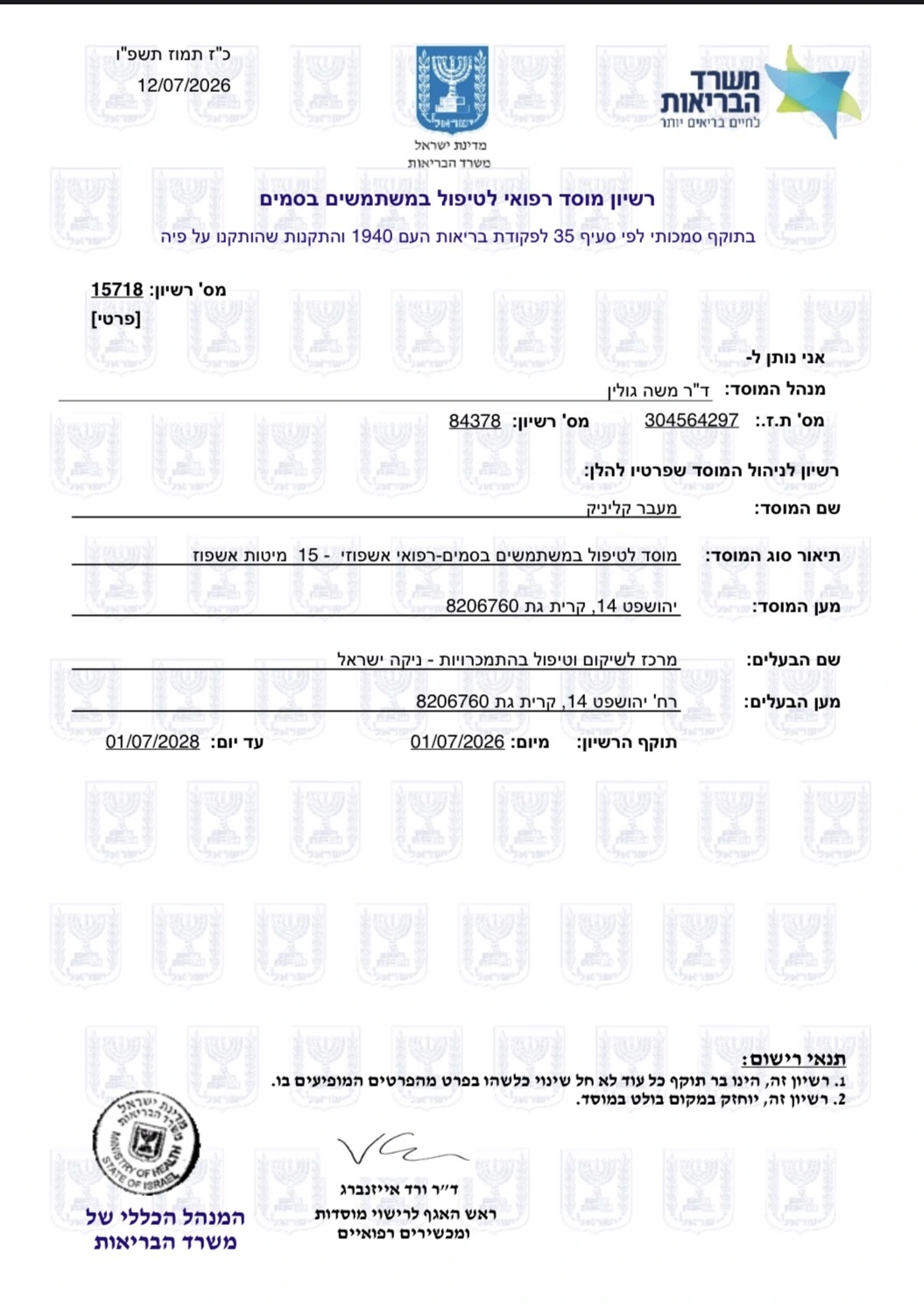
Yes. MAAVAR CLINIC is a licensed medical clinic in Kiryat Gat. Dr. Moshe Golin and the medical team perform assessment, diagnosis, stabilization, medication decisions and psychiatric care according to clinical indications.
A private rehab route may be appropriate when a person needs discretion, distance from triggers, structured continuation after detox, family support, dual-diagnosis assessment or a protected environment for early recovery.
Addiction affects trust, communication, boundaries and safety at home. Family work helps relatives support recovery without becoming doctors, interrogators or permanent crisis managers.
Rehab is stronger when the next phase is prepared before discharge: sleep, routine, trigger mapping, emotional regulation, family boundaries, medical follow-up and a clear relapse-prevention plan.
Substance use and psychiatric symptoms are assessed together so that anxiety, depression, trauma symptoms, sleep disruption or other conditions are not treated as separate background issues.
Mikhail supports daily structure, sleep rhythm, practical learning, responsibility and continuation after stabilization. He is not a physician and does not make clinical decisions.
Call Magen David Adom at 101 for seizure, severe confusion, hallucinations, collapse, breathing difficulty, chest pain, suicidal behavior or inability to remain safe.
Write on WhatsApp, call +972 54 757 8876, or email dhvny8@gmail.com. In immediate danger, call 101.
Write briefly: current substance use, previous detox or rehab, sleep, medications, psychiatric symptoms, family situation and immediate risks.
At MAAVAR CLINIC, clinical assessment is connected directly to structured rehabilitation and continuation.
Quick reading settings for this page.