Thinking
Denial, minimising, bargaining, blame and the belief that “this time I can control it.”
Alcohol rehabilitation in Israel after detox: structured living, therapy, family boundaries, 12-step work, responsibility and relapse prevention.
Alcohol addiction can hide behind evening drinks, weekend binges, business pressure, “just beer,” morning shots, hidden bottles, blackouts and repeated promises. Rehab begins when the goal changes from surviving the latest crisis to changing the system that keeps bringing the person back to booze.
At MAAVAR CLINIC in Kiryat Gat, Dr. Moshe Golin and the medical team assess withdrawal risk, psychiatric symptoms, medications and mixed use. Detox and stabilization are used when clinically indicated, then followed by structured rehabilitation focused on thinking, behavior, routine, family boundaries, 12-step work and relapse prevention.
Detox can remove alcohol and reduce acute withdrawal danger. Rehabilitation works on the reasons the person reaches for alcohol again when stress, shame, anger, loneliness, celebration, insomnia or easy access returns.
Denial, minimising, bargaining, blame and the belief that “this time I can control it.”
Broken commitments, secrecy, impulsive decisions, avoidance and a life organised around the next drink.
Access, friends, money, family reactions, evening routines and places that keep the cycle easy to restart.
Many families know the sequence by heart: pressure builds, drinking starts, control disappears, damage follows, shame rises, promises are made and a short calm period creates false hope.
Alcohol withdrawal can be dangerous. Heavy daily drinking, morning drinking, previous seizures or delirium, severe tremor, confusion, unstable physical health or mixed use may require medical detox and stabilization first.
Withdrawal history, blackouts, seizures, medications, liver and cardiovascular risk, psychiatric symptoms and mixed substances.
Triggers, daily routine, family boundaries, motivation, denial, responsibility, access to alcohol and relapse history.
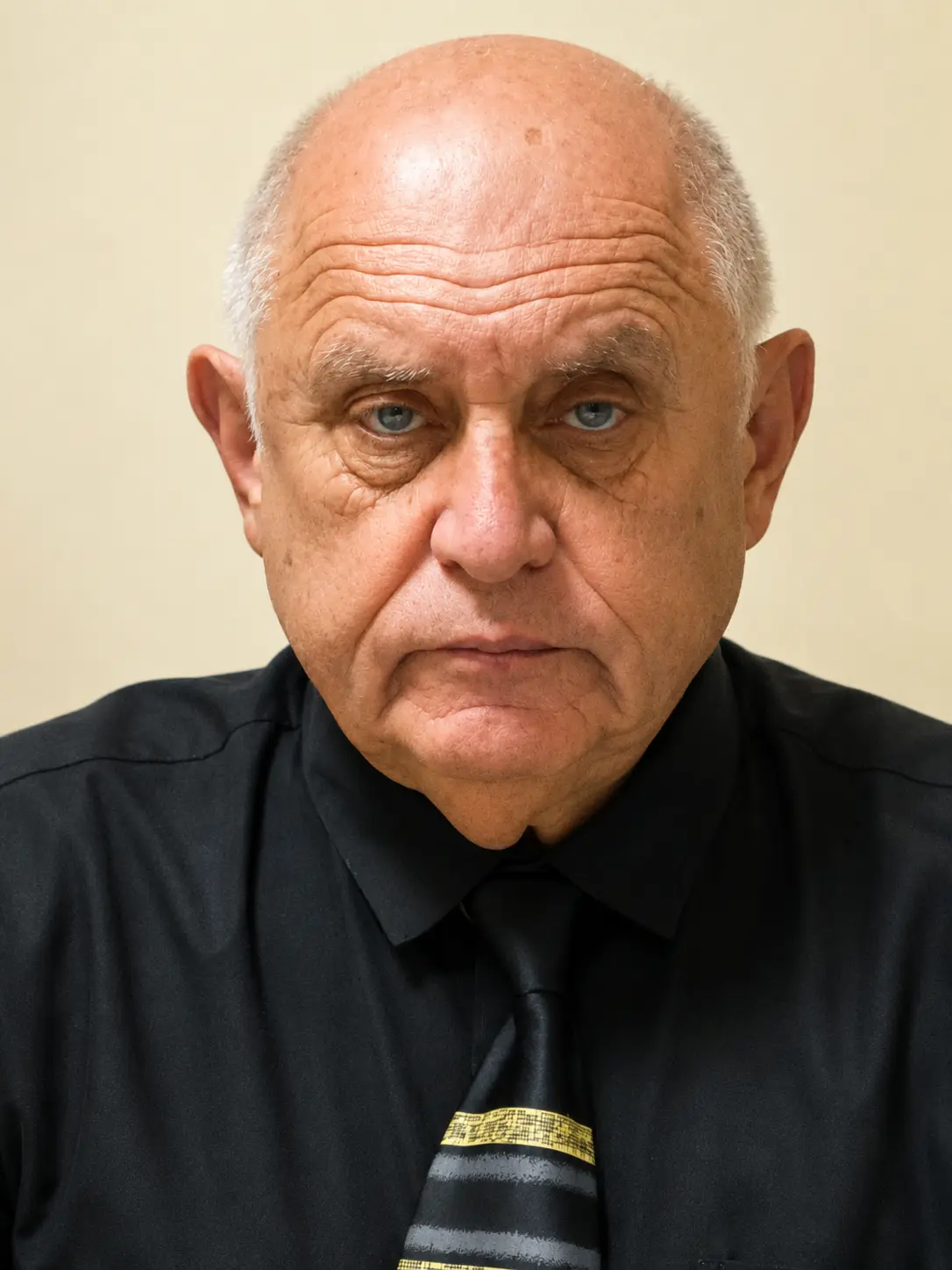
Psychiatrist, addiction physician, senior doctor with 40 years of experience
Dr. Golin evaluates withdrawal risk, medical complications, medications, sleep, mood, anxiety, psychosis, suicidal thoughts, cognition, blackouts and the use of benzos, sleeping pills, painkillers or street drugs.
He is responsible for diagnosis, detox and stabilization when indicated, medication decisions, dual-diagnosis assessment and the clinical transition into rehabilitation.
People often enter rehabilitation while ambivalent, ashamed, angry or convinced they can still drink “normally.” The program does not wait for perfect motivation; it creates conditions in which responsibility and insight can grow.
Family, work, health or legal consequences may be the first reason to enter treatment.
Structure reduces access to alcohol and makes it harder to hide behind the same explanations.
Motivation becomes more durable when the person experiences a different way of living and responding.
The program connects medical safety with a daily environment that repeatedly practises a different way of thinking and behaving.
Rehabilitation is not a lecture about drinking. It is repeated practice in noticing the thought before the action and choosing a response that does not reopen the cycle.
Amounts, blackouts, binges, pills and consequences are described honestly rather than edited to reduce shame.
The person learns to recognise craving, contact support and delay action instead of following the first urge.
Stress, family conflict and trauma matter, but they do not remove responsibility for recovery behavior.
Progress is measured through attendance, routine, honesty, follow-through and repeated choices.
Alcohol dependence turns relatives into detectives, bankers, drivers, nurses and crisis managers. Rehabilitation gives the family a different role: report risk, keep boundaries, support the program and stop protecting the drinking pattern.
Access to cash and alcohol is handled according to a plan, not pressure or guilt.
Debts, excuses and hidden consequences are not automatically repaired.
The family knows what requires the clinic, emergency care or an immediate call to 101.
Trust returns through stable behavior over time, not one emotional apology.

That means stronger structure, clearer boundaries, fewer loopholes, honest communication and a plan for the moments when the mind starts negotiating with alcohol again.
“I am not drinking because everyone is watching.”
“I use support and structure before craving becomes action.”
“One drink will prove I am in control.”
Control is demonstrated through stable behavior, not by testing alcohol.
The family repeatedly removes consequences and carries responsibility.
The family supports treatment without financing or hiding the old cycle.
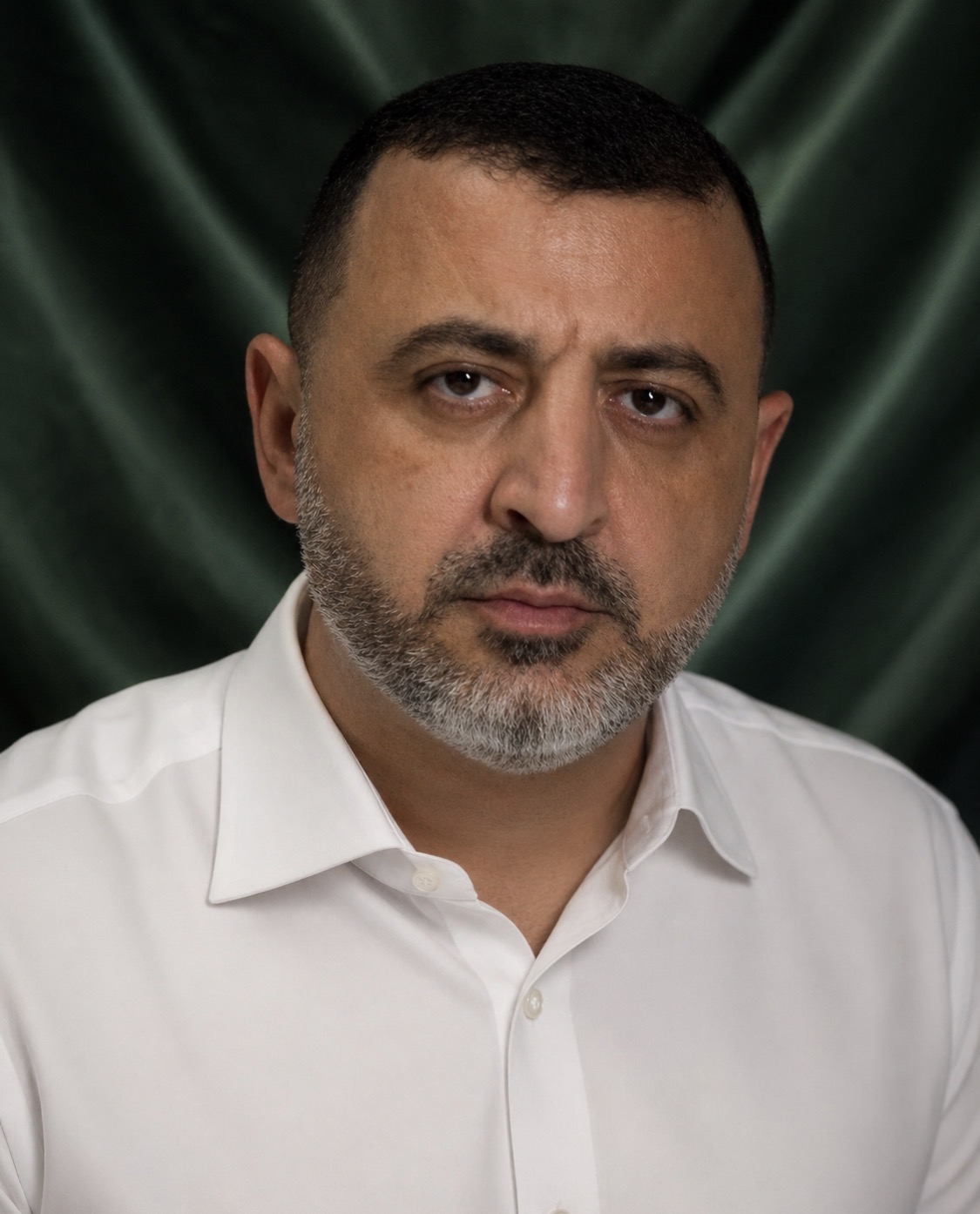
Recovery mentor for motivation, 12-step work, responsibility and relapse prevention
Ramiz works with the moment when the person starts negotiating with recovery: “I am different now,” “one drink will not matter,” or “I can handle it alone.” He helps turn those thoughts into material for honest work rather than a return to drinking.
He is not a physician and does not diagnose, prescribe medication, conduct detox or make clinical decisions. His role is inside rehabilitation: motivation, 12-step principles, responsibility, thinking change and relapse-prevention practice.
This page provides general information and does not replace individual medical or psychiatric assessment.
Alcohol rehabilitation is the structured treatment stage that follows medical stabilization. It addresses the thinking, behavior, routines, relationships, triggers, and relapse patterns that keep alcohol in control.
No. Detox manages acute withdrawal risk. Rehabilitation begins after stabilization and focuses on sustained behavior change, responsibility, family work, emotional regulation, and relapse prevention.
Yes. MAAVAR CLINIC is a licensed medical clinic in Kiryat Gat. Dr. Moshe Golin and the medical team perform assessment, diagnosis, detox, stabilization, medication, psychiatric care, addiction medicine, and clinical decisions according to indication.
Rehabilitation may be appropriate when drinking repeatedly causes blackouts, binges, withdrawal, hidden bottles, family fear, work problems, unsafe driving, failed attempts to stop, or rapid relapse after detox.
The program includes structured living, individual and group work, daily routine, responsibility, family boundaries, trigger mapping, 12-step principles, emotional regulation, and relapse-prevention planning.
They provide a practical framework for honesty, responsibility, support, self-examination, repair, and continued recovery. They are used as part of a broader medical and rehabilitation program, not as a substitute for clinical care.
Ramiz is a recovery mentor focused on motivation, thinking patterns, 12-step work, responsibility, and relapse prevention. He is not a physician and does not make clinical decisions.
Yes, subject to medical assessment. Mixed use must be disclosed because booze combined with benzos, pregabalin or Lyrica, opioids, coke, speed, weed, or unknown street drugs can change withdrawal and overdose risk.
There is no single timetable. Progress is measured through safety, participation, honesty, sleep, routine, responsibility, family functioning, emotional stability, and sustained relapse-prevention behavior.
Write on WhatsApp, call +972 54 757 8876, or email dhvny8@gmail.com.
Write briefly: daily drinking or binges, last drink, blackouts, withdrawal symptoms, pills or street drugs, previous detox or rehab attempts, family risk and what keeps restarting the cycle.
At MAAVAR CLINIC, medical assessment and stabilization are connected directly to structured rehabilitation, 12-step work, family boundaries and relapse prevention.
Quick reading settings for this page.