Reduce immediate danger
Withdrawal symptoms, dehydration, confusion, sleep collapse, and medication interactions are assessed according to clinical need.
Alcohol detox in Israel: withdrawal danger, medical stabilization, the first sober days, sleep restoration, routine, family boundaries, and rehabilitation.
Detox may be necessary when stopping booze can trigger shaking, sweating, panic, sleeplessness, racing pulse, hallucinations, seizures, or severe confusion. The job of detox is to reduce acute danger and create a stable opening—not to declare the addiction finished.
At MAAVAR CLINIC in Kiryat Gat, Dr. Moshe Golin and the medical team assess withdrawal risk, mixed use, medications, psychiatric symptoms, and physical illness. Once the acute stage is controlled, rehabilitation begins with sleep, routine, responsibility, therapeutic work, family boundaries, and relapse prevention.
Detox is a medical bridge between active drinking and rehabilitation. It is designed to manage acute withdrawal risk, stabilize the patient, and create enough clarity for the next stage.
Withdrawal symptoms, dehydration, confusion, sleep collapse, and medication interactions are assessed according to clinical need.
The patient begins to regain orientation, sleep, hydration, physical balance, and the ability to participate in treatment.
Rehabilitation starts before relief turns into false confidence and before old drinking routines take control again.
Risk depends on how much and how long the person drank, previous withdrawal episodes, seizures, delirium, physical illness, nutrition, age, medications, and mixed substance use.
Tremor, sweating, nausea, anxiety, agitation, insomnia, headache, rapid pulse, and rising blood pressure.
Hallucinations, seizures, severe confusion, collapse, delirium tremens, fever, or unstable vital signs.
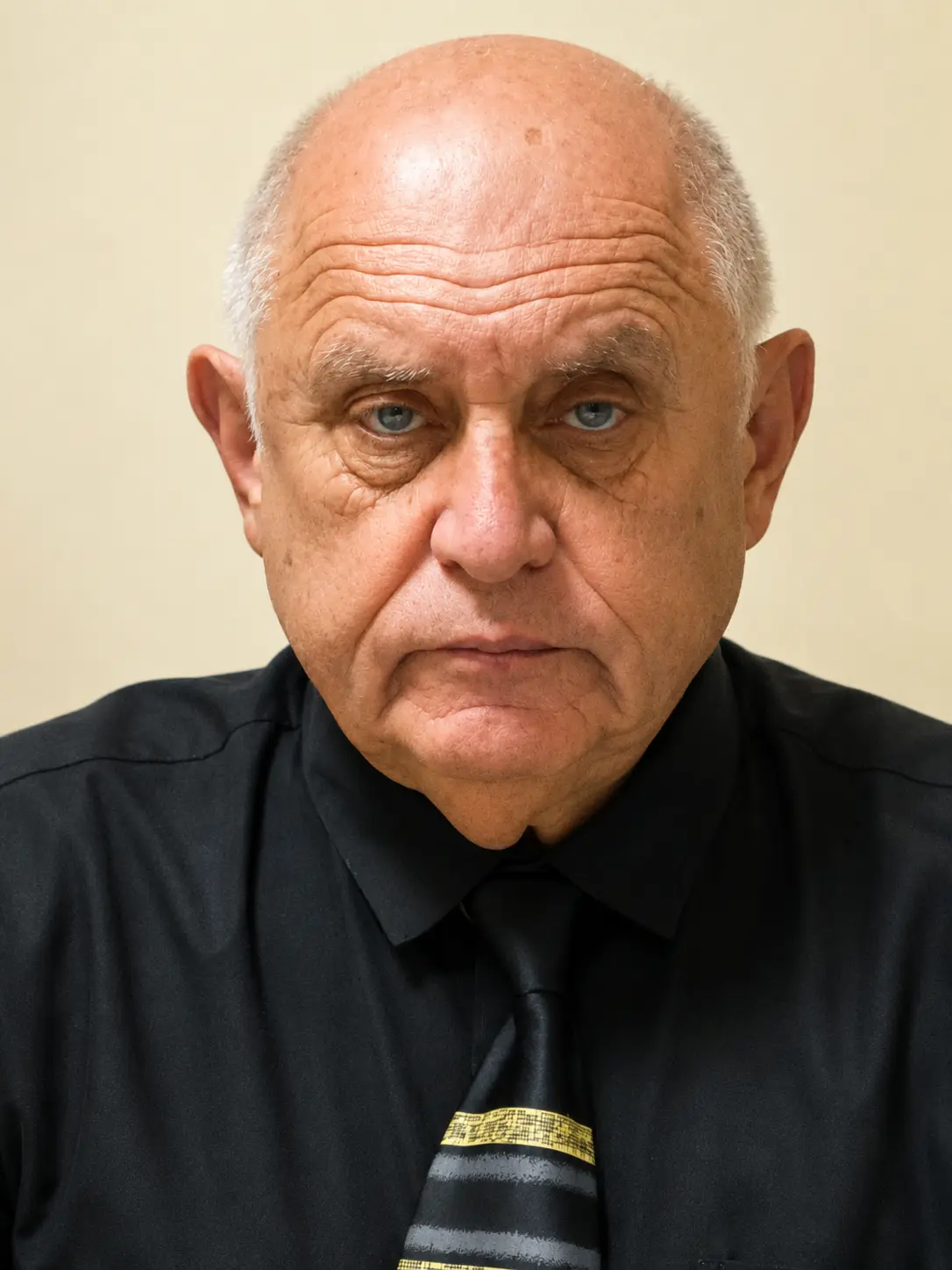
Psychiatrist, addiction physician, senior doctor with 40 years of experience
Dr. Golin evaluates the drinking pattern, last drink, withdrawal history, blackouts, seizures, delirium, medications, liver and cardiovascular risk, sleep, depression, anxiety, psychosis, suicidal thoughts, and mixed substance use.
He and the MAAVAR CLINIC medical team are responsible for assessment, diagnosis, detox, stabilization, medication decisions, psychiatric care, addiction medicine, and the clinical transition into rehabilitation.
When shaking reduces and sleep starts to return, the patient may believe the problem has been solved. In reality, the old cues, access, relationships, habits, and evening rituals are still waiting.
Feeling better can quickly become “I never needed treatment.”
Insomnia, nightmares, early waking, and fatigue can increase craving and irritability.
Money, delivery apps, liquor at home, familiar contacts, and drinking routines may remain untouched.
People may report alcohol accurately but leave out “a few pills,” weed, coke, speed, or painkillers. That missing detail can change overdose risk, withdrawal risk, and medication choices.
Alcohol plus benzodiazepines can deepen sedation, memory loss, falls, breathing problems, and withdrawal complexity.
Pregabalin, sleeping tablets, and other downers may increase confusion, instability, and overdose risk.
Alcohol with heroin, fentanyl, oxycodone, or other opioids can suppress breathing.
Stimulants can mask intoxication; cannabis can worsen coordination, anxiety, vomiting, and judgment.
The central treatment is not the detox procedure. It is the structured work that follows while the person is still close enough to the crisis to understand why change is necessary.
Many patients used alcohol to shut down, fall asleep, blunt anxiety, or escape the end of the day. After detox, those functions must be rebuilt without returning to the bottle.
The day is anchored even after a difficult night, which gradually rebuilds the sleep-wake rhythm.
Predictable limits, reduced stimulation, and a planned wind-down replace the old drinking ritual.
Tasks, movement, meals, and group participation reduce the empty hours in which craving grows.
Sleep debt and nervous-system recovery take time; improvement is measured over repeated days, not one perfect night.
Relatives should not become a home detox unit or permanent surveillance team. Their job is to support the program, keep agreed boundaries, report risk honestly, and let trust return through behavior.
Money, transport, excuses, and access are handled according to a clear plan.
Discomfort is expected; it does not automatically mean the program is wrong.
The family knows what requires the clinic, an emergency department, or an immediate call to 101.
One sober week is encouraging, but trust is rebuilt through repeated responsibility over time.

Detox removes immediate alcohol exposure. Rehabilitation must replace the drinking schedule, the evening ritual, the escape route, and the belief that motivation alone will carry recovery.
“The shaking stopped, so the problem is over.”
Use the stable window to begin rehabilitation immediately.
“I will follow the plan when I feel motivated.”
Follow the schedule even when motivation is weak or sleep is difficult.
“The family will watch every move and prevent relapse.”
The family holds boundaries while the patient carries real daily responsibility.

Recovery mentor for sleep, routine, structure, and responsibility
After detox, many patients are physically sober but still live without rhythm. They sleep at random hours, avoid tasks, react impulsively, and expect motivation to carry the whole process.
Mikhail is not a physician and does not diagnose, prescribe medication, conduct detox, or make clinical decisions. His role is to turn recovery into a repeatable day through routine, learning, responsibility, and practical follow-through.
This page explains the relationship between alcohol detox and rehabilitation. It does not replace an individual medical assessment.
Alcohol detox is the acute medical stage of stopping alcohol when withdrawal risk, dehydration, sleep collapse, confusion, unstable vital signs, or medication interactions may require assessment and stabilization.
No. Detox creates safety and enough clarity to begin rehabilitation. The full program continues with sleep, routine, therapeutic work, responsibility, family boundaries, trigger work, and relapse prevention.
Yes. Heavy or prolonged drinking can produce dangerous withdrawal. Severe tremor, confusion, hallucinations, seizures, collapse, chest pain, suicidal behavior, or rapidly worsening symptoms require urgent medical care.
Call 101 in Israel for seizures, hallucinations, severe confusion, collapse, breathing difficulty, chest pain, suicidal behavior, severe aggression, or inability to remain safe.
Dr. Moshe Golin and the MAAVAR CLINIC medical team make assessment, diagnosis, detox, stabilization, medication, psychiatric, addiction-medicine, and other clinical decisions according to the clinic’s license and the patient’s condition.
Poor sleep increases irritability, anxiety, craving, confusion, and impulsive decisions. Rebuilding a stable sleep-wake rhythm is one of the first practical tasks after stabilization.
The patient enters a structured rehabilitation program focused on routine, therapeutic work, group participation, responsibility, family boundaries, trigger mapping, and preparation for continued recovery.
Mikhail is a recovery mentor focused on daily structure, sleep, responsibility, practical learning, and continuation after detox. He is not a physician and does not make clinical decisions.
Tell the medical team exactly what was used. Booze mixed with benzos, sleeping pills, pregabalin or Lyrica, opioid painkillers, coke, speed, weed, or unknown street drugs can significantly change withdrawal and overdose risk.
Write on WhatsApp, call +972 54 757 8876, or email dhvny8@gmail.com.
Write briefly: drinking pattern, last drink, morning use, tremor, confusion, seizures, blackouts, sleeping pills, benzos, Lyrica, painkillers, coke, speed, weed, and what happened in previous attempts to stop.
At MAAVAR CLINIC, the acute medical stage is connected from the beginning to sleep restoration, daily routine, responsibility, family work, and relapse prevention.
Quick reading settings for this page.