Clarify the pattern
How many days, how much alcohol, when the last drink occurred and whether morning drinking is present.
Binge drinking detox in Israel: alcohol poisoning, withdrawal risk, medical stabilization and rehabilitation.
After heavy alcohol use, families often struggle to distinguish a severe hangover from alcohol poisoning or the beginning of withdrawal. The correct response depends on the drinking pattern, last drink, consciousness, breathing, vomiting, tremor, sleep, previous withdrawal and current mental state.
MAAVAR CLINIC in Kiryat Gat provides licensed medical and psychiatric assessment, detox and stabilization when clinically indicated, followed by structured rehabilitation focused on sleep, routine, family boundaries and relapse prevention.
The immediate task is to identify intoxication, dehydration, withdrawal and psychiatric danger, then choose the appropriate medical level of care.
How many days, how much alcohol, when the last drink occurred and whether morning drinking is present.
Consciousness, breathing, vomiting, hydration, tremor, pulse, chest pain and ability to walk safely.
Confusion, hallucinations, suicidal thoughts, aggression, panic and inability to remain safe.
Headache, nausea, fatigue, light sensitivity and poor sleep after alcohol leaves the body.
Reduced consciousness, slow or irregular breathing, repeated vomiting, cold skin or inability to wake.
Tremor, sweating, agitation, marked anxiety, insomnia, hallucinations, confusion or seizures after alcohol levels fall.
Any seizure, fainting or inability to remain conscious requires emergency care.
Disorientation, delirium or perceptual disturbance can indicate severe withdrawal or another medical emergency.
Slow breathing, blue lips, cold clammy skin or inability to wake the person require immediate help.
Threats, self-harm plans, dangerous aggression or inability to remain safe require urgent intervention.
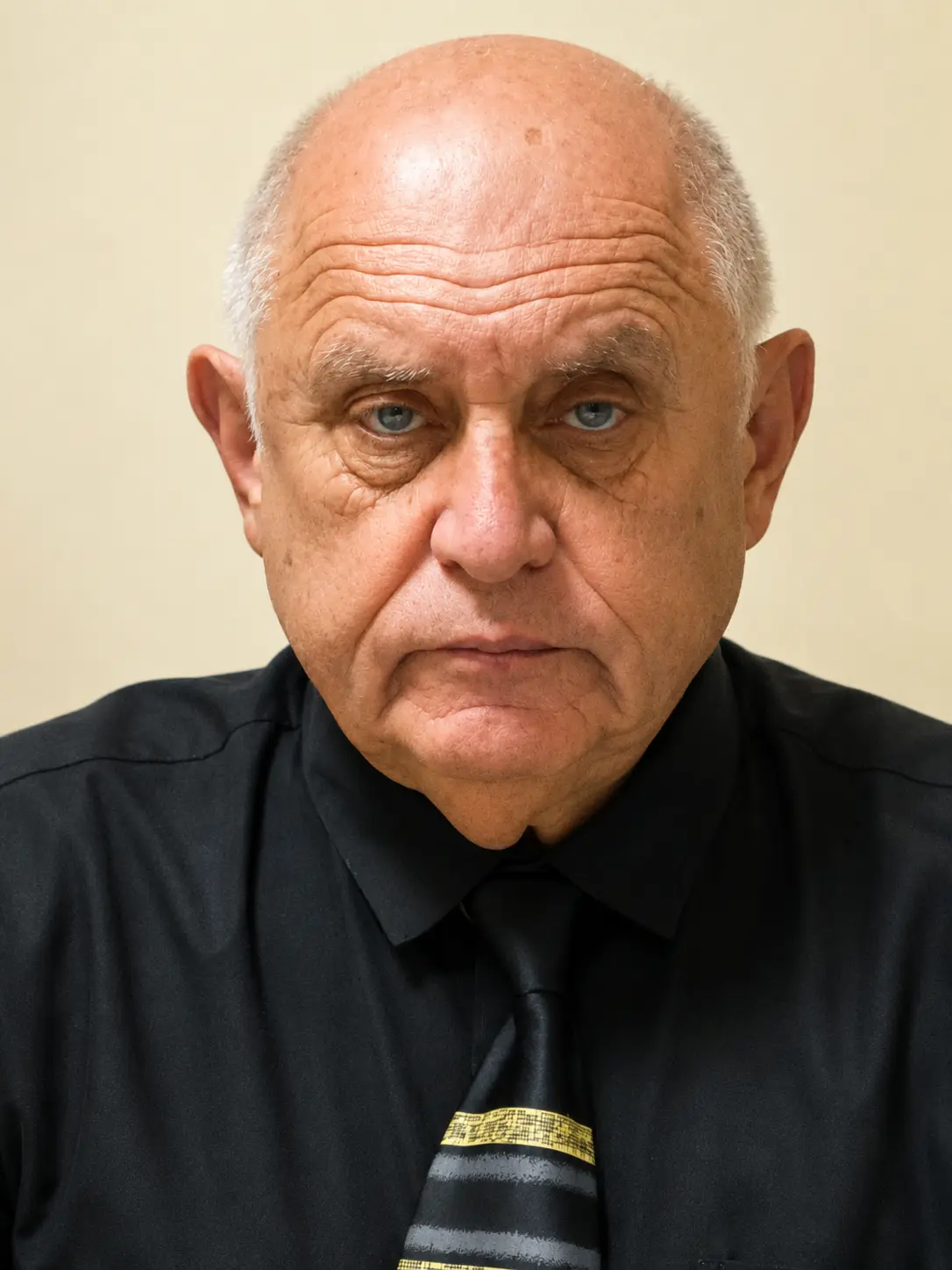
Psychiatrist, addiction physician, senior doctor with 40 years of experience
Dr. Golin assesses alcohol exposure, withdrawal history, seizures, delirium risk, medical illness, medication interactions, sleep, mood and immediate psychiatric safety.
He and the MAAVAR CLINIC medical team are responsible for diagnosis, detox, stabilization, medication decisions, psychiatric care and the transition into rehabilitation.
Alprazolam, clonazepam and similar medications can increase sedation and breathing risk.
Opioids combined with alcohol can suppress breathing and cause fatal overdose.
Z-drugs and other sedatives can worsen confusion, falls and respiratory depression.
Cocaine or amphetamines may mask sedation while increasing cardiac and psychiatric instability.
Describe the actual drinking pattern, hidden alcohol, medications, vomiting, tremor and previous withdrawal.
Do not improvise with sedatives or use more alcohol as treatment.
Supervise the person until emergency services or medical care take over.
Family members should follow the same clinical and recovery plan rather than conflicting instructions.

Recovery begins when medical safety, honest reporting, family boundaries and daily structure replace denial, emergency rescue and another promise to drink differently next time.
Assuming every severe symptom is just a hangover.
Separating poisoning, withdrawal and psychiatric danger.
The family repeatedly fixes the immediate consequences.
The family supports safety without protecting the drinking cycle.
Relief is mistaken for lasting change.
Sleep, routine, treatment and accountability continue after stabilization.

Family crisis, boundaries and recovery participation
Karin helps relatives move from panic, blame and repeated rescue toward clear communication, realistic limits and coordinated participation in recovery.
She is not a physician and does not diagnose, prescribe medication, conduct detox or make clinical decisions.
Binge drinking detox is the medical assessment and stabilization process after heavy alcohol use when intoxication, dehydration, withdrawal or psychiatric risk may be present.
A hangover commonly causes headache, nausea, fatigue and poor sleep. Withdrawal is more likely with repeated heavy use and may include tremor, sweating, marked anxiety, agitation, hallucinations, confusion or seizures.
Call Magen David Adom at 101 for seizures, severe confusion, hallucinations, collapse, breathing problems, inability to wake the person, chest pain, suicidal behavior or immediate danger.
Yes. Risk rises when the binge follows frequent or daily drinking, when morning drinking is present, or when there is a history of withdrawal symptoms or seizures.
Yes. MAAVAR CLINIC is a licensed medical clinic in Kiryat Gat. Dr. Moshe Golin and the medical team perform assessment, diagnosis, detox, stabilization, medication decisions and psychiatric care according to clinical indications.
Do not use alcohol as improvised treatment. It can conceal deterioration and prolong the cycle. Withdrawal symptoms require medical assessment.
Rehabilitation focuses on sleep, nutrition, routine, emotional regulation, family boundaries, relapse prevention and a practical continuation plan.
Karin supports family communication, crisis boundaries and participation in recovery. She is not a physician and does not diagnose, prescribe medication or make clinical decisions.
The intake and treatment process is handled discreetly. Immediate medical danger takes priority over privacy and should never be concealed.
Write on WhatsApp, call +972 54 757 8876, or email dhvny8@gmail.com. In an emergency call 101.
Send the drinking duration, approximate amount, last drink, current symptoms, medications and previous withdrawal history.
Quick reading settings for this page.