Control keeps disappearing
The person intends to have two drinks and ends up finishing the bottle, staying out all night, or starting another binge.
Licensed alcohol addiction treatment in Israel with medical withdrawal assessment, detox, psychiatric stabilization, rehabilitation, and family support.
A drinking problem rarely looks exactly like the stereotype. One person drinks quietly every evening. Another disappears into weekend binges, hides vodka, keeps arak in the car, needs a morning drink to stop shaking, or mixes booze with Xanax, Valium, sleeping pills, Lyrica, painkillers, weed, coke, or speed.
At MAAVAR CLINIC in Kiryat Gat, Dr. Moshe Golin and the medical team assess withdrawal danger, physical illness, psychiatric symptoms, medication interactions, and dual diagnosis. When detox is indicated, it is carried out as the first medical stage and connected directly to a residential rehabilitation program.
The clinical term is alcohol use disorder. At home, people usually say alcoholism, alcohol dependence, a drinking problem, or being hooked on booze. Treatment decisions depend on the pattern, withdrawal risk, and damage—not on whether the person still has a job or drinks expensive alcohol.
The person intends to have two drinks and ends up finishing the bottle, staying out all night, or starting another binge.
A morning beer, vodka, arak, whisky, or “small shot” is used to stop tremor, nausea, panic, or sweating.
Sleep, money, driving, work, family plans, and medical care are repeatedly reorganized around drinking and recovery from drinking.
Withdrawal is not simply a bad hangover. Risk depends on the drinking pattern, previous withdrawal, seizures, delirium tremens, medical conditions, age, nutrition, medication use, and whether other substances are involved.
Tremor, sweating, nausea, anxiety, headache, insomnia, agitation, rapid pulse, and rising blood pressure may begin as alcohol levels fall.
Hallucinations, seizures, disorientation, collapse, delirium tremens, extreme agitation, fever, or unstable vital signs require urgent medical care.
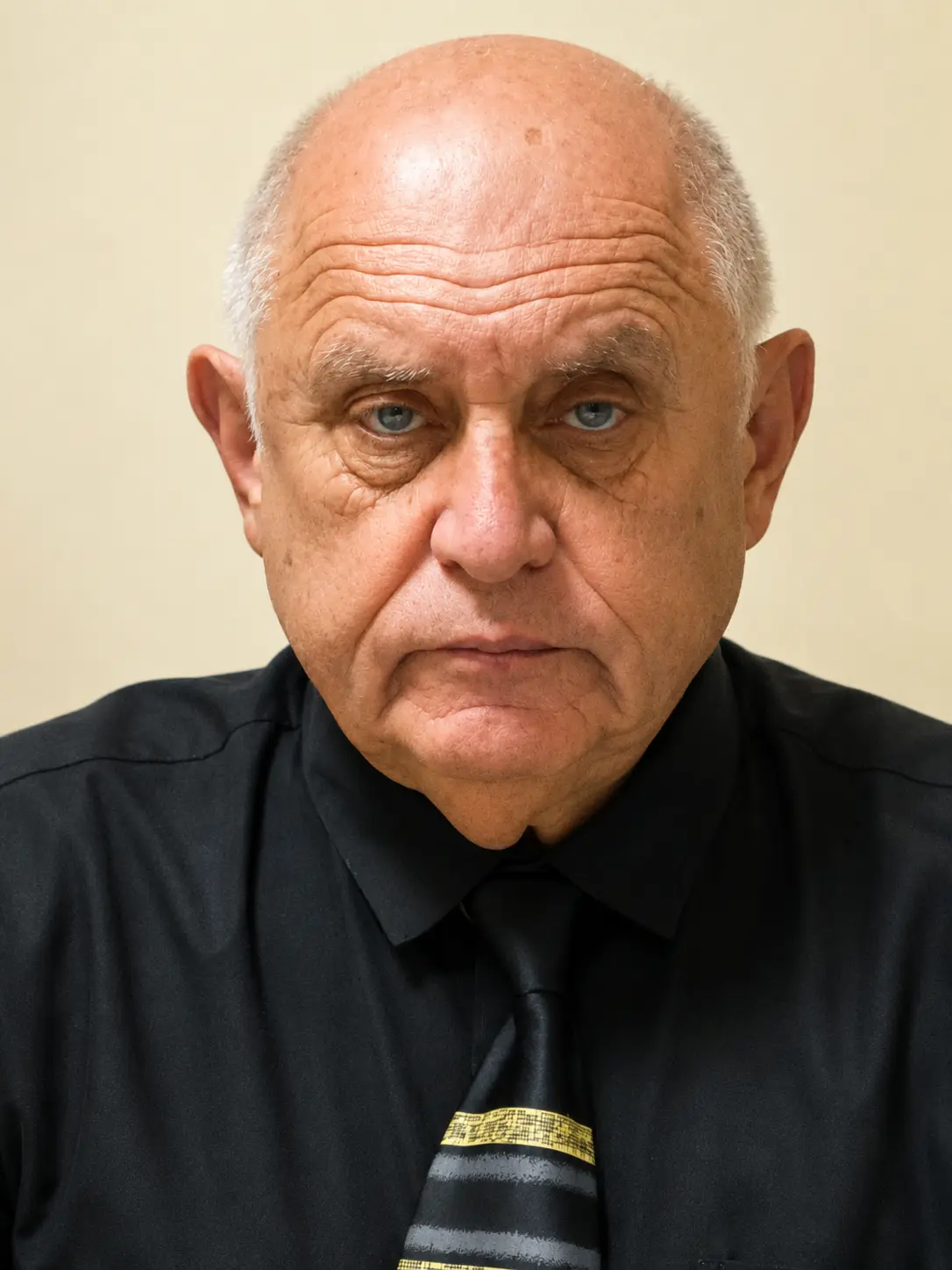
Psychiatrist, addiction physician, senior doctor with 40 years of experience
Dr. Golin assesses the drinking pattern, last use, withdrawal history, seizures, delirium, falls, liver and other medical problems, psychiatric symptoms, medication interactions, and immediate risk.
He and the MAAVAR CLINIC medical team are responsible for diagnosis, detox planning, stabilization, medication decisions, dual-diagnosis assessment, and the clinical transition into rehabilitation.
Families often hear about booze but not the Xanax, Valium, sleeping pills, Lyrica, opioid painkillers, weed, coke, speed, or unknown tablets used alongside it. That missing detail can change both overdose and withdrawal risk.
Alcohol with Xanax, Valium, clonazepam, or sleeping pills can increase sedation, memory loss, falls, breathing problems, and withdrawal complexity.
Alcohol with opioid painkillers or street opioids can suppress breathing and sharply increase overdose danger.
Coke or speed can mask intoxication while increasing cardiac strain, aggression, impulsivity, and risky decisions.
Mixing alcohol with weed can worsen coordination, vomiting, panic, confusion, and accident risk.
Relatives often become detectives, bankers, drivers, nurses, and crisis managers. A safer role is to provide accurate information, follow one emergency plan, stop covering the consequences, and hold consistent boundaries.
Last drink, morning use, amounts, blackouts, bottles, pills, street drugs, falls, hospital visits, and previous withdrawal.
Cash, excuses, replacing lost phones, paying alcohol debt, and hiding incidents can keep the pattern intact.
Agree what requires 101, an emergency department, or immediate medical contact before the next crisis begins.
Trust returns through weeks and months of action—not one tearful promise after a blackout.

After sleep returns, tremor settles, and appetite improves, families may assume the problem is over. The body may be calmer while the old drinking logic is still fully active. That is the moment to move into structured rehabilitation, not back into the same access, routines, and arguments.
The medical stage makes recovery possible. The rehabilitation program builds a life in which alcohol is no longer the default answer to stress, shame, loneliness, conflict, insomnia, celebration, boredom, or social pressure.
Work on denial, minimization, permission-giving thoughts, secret drinking, and the stories used to justify another drink.
Sleep, meals, hygiene, activity, tasks, and responsibility are rebuilt through repetition rather than mood.
The family moves away from rescue, panic, and surveillance toward consistent rules and realistic support.
High-risk evenings, celebrations, access to liquor, old drinking friends, shame, conflict, and early warning signs are mapped in advance.
Severe dependence can produce seizures, delirium, and medical instability.
Assess withdrawal danger and use medical detox when indicated.
Physical stabilization does not remove access, cravings, denial, or the drinking environment.
Move directly from stabilization into a full rehabilitation program.
A promise can be sincere and still collapse under craving, shame, stress, or easy access.
Measure honesty, routine, participation, responsibility, and repeated behavior.

Family support and recovery instructor
Karin supports patients and relatives through crisis communication, boundaries, group participation, and the emotional shift from repeated rescue to structured recovery.
She is not a physician and does not diagnose, prescribe medication, conduct detox, or make clinical decisions. Her work reinforces the medical and rehabilitation plan.
This information is general and does not replace an individual medical or psychiatric assessment.
The clinical term is alcohol use disorder. In everyday English, families may call it alcoholism, alcohol dependence, a drinking problem, or being hooked on booze. The warning pattern is repeated loss of control, continued drinking despite harm, withdrawal symptoms, concealment, or life becoming organized around the next drink.
Yes. Dependence is defined by the pattern and consequences, not by whether the person drinks beer, wine, vodka, arak, whisky, or another type of alcohol. Daily use, morning drinking, withdrawal relief, blackouts, and repeated failed attempts to stop are more important than the label on the bottle.
Medical detox may be necessary when stopping could trigger withdrawal or instability. Risk is higher with daily heavy drinking, morning drinking, previous seizures, delirium tremens, serious medical illness, mixed use, or repeated withdrawal episodes.
Seizures, hallucinations, severe confusion, collapse, breathing difficulty, extreme agitation, fever, chest pain, suicidal behavior, or rapidly worsening symptoms require urgent care. Call Magen David Adom at 101 or go to an emergency department.
Yes. MAAVAR CLINIC is a licensed medical clinic in Kiryat Gat. Medical assessment, diagnosis, detox, stabilization, medication, psychiatric care, addiction medicine, and clinical decisions are performed by Dr. Moshe Golin and the medical team according to the Israeli Ministry of Health license and clinical indications.
Detox addresses the acute medical stage. It does not by itself change cravings, denial, secret drinking, stress responses, sleep disruption, easy access to alcohol, family conflict, or relapse behavior. Rehabilitation begins after stabilization and works on those patterns.
Share the drinking pattern, the last drink, the amount and type of alcohol, morning drinking, blackouts, falls, previous withdrawal, seizures, medical conditions, psychiatric symptoms, medications, and any use of benzos, sleeping pills, painkillers, weed, coke, speed, or other drugs.
Mixed use must be disclosed honestly. Alcohol combined with benzos, sleeping pills, pregabalin or Lyrica, opioid painkillers, coke, speed, weed, or unknown street drugs can change overdose, withdrawal, psychiatric, and medical risk.
There is no single timeline. Detox and stabilization are relatively short medical stages. Rebuilding sleep, judgment, routine, relationships, responsibility, and relapse resistance takes longer and depends on clinical condition and participation.
Write on WhatsApp, call +972 54 757 8876, or email dhvny8@gmail.com. Immediate danger takes priority over privacy; in an emergency call 101.
Send the last drink, usual amount, morning use, blackouts, withdrawal symptoms, previous detox, medical conditions, psychiatric symptoms, and every pill or street drug involved.
Medical assessment and detox at MAAVAR CLINIC are connected from the beginning to residential rehabilitation, family work, daily structure, and relapse prevention.
Quick reading settings for this page.