Compulsion
The person returns to use even after sincere promises, serious consequences or periods of abstinence.
Drug addiction treatment in Israel at MAAVAR CLINIC: warning signs, licensed assessment and a private residential villa recovery program.
Families often look for one final proof: a positive test, a confession, an overdose, a lost job or a promise that sounds different this time. Drug addiction usually shows itself before that through a repeated pattern—use despite harm, changing sleep and contacts, financial pressure, secrecy, emotional volatility and a shrinking ability to choose differently.
The central task is not only to interrupt substance use. It is to place the person in a protected residential environment where every day can retrain motivation, routine, honesty, responsibility, relationships and responses to triggers. At MAAVAR CLINIC, the medical stage is used when clinically necessary; the private villa program is where recovery becomes a lived practice.
The substance may change—stimulants, opioids, synthetic drugs, cannabis, sedatives or mixed use—but the central pattern is continued use despite harm and a life increasingly organized around access, relief and recovery from the last episode.
The person returns to use even after sincere promises, serious consequences or periods of abstinence.
Sleep, money, relationships, work and daily choices begin revolving around substances and the people connected to them.
Knowing the damage is no longer enough to create consistent behavior when craving, access or emotional pressure appears.
This page explains drug addiction as a repeated loss-of-control and recovery-environment problem. The drug detox page focuses on acute medical stabilization, while the drug rehab page explains the broader admission and service route. Substance-specific pages address the risks of individual drugs.
No single sign proves addiction. A cluster of repeated changes—especially when use continues after harm—shows why the family should stop waiting for one perfect admission.
Periods of stopping end after stress, conflict, money, access, an old contact or an unstructured evening.
Long nights awake, crash days, unexplained sedation, agitation or a day-night rhythm that no longer holds.
Closed phones, disappearances, unexplained trips, changing social circles and defensive answers become normal.
Missing cash, debts, loans, lost valuables, work problems or legal risk grow while the pattern continues.
Paranoia, irritability, panic, emotional shutdown, depressive crashes, suspiciousness or confusion may appear.
Relatives start checking, rescuing, financing, hiding, covering work and reorganizing the household around the next crisis.
This section is only an action protocol for immediate danger. It does not explain withdrawal or psychosis; the next two sections show how each condition changes the treatment sequence.
If life or immediate safety may be at risk, contact emergency services before calling the clinic, arranging transport or discussing the villa program.
Do not drive an unstable person, force them into a vehicle, restrain them or begin another confrontation while waiting for professional help.
Report suspected substances, last known use, breathing or consciousness changes, prescribed medicines, known illnesses and what happened immediately before the call.
Clinic admission and residential rehabilitation planning continue only after emergency professionals have addressed the immediate risk.
Withdrawal risk depends on the substances involved, timing, mixed use, previous complications and the person’s current condition. When medical stabilization is indicated, it must be completed before the participant can safely engage in the full residential day.
Dr. Moshe Golin and the medical team determine whether symptoms require monitoring, medication, detox or another level of clinical response. The focused drug withdrawal symptoms guide explains the broader symptom pattern.
Once clinically stable, the person enters the villa structure where triggers, avoidance, responsibility and relapse prevention become the main work.
Medical stabilization addresses the immediate clinical need; the residential program addresses the repeated behavior, environment and recovery skills that must change afterward.
Hallucinations, paranoia, delusions, extreme agitation or severe confusion require a clinical safety response. The family should not argue with the experience or try to force insight during an unstable state.
Safety, psychiatric assessment and control of immediate risk come before admission conversations, promises or family confrontation. The dedicated drug-induced psychosis page explains crisis signs and family response.
The villa program addresses the substance pattern, sleep, daily structure, accountability, relationships and warning signs that must be recognized before another crisis.
Psychiatric stabilization protects immediate safety; the residential program builds the daily structure, accountability and relapse-prevention response needed after the crisis.
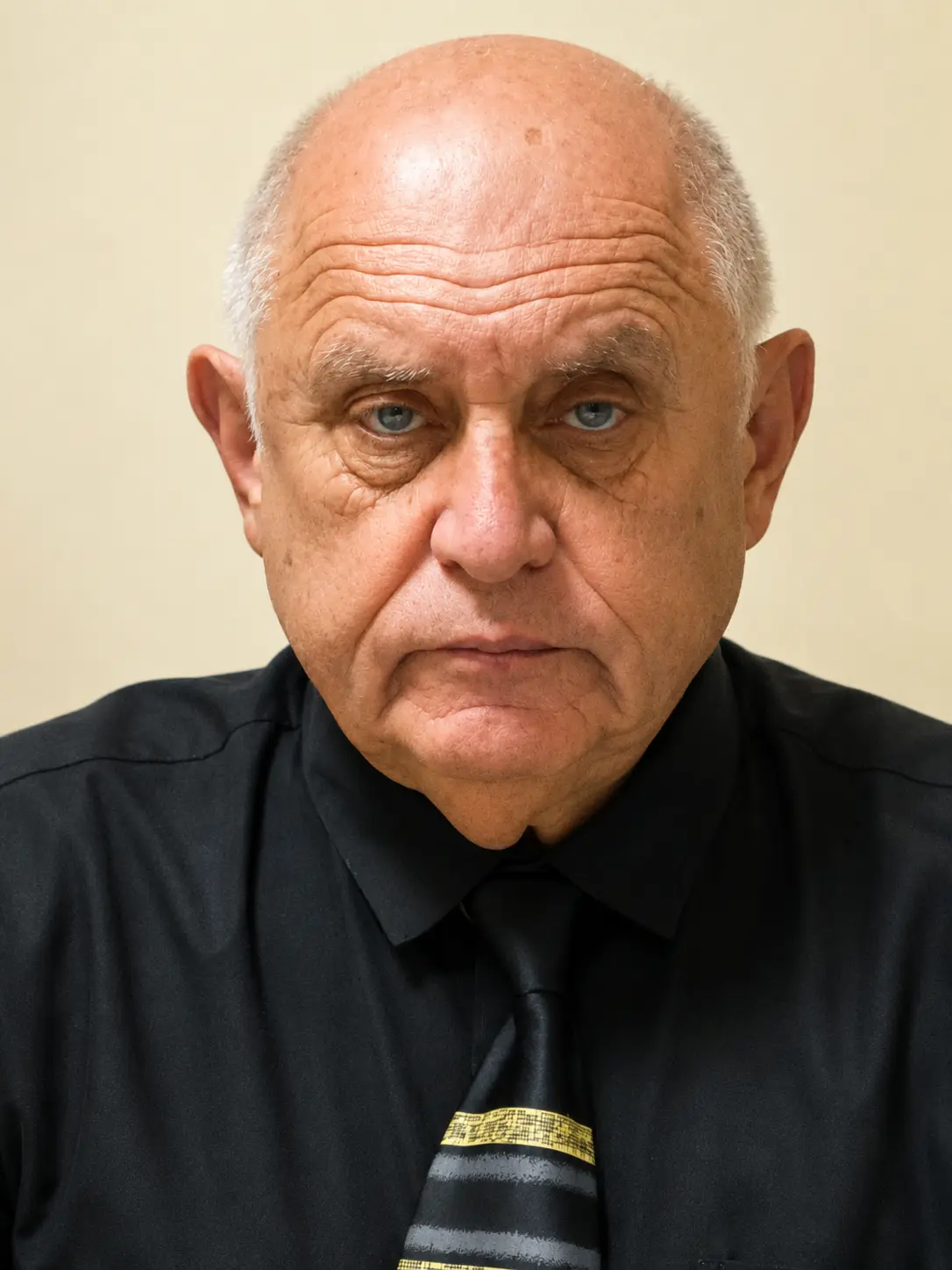
Psychiatrist, addiction physician, senior doctor with 40 years of experience
Dr. Golin assesses the real substance pattern, withdrawal and overdose history, sleep, cognition, psychosis, mood, suicidality, physical illness, prescriptions and mixed use. The goal is to identify what requires medical stabilization and what must be carried into the rehabilitation plan.
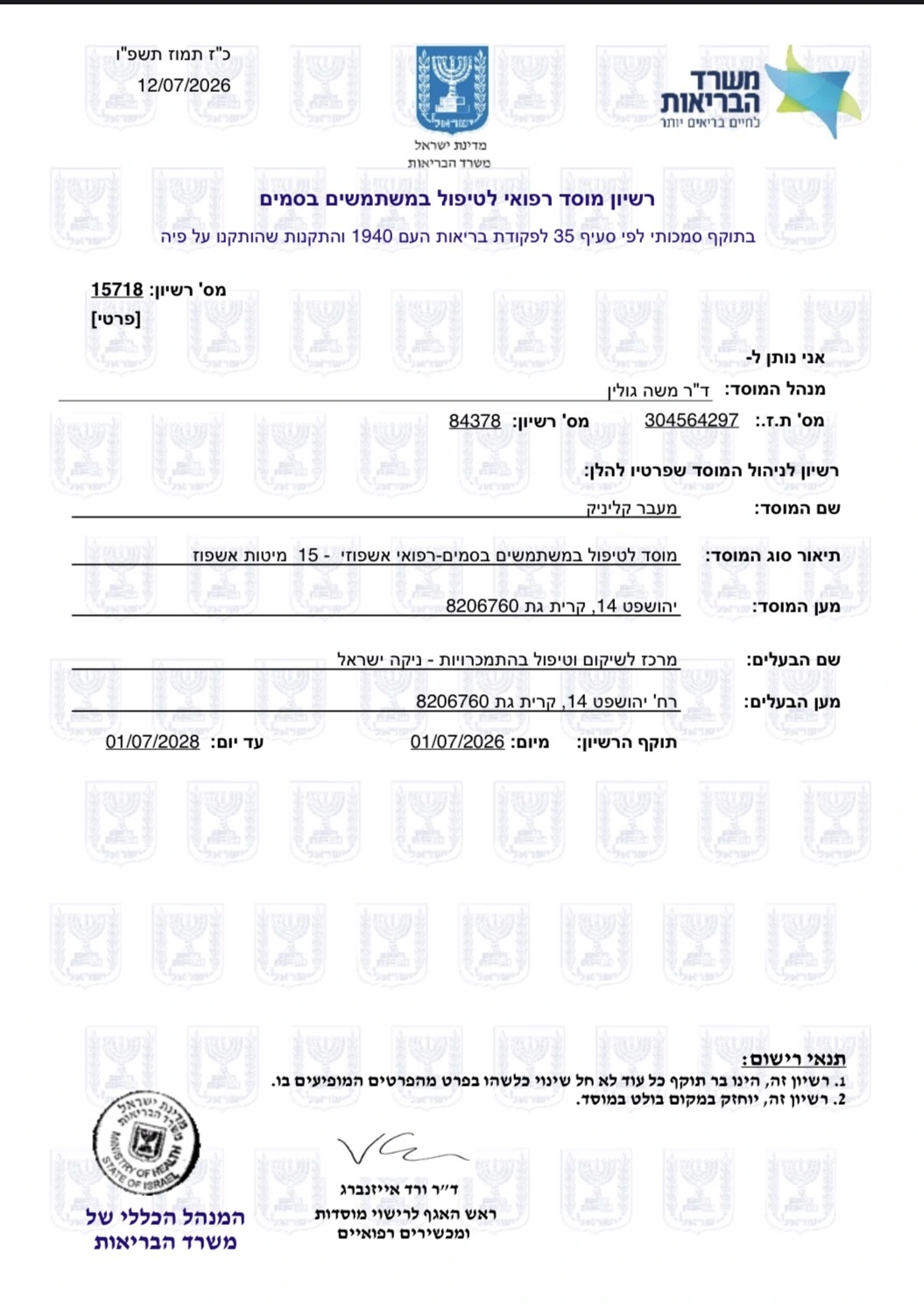
He and the MAAVAR CLINIC medical team are responsible for assessment, diagnosis, detox, stabilization, medication, psychiatric care, addiction medicine and clinical decisions according to the Israeli Ministry of Health license and clinical indications. View the clinic license.
MAAVAR CLINIC directly provides licensed medical addiction care. The level and duration of the medical stage follow clinical need, while the main program focuses on rebuilding how the person lives, chooses and responds after the immediate danger has passed.
Substances, route of use, frequency, last use, mixed drugs, overdose, withdrawal, medications and psychiatric symptoms.
Detox, monitoring, medication and psychiatric care are provided according to individual clinical indications.
Stabilization should lead directly into the protected villa routine instead of returning the person to the same access and triggers.
The medical team makes clinical decisions; the rehabilitation team and participant build daily recovery practice.
The villa program is not a place to wait until craving disappears. It is a protected therapeutic environment where structure, relationships and repeated practice expose the old pattern and build alternatives that can survive outside treatment.
Addiction lives through the whole day, not only during the moment of use. A residential program allows recovery skills to be practiced through waking, meals, groups, tasks, tension, feedback, free time and evening reflection.
The person is temporarily separated from the contacts, routes and immediate opportunities that repeatedly reopen the cycle.
Avoidance, manipulation, shutdown, impulsivity and conflict become visible in real situations and can be addressed directly.
Waking, meals, therapeutic work, movement, responsibilities and rest are practiced as one connected recovery day.
The participant learns to hear impact, recognize familiar excuses and practice honest communication without leaving the process.
Motivation is strengthened by completing the next useful action, not by waiting for certainty or the perfect emotional state.
Every skill is tested against the situations that will return after treatment: stress, money, family conflict, boredom and access.
Relatives often become the emergency service, bank, detective, employer excuse and treatment negotiator. Family work changes this role without abandoning the person.
Readiness often grows through participation and repeated action. Waiting for complete certainty can extend risk and chaos.
Removing the substance does not automatically change triggers, relationships, access, routines or the learned path back to use.
Physical separation matters, but recovery requires therapeutic work, accountability, family change and a plan for return.
Old contacts, unstructured time, hidden money and unresolved family roles can reopen the same cycle immediately.

Recovery becomes more credible when the person follows a therapeutic day through discomfort, tells the truth before being caught, accepts feedback, completes responsibilities and prepares for triggers before they arrive.
Everyone acts only after use, disappearance, psychosis, debt or another collapse.
The plan works every day through structure, therapy, boundaries and relapse prevention.
Treatment is postponed until the person feels fully convinced and makes a perfect promise.
Motivation grows through attendance, honesty, tasks, feedback and completed actions.
Relatives monitor, rescue, pay, threaten and try to manage every decision.
The clinic holds treatment; the family holds consistent boundaries and planned support.
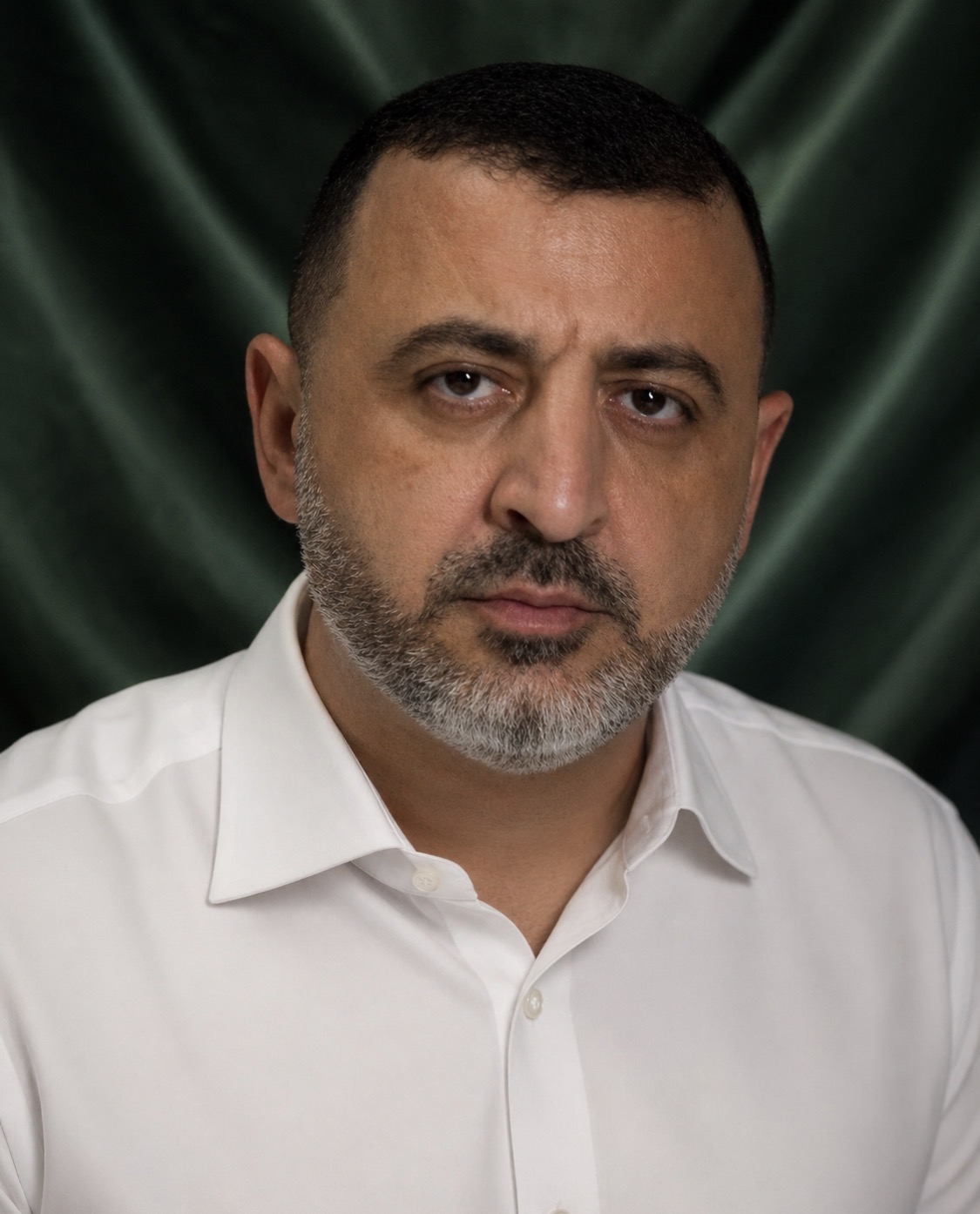
Recovery mentor for motivation, Twelve-Step work, accountability and relapse prevention
In the residential villa program, motivation cannot remain a speech made after a crisis. Ramiz helps turn it into daily action: showing up, speaking honestly, hearing feedback, completing commitments and learning how the Twelve-Step approach applies to the person’s own pattern.
He is not a physician and does not diagnose, prescribe medication, perform detox or make clinical decisions. His role is mentorship and practical recovery work within the rehabilitation program.
These sources support the page’s distinction between emergency safety, licensed medical care and continued behavioral, family and social rehabilitation. They do not replace an individual assessment.
Drug addiction is a repeated pattern of compulsive drug seeking or use despite harm. The pattern may include loss of control, secrecy, changing sleep and relationships, unsafe decisions, continued use after consequences and repeated return after promises to stop.
This page explains drug addiction as a loss-of-control, environment, behavior and family-system problem and shows why a residential recovery program may be needed. The drug detox page covers the acute medical stage, while the drug rehab page explains the broader admission and service route.
Yes. MAAVAR CLINIC is licensed by the Israeli Ministry of Health to provide addiction treatment, medical detox and clinical care. Dr. Moshe Golin and the medical team provide assessment and stabilization when indicated, and the main recovery work continues through the structured residential villa program.
A protected residential setting creates distance from immediate access, old contacts and crisis-driven routines. The person practices sleep, meals, groups, individual work, responsibility, Twelve-Step principles, family boundaries and relapse prevention throughout the day rather than relying on promises made during a short crisis.
The individual plan can include daily structure, individual and group work, motivation, Twelve-Step work, trigger mapping, emotional regulation, responsibility, family work, relapse-prevention planning and preparation for a stable return to life after treatment.
Write down the known substances, current risks, overdose or psychosis history, sleep, aggression, debts, previous treatment and what happens after each promise to stop. Keep emergency danger separate from the admission conversation, and avoid financing, hiding or negotiating away consequences.
Call Magen David Adom at 101 for loss of consciousness, slow or difficult breathing, blue or grey lips, a seizure, collapse, chest pain, severe confusion, dangerous psychosis, suicidal behavior, violent danger or inability to remain safe.
Dr. Moshe Golin is a psychiatrist and addiction physician with 40 years of experience. He and the MAAVAR CLINIC medical team assess substance use, psychiatric and physical risk, withdrawal, overdose history, mixed substances and clinical indications, and connect required medical care to rehabilitation.
Ramiz supports motivation, peer mentorship, Twelve-Step work, accountability and relapse-prevention practice in the residential program. He is not a physician and does not diagnose, prescribe medication, perform detox or make clinical decisions.
Write on WhatsApp, call +972 54 757 8876, or email dhvny8@gmail.com. A first message can include the suspected substances, duration, current risks, previous treatment and whether the family is asking about the residential villa program. In an emergency in Israel, call 101.
Write briefly: known or suspected substances, duration, last use, overdose, psychosis, withdrawal, sleep, aggression, debts, previous treatment and what usually happens after each promise to stop.
MAAVAR CLINIC can clarify immediate medical needs and the private residential villa program for structure, motivation, Twelve-Step work, family boundaries, responsibility and relapse prevention.
Quick reading settings for this page.