The promise no longer holds
The person may sincerely want to stop after a binge, but craving, shame, sleep loss, debt, access and old contacts restart the cycle.
Crack addiction treatment in Israel: medical assessment, stabilization, psychiatry, rehabilitation and family recovery at MAAVAR CLINIC.
By the time a family seeks treatment, the problem is often larger than the last binge: sleepless nights, chest symptoms, paranoia, debt, disappearances, aggression, shame and repeated promises that collapse under the same pressure.
At MAAVAR CLINIC, treatment begins with medical and psychiatric clarity. Acute risk is assessed first, clinical stabilization is provided when indicated, and the person then moves into a structured rehabilitation stage built around sleep, routine, responsibility, family work and relapse prevention.
The family often recognizes the pattern before the person can describe it. Treatment should not depend on a perfect confession after the next crash.
The person may sincerely want to stop after a binge, but craving, shame, sleep loss, debt, access and old contacts restart the cycle.
Relatives cover debt, explain absences, calm conflict, search for the person and wait for the next crisis.
Alcohol, benzodiazepines, opioids, cannabis, other stimulants or unknown powders make risk harder to recognize and predict.
Paranoia, severe agitation, depression, suicidality, violence or days without sleep can turn a familiar pattern into an emergency.
Medical stabilization and rehabilitation are connected from the start so the person is not returned to the same environment with only a short period of rest.
Explains warning signs, the cycle of crack use and family dynamics.
Focuses on the immediate crash, comedown, sleep, anxiety and acute stabilization after use.
Explain stimulant-induced or drug-induced psychosis as focused medical topics.
Connects assessment, stabilization, psychiatry, rehabilitation, family work and relapse prevention into one continuing route.
Crack cocaine can create acute cardiovascular, neurological and psychiatric danger. Privacy and logistics come after immediate safety.
Chest pain, chest pressure, breathing difficulty, collapse, severe weakness or an irregular heartbeat require urgent medical attention.
Seizure, severe confusion, hallucinations, extreme paranoia, dangerous aggression or disconnection from reality require urgent action.
Suspected overdose, suicidal behavior or inability to remain safe should be directed to emergency services immediately.
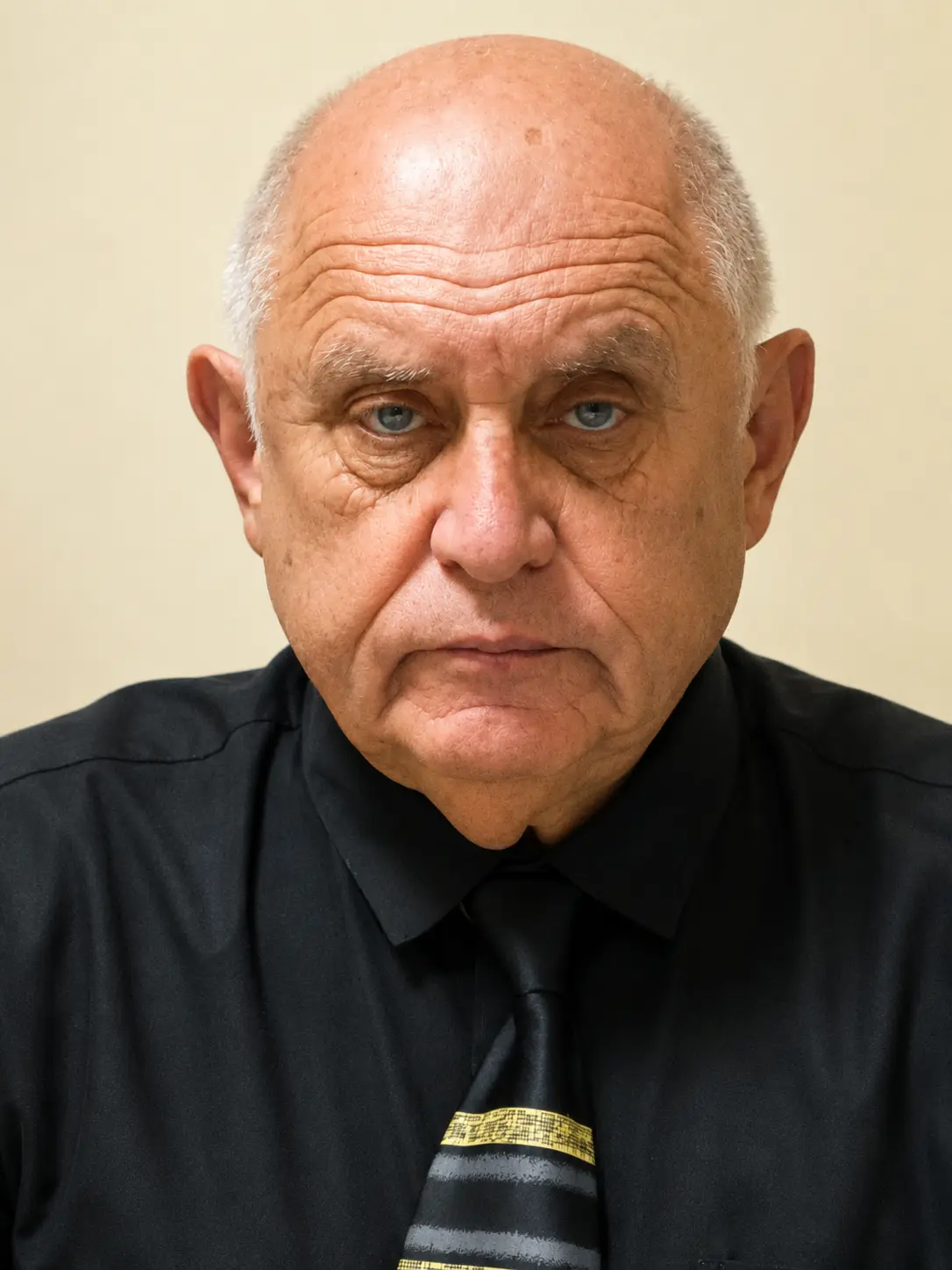
Psychiatrist, addiction physician, senior doctor with 40 years of experience
Dr. Golin evaluates the pattern of crack and cocaine use, cardiovascular symptoms, sleep deprivation, panic, depression, psychosis, suicidality, aggression, mixed substances, medication and physical illness.
He and the MAAVAR CLINIC medical team are responsible for diagnosis, stabilization, medication decisions, psychiatric care, addiction medicine and the transition into rehabilitation.
Another episode may bring debt, psychosis, cardiovascular danger, violence, overdose or another period without sleep.
Removing immediate pressure can unintentionally preserve access and protect the next binge when no treatment plan follows.
Rest may reduce acute pressure, but it does not remove craving, access, contacts, shame, triggers or psychiatric risk.
The same phone, people, locations and stress can restart the cycle before the first improvement becomes stable.
Privacy can make treatment possible for families, professionals and public-facing people. It must remain clinically honest.
Information is limited to people needed for clinical care, safety, authorized family communication and treatment continuity.
Crack, cocaine, alcohol, pills, opioids, unknown substances and symptoms must be reported honestly to the medical team.
One authorized contact reduces contradictory messages, pressure and unnecessary exposure.
Confidentiality never means concealing psychosis, suicidality, chest pain, overdose or another immediate danger.
The acute crisis may settle before judgment, routine and emotional stability return. Rehabilitation protects that vulnerable transition.
Rebuild a predictable waking and evening rhythm after stimulant-driven sleep loss.
Meals, movement, groups, tasks and planned rest replace the unstructured cycle around use and recovery.
Learn to respond to anxiety, shame, anger, emptiness and craving without returning to crack or another substance.
Identify access, contacts, places, debt pressure and family patterns that can reopen the same route to use.

Medical stabilization opens the door. Rehabilitation protects the person from returning immediately to the same sleep loss, access, debt, contacts, family pressure and triggers.
The family reacts to each binge, debt and disappearance separately.
Assessment, stabilization and rehabilitation address the whole pattern.
The person sleeps, apologizes and returns to the same environment.
Sleep, routine, boundaries and relapse prevention continue after stabilization.
Danger is hidden while everyone becomes more exhausted.
Information stays limited but medical and psychiatric risk is reported accurately.

Recovery mentor for sleep, routine, structure and responsibility
After medical stabilization, Mikhail helps the person rebuild a day that is not organized around craving, exhaustion, avoidance or the emotional crash after crack use.
He is not a physician and does not diagnose, prescribe medication or make clinical decisions. His role is practical rehabilitation after the acute stage.
This page provides general information and does not replace individual medical assessment, emergency care or a personalized treatment plan.
Treatment begins with medical and psychiatric assessment of crack or cocaine use, sleep loss, chest symptoms, psychosis, mood, suicidality, mixed substances and physical health. The medical team provides stabilization and clinical treatment when indicated, followed by structured rehabilitation, family work and relapse prevention.
Yes. MAAVAR CLINIC is a licensed medical clinic in Kiryat Gat. Dr. Moshe Golin and the medical team perform assessment, diagnosis, stabilization, medication decisions, psychiatric care and addiction medicine according to clinical indications.
Call Magen David Adom at 101 for chest pain, breathing difficulty, seizure, collapse, severe confusion, hallucinations, dangerous aggression, suicidal behavior, suspected overdose or inability to remain safe.
The crack addiction page explains warning signs, the cycle of use and family dynamics. This page focuses on treatment: medical assessment, stabilization, rehabilitation, family roles, confidentiality and what must happen after the first crisis settles.
A person may sincerely promise to stop during the crash, but sleep loss, craving, debt, shame, access, old contacts and the same environment can restart the cycle. Treatment needs medical clarity and a continuing rehabilitation plan, not only a promise.
Yes. Intake, clinical communication and family updates can be limited to the people needed for care, safety and authorized coordination. Confidentiality never means hiding chest pain, psychosis, suicidality, overdose or another emergency.
Tell the medical team exactly what was used and when. Alcohol, benzodiazepines, opioids, cannabis, other stimulants and unknown powders can change intoxication, breathing, cardiovascular, psychiatric and withdrawal risk.
Rehabilitation focuses on restoring sleep, daily routine, emotional regulation, responsibility, family boundaries, trigger reduction and relapse prevention before the person returns to the same pressures and contacts.
Mikhail supports sleep rhythm, daily structure, practical learning and responsibility after stabilization. He is not a physician and does not diagnose, prescribe medication or make clinical decisions.
Write on WhatsApp, call +972 54 757 8876, or email dhvny8@gmail.com. State clearly if there is chest pain, psychosis, suicidal behavior, suspected overdose or immediate danger; emergencies should be directed to 101.
Write briefly: crack or cocaine, last use, sleep, chest symptoms, panic, psychosis, aggression, suicidal thoughts, debt and any alcohol, pills, opioids or other substances.
At MAAVAR CLINIC, licensed medical assessment and stabilization are connected directly to psychiatric care, sleep restoration, routine, family boundaries and relapse prevention.
Quick reading settings for this page.