Repeated binges
Use returns after stress, nightlife, debt pressure, old contacts or another “last time.”
Cocaine detox in Israel: crash symptoms, emergency risks, medical assessment, stabilization and rehabilitation.
After cocaine or crack, the person may move from sleeplessness, agitation and paranoia into exhaustion, anxiety, guilt, low mood and craving. A quiet crash is not automatically a safe one.
At MAAVAR CLINIC in Kiryat Gat, Dr. Moshe Golin and the medical team assess chest symptoms, mental state, sleep loss, mixed substances and immediate risk. Stabilization is connected directly to rehabilitation focused on sleep, routine, responsibility and relapse prevention.
The family may not see the substance itself. The pattern is often visible through sleep, money, behavior, secrecy and repeated consequences.
Use returns after stress, nightlife, debt pressure, old contacts or another “last time.”
Nights without sleep, hyper-alertness, disappearance and a severe crash afterward.
Paranoia, panic, irritability, aggression, depression, confusion or psychotic symptoms.
Unexplained expenses, loans, missing valuables, hidden transfers or urgent requests for money.
Alcohol, benzodiazepines, sleeping pills, opioids or unknown substances change the medical risk.
Closed phones, sudden trips, hidden contacts and refusal to explain where the person was.
The problem is not only the substance. The family can become trapped in checking, rescuing, paying, arguing and waiting for another promise.
Some cocaine-related symptoms require urgent medical care. Privacy concerns must not delay treatment.
Chest pressure, shortness of breath, fainting or collapse after cocaine or crack requires urgent assessment.
Paranoia, hearing or seeing things, delusions or dangerous behavior can become an emergency.
Any seizure, collapse, disorientation or inability to remain conscious requires emergency care.
Suicidal statements, violence, dangerous aggression or inability to remain safe require immediate response.
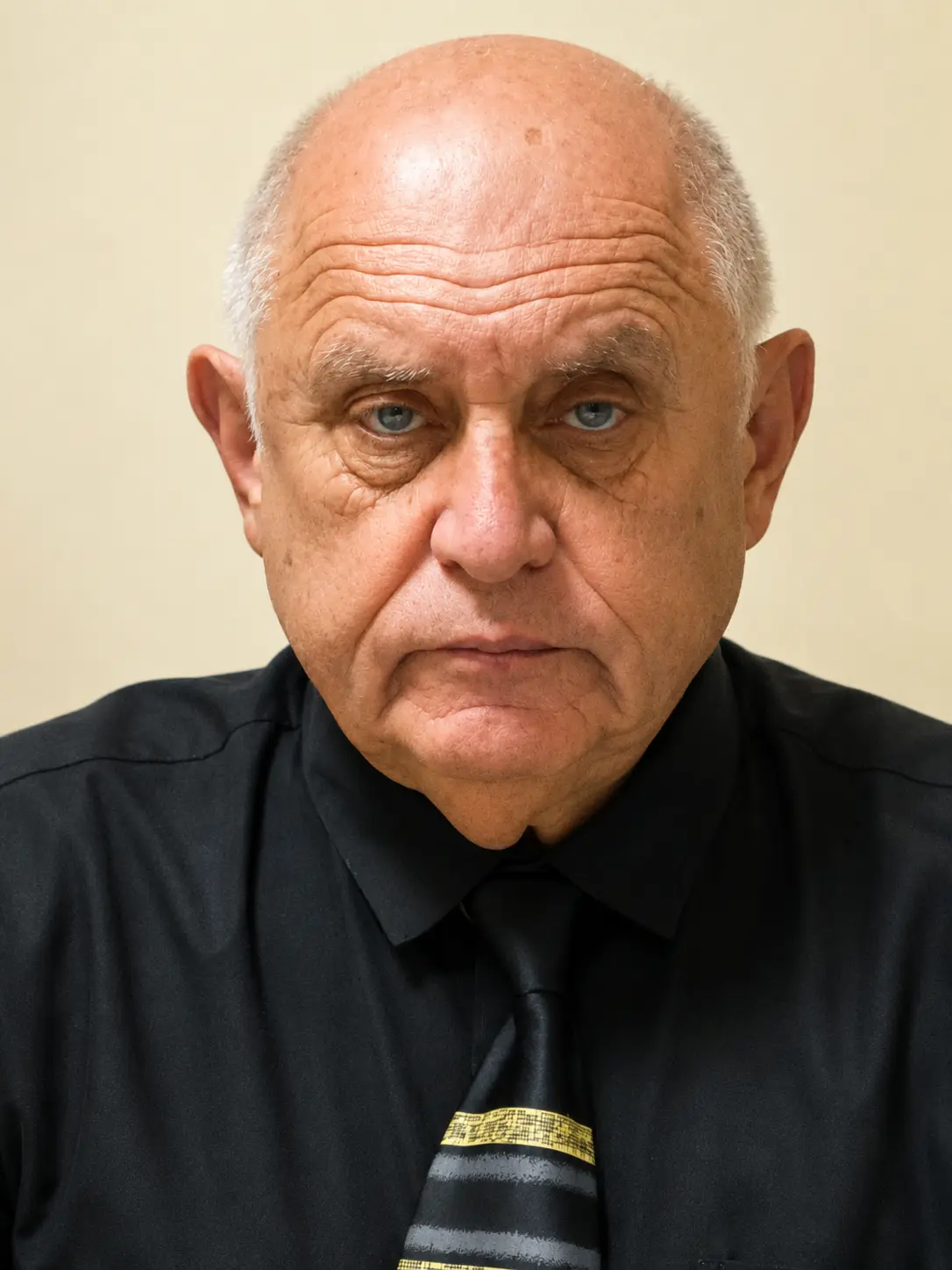
Psychiatrist, addiction physician, senior doctor with 40 years of experience
Dr. Golin evaluates cocaine or crack use, sleep deprivation, chest pain, panic, psychosis, depression, anxiety, mixed substances, physical illness and family safety.
He and the MAAVAR CLINIC medical team are responsible for diagnosis, stabilization, medication decisions, psychiatric care, addiction medicine and the transition into rehabilitation.
The medical team needs the complete picture, not only the main substance.
Alcohol can intensify disinhibition, prolong the binge cycle and increase cardiovascular strain.
These may be used to force sleep after cocaine, creating additional dependence and overdose risk.
Mixed stimulant and opioid use can create unpredictable overdose risk and breathing suppression.
Unverified powders or pills may contain unexpected substances, making clinical assessment more important.
The first calm days are only the beginning. Recovery requires a structure that changes sleep, access, routine, responsibility and the environment around use.
Relatives can help by reporting facts, recognizing danger and following one treatment plan. They should not become permanent detectives, banks or guards.
Last use, frequency, sleep, chest pain, psychosis, debt, aggression, alcohol, pills and disappearances.
If the person is disconnected from reality, debate may escalate danger.
Paying debt without a treatment plan may protect the next binge instead of recovery.
Medical decisions, family roles and rehabilitation goals should follow a clear shared plan.

Recovery is not measured only by several days without cocaine. It is measured by restored sleep, medical stability, honest reporting, reduced access, reliable routine, family boundaries and a growing ability to tolerate stress without returning to the old cycle.
“If we explain it strongly enough, the person will stop.”
Assess medical and psychiatric risk, then build a structured treatment route.
The family reacts only to the latest disappearance, debt or crash.
The focus shifts to sleep, routine, responsibility, boundaries and relapse prevention.
Relatives pay, hide, monitor and carry the whole crisis.
The medical team handles clinical decisions; the patient and family follow clear roles.

Recovery mentor for sleep, routine, structure and responsibility
After stabilization, the person may still organize life around craving, avoidance, shame, reassurance and the old social circle. Mikhail helps replace that pattern with a repeatable routine.
He is not a physician and does not diagnose, prescribe medication or make clinical decisions. His role is practical rehabilitation after the acute stage.
This page provides general information and does not replace individual medical assessment, emergency care or a personalized treatment plan.
Cocaine detox is the medically supervised assessment and stabilization stage after cocaine or crack use. It addresses the crash, sleep loss, anxiety, psychosis, cardiovascular symptoms, mixed substances and the transition into rehabilitation.
Yes. MAAVAR CLINIC is a licensed medical clinic in Kiryat Gat. Dr. Moshe Golin and the medical team perform assessment, diagnosis, stabilization, medication decisions, psychiatric care and addiction medicine according to clinical indications.
Call Magen David Adom at 101 for chest pain, breathing difficulty, seizure, collapse, severe confusion, hallucinations, dangerous aggression, suicidal behavior or inability to remain safe.
The crash can bring exhaustion, emptiness, anxiety, irritability, guilt, low mood and craving. Without a structured plan, the person may return to cocaine to escape these symptoms.
Mikhail supports sleep rhythm, daily structure, practical learning and responsibility after stabilization. He is not a physician and does not diagnose, prescribe medication or make clinical decisions.
Write on WhatsApp, call +972 54 757 8876, or email dhvny8@gmail.com. Immediate danger takes priority over privacy; in an emergency call 101.
A single episode can still be dangerous, but addiction is usually identified by repetition, loss of control, craving, secrecy, continued use despite harm and the same crisis returning after short periods of calm.
Cocaine use can be hidden behind work, nightlife, business stress, travel, money explanations and short periods of apparent control. Families may notice broken sleep, debt, secrecy and emotional instability before receiving an honest admission.
This page explains cocaine detox crash symptoms, risks, emergency warning crash symptoms and family dynamics. The treatment page focuses on medical assessment, stabilization when indicated and the structured rehabilitation route.
Tell the medical team exactly what was used. Alcohol, benzodiazepines, sleeping pills, opioids and unknown substances can change cardiovascular, psychiatric, sedation and overdose risk.
Write briefly: cocaine or crack, how long the pattern has been present, last use, sleep, chest pain, panic, psychosis, aggression, debt, alcohol, pills and whether anyone is currently unsafe.
At MAAVAR CLINIC, medical assessment and stabilization are connected directly to sleep restoration, routine, responsibility, family boundaries and relapse prevention.
Quick reading settings for this page.