Overdose safety
Breathing, consciousness, fentanyl exposure, tolerance changes and mixing with alcohol or sedatives must be understood first.
Opioid addiction treatment in Israel: overdose safety, medical assessment, stabilization, detox when indicated and structured residential rehabilitation.
Opioid treatment must solve more than withdrawal. The person may also be living with pain, tolerance, hidden sources, unsafe mixing, repeated overdose risk and a family system organized around the next dose or crisis.
MAAVAR CLINIC connects licensed medical assessment and stabilization with a residential recovery program, family planning and a continuation route designed for life after the protected stage.
A strong treatment route separates immediate medical danger from the longer pattern that keeps returning.
Breathing, consciousness, fentanyl exposure, tolerance changes and mixing with alcohol or sedatives must be understood first.
The plan must distinguish pain treatment, physical dependence, withdrawal pressure and loss of control without asking the family to make clinical decisions.
Access, craving, money, contacts, sleep, emotional regulation, responsibility and family boundaries determine whether recovery continues.
Street names are not enough. The medical team needs a factual map of exposure, risk and previous attempts.
Known opioid, prescription, street pill, powder, patch, injection, suspected fentanyl or uncertain product.
Last use, usual amount, recent increase, missed doses, additional sources, relapse after abstinence and previous overdose.
Alcohol, benzodiazepines, sleeping pills, pregabalin, stimulants, cannabis and other medications can change the risk.
Breathing, consciousness, pain, pregnancy, infection, injuries, chronic illness and current prescribed treatment.
Depression, suicidal thoughts, psychosis, trauma symptoms, anxiety, agitation and ability to remain safe.
Past detox, medication treatment, rehabilitation, periods of abstinence, relapse circumstances and what ended follow-up.
Diagnosis, detox, stabilization, pain treatment, psychiatric care and medication belong to Dr. Golin and the medical team.
Provide accurate information, protect immediate safety and avoid changing, hiding, sharing or financing medication outside the treatment plan.
The person can breathe safely, remain oriented and participate in the next stage.
The person can tolerate craving, follow routine, ask for help, respect boundaries and continue care outside the protected setting.
Withdrawal or pain is reduced for the present moment.
Access, behavior, relationships and relapse patterns are addressed over time.
A protected villa environment is useful when it is tied to measurable recovery work rather than isolation alone.
Rebuild a predictable day around sleep, meals, movement, hygiene, appointments and participation.
Map contacts, money, phones, pharmacies, dealers, pain triggers and the decisions that precede use.
Practice staying present with pain, anxiety, shame, anger and boredom without returning automatically to opioids.
Replace explanations and emergency promises with daily actions that can be observed and repeated.
Create one communication line, clear financial limits and a plan for medication, transport, children and home safety.
Prepare for reduced tolerance, overdose risk, warning signs, support contacts and immediate action after any lapse.
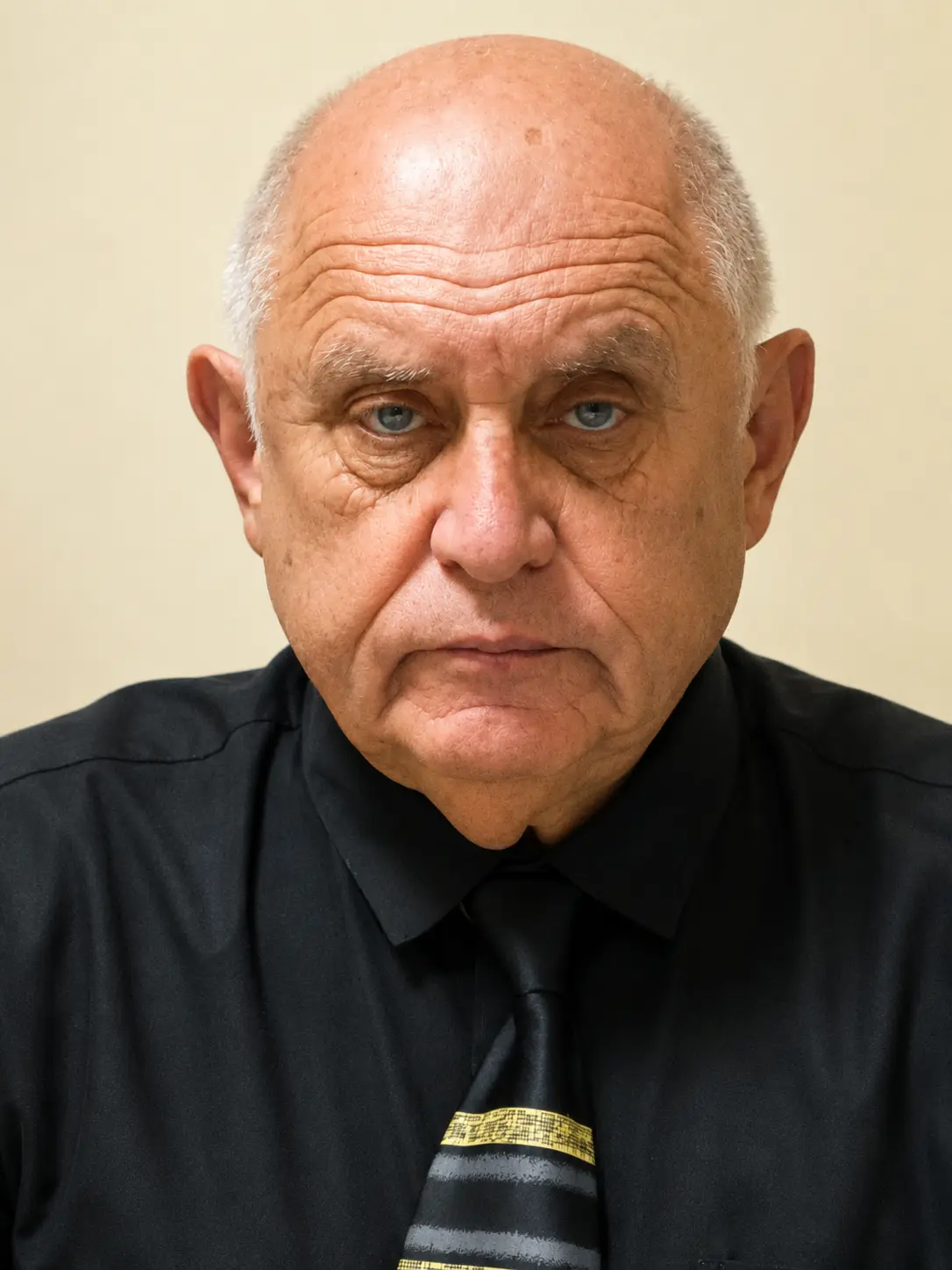
Psychiatrist and addiction physician • 40 years of experience
Dr. Golin and the MAAVAR CLINIC medical team assess overdose risk, intoxication, withdrawal, pain, psychiatric symptoms, mixed substances and the appropriate level of care.
Clinical decisions are individualized. Website information does not replace an examination, emergency care or a physician's treatment plan.

Feeling physically better can create a dangerous illusion that the problem is over. The continuation plan must already exist: medical follow-up, rehabilitation, family agreements, trigger controls, support and a rapid response to relapse warning signs.
General information only. Individual treatment decisions require clinical assessment.
Treatment may include emergency risk assessment, medical evaluation, stabilization or detox when clinically indicated, rehabilitation, family planning and follow-up. The sequence depends on the person and the substances involved.
Heroin, fentanyl, oxycodone, tramadol, methadone, codeine, prescription pain medication and unknown street pills may all be involved. Mixed or uncertain products require careful assessment.
Call Magen David Adom at 101 if the person is difficult to wake, breathing slowly or irregularly, has blue lips, collapses, loses consciousness, has seizures or may have overdosed.
No home plan should be improvised. The medical team must assess the opioid, last use, physical condition, pregnancy, psychiatric risk, other substances and previous complications before deciding the appropriate level of care.
No. Detox addresses acute withdrawal and stabilization. Rehabilitation addresses craving, access, routines, emotional regulation, family roles, responsibility and relapse prevention.
Medication, tapering, pain treatment and psychiatric decisions are made only by Dr. Moshe Golin and the MAAVAR CLINIC medical team after assessment.
Yes. The assessment distinguishes prescribed use, physical dependence, loss of control, additional sources, mixing and functional harm. The treatment plan follows the clinical findings rather than the street label alone.
Prepare the known opioid, dose or street name, last use, breathing and consciousness, withdrawal signs, pain history, alcohol or sedatives, previous overdose, medications, pregnancy and prior treatment.
The intake process is discreet and information is limited to the people needed for safe care and coordination. Privacy must never delay emergency medical assistance.
The next stage builds sleep, routine, responsibility, craving response, family boundaries, follow-up and a relapse-prevention plan that can continue outside the protected setting.
Write briefly what opioid is known or suspected, last use, breathing, withdrawal, pain, other substances, previous overdose and what the family has already tried.
Quick reading settings for this page.