Supervised treatment
Methadone is taken according to a medical plan, monitoring is consistent, functioning is relatively stable and there is no hidden search for additional sources.
Methadone addiction in Israel: supervised treatment, physical dependence, loss of control, overdose risk, medical assessment and rehabilitation.
Methadone is not automatically the problem. It can stabilize opioid use disorder when it is prescribed, monitored and taken within a medical plan. The family crisis begins when the framework no longer holds: doses come from additional sources, the schedule changes without a clinician, sedation becomes frightening, alcohol or tablets are added, or the entire day starts revolving around access.
At MAAVAR CLINIC in Kiryat Gat, Dr. Moshe Golin and the medical team assess breathing risk, consciousness, the treatment program, actual use, mixed substances, physical dependence, psychiatric state and loss of control. The aim is not to force an automatic stop. It is to make the correct clinical distinction and connect the decision to structured rehabilitation.
A precise distinction prevents both stigma and dangerous minimization. The family should not label every methadone patient as addicted—and should not ignore a pattern that has moved outside medical control.
Methadone is taken according to a medical plan, monitoring is consistent, functioning is relatively stable and there is no hidden search for additional sources.
The body has adapted, so abrupt change may produce withdrawal. Dependence can occur during appropriate treatment without compulsive or harmful behavior.
Control is impaired: use moves outside the plan, becomes compulsive, continues despite harm or is repeatedly mixed with dangerous substances.
No single sign proves a diagnosis. Look for a repeating pattern that changes safety, functioning, trust and the person’s relationship with the treatment program.
Doses are taken at different times, the actual pattern is not reported, or the person repeatedly overrides the treatment instructions.
Methadone appears from unexplained bottles, private purchases, other people or multiple sources outside one clinical framework.
Money, travel, arguments and planning become organized around securing the next dose rather than health, work and family responsibilities.
The pattern continues after dangerous sedation, falls, relationship damage, missed treatment, financial harm or a previous overdose event.
The family does not have to prove addiction. It can record consistent changes and give the medical team a reliable picture.
In suspected opioid overdose, breathing and consciousness come first. The family story can be clarified after emergency help is activated.
Unresponsiveness, collapse or loss of consciousness requires immediate emergency action.
Slow, shallow, irregular breathing, long pauses, choking sounds or blue lips are emergency signs.
Acute disorientation, inability to follow instructions, a fall or rapid deterioration should not be managed privately.
Alcohol, benzodiazepines, sleeping pills, pregabalin, opioids and unknown substances can deepen sedation and respiratory depression.
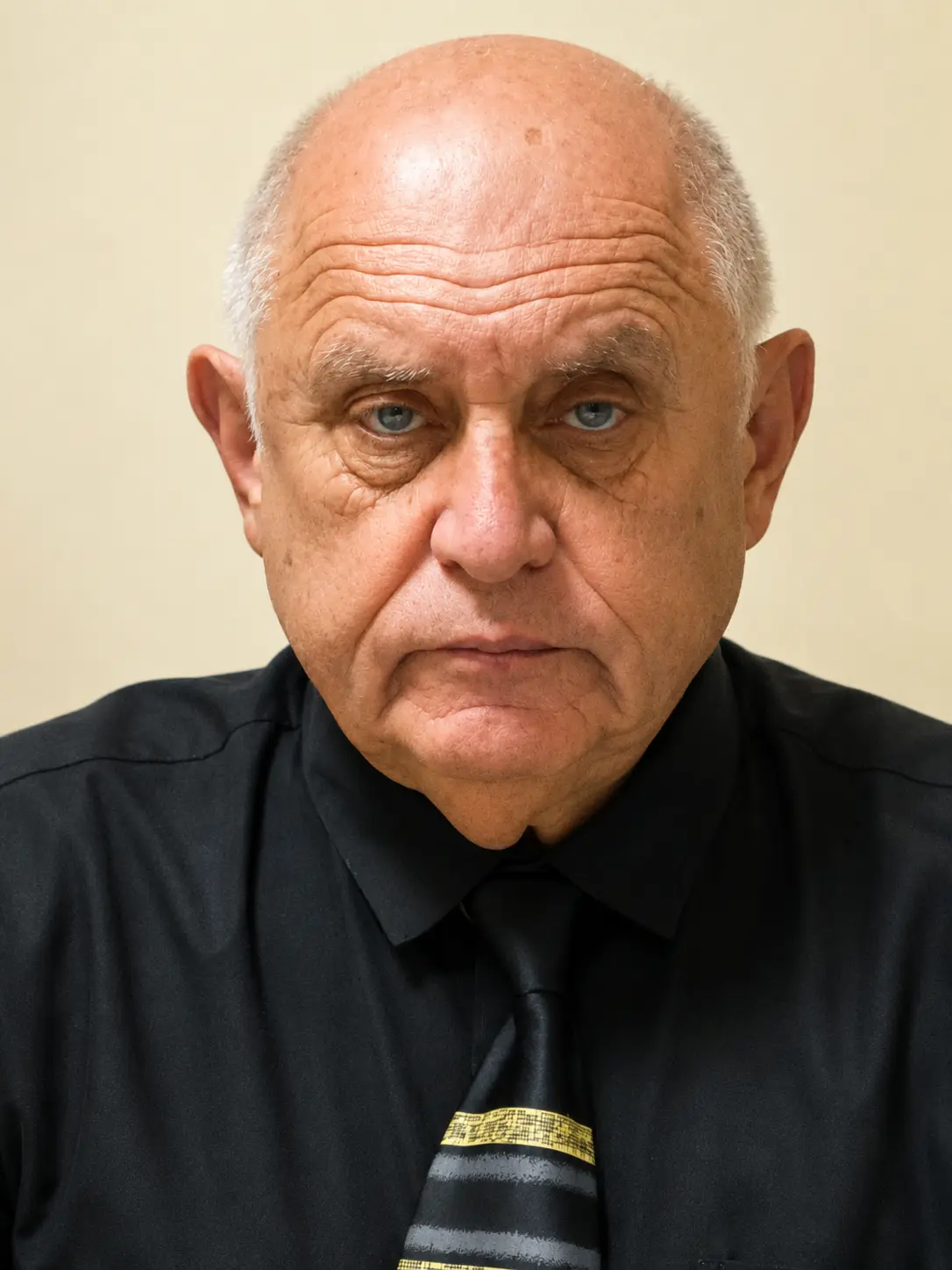
Psychiatrist, addiction physician, senior doctor with 40 years of experience
Dr. Golin distinguishes a stable methadone treatment plan from physical dependence, a developing use disorder, mixed-substance risk and a psychiatric or medical condition that changes safety.
He and the MAAVAR CLINIC medical team are responsible for assessment, diagnosis, stabilization, medication decisions, psychiatric care and addiction medicine. The family is not expected to choose a diagnosis or manage the dose.
Facts help separate immediate danger, a medication problem and a family conflict. Secret surveillance is not required.
Is there a prescription or opioid treatment program? Who is the treating team, and is attendance consistent?
When did secrecy, sedation, extra sources, absences, financial pressure or functional decline begin?
Alcohol, benzodiazepines, sleeping pills, pregabalin, heroin, fentanyl, stimulants or unknown tablets.
Difficulty waking, unusual breathing, falls, accidents, previous overdose, hospitalization or naloxone use.
Hidden use, repeated promises and changing accounts turn every conversation into an interrogation rather than cooperation.
Work, parenting, driving, money and daily routine deteriorate when the day centers on access or recovery from sedation.
Sedation, medical illness, mixed substances and unregulated opioids can turn a familiar pattern into a life-threatening event.
When access changes or withdrawal fear rises, some people return to heroin, fentanyl or unknown pills, increasing uncertainty and overdose risk.

For one person, the correct plan may be stable continuation. Another may need adjustment or closer monitoring. A third may require stabilization and intensive rehabilitation. The decision follows the clinical picture—not family pressure, stigma or a generic website instruction.
The route does not assume in advance that methadone must be stopped. It begins with the correct distinction and connects medical safety to behavioral and family change.
Methadone is taken within one medical framework, functioning improves and the person is not seeking additional sources.
Continue monitoring and discuss side effects or concerns honestly with the treating team.
Use moves outside the plan; secrecy, mixing, compulsive access and continued harm appear.
Reassess diagnosis, safety, medication strategy and level of care without family-made dose changes.
The physician defines the medical picture; rehabilitation addresses behavior, routine, family roles and relapse risk.
Clinical decisions stay with the team, while the patient and family follow clear behavioral boundaries.

Family support specialist for crisis communication, boundaries and adaptation
Karin helps relatives stop moving between rescue, threats, financing, surveillance and home negotiations about medication. She helps the family state what it can support, what it will not fund and what happens when safety deteriorates.
She is not a physician and does not diagnose, prescribe, dispense methadone, manage doses, conduct detox or make clinical decisions. Her role is to connect the family to the medical and rehabilitation plan.
A safer medication plan can still fail if the person returns to secrecy, unregulated access, mixed substances and the same family crisis.
Follow-up, medication safety and honest reporting remain connected to the treating physician and team.
Routine, responsibility, trigger work, family boundaries and relapse prevention begin before the first improvement is mistaken for completion.
“We stopped treating the prescription as proof that everything was safe.”“The most useful change was learning that methadone treatment, physical dependence and addiction are not the same question. Dr. Golin’s team asked about breathing, extra sources, alcohol, pills and the real schedule. Karin helped us stop fighting over doses at home and create boundaries we could actually maintain. Names and identifying details have been withheld.”
MAAVAR CLINIC provides medical assessment, diagnosis, stabilization, medication management and addiction treatment within its licensed framework and according to clinical indications.
The license is displayed for transparency. It does not replace an individual clinical assessment and does not imply that one medication decision is appropriate for every patient.

This page provides general information and does not replace emergency care, diagnosis, a treatment program or an individualized medication decision.
No. Methadone can be an effective medication for opioid use disorder when it is taken within a medical plan. Addiction or a use disorder involves loss of control, use outside the plan, compulsive dose-seeking, hidden sources, continued use despite harm or dangerous mixing.
Physical dependence means the body has adapted and withdrawal may occur if treatment changes abruptly. Addiction involves impaired control, compulsive use, preoccupation, use outside the medical framework and continuation despite harm. A clinician must assess the difference.
Warning patterns include unexplained extra doses, buying or sharing methadone, changing the schedule without a clinician, hiding use, repeated sedation, mixing with other substances, neglecting the treatment program and organizing daily life around access to the next dose.
Call Magen David Adom at 101 if the person is difficult to wake, has slow, shallow or irregular breathing, blue lips, loss of consciousness, severe confusion, collapse, suspected overdose or immediate danger. Do not wait for a WhatsApp reply in an emergency.
Methadone and alcohol, benzodiazepines, sleeping pills, pregabalin, other opioids and other central nervous system depressants can increase sedation, respiratory depression, overdose and death risk. The medical team needs a complete and honest list of everything used.
No family should create its own taper, confiscate methadone or force an abrupt stop. Methadone changes can produce withdrawal, destabilization and return to unregulated opioids. Dosing, tapering, switching and discontinuation require an individualized medical decision.
Yes. MAAVAR CLINIC is a licensed medical clinic in Kiryat Gat. Dr. Moshe Golin and the medical team perform assessment, diagnosis, stabilization, medication decisions, psychiatric care and addiction medicine according to clinical indications.
No. The correct goal may be continued supervised treatment, adjustment, stabilization, another medication strategy or detox when clinically indicated. The decision depends on the person’s diagnosis, safety, treatment history and current condition—not family pressure or a website instruction.
Rehabilitation addresses the pattern around the medication: secrecy, triggers, mixed use, sleep, routine, responsibility, family communication, access to money or substances and relapse prevention. Medical stabilization is the zero stage, not the complete treatment.
Karin supports family communication, crisis boundaries and adaptation to the rehabilitation plan. She is not a physician and does not diagnose, prescribe, dispense methadone, manage doses, conduct detox or make clinical decisions.
Write on WhatsApp, call +972 54 757 8876, or email dhvny8@gmail.com. Include whether methadone is prescribed, what is known about the schedule, extra sources, sedation, breathing, mixed substances and previous attempts to get help. In immediate danger, call 101 first.
Write briefly: whether the medication is prescribed, the known schedule, missed or extra doses, additional sources, sedation, breathing, alcohol, benzodiazepines, sleeping pills, pregabalin, other opioids and previous treatment attempts.
At MAAVAR CLINIC, the clinical distinction is connected directly to rehabilitation focused on honesty, routine, responsibility, family boundaries and relapse prevention.
Quick reading settings for this page.