The body changes
Nodding off, slowed speech, pinpoint pupils, unusual calm, itching, poor coordination or difficulty waking may appear after use.
Heroin addiction in Israel: hidden use, family signs, overdose risk and transition into residential villa rehabilitation at MAAVAR CLINIC.
Heroin rarely enters family life with a clear confession. It appears in fragments: unusual sleepiness, short unexplained exits, urgent requests for money, a locked phone, aches and agitation between episodes, changing stories and the frightening need to check whether the person is breathing normally.
This page solves the recognition problem. It helps relatives see the repeated system behind isolated incidents and understand why, after immediate safety and stabilization, recovery usually requires distance from the old route of use and a structured residential program on the MAAVAR CLINIC villa.
One sign can have many explanations. A repeating combination is different: sedation followed by withdrawal, disappearing followed by urgent money, secrecy followed by remorse, and another episode after the family believed the crisis had ended.
Nodding off, slowed speech, pinpoint pupils, unusual calm, itching, poor coordination or difficulty waking may appear after use.
Short exits grow longer, ordinary errands become unexplained, and the person becomes unavailable at predictable moments.
Small transfers, repeated borrowing, missing items, debt or pressure for immediate cash begin to form a recognizable rhythm.
Aches, sweating, stomach symptoms, anxiety, irritability and insomnia can create an urgent drive to leave or obtain money.
The phone is guarded, explanations shorten, questions provoke anger and the family receives only enough information to end the conversation.
Remorse can be sincere, but without a changed environment and rehabilitation structure the same sequence often returns.
The family gradually becomes part of the addiction’s logistics even while trying to stop it.
Families should respond to the condition they see, not wait to confirm what was taken.
Repeated calling, shaking or stimulation does not produce a normal response.
Breathing is slow, shallow, irregular, stopped, or accompanied by choking, gurgling or unusual snoring sounds.
Lips or nails may look blue or discolored, and the body may become limp.
Alcohol, benzodiazepines, sleeping tablets, stimulants or an unpredictable street supply can change risk rapidly.
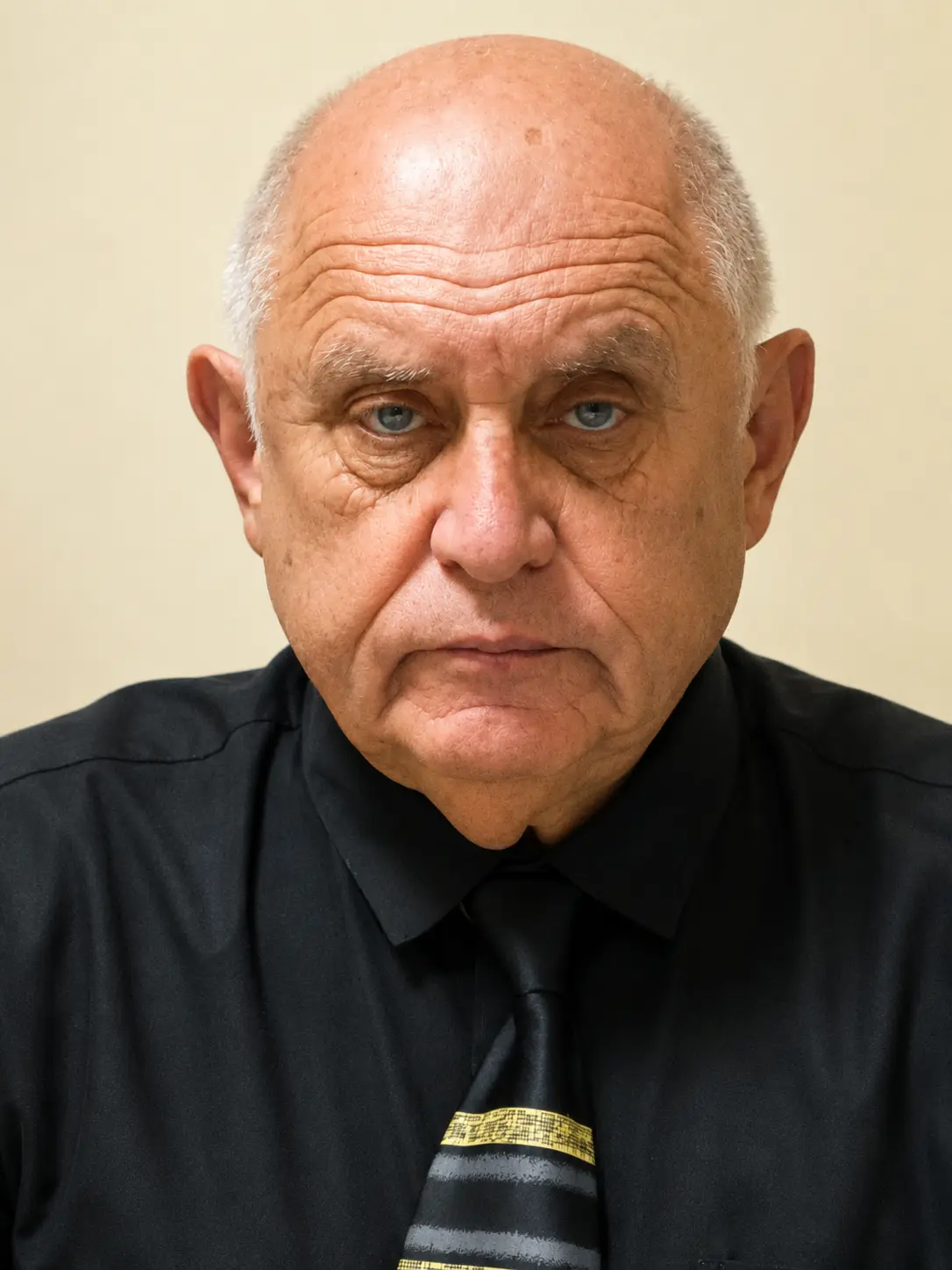
Psychiatrist, addiction physician, senior doctor with 40 years of experience
Dr. Golin assesses heroin-related risk together with withdrawal, overdose history, mixed substances, physical instability, depression, anxiety, trauma, sleep disruption and suicidal thinking.
He and the MAAVAR CLINIC medical team are responsible for diagnosis, medical and psychiatric assessment, detox or stabilization when clinically indicated, medication decisions and the safe transition into rehabilitation.
A coherent family position reduces chaos and prepares the transition into rehabilitation.
Note breathing, ability to wake, disappearance, money, withdrawal, mixed use and previous overdose without turning every conversation into an interrogation.
Children’s needs, housing, food and essential obligations should not be exposed to repeated emergency requests for cash.
Relatives should agree who speaks, what is offered and what no longer changes under threats, guilt or withdrawal pressure.
Transport, money or support should lead toward assessment and rehabilitation rather than another temporary return to the same environment.

Family support specialist for crisis communication, boundaries and adaptation
Karin helps relatives move away from panic-driven decisions, repeated rescue and contradictory messages. The goal is a family position that supports treatment without financing the old heroin system.
She is not a physician and does not diagnose, prescribe medication, perform detox or make clinical decisions. Her work concerns communication, boundaries, adaptation and support for lasting behavioral change.
The purpose of residential rehabilitation is not isolation for its own sake. It is to create enough distance and structure for different behavior to become possible.
The family tries to prevent use by watching every movement.
The resident is separated from the old access system while practising new behavior.
Money temporarily ends pressure but leaves the route of use intact.
Essential needs are protected and support is connected to rehabilitation.
The family treats emotion after exposure as proof of lasting change.
Progress is seen in routine, honesty, responsibility and repeated recovery actions.

The family stops trying to solve each disappearance separately. Immediate danger is handled medically, observable facts replace arguments, and the next decision is tied to a rehabilitation structure that changes environment, daily behavior and the family’s role.
This page provides general information and does not replace emergency care, individual medical assessment or treatment planning.
This page focuses on recognition: hidden use, withdrawal between episodes, money pressure, disappearing, changing behavior, overdose danger and the family system that forms around heroin. The treatment page explains the residential rehabilitation route after help has been accepted.
A repeating combination can include unusual sleepiness, nodding off, pinpoint pupils, slowed speech, disappearing, locked-phone behavior, urgent money requests, missing property, withdrawal symptoms between episodes, hidden contacts and repeated promises that do not last.
Call Magen David Adom at 101 if the person cannot be awakened, has slow, shallow or abnormal breathing, blue or discolored lips, choking or gurgling sounds, loss of consciousness, seizures, collapse or suspected overdose. Emergency action must come before confidentiality.
No. A family can act on observable risk without obtaining a complete confession. Breathing, consciousness, disappearance, money, withdrawal, mixed substance use and previous overdose are more important than winning an argument about the substance name.
The person may develop aches, sweating, runny nose, stomach symptoms, anxiety, irritability, insomnia, restlessness and an urgent need to leave or obtain money. These signs are not proof by themselves, but they matter when they repeat with sedation, secrecy and renewed use.
No. Detox and stabilization are the zero medical stage when clinically indicated. They do not by themselves change old contacts, access to money, reactions to craving, family rescue patterns, daily habits or the environment that supported heroin use.
They can reveal the practical organization of the addiction: access to suppliers, debt, rapid exits, secret communication and repeated attempts to obtain the next dose. The meaning comes from the pattern, not from one isolated event.
The villa creates distance from the previous route of use and provides a structured day, limited access to old contacts, individual and group work, practical responsibility, adapted 12-step principles, family communication and relapse-prevention planning.
Karin supports relatives in crisis communication, family boundaries, reducing panic-driven rescue, preparing contact rules and rebuilding a stable family position. She is not a physician and does not diagnose, prescribe medication, perform detox or make clinical decisions.
Dr. Moshe Golin and the MAAVAR CLINIC medical team are responsible for medical and psychiatric assessment, diagnosis, detox or stabilization when indicated, medication decisions, overdose-risk evaluation and clinical safety.
Repeated payment without treatment conditions can preserve the addiction system. Essential safety should be protected, while financial decisions, boundaries and legal obligations should be handled deliberately rather than under threats, panic or withdrawal pressure.
Write on WhatsApp at https://wa.me/972547578876, call +972 54 757 8876, or email dhvny8@gmail.com. Describe what is happening now, including breathing, consciousness, last known use, mixed substances, withdrawal, money, aggression and family risk.
Write what you can observe: breathing, ability to wake, last known use, withdrawal, disappearing, money, mixed substances, aggression, previous overdose and what happens after every promise to stop.
MAAVAR CLINIC connects clinical safety with a structured residential villa program focused on environment, daily routine, responsibility, family boundaries and relapse prevention.
Quick reading settings for this page.