Clarify the opioid pattern
Heroin, fentanyl, oxycodone, tramadol, methadone and unknown pills differ in potency, duration and risk.
Opioid detox in Israel: withdrawal safety, overdose risk, medical stabilization and rehabilitation.
Families often search for detox when vomiting, diarrhea, pain, insomnia, panic or desperate dose-seeking has already begun. The first task is not to prove willpower. It is to separate withdrawal distress from overdose, mixed-substance danger, severe dehydration, psychiatric crisis and other conditions that require urgent care.
At MAAVAR CLINIC in Kiryat Gat, Dr. Moshe Golin and the medical team assess the opioid pattern, last use, breathing, consciousness, withdrawal, pain, previous overdose, medications and other substances. Once acute risk is controlled, rehabilitation addresses motivation, routine, responsibility, family boundaries and relapse prevention.
The objective is to reduce immediate risk, manage withdrawal safely and create enough stability for rehabilitation. The fastest route is not always the safest route.
Heroin, fentanyl, oxycodone, tramadol, methadone and unknown pills differ in potency, duration and risk.
Agitation and pain may indicate withdrawal, while deep sedation, slow breathing or blue lips indicate a medical emergency.
Detox lowers acute instability but does not remove craving, access, pain, debt, old contacts or relapse risk.
The need for medical assessment rises when the substance, dose or current condition is uncertain, when previous attempts failed, or when other health risks are present.
Regular use, rising tolerance, early refills or repeated withdrawal between doses suggest physical dependence.
Potency and contents may be unpredictable, increasing overdose and medication risk.
A history of collapse, naloxone use, hospitalization or failed home detox changes the safety plan.
Pregnancy, severe pain, lung disease, suicidality, psychosis or mixed sedatives require direct clinical assessment.
Withdrawal relief can reinforce the next dose, while shame, secrecy and unstable access keep the cycle moving.
Call emergency services for suspected overdose or immediate danger. Do not leave an unresponsive person alone.
Very slow breaths, gasping, snoring that cannot be interrupted or pauses in breathing require urgent response.
Colour change, collapse, limpness or inability to wake may indicate oxygen deprivation.
These signs require emergency medical assessment rather than private transport or home observation.
Immediate danger to self or others takes priority over planned admission.
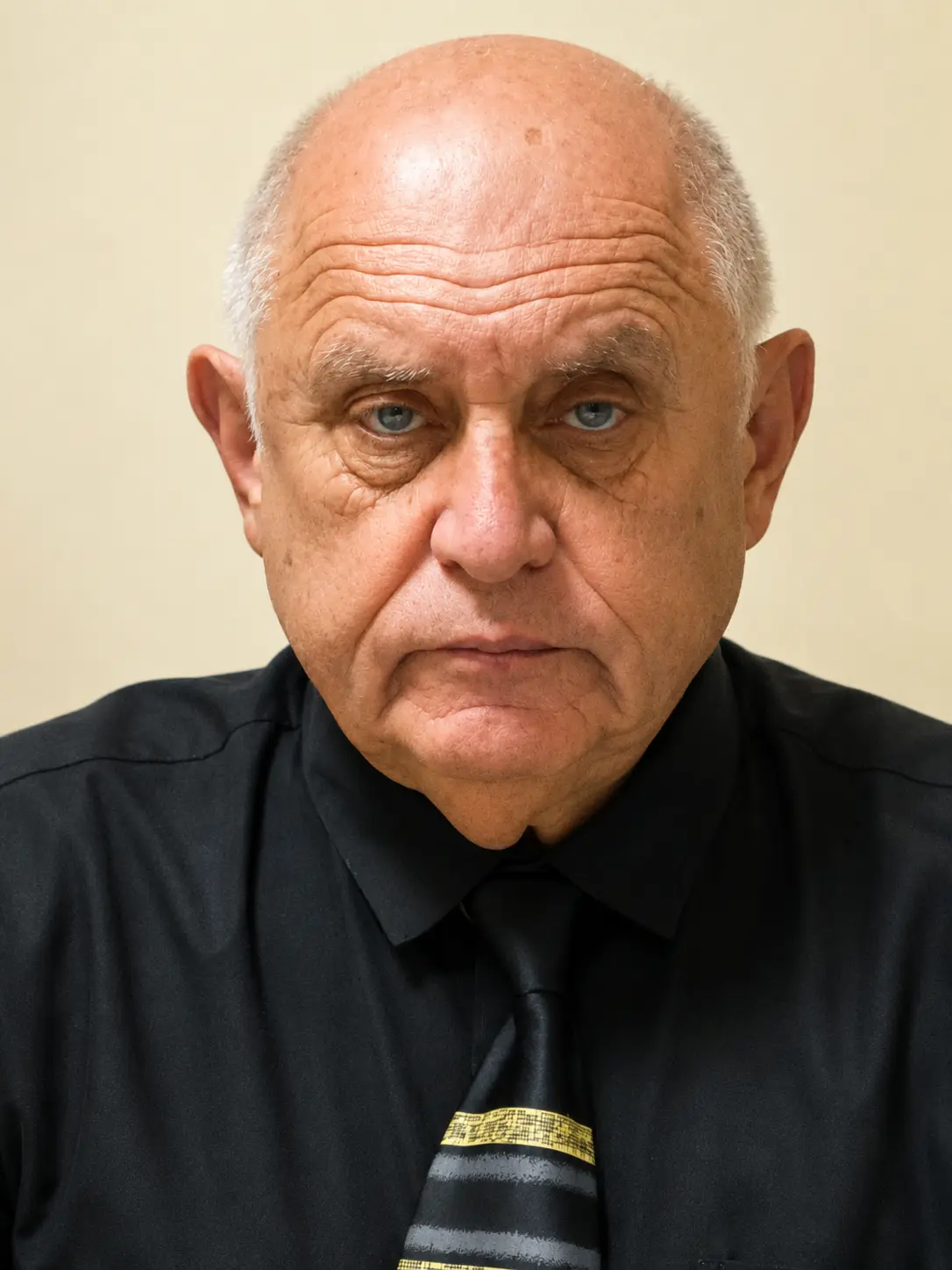
Psychiatrist, addiction physician, senior doctor with 40 years of experience
Dr. Golin evaluates the opioid pattern, last use, withdrawal, breathing, consciousness, pain, previous overdose, naloxone history, medications, alcohol, benzodiazepines and physical or psychiatric illness.
He and the MAAVAR CLINIC medical team are responsible for diagnosis, medical stabilization, medication decisions, psychiatric care, addiction medicine and the transition into rehabilitation.
The exact plan is individualized. Medication and level-of-care decisions belong to the physician and medical team, not to relatives or online instructions.
Current opioid exposure, withdrawal severity, overdose risk, mixed substances, pain, pregnancy, psychiatric state and medical history.
Monitoring, hydration, symptom management and medication decisions according to clinical indications.
Evaluation of suicidality, anxiety, depression, trauma, psychosis and the wider opioid-use pattern.
A direct handoff into rehabilitation so the first improvement does not become an unprotected return to the old environment.
Relatives can help most by reporting the real pattern and following one plan. They should not run a home detox or make medication decisions.
Substance, last use, breathing, consciousness, vomiting, diarrhea, pain, sleep, money, missing medication and mixed use.
Confiscation, isolation or improvised medication can increase risk and destroy cooperation.
Decide who speaks with the team, what information is shared and which boundaries the family can maintain.
Phone access, money, debts, dealers, pain prescriptions and old contacts need a practical plan before discharge.

The first calmer day can create false confidence. Recovery becomes more durable when medical stability is followed immediately by sleep, routine, honest reporting, motivation, responsibility, family boundaries and relapse prevention.
Medical stabilization is the opening stage. Rehabilitation protects the gains made during the acute period.
Measure success by whether the person survives several painful days.
Assess danger, stabilize safely and choose care according to the actual risk.
Assume the problem is solved when withdrawal eases.
Use stabilization to begin structured rehabilitation immediately.
Rely on shame, fear and a new promise not to use.
Build routine, responsibility, mentorship and relapse prevention.
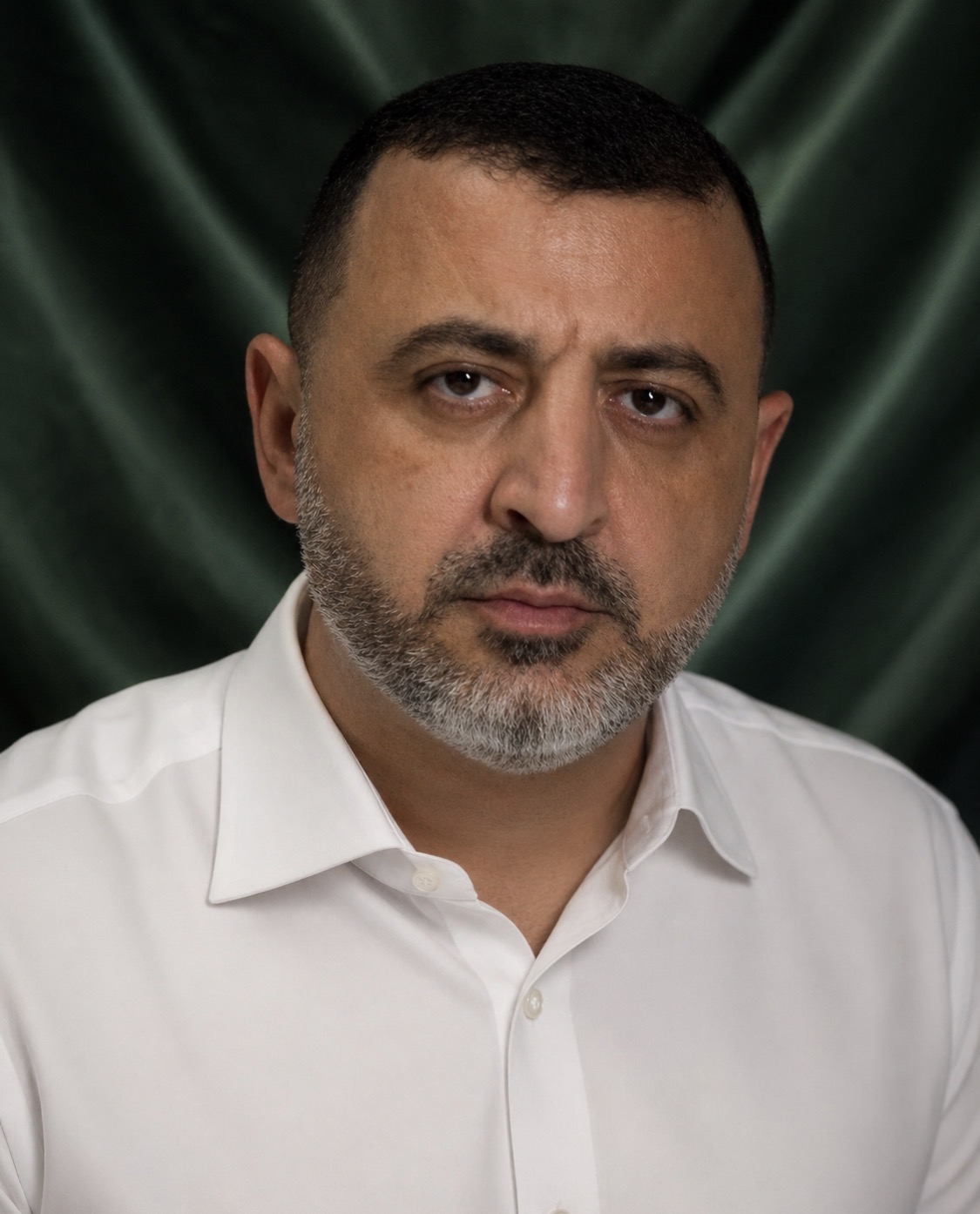
Recovery mentor for motivation, responsibility and an adapted 12-step framework
After stabilization, the person may feel relief and make sincere promises, yet still have no practical way to face craving, pain, shame, boredom, conflict or contact with the old environment. Ramiz helps turn intention into repeated recovery actions.
He is not a physician and does not diagnose, prescribe medication, perform detox or make clinical decisions. His role is mentorship and practical rehabilitation after the acute medical stage.
Opioid tolerance may fall during abstinence while craving, pain and access remain. An unprotected return to use can carry a high overdose risk.
An old dose may be more dangerous after a break.
Phone contacts, money, debts, prescriptions and familiar locations can reopen the route quickly.
Physical pain, insomnia, anxiety, shame and conflict need alternatives that are stronger than the old response.
Medical follow-up, routine, mentorship and family boundaries reduce the gap between detox and recovery.
“We stopped measuring success by one drug-free night.”“The medical team helped us understand the difference between withdrawal distress and overdose danger. Ramiz then helped move the focus from promises to routine, responsibility and concrete recovery work. Names and identifying details have been withheld.”
MAAVAR CLINIC provides medical assessment, diagnosis, stabilization, medication management, psychiatric care and addiction treatment within its licensed framework and according to clinical indications.
The license is displayed for transparency. It does not replace individual assessment and does not guarantee that one level of care is suitable for every patient.

This page provides general information and does not replace emergency care, diagnosis or an individualized treatment plan.
Opioid detox is the medically managed transition from ongoing opioid exposure through withdrawal and stabilization. The plan depends on the opioid, last use, tolerance, medical condition, other substances and current risk.
Slow or irregular breathing, blue lips, collapse, inability to wake, seizure, severe confusion, chest pain, suicidal behavior or suspected overdose require emergency medical care. In Israel, call Magen David Adom at 101.
Some people try to stop at home, but the family may miss overdose, dehydration, mixed-substance risk, psychiatric crisis or medical complications. Clinical assessment is especially important when the substance or dose is uncertain, fentanyl or unknown pills are involved, or previous attempts failed.
Yes. MAAVAR CLINIC is a licensed medical clinic in Kiryat Gat. Dr. Moshe Golin and the medical team perform assessment, diagnosis, stabilization, medication decisions, psychiatric care and addiction medicine according to clinical indications.
There is no universal duration. Timing depends on the opioid, formulation, dose, duration, last use, metabolism, other substances, medical condition and the treatment plan chosen by the medical team.
Detox reduces acute instability, but craving, pain, shame, access, money, old contacts and learned behavior may remain. Rehabilitation is needed to build routine, responsibility, coping and relapse prevention.
Tell the medical team exactly what was used. Alcohol, benzodiazepines, sleeping pills, pregabalin and other depressants can increase sedation, breathing suppression and overdose risk.
The rehabilitation stage restores sleep and daily rhythm, maps triggers and access, works with motivation and responsibility, rebuilds family boundaries and prepares continuing medical care and relapse prevention.
Ramiz supports motivation, mentorship, practical recovery learning, an adapted 12-step framework, responsibility and continuation after stabilization. He is not a physician and does not diagnose, prescribe medication, perform detox or make clinical decisions.
Write on WhatsApp, call +972 54-757-8876, or email dhvny8@gmail.com. Include the suspected opioid, last use, breathing, consciousness, withdrawal, previous overdose, medications and other substances. In an emergency, call 101 first.
Write briefly: suspected opioid, last use, breathing, consciousness, withdrawal, previous overdose, pain, medications and any alcohol, benzodiazepines, sleeping pills or other substances.
At MAAVAR CLINIC, medical assessment and stabilization are connected directly to motivation, routine, responsibility, family boundaries and relapse prevention.
Quick reading settings for this page.