Minutes: protect life
Call 101, report breathing and consciousness, give the exact location and follow the dispatcher rather than testing home remedies.
Drug overdose in Israel: call 101, follow the dispatcher, use naloxone when opioid overdose is suspected and prepare protected recovery after stabilization.
A family can lose critical time asking what was taken, how much, whether the person is merely asleep or what will happen if an ambulance is called. When breathing or consciousness is unsafe, the order is simpler: call 101, describe the condition, stay on the line and follow the dispatcher.
Once emergency professionals have taken over and the acute condition is stable, Dr. Moshe Golin and the MAAVAR CLINIC medical team can assess the addiction, psychiatric and medication picture. The next destination is prepared before discharge: a private residential villa program for routine, accountability, family boundaries, relapse prevention and reduction of repeat-overdose risk.
A suspected overdose is not an intake conversation. The first phase belongs to Magen David Adom and emergency medicine. MAAVAR CLINIC becomes relevant only after emergency professionals have taken over or the person has been stabilized.
Call 101, report breathing and consciousness, give the exact location and follow the dispatcher rather than testing home remedies.
Emergency and hospital teams assess immediate toxicity, breathing, circulation, injuries and complications and determine the acute treatment.
After stabilization, licensed addiction review and a direct residential handoff address access, reduced tolerance, mixed use and the route back to substances.
This page answers the first-minutes overdose decision. The drug addiction page explains the wider loss-of-control pattern, while drug detox in Israel focuses on withdrawal, stabilization and the transition that follows.
If the person cannot be woken, is not breathing normally or is rapidly deteriorating, do not postpone the emergency call while searching messages, packaging or explanations.
Slow, shallow, irregular or stopped breathing, long pauses, unusual snoring or gurgling and blue or grey lips require immediate emergency action.
The person does not answer, cannot be woken, repeatedly loses consciousness, becomes limp or is too confused to remain safe.
A seizure, collapse, severe agitation, chest pain, overheating, injury, repeated vomiting or rapid deterioration needs urgent professional assessment.
Unknown pills or powders, injections, opioids, alcohol, sedatives, pregabalin, stimulants or several substances make home interpretation unreliable.
The dispatcher can adapt instructions to the person’s condition. The family’s task is to make the call early, provide usable facts and continue observing until professional help takes over.
Naloxone can reverse opioid effects and restore breathing. It is relevant when heroin, fentanyl, methadone, oxycodone, tramadol, morphine or an unknown opioid-containing substance may be involved.
If naloxone is available and opioid overdose is suspected, use it according to the product instructions and the 101 dispatcher’s guidance.
Do not postpone 101 to see whether naloxone works. Emergency professionals are still needed to assess breathing, recurrence and mixed-substance effects.
Naloxone may wear off before the opioid effect does. The person can become unresponsive again and may need further naloxone and medical care.
Remain with the person, watch breathing and follow the dispatcher even if the person wakes, speaks or wants to leave before responders arrive.
A product name or the person’s report may be incomplete. Emergency clinicians need the entire possible mixture, while the family should avoid guessing that one stimulant or one waking moment has removed the danger.
Alcohol, benzodiazepines, sleeping medicines and other depressants can increase sedation and breathing risk when combined with opioids.
A person may appear active or agitated while still facing serious cardiac, neurological or mixed-substance danger.
Contents may differ from the expected name or dose. Preserve packaging or photographs when this can be done safely and give them to responders.
Waking after naloxone suggests opioid effect may have been present, but it does not rule out alcohol, sedatives, stimulants, injuries or other complications.
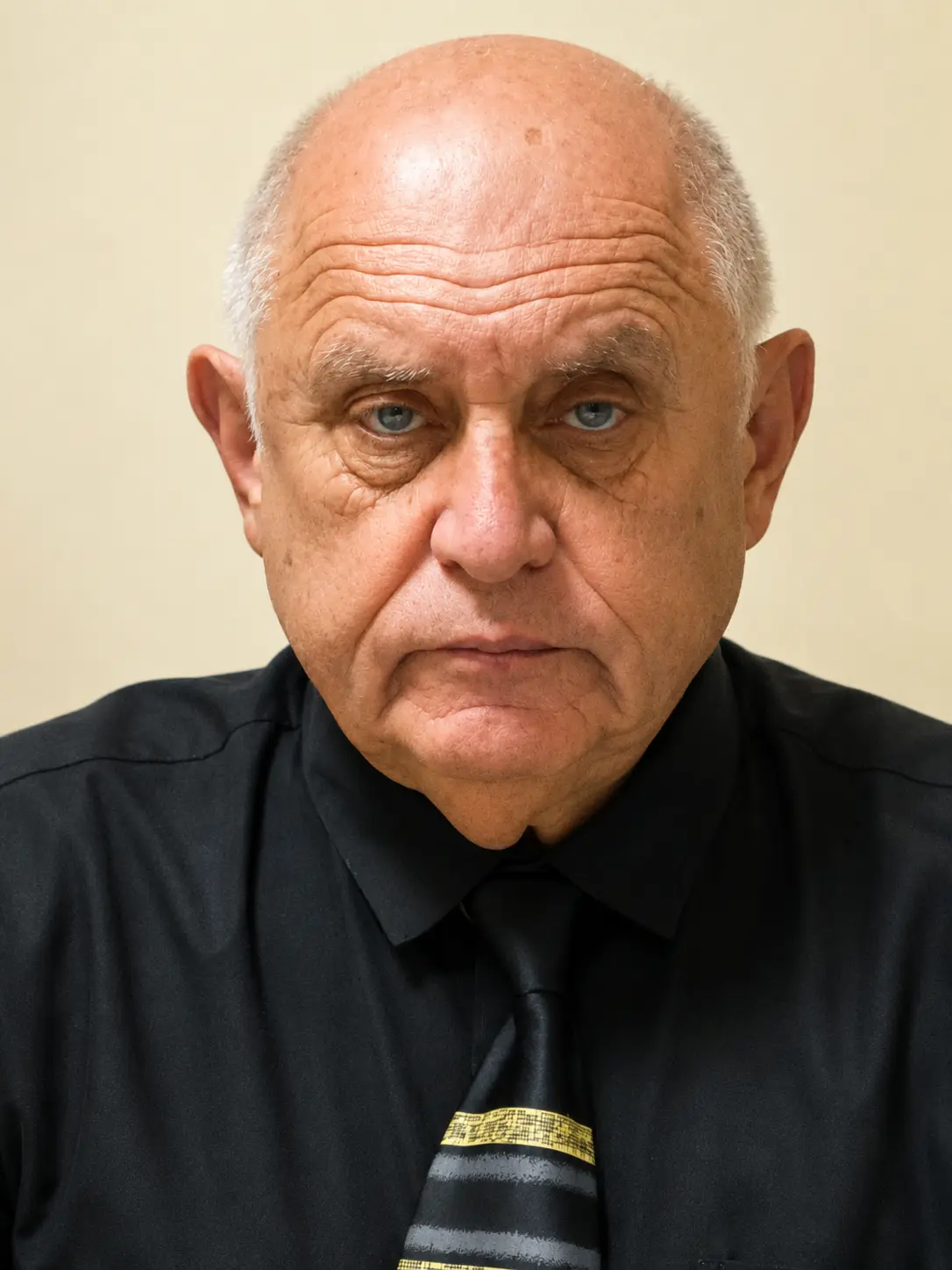
Psychiatrist, addiction physician, senior doctor with 40 years of experience
After emergency stabilization, Dr. Golin reconstructs the event as a clinical sequence: substances and medicines, timing, loss of consciousness, breathing change, naloxone response, hospital findings, previous overdoses, tolerance change, psychiatric state and the circumstances that led to use.
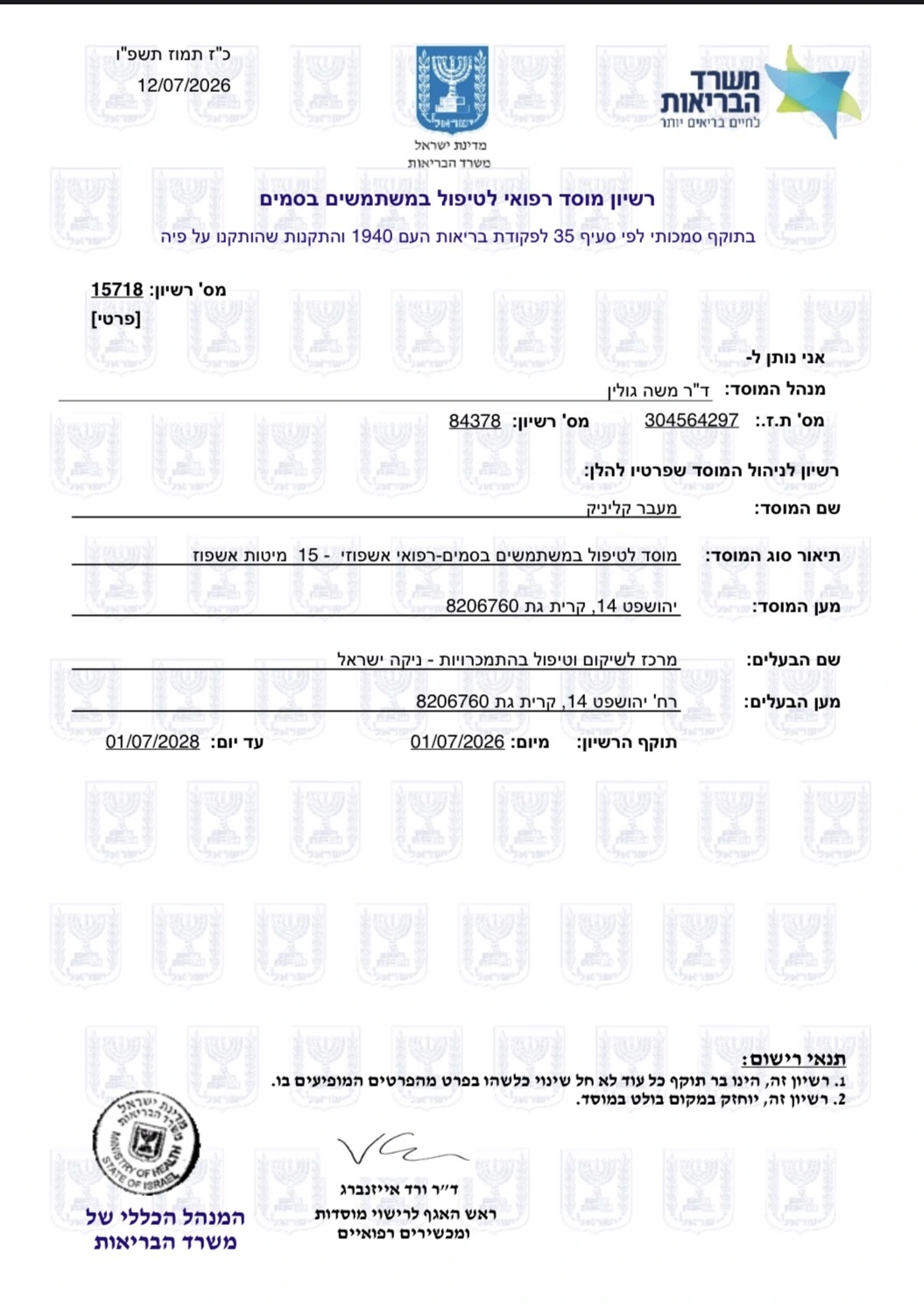
He and the MAAVAR CLINIC medical team are responsible for addiction and psychiatric assessment, diagnosis, medication review, detox or further stabilization when indicated, clinical follow-up and the decision about readiness for the residential stage. View the clinic license.
Emergency stabilization answers the immediate threat. The licensed addiction and psychiatric stage determines what remains active before the person returns to ordinary access or enters the residential villa.
Hospital instructions, tests, injuries, administered medication, naloxone timing and unresolved symptoms must travel with the person into the next assessment.
The team evaluates whether opioid, sedative, stimulant or mixed use creates a need for detox, medication or continued monitoring.
Suicidal thinking, impulsivity, shame, agitation, confusion, denial and the ability to participate safely influence the next setting.
The medical team decides what must remain clinically monitored and when the person can move into the structured residential day.
Discharge can create a dangerous gap: the person feels better, tolerance may have changed, old contacts remain one tap away and the family wants relief more than another difficult decision. The transfer is prepared before that gap opens.
The program does not repeat emergency medicine. It works on the decisions and conditions that made the event possible and could produce another one after the immediate fear fades.
The villa begins only after emergency and clinical stability make residential participation appropriate. New unresponsiveness, abnormal breathing, seizure, collapse or another immediate medical danger requires 101—not a routine program conversation.
Do not turn the emergency into an interrogation. Give responders and the later clinical team observations, times, products and records that can change decisions.
Unresponsiveness and abnormal breathing are not a safe sleep test. Call 101 and let the dispatcher assess the situation.
The exact pill, dose or dealer message can be clarified later. Breathing and consciousness determine the first action.
Food, drink, a shower, forced walking or another substance can waste time, increase choking or injury risk and does not replace emergency care.
Leaving hospital without clinical review, access control or a prepared residential destination can return the person to the same risk with less family vigilance.

Emergency medicine protects the immediate threshold. The next protected days must convert the event into a clinical record, a direct transfer, a daily recovery structure and a response plan that remains usable after the fear subsides.
Is the person breathing, responsive and physically stable enough to wait for responders?
Which access, tolerance, mixing and decision pattern could produce another overdose?
What did the dispatcher and medical team need to do to restore immediate safety?
What daily structure and accountability must be practiced when the crisis is no longer visible?
What symptoms, instructions and clinical follow-up remain after the acute event?
Can the person and family use a clear relapse, overdose and emergency response plan?
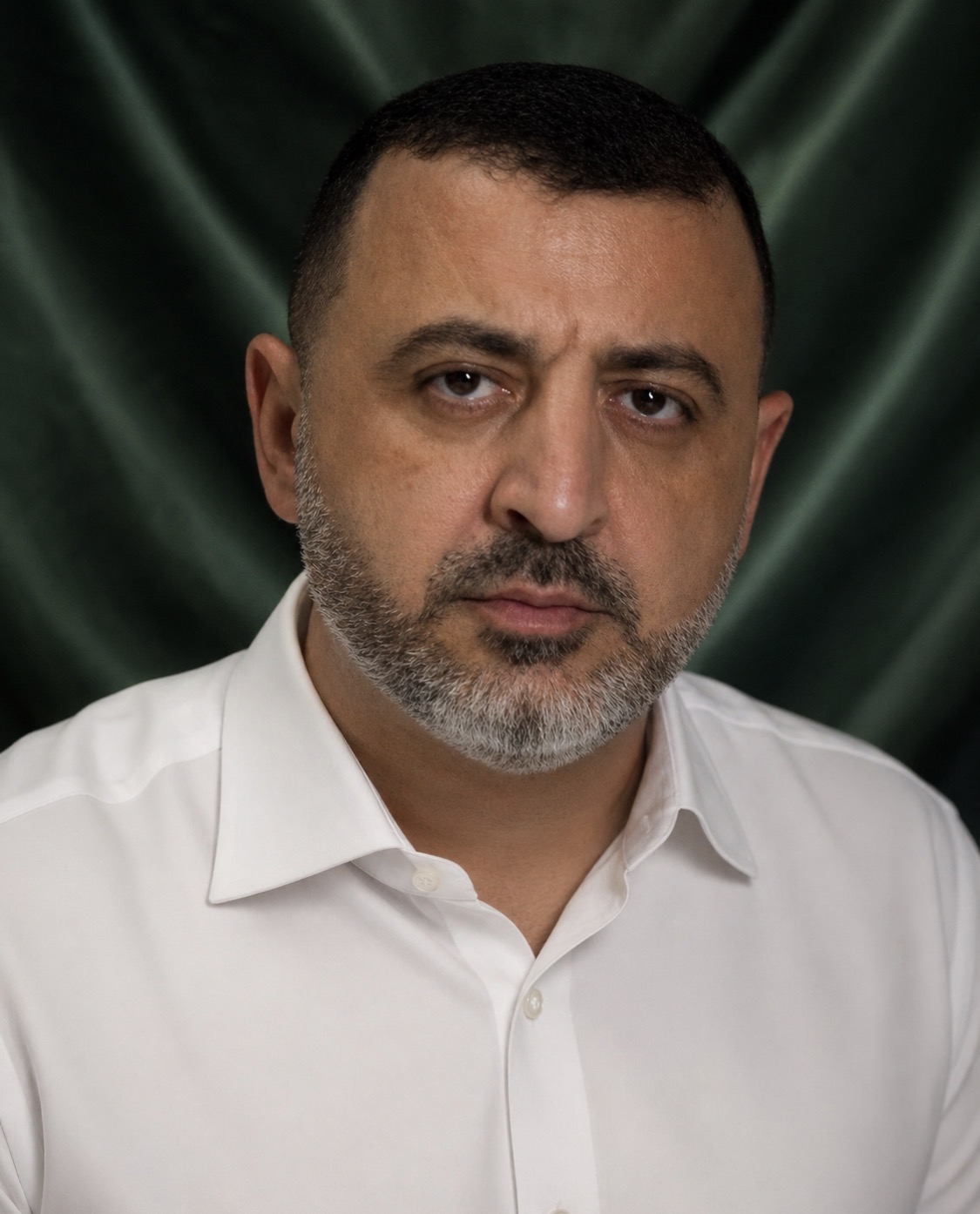
Recovery mentor for motivation, Twelve-Step work, accountability and relapse prevention
After an overdose, fear can produce a short promise without changing the next ordinary day. Ramiz helps the person examine the sequence before the event, show up for the villa routine and translate “this cannot happen again” into completed actions, honest reporting and responsibility.
He supports motivation, Twelve-Step work, accountability and relapse prevention after the medical stage. He is not a physician and does not diagnose, prescribe medication, perform detox or make clinical decisions.
These sources support the 101 emergency boundary, recognition of opioid overdose, the temporary role of naloxone and the importance of structured rehabilitation after the acute stage. They do not replace the dispatcher or individual clinical care.
Call Magen David Adom at 101 immediately if the person is unresponsive, breathing slowly or irregularly, turning blue or grey, having a seizure, collapsing or otherwise medically unstable. Give the exact location, describe breathing and consciousness, stay on the line and follow the dispatcher’s instructions.
The World Health Organization identifies the combination of pinpoint pupils, unconsciousness and breathing difficulty as typical of opioid overdose. Other urgent signs can include failure to wake, shallow or irregular breathing, limpness and blue lips or fingertips. When in doubt, call 101.
Naloxone temporarily reverses the effects of opioids and can restore breathing during a suspected opioid overdose. It is relevant to opioids such as heroin, fentanyl, methadone, oxycodone, tramadol and morphine. Use the available product according to its instructions and the emergency dispatcher’s guidance.
Yes. Naloxone is temporary, more than one dose may be needed and the person can become unresponsive again. Call 101, stay with the person, watch breathing and follow the dispatcher until emergency professionals take over, even if the person wakes up.
Do not delay the emergency call while trying to identify every substance. Tell the dispatcher and medical team what is known, what packaging or medicines were found, the last time the person was responsive and whether alcohol, sedatives, opioids, stimulants or unknown pills may be involved.
Give the exact address, the person’s age if known, current breathing and consciousness, color changes, seizure or injury, what may have been used, when they were last seen well, medicines and medical conditions, and whether naloxone was given, at what time and with what response.
No. A suspected overdose with breathing, consciousness or other immediate danger requires Magen David Adom at 101 and emergency medical care. MAAVAR CLINIC becomes involved after emergency professionals have taken over or after stabilization, with licensed addiction and psychiatric assessment and the next recovery route.
Waking up does not establish why the overdose happened or remove access, reduced tolerance, mixed use, impulsive decisions, old contacts or family confusion. A clinical review and a protected continuation plan are needed before the event is treated as finished.
Ramiz supports motivation, Twelve-Step work, accountability and relapse prevention inside the residential villa program. He helps turn the overdose history into daily commitments and an early-action plan. He is not a physician and does not diagnose, prescribe medication, perform detox or make clinical decisions.
Write on WhatsApp, call +972 54 757 8876, or email dhvny8@gmail.com after emergency professionals have taken over or the person is stable. Include the suspected substances, breathing and consciousness history, naloxone use, hospital care, previous overdoses and the current discharge or transfer plan.
For unresponsiveness, abnormal breathing, blue or grey lips, seizure, collapse or other immediate medical danger, give Magen David Adom the exact location, stay on the line and follow the dispatcher. If opioid overdose is suspected and naloxone is available, use it according to its instructions and the dispatcher’s guidance.
After emergency stabilization, Dr. Moshe Golin and the MAAVAR CLINIC medical team can review the clinical event and prepare a direct transition into the private residential villa program.
Quick reading settings for this page.