Prescribed dependence
The body adapts to regular exposure, and withdrawal may appear when the dose is delayed, reduced or stopped.
Tramadol addiction treatment in Israel: medical assessment, withdrawal and interaction risk, stabilization and residential rehabilitation.
Tramadol often enters the home with a prescription, an injury or chronic pain. That medical beginning can hide a changing pattern: doses move earlier, tablets run out, supplies appear in several places, mood follows the medication, and the person becomes frightened or angry when stopping is discussed.
At MAAVAR CLINIC in Kiryat Gat, Dr. Moshe Golin and the medical team distinguish prescribed physical dependence, problematic use, addiction, withdrawal, pain-related needs and urgent risk. When indicated, the medical stage is followed directly by residential rehabilitation focused on sleep, routine, honest medication use, responsibility, family boundaries and relapse prevention.
A person can become physically dependent while taking tramadol as prescribed. Addiction adds loss of control, compulsive use and continued use despite harm. The distinction requires assessment, not a family label.
The body adapts to regular exposure, and withdrawal may appear when the dose is delayed, reduced or stopped.
Early refills, dose changes without agreement, several sources, risky mixing or use for mood and sleep require closer review.
Control narrows: obtaining and taking tramadol continues despite medical, emotional, financial or family consequences.
No single sign proves addiction. The pattern becomes meaningful when supply, timing, secrecy, function and risk begin moving together.
The next tablet is taken before planned, extra doses appear, or the person reports that the medication no longer lasts.
Strips or bottles are hidden, tablets come from several sources, or prescriptions repeatedly run out ahead of time.
Irritability, anxiety, sweating, aches or restlessness rise before use; relief or sleepiness follows afterward.
Any question about missing tablets, driving, money, work or mixing is redirected into an argument about whether the pain is believed.
Insomnia, anxiety, gastrointestinal symptoms, aches or intense distress lead back to use or to substitute medicines.
Work, family, sleep and plans become secondary to maintaining supply and avoiding the next withdrawal wave.
Tramadol is an opioid pain medicine, but its risk profile also includes seizures and serotonin-related interactions. The medical team needs the complete medication and substance history.
Serious respiratory depression can occur, particularly after dose increases, overdose or combination with other depressants.
Seizures can occur with tramadol. Dose, individual history, overdose and interacting medicines can change the risk.
Some antidepressants and other serotonergic medicines can increase risk. Agitation, fever, marked rigidity or rapid deterioration needs urgent assessment.
Alcohol, benzodiazepines, sleeping pills, pregabalin and other depressants can add sedation, impaired judgment and breathing danger.
Bring packaging, prescriptions and a complete list whenever possible. Uncertainty should be reported as uncertainty rather than filled with guesses.
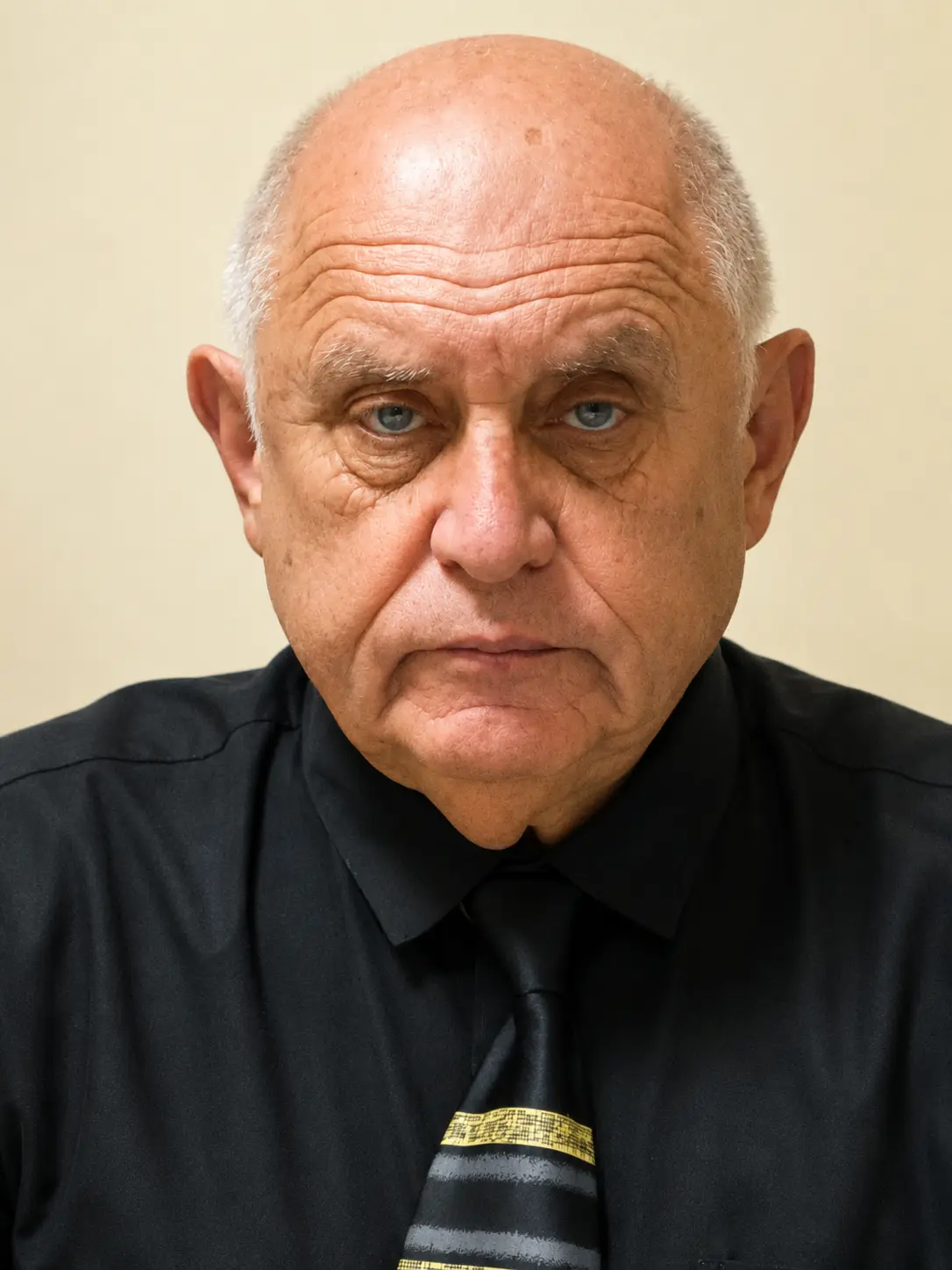
Psychiatrist, addiction physician, senior doctor with 40 years of experience
Dr. Golin evaluates the tramadol product, dose pattern, withdrawal, pain history, sleep, cognition, mood, overdose or seizure history, prescribed medicines and all other substances.
He and the MAAVAR CLINIC medical team are responsible for diagnosis, detox or stabilization decisions, medication and interaction review, psychiatric care, addiction medicine and readiness for the residential rehabilitation stage.
There is no safe universal schedule that can be copied from a website. The route depends on current symptoms, exposure, other substances, health, pain and psychiatric condition.
Overdose, impaired breathing, seizure, delirium or severe instability may require emergency or acute medical care before planned rehabilitation.
Regular use, last dose, previous reductions and current symptoms help the physician judge dependence and withdrawal risk.
Dose changes, discontinuation, replacement, interaction management and symptom treatment belong to the physician and medical team.
Continuing pain, depression, anxiety, insomnia and other conditions must be assessed so they do not disappear behind the addiction label.
Medical stabilization opens a window. The villa program uses it to change the routines, beliefs, access and relationships that kept the tramadol cycle active.
Relatives can reduce secrecy and help one clinical plan work. They should not invent dose changes, supply substitute tablets or turn every hour into an interrogation.
Keep dates, packaging, dose timing, missing tablets, symptoms, other substances and previous stopping attempts.
A sudden confrontation can produce withdrawal, replacement-seeking, concealment or unsafe escalation.
Store medication safely and follow clinical advice about access; accidental ingestion can be fatal.
Agree who communicates with the medical team, which boundaries are firm and what immediate danger triggers emergency help.

Recovery does not require pretending that pain never existed. It requires a medically responsible plan in which pain, withdrawal, mental health, sleep, medication safety and addiction are addressed without secrecy or dose-by-dose family crisis.
“It is only pain” or “it is only addiction.”
Assess pain, dependence, addiction, mental health and medical risk together.
Hide, count, confiscate, argue and repeat.
The medical team makes clinical decisions; the family follows safety boundaries.
Return to the same pills, access, sleep and contacts after stabilization.
Move directly into routine, therapy, responsibility and relapse prevention.
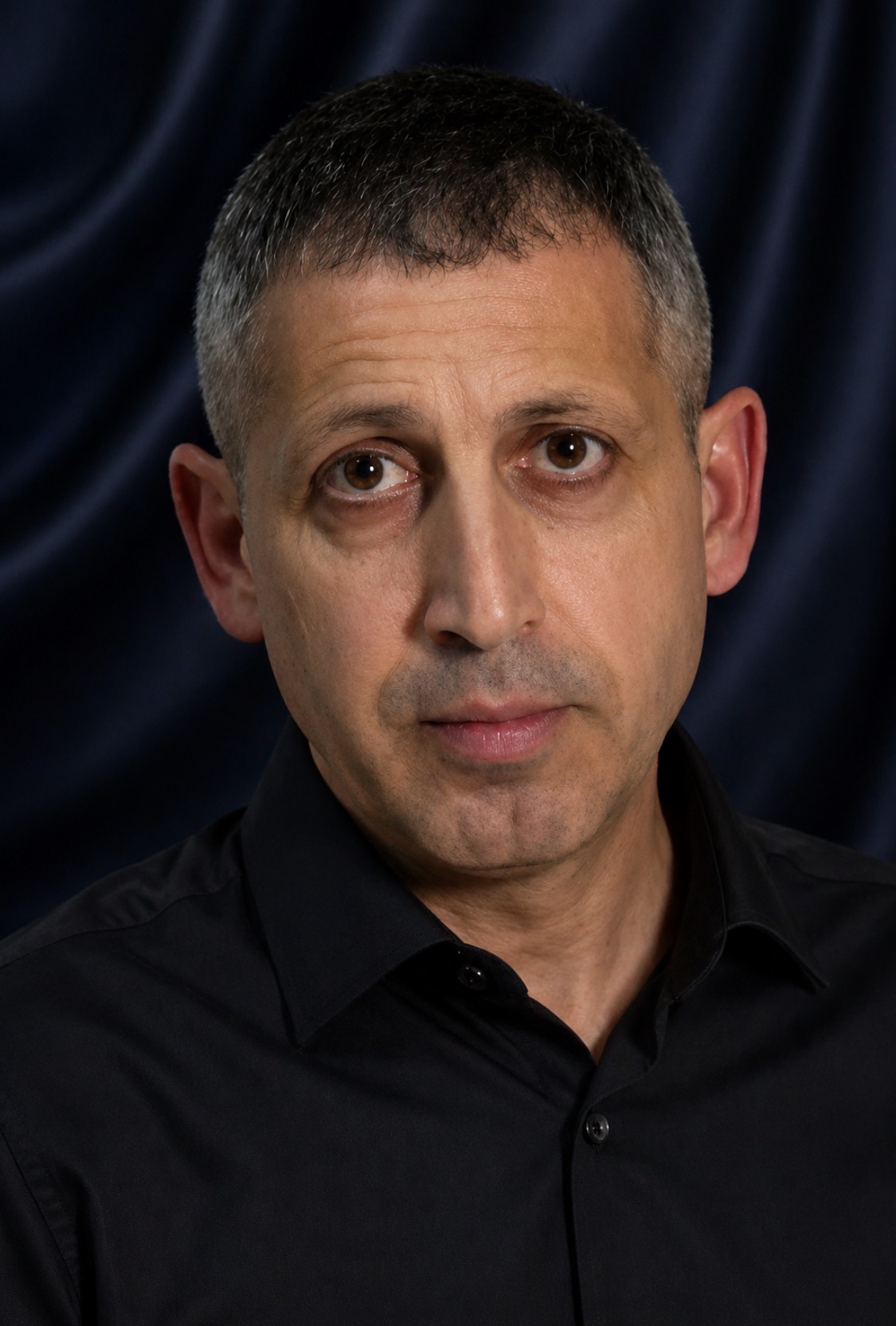
Recovery mentor for sleep, routine, structure and responsibility
After stabilization, the person may still organize the day around discomfort, reassurance, medication thoughts or the belief that action must wait until they feel better. Mikhail helps turn the first villa days into a repeatable structure.
He is not a physician and does not diagnose, prescribe medication, conduct detox, manage pain medicine or make clinical decisions. His role begins inside the rehabilitation structure after the acute medical stage.
These official sources support the general risk information on this page. They do not replace emergency instructions, an individual assessment or a personalized treatment plan.
Tramadol addiction is a pattern in which use becomes difficult to control and continues despite harm. It may include dose escalation, early refills, hidden supplies, withdrawal, craving, risky mixing and a day increasingly organized around obtaining or taking the medication.
Yes. Physical dependence can develop during prescribed use, and it is not identical to addiction. A clinician must assess the pain condition, dose pattern, loss of control, withdrawal, harm and other medicines before deciding what the pattern means.
Report the exact product, dose, timing, duration, early refills, hidden tablets, use from several sources, sleepiness, agitation, seizures, breathing changes, withdrawal symptoms, alcohol, benzodiazepines, pregabalin, antidepressants and previous attempts to stop.
Call Magen David Adom at 101 for slow or difficult breathing, blue or grey lips, inability to wake, collapse, a seizure, severe confusion, dangerous behavior, suspected overdose or agitation with fever and marked muscle rigidity.
Do not make abrupt dose changes or run a home detox without medical direction. Regular use can produce physical dependence and withdrawal, while seizures, other medicines, mental health, pain and mixed substances can change the safest medical route.
Alcohol, benzodiazepines, sleeping pills, pregabalin and other central nervous system depressants can add sedation and breathing risk. The medical team needs the full pattern, including prescribed, borrowed and non-prescribed substances.
Yes. MAAVAR CLINIC is a licensed addiction treatment clinic in Kiryat Gat. Dr. Moshe Golin and the medical team provide assessment, diagnosis, detox or stabilization when indicated, medication decisions, psychiatric care and addiction medicine.
Residential rehabilitation focuses on sleep, routine, pain-related beliefs, emotional regulation, honest medication use, responsibility, family boundaries and a plan for continuing care and relapse prevention.
Mikhail supports sleep rhythm, daily structure, practical learning and responsibility after the acute medical stage. He is not a physician and does not diagnose, prescribe medication, conduct detox or make clinical decisions.
Write on WhatsApp, call +972 54 757 8876, or email dhvny8@gmail.com. Include the known dose, last use, current symptoms and other substances. Immediate danger takes priority; in Israel, call 101.
Write briefly: exact tramadol product, prescribed and actual dose, timing, duration, last use, early refills, current consciousness and breathing, seizure history, withdrawal, pain condition and every other medication or substance.
At MAAVAR CLINIC, the medical stage is connected directly to residential work on sleep, routine, honesty, responsibility, family boundaries and relapse prevention.
Quick reading settings for this page.