Return after stabilization
The person completes detox or stops briefly, then reconnects with the same contact, route or source as soon as discomfort returns.
Residential heroin addiction treatment in Israel at MAAVAR CLINIC: private villa rehabilitation, daily structure, craving response, family boundaries and relapse prevention.
A few days without heroin can reduce an immediate crisis without changing the life organized around the substance. The phone still contains old contacts, debt still creates pressure, sleep remains unstable, the family is exhausted, and the person has not yet learned what to do when pain, shame, boredom or craving returns.
At the MAAVAR CLINIC villa in Kiryat Gat, the central work is rehabilitation: a structured day, individual and group work, practical responsibilities, adapted 12-step principles, family communication, recovery of sleep and routine, and repeated practice of choosing a response other than leaving to use.
Residential care becomes relevant when short periods of abstinence, promises, outpatient conversations or family supervision have not created enough distance from the heroin system.
The person completes detox or stops briefly, then reconnects with the same contact, route or source as soon as discomfort returns.
Phone numbers, meeting places, debts, transportation and daily timing all lead back to heroin.
Relatives repeatedly provide money, collect the person, cover consequences and try to monitor every movement.
Sleep, meals, hygiene, appointments, work and relationships no longer hold the day together.
The person understands the consequences but cannot remain with the urge long enough to choose a different action.
Real behavior becomes clearer inside a structured environment than in occasional conversations followed by immediate return home.
Stabilization can make recovery possible. It does not automatically rebuild judgment, sleep, relationships or the ability to tolerate distress without heroin.
Old contacts, debts, access, shame and the belief that heroin is the fastest solution may remain unchanged.
Returning to use after a period of abstinence can be dangerous. This is one reason the transition out of the acute stage needs an organized plan.
A person must practise what to do in the first minutes of an urge, not only promise what they will never do again.
Relatives cannot remain the bank, ambulance, detective and treatment team at the same time.
The villa is a therapeutic environment, not accommodation away from home. It makes daily behavior visible and creates a protected period in which new responses can be repeated.
The resident is not moving through the same streets, contacts, debts and routines that previously ended in heroin use.
Contact and financial access are adjusted to the stage of recovery rather than left available for impulsive reconnection.
Wake-up, meals, groups, tasks, movement and sleep replace waiting, searching, using and recovering.
Avoidance, manipulation, withdrawal, anger and bargaining become material for rehabilitation while they are happening.
Living with others requires respect, participation, honest communication and repair after conflict.
The goal is not dependence on the villa. It is the ability to carry structure and support into life after discharge.
The exact schedule is individualized, but the rehabilitation logic remains consistent: the day is structured enough to expose patterns and flexible enough to work with the person rather than merely control them.
Craving is not treated as proof that treatment failed. It is treated as a predictable event that must be noticed early and answered with a sequence the person has practised.
Pain, shame, conflict, loneliness, debt, a memory, a phone call or physical discomfort can activate the old route.
The urge becomes less dangerous when it is disclosed before the person has already begun arranging access.
Movement, breathing, food, rest, conversation and a change of setting can create enough time for the urge to pass without action.
The resident learns whom to contact, what access to block, where to go and what to say when the old decision starts forming.
Heroin addiction can make every obligation conditional on mood, withdrawal or access. Residential rehabilitation reverses that logic through small commitments that are repeated and reviewed.
“I will never use again.”
Attend the group, report the urge and complete the agreed task today.
A relative solves every immediate consequence.
The resident participates in repair and accepts realistic consequences.
The person acts first and explains later.
Risk is discussed before access, money or contact is restored.
The resident cannot return to a family system that has learned only panic, rescue and surveillance. Relatives also need a plan.
The family agrees who speaks with the team and how conflicting messages or secret arrangements are prevented.
Cash, debts, transfers and essential expenses are separated from impulsive rescue or financing of the old cycle.
Family conversations focus on the treatment plan and observed behavior rather than extracting another confession.
Housing, phone access, appointments, support, work and the response to disappearance or renewed use are discussed before discharge.
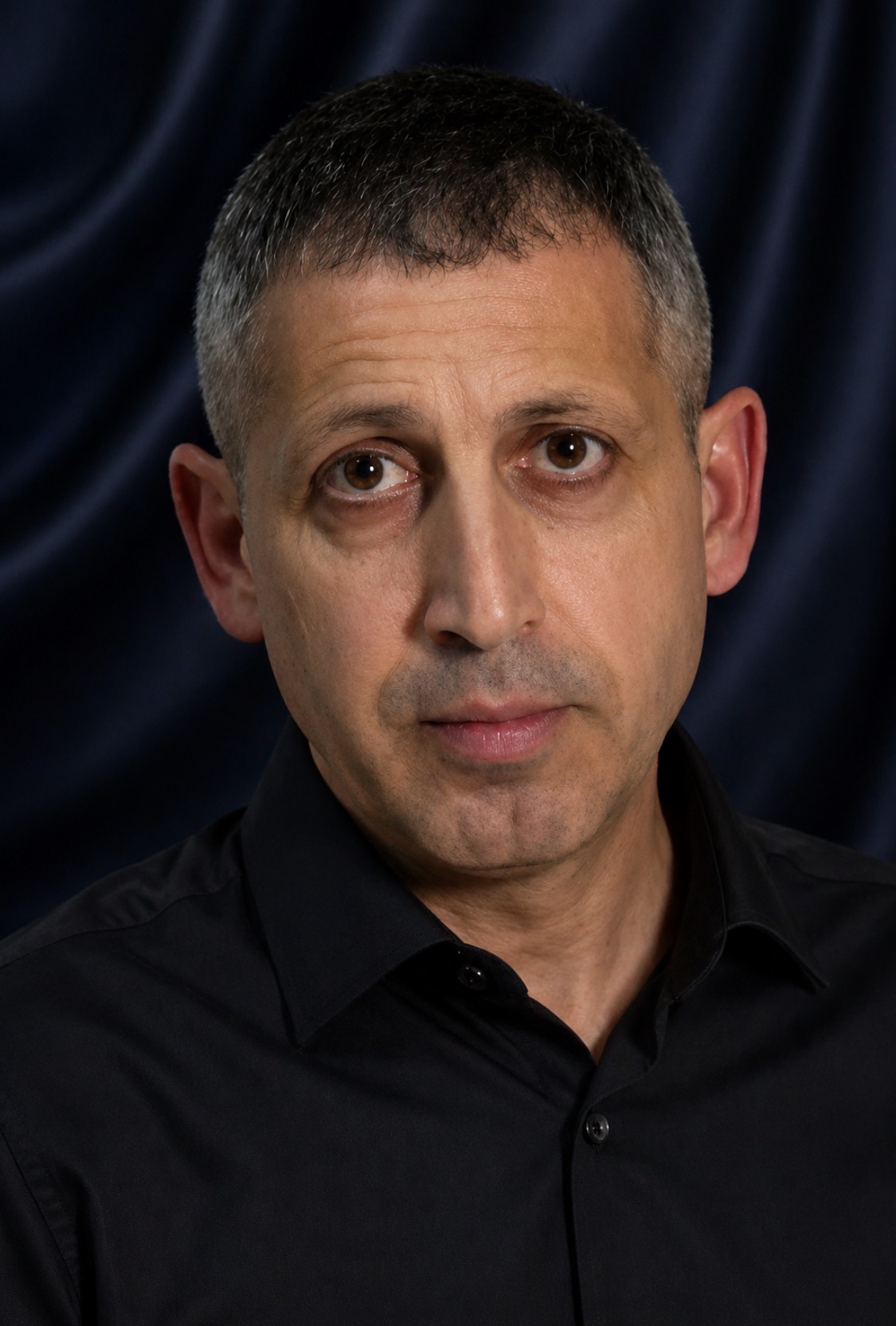
Residential recovery specialist for routine, sleep, discipline and practical responsibility
Mikhail works with the part of recovery that becomes visible between formal sessions: getting up, following the schedule, participating when motivation is low, completing responsibilities, repairing conflict and learning to ask for support before leaving the structure.
He is not a physician and does not diagnose, prescribe medication, perform detox or make clinical decisions. His role is practical rehabilitation and preparation for a stable daily life after the villa.
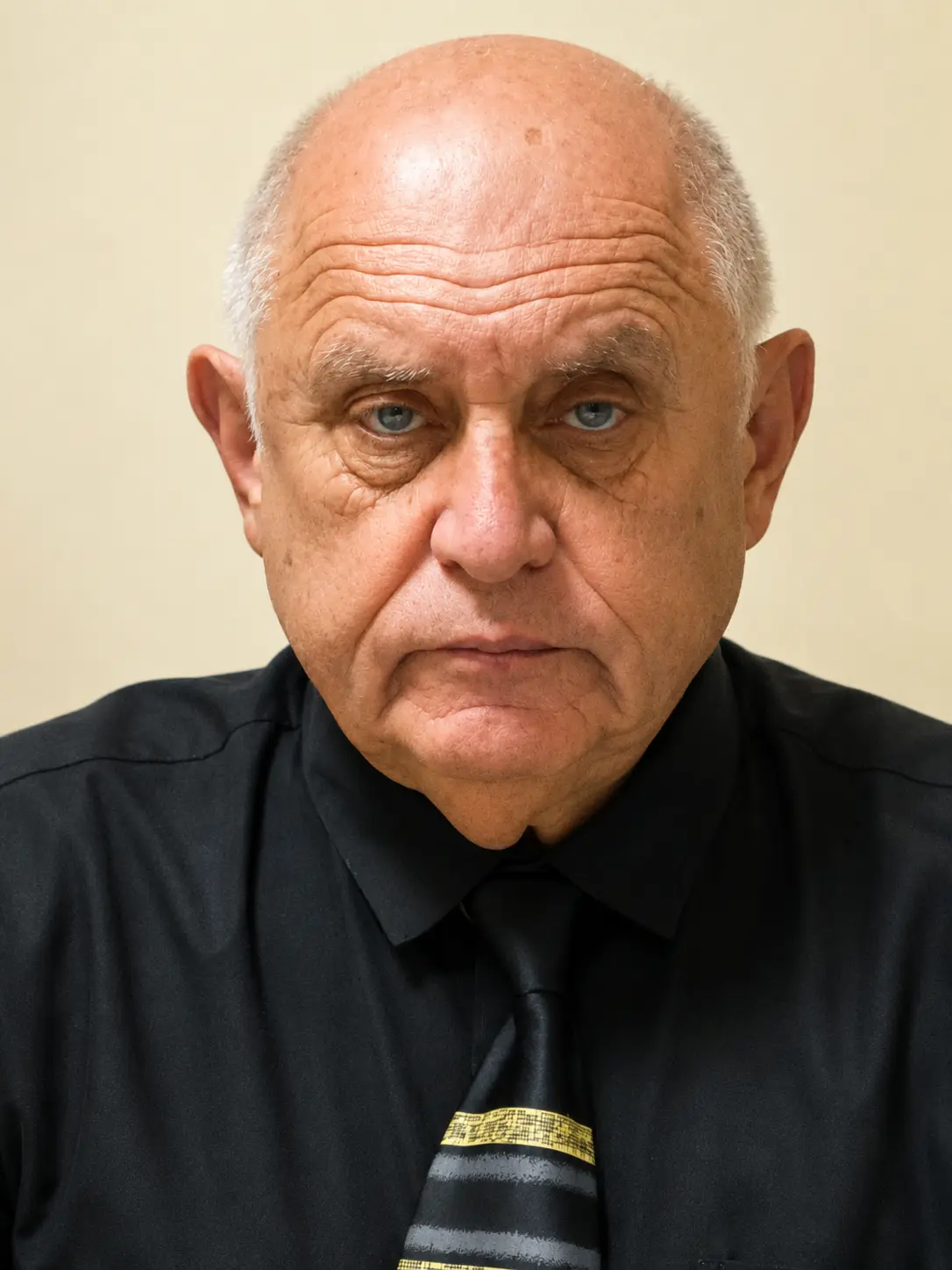
Psychiatrist, addiction physician, senior doctor with 40 years of experience
Dr. Golin and the MAAVAR CLINIC medical team assess clinical safety, withdrawal and overdose history, mixed use, psychiatric symptoms, sleep, medication history and the level of care required before and during rehabilitation.
Medical assessment, diagnosis, detox or stabilization, medication and clinical decisions remain their responsibility. Once the resident is stable, the main work described on this page is carried by the residential rehabilitation program.

Discharge planning begins before discharge. The resident needs a realistic week, not only an inspiring intention: where to live, when to wake, how to reach support, who controls money temporarily, which contacts are blocked, how work resumes and what happens in the first hour of a strong urge.
Medical assessment, detox or stabilization and clinical safety when indicated.
Dr. Moshe Golin and the MAAVAR CLINIC medical team.
Daily structure, groups, individual work, adapted 12-step principles, family boundaries and practical responsibility.
The MAAVAR CLINIC villa and rehabilitation team.
Home routine, follow-up, support, money and phone safeguards, work and early response to craving.
The resident, family and relevant professional support.
These sources provide general clinical and rehabilitation context. They do not replace an individual assessment or emergency care.
The heroin addiction page explains recognition, hidden use, overdose risk and family warning signs. This page focuses on what happens after the decision to seek help: stabilization when indicated, entry into the residential villa, daily rehabilitation, family boundaries and planning for life after the program.
No. Detox and stabilization address the immediate physical and clinical stage when indicated. Rehabilitation is the longer process of changing daily behavior, responses to craving, relationships, responsibility, thinking patterns and the environment that previously supported heroin use.
The resident follows a structured day with wake-up and sleep times, meals, individual conversations, group work, practical responsibilities, movement, adapted 12-step work, reflection, family communication and relapse-prevention planning. The exact plan is individualized.
The old environment may contain dealers, using contacts, debts, familiar routes, uncontrolled phone access and family rescue patterns. A protected residential setting creates enough distance to observe these triggers and practise different responses before returning home.
Craving is treated as a signal that requires a response plan rather than secrecy or immediate access to the substance. The resident learns to identify triggers, report the urge, delay action, seek support, regulate the body and follow a rehearsed sequence instead of leaving the program or contacting the old network.
Access is managed according to safety, treatment stage and the individual plan. Early limits may be strict because phones, cash, cards and online transfers can reconnect the person with dealers, debts and impulsive decisions. Access is restored gradually when it can be used transparently and responsibly.
Mikhail supports daily routine, sleep restoration, practical discipline, responsibility and the transfer of recovery skills into ordinary life. He is not a physician and does not diagnose, prescribe medication, perform detox or make clinical decisions.
Dr. Moshe Golin and the MAAVAR CLINIC medical team are responsible for psychiatric and addiction assessment, diagnosis, detox or stabilization when clinically indicated, medication decisions, risk assessment and medical safety. The central subject of this page remains residential rehabilitation after stabilization.
Family work may include one agreed communication line, money boundaries, limits on rescue behavior, preparation for difficult conversations, clarification of home conditions and a plan for how relatives respond to craving, disappearance, manipulation or a possible lapse.
No program can guarantee an outcome. The purpose is to reduce risk by building repeatable behavior, support, family boundaries, daily structure and an early-response plan. Progress also depends on participation, clinical condition, environment and continuation after discharge.
Before discharge, the resident and family need a continuation plan covering housing, routine, medical or therapeutic follow-up when indicated, support meetings, work, money, phone access, high-risk contacts, warning signs and the response to craving or a lapse.
Send a short WhatsApp message describing the substance pattern, last use, previous overdoses or detox attempts, mixed use, current safety, old contacts, debts, family situation and previous rehabilitation. MAAVAR CLINIC will clarify the safest next step and whether residential admission may fit the situation.
Describe the last use, overdose history, previous detox or treatment, mixed substances, old contacts, debts, phone and money access, current safety, family situation and what happened after earlier attempts to stop.
Quick reading settings for this page.