Early onset
Restlessness, sweating, yawning, runny nose, anxiety, insomnia and muscle aches may appear within hours or later, depending on the opioid.
How long opioid detox takes: heroin, fentanyl and methadone withdrawal timing, medical safety and direct transition into residential villa rehabilitation.
Opioid withdrawal does not run on one universal clock. Heroin and other short-acting opioids may produce symptoms sooner, while methadone and other long-acting opioids may begin later and continue longer. Fentanyl exposure, unknown pills, mixed sedatives and repeated relapse can make the course harder to predict.
At MAAVAR CLINIC in Kiryat Gat, the endpoint is not a preset number of days or the first reduction in vomiting and pain. Dr. Moshe Golin and the medical team assess clinical stability, medication needs and readiness, then connect the person directly to residential rehabilitation so tolerance loss, craving and old access are not left unmanaged at home.
The acute withdrawal window often unfolds over several days, but short-acting and long-acting opioids do not begin or resolve at the same speed. Sleep, pain, gastrointestinal symptoms, hydration, mood and craving can recover on different timelines.
Restlessness, sweating, yawning, runny nose, anxiety, insomnia and muscle aches may appear within hours or later, depending on the opioid.
Body pain, cramps, vomiting, diarrhea, agitation and strong craving may become hardest to tolerate during the first several days.
Poor sleep, weakness, depressed mood, craving and relapse risk may continue after the most visible physical symptoms begin to ease.
Two people can report “opioid use” and require very different timelines because the drug, exposure pattern, medical condition and treatment plan are different.
These ranges describe common patterns. The actual route follows the opioid, clinical findings and treatment plan.
The correct response is urgent assessment, not waiting for withdrawal to pass.
Slow or irregular breathing, blue lips, inability to wake, unconsciousness or suspected overdose require emergency help immediately.
Persistent vomiting or diarrhea, inability to drink, collapse, confusion or very little urine can make withdrawal medically unsafe.
Pregnancy, severe infection, significant heart or lung disease, uncontrolled pain or other medical instability requires individual clinical planning.
Suicidal thoughts, severe agitation, psychosis, alcohol, benzodiazepines or unknown sedatives can change urgency and level of care.
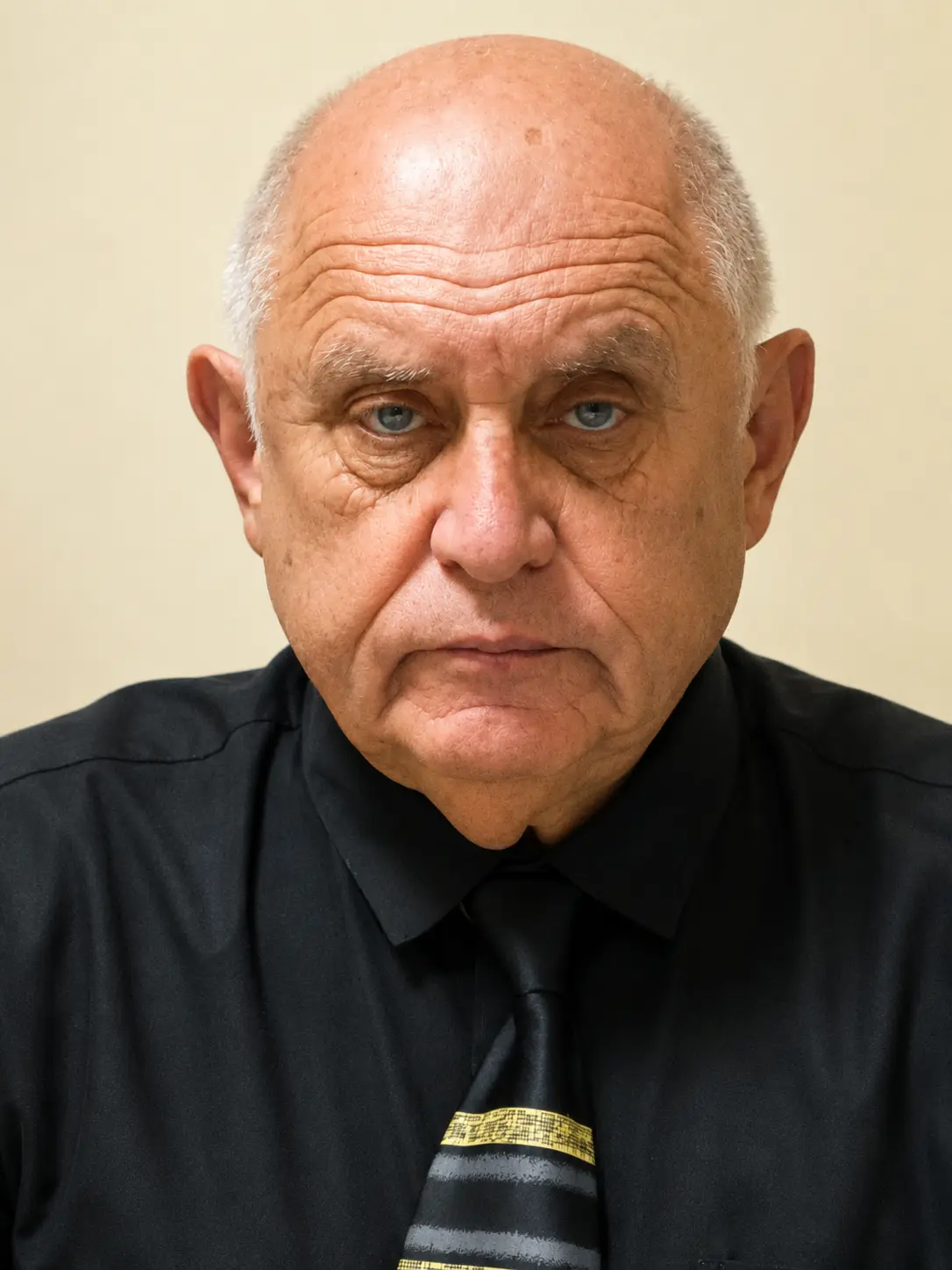
Psychiatrist, addiction physician, senior doctor with 40 years of experience
Dr. Golin assesses the opioid involved, last use, withdrawal pattern, overdose history, hydration, pregnancy, chronic pain, psychiatric symptoms, mixed substances, previous detox attempts and prior treatment with medications for opioid use disorder.
He and the MAAVAR CLINIC medical team are responsible for diagnosis, addiction and psychiatric assessment, medication decisions, stabilization, emergency escalation and clinical readiness for residential rehabilitation.
Readiness is a clinical and functional decision.
Breathing, consciousness, hydration and other medical problems are stable enough for the planned level of care.
Any medication instructions, monitoring needs and follow-up responsibilities are documented by the clinical team.
The person can understand the plan, communicate, follow safety instructions and begin a structured residential day.
Transport, family communication, contact restrictions, personal items and the villa admission plan are organized before transition.
The first relief from pain can create false confidence while craving, tolerance loss and old access remain active.
A return to a previously tolerated dose after abstinence can carry greater overdose danger.
Phones, money, dealers, pain triggers and familiar locations can reopen the opioid route before recovery skills exist.
Relatives often move back into surveillance, rescue and arguments instead of one coordinated therapeutic line.
Less vomiting or pain does not mean motivation, sleep, mood and decision-making are stable.
Detox treats acute instability. Residential rehabilitation changes the routines, access and decisions that repeatedly lead back to opioids.
The family needs one coordinated line rather than rescue, cash payments, interrogation and secret negotiation.
Opioid type, last use, breathing, consciousness, vomiting, diarrhea, pregnancy, pain, other substances, overdose and treatment history.
Household needs should be separated from cash, cards, uncontrolled prescriptions and transfers that can reopen the opioid route.
Relatives agree who speaks with MAAVAR CLINIC, what information is shared and which safety boundaries are not negotiated under pressure.
Progress is shown through routine, honest reporting, clinical cooperation and rehabilitation work—not one promise made after a difficult night.

Withdrawal can ease while the opioid system remains intact. Recovery becomes more durable when medical safety flows directly into a residential environment with routine, therapy, responsibility, family boundaries, medication follow-up where indicated and relapse-prevention work.
Assuming a preset number means the person is ready to leave.
Reviewing breathing, hydration, medication plan, mood, craving and ability to participate.
Immediate re-exposure to pills, dealers, money, pain triggers and family conflict.
A structured handoff into residential rehabilitation without an unmanaged gap.
Surviving the acute physical stage without changing the addiction system.
Routine, accountability, family work, trigger practice and long-term relapse prevention.

Residential rehabilitation specialist for routine, sleep, discipline and responsibility
Opioid withdrawal can disrupt sleep, meals, movement, time boundaries and the ability to tolerate discomfort without immediate relief. Mikhail helps rebuild a repeatable daily rhythm after clinical stabilization.
He is not a physician and does not diagnose, prescribe medication, provide detox or make clinical decisions. His role is practical rehabilitation: sleep routine, structure, discipline, duties, accountability and preparation for life outside the villa.
This page provides general information and does not replace individual medical, psychiatric or addiction assessment.
The acute withdrawal window often unfolds over several days, but there is no single safe number for every person. Timing depends on the opioid, last dose, duration of use, fentanyl exposure, mixed substances, physical and psychiatric condition, and the treatment plan defined by licensed clinicians.
Short-acting opioids may produce symptoms within hours to the first day after the last use. Methadone and other long-acting opioids may have a delayed onset, so a quiet early period does not prove that withdrawal will be brief.
Pain, cramps, vomiting, diarrhea, insomnia, anxiety and strong craving are often most intense during the first several days with short-acting opioids. Long-acting opioids can follow a later and longer pattern.
Heroin and other short-acting opioids usually begin sooner and may peak earlier. Methadone and other long-acting opioids may begin later and continue longer. The route must follow the substance and the individual clinical assessment.
Fentanyl exposure, unknown tablets, changing potency and mixed sedatives can make onset, tolerance, overdose risk and medication planning less predictable. The medical team needs the most complete exposure history available.
Long-acting opioids, repeated relapse, dehydration, pregnancy, chronic illness, severe pain, depression, suicidal thinking, alcohol, benzodiazepines or other sedatives can extend the route or require a different level of care.
Yes. MAAVAR CLINIC is a licensed medical structure in Kiryat Gat. Dr. Moshe Golin and the medical team perform addiction and psychiatric assessment, diagnosis, medication decisions, stabilization planning and clinical risk management according to indications.
It is not complete merely because several days have passed or vomiting has stopped. Dr. Moshe Golin and the medical team assess breathing, hydration, medication plan, mental state, craving, cooperation and readiness before transfer to residential rehabilitation.
A direct transition reduces the unmanaged gap in which tolerance is lower but pills, dealers, money, pain triggers and old contacts are available again. The villa adds routine, accountability, therapy, family work and relapse-prevention practice.
The residential program uses a structured daily environment with sleep and meal routine, movement, individual and group work, responsibilities, adapted 12-step principles, trigger mapping, family boundaries and planning for life after discharge.
Mikhail supports sleep routine, daily structure, discipline and practical responsibility during residential rehabilitation. He is not a physician and does not diagnose, prescribe medication or make clinical decisions.
Write on WhatsApp, call +972 54 757 8876, or email dhvny8@gmail.com. Describe the opioid, last use, breathing, consciousness, vomiting, diarrhea, pregnancy, other substances, overdose history and current safety. Immediate danger takes priority over privacy.
Write briefly: opioid type, last use, breathing, consciousness, vomiting, diarrhea, hydration, pregnancy, pain, other substances, overdose history, medication history and current family safety.
MAAVAR CLINIC connects medical and psychiatric assessment with a direct transition into residential villa rehabilitation, routine, responsibility, family work and relapse prevention.
Quick reading settings for this page.