Assess dependence
Clarify the drug, dose, timing, duration, early refills and symptoms between doses.
Benzodiazepine detox in Israel: withdrawal risk, medical tapering, stabilization, sleep restoration and rehabilitation.
The central question is not how quickly the tablets can disappear. It is how to reduce withdrawal danger while protecting sleep, cognition, mood and physical safety. A person may be taking one prescribed drug, several benzodiazepines, or a mixture involving alcohol, opioids, pregabalin or sleeping pills.
At MAAVAR CLINIC in Kiryat Gat, Dr. Moshe Golin and the medical team assess the medication, dose, duration, timing, previous reductions, seizures, mental state and mixed use. Medical stabilization is then connected directly to rehabilitation focused on sleep, routine, responsibility, family boundaries and relapse prevention.
The goal is to reduce acute risk and create enough stability for rehabilitation. Speed is not the measure of success.
Clarify the drug, dose, timing, duration, early refills and symptoms between doses.
Previous seizures, confusion, severe insomnia, mixed sedatives and psychiatric instability change the plan.
Detox must lead into sleep restoration, daily structure, responsibility and relapse prevention.
The same word—benzodiazepine—covers drugs with different durations and withdrawal patterns.
Short action may create sharp symptoms or interdose withdrawal.
Longer action may delay symptoms but does not remove withdrawal risk.
Long duration affects timing and may be relevant to clinical taper decisions.
Regular use can create dependence and significant withdrawal if reduced too quickly.
Multiple prescriptions can hide the total daily exposure.
Sleeping pills and pregabalin can complicate sedation, withdrawal and recovery.
A quiet first day does not prove that stopping is safe. Timing depends on the drug, dose pattern, metabolism and mixed use.
Anxiety, tremor, sweating, body alarm and sleeplessness may emerge quickly or between doses.
Symptoms may appear later, creating false reassurance before the withdrawal window opens.
Several drugs or repeated extra doses can make timing difficult to predict.
Past severe reactions or seizures increase the importance of careful medical planning.
Severe symptoms require urgent medical assessment, not reassurance or forced endurance at home.
Any seizure, fainting or inability to remain conscious requires emergency care.
Disorientation, delirium or losing contact with reality are urgent signs.
Self-harm plans, severe impulsivity or inability to remain safe require immediate response.
Heavy sedation or reduced breathing may indicate overdose, especially with opioids or alcohol.
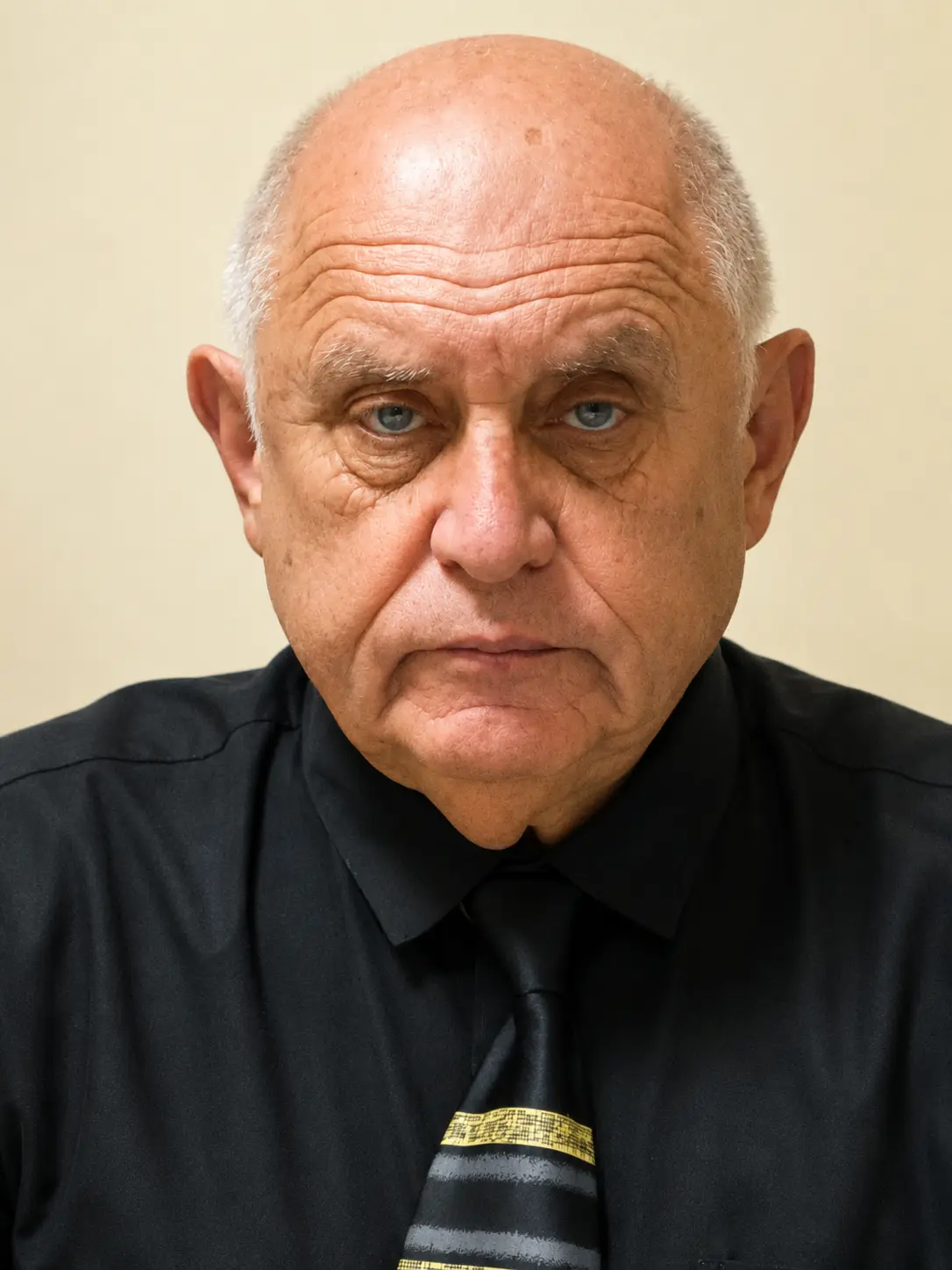
Psychiatrist, addiction physician, senior doctor with 40 years of experience
Dr. Golin evaluates every benzodiazepine, dose, timing, duration, prior taper, seizure history, sleep, cognition, mood, alcohol, opioids, pregabalin and physical illness.
He and the MAAVAR CLINIC medical team are responsible for diagnosis, stabilization, taper and medication decisions, psychiatric care and the transition into rehabilitation.
The medical team needs the complete pattern, including unprescribed substances.
Alcohol can increase sedation and complicate withdrawal planning.
Opioids combined with benzodiazepines can suppress breathing.
Additional sedatives may add dependence, confusion and coordination problems.
Unverified tablets may contain unexpected substances or doses.
There is no single schedule that is correct for every person.
Once immediate danger decreases, the main recovery work begins.
Build a stable waking time, evening structure and non-chaotic rhythm.
Meals, movement, hygiene, groups and practical tasks return predictability.
Learn to distinguish discomfort from danger and use support without automatic medication seeking.
Plan for insomnia, panic, old prescriptions, stressful events and family conflict.

A safer dose plan matters, but sustainable recovery also requires sleep, routine, honest reporting, responsibility, family boundaries and a way to face anxiety without rebuilding the old medication-centered life.
Remove the tablets quickly and hope determination is enough.
Assess dependence and reduce risk through an individualized clinical plan.
Every difficult feeling becomes proof that the plan is failing.
Symptoms are assessed, documented and managed without improvisation.
Treatment ends when the acute medication problem settles.
Sleep, behavior, responsibility and relapse prevention become the main work.
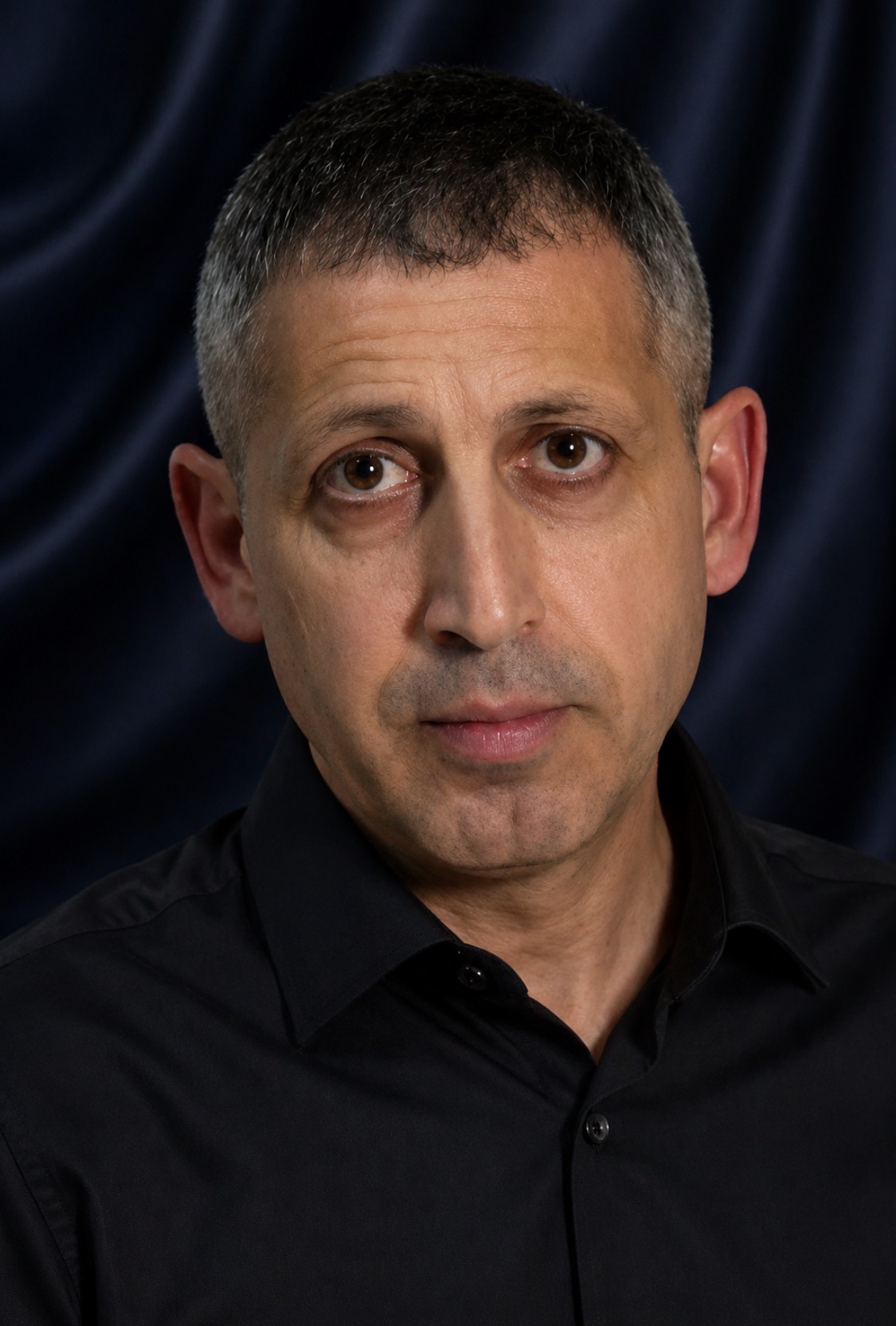
Recovery mentor for sleep, routine, structure and responsibility
After stabilization, the person may still organize the day around symptoms, reassurance and fear of the next bad night. Mikhail helps build a repeatable daily structure that does not depend on feeling calm first.
He is not a physician and does not diagnose, prescribe medication, conduct detox or make taper decisions. His role is practical rehabilitation after the acute medical stage.
These official sources provide general context and do not replace individual medical assessment.
Benzodiazepine detox is the medically supervised process of stabilizing and reducing benzodiazepines after physical dependence has developed. It may involve assessment, monitoring, taper decisions and medication management rather than abrupt discontinuation.
Withdrawal can include severe anxiety, insomnia, tremor, confusion, hallucinations and seizures. Risk depends on the medication, dose, duration, previous withdrawal, other illnesses and mixed sedative use.
Abrupt stopping or an overly rapid reduction can be dangerous after regular use. Any dose change should be planned by a physician according to the person’s clinical condition.
They can. Short-acting drugs may produce earlier or sharper symptoms, while long-acting drugs may create a delayed withdrawal window. The exact pattern must be assessed clinically.
Call Magen David Adom at 101 for a seizure, collapse, severe confusion, hallucinations, suicidal behavior, dangerous aggression, very slow or difficult breathing, or inability to remain safe.
Yes. MAAVAR CLINIC is a licensed medical addiction treatment structure in Kiryat Gat. Dr. Moshe Golin and the medical team perform assessment, diagnosis, stabilization, medication decisions, psychiatric care and addiction medicine according to clinical indications.
Tell the medical team exactly what was used. Alcohol, opioids, pregabalin and sleeping pills can change overdose, sedation, breathing and withdrawal risk.
The rehabilitation stage focuses on sleep, daily routine, emotional regulation, responsibility, family boundaries, medication safety and relapse prevention.
Mikhail supports sleep restoration, daily structure, practical learning and responsibility after stabilization. He is not a physician and does not diagnose, prescribe medication, conduct detox or make taper decisions.
Write on WhatsApp, call +972 54 757 8876, or email dhvny8@gmail.com. Immediate danger takes priority over privacy.
Send the full medication history: every drug, dose, timing, duration, failed reduction, withdrawal symptom, seizure history and any alcohol, opioids, pregabalin or sleeping pills.
MAAVAR CLINIC connects medical tapering and stabilization directly to sleep restoration, daily structure, responsibility and relapse prevention.
Quick reading settings for this page.