Clarify dependence
Daily dose, timing, duration, early refills and symptoms between tablets help show how the body has adapted.
Alprazolam detox in Israel: Xanax withdrawal, interdose symptoms, seizure risk, medical stabilization and rehabilitation.
A person can take alprazolam exactly as prescribed and still develop physical dependence. When doses become frequent, the medication runs out early, or symptoms return before the next tablet, the family may see panic, desperation and urgent dose-seeking without understanding the short-acting withdrawal cycle underneath.
At MAAVAR CLINIC in Kiryat Gat, Dr. Moshe Golin and the medical team assess the dose pattern, duration, interdose symptoms, sleep, mental state, previous withdrawal, alcohol or opioid use and current medical risk. Stabilization is followed by rehabilitation focused on sleep, anxiety coping, routine, responsibility and relapse prevention.
The goal is to reduce withdrawal danger and create enough stability for recovery work. Speed is not the measure of success; safety, sleep, mental clarity and sustainable progress are.
Daily dose, timing, duration, early refills and symptoms between tablets help show how the body has adapted.
Confusion, severe insomnia, mixed sedatives, previous seizures and psychiatric instability change the medical plan.
Once stable, the work shifts to anxiety coping, sleep, routine, responsibility and relapse prevention.
Relief may arrive quickly after a dose and disappear quickly as the level falls. The body can learn that the next tablet is the fastest way to stop panic and physical alarm.
The medication may calm panic or body tension quickly, reinforcing the belief that functioning is impossible without it.
Anxiety, tremor, sweating, irritability and sleeplessness may return before the next scheduled dose.
The day becomes organized around counting tablets, protecting supply and avoiding the next wave.
Withdrawal sensations can be interpreted as proof that the original anxiety disorder is worsening, which may strengthen use.
Interdose withdrawal can look like emotional instability, but the timing often follows a repeatable medication pattern.
Severe symptoms require medical assessment. Families should not improvise with borrowed medication or force abrupt discontinuation.
Any seizure, fainting or inability to remain conscious requires emergency care.
Disorientation, delirium, seeing or hearing things, or not recognizing people are urgent signs.
Hopelessness, self-harm plans, dangerous impulsivity or inability to remain safe require immediate response.
Alcohol, opioids, pregabalin, sleeping pills and unknown sedatives can change overdose and withdrawal risk.
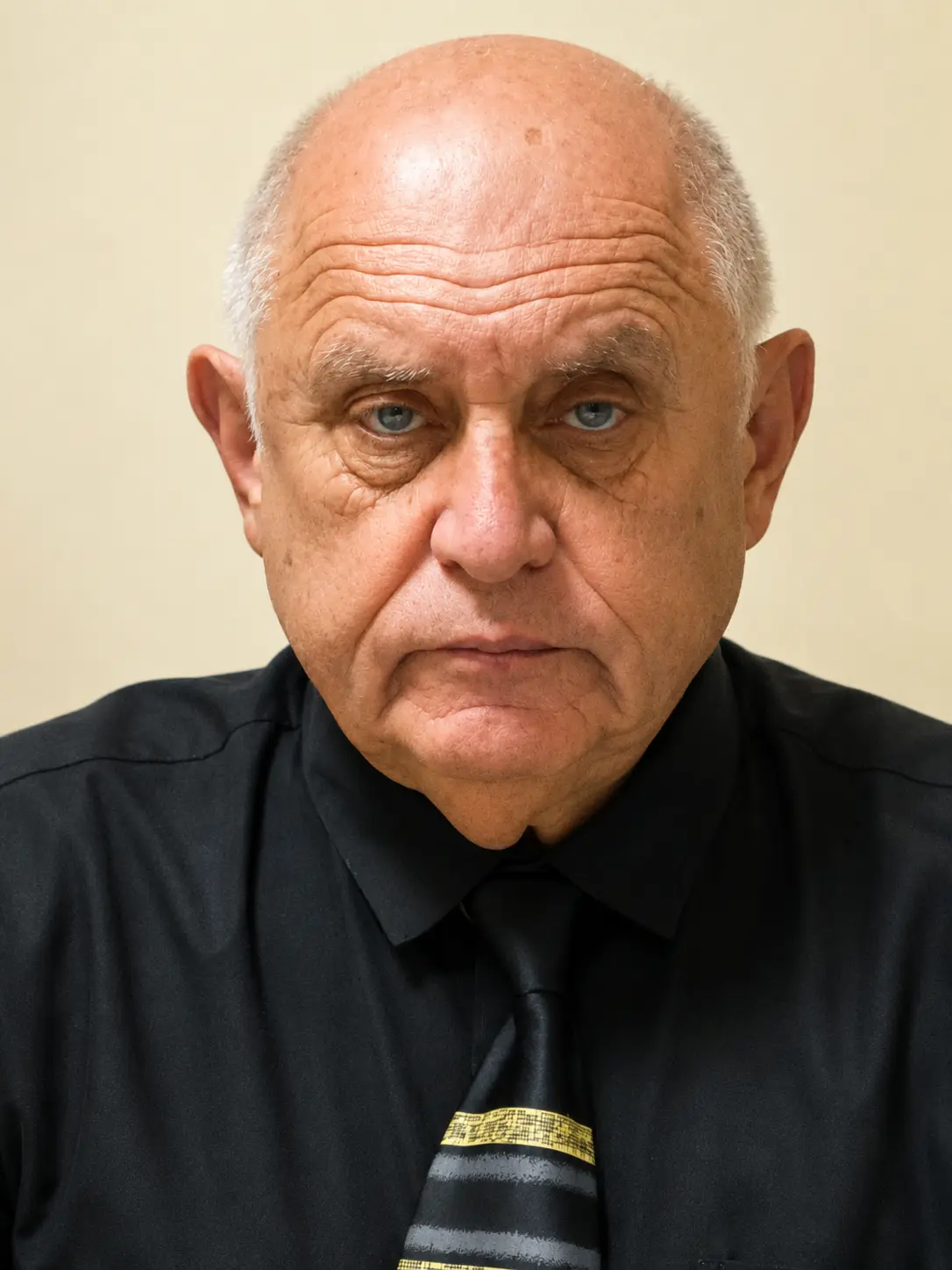
Psychiatrist, addiction physician, senior doctor with 40 years of experience
Dr. Golin evaluates the exact alprazolam pattern, symptoms between doses, previous withdrawal, seizures, sleep, mood, panic, cognition, other medications, alcohol, opioids and physical illness.
He and the MAAVAR CLINIC medical team are responsible for diagnosis, stabilization, taper and medication decisions, psychiatric care, addiction medicine and the transition into rehabilitation.
Full disclosure is essential. The medical team needs the real pattern, not only the prescribed medication list.
Alcohol may be used to intensify calm or replace missing tablets, increasing sedation and withdrawal complexity.
Heroin, fentanyl, oxycodone and other opioids can suppress breathing when combined with alprazolam.
Lyrica, z-drugs and other sedatives may add dependence, confusion and medication risk.
Unverified pills may contain unexpected substances or doses, making clinical assessment more important.
Medical stabilization creates a window. Rehabilitation uses that window to build ways of living that do not depend on panic, avoidance or a rescue tablet.
Relatives can help by reporting the real pattern, reducing secrecy and following one medical plan. They should not invent dose changes or become permanent medication police.
Dose timing, missing tablets, symptoms, alcohol, other medication and previous attempts.
Do not confiscate medication and create an abrupt withdrawal crisis without medical direction.
Conflicting advice from relatives, old prescriptions and online forums creates more instability.
Trust returns through honest medication use, routine and repeated responsible behavior.

Safe recovery is not measured by how fast the tablets disappear. It is measured by medical stability, restored sleep, honest reporting, reliable routine and a growing ability to respond without opening the old cycle again.
“Take the tablets away and make the problem stop.”
Assess dependence and reduce risk through a clinically appropriate plan.
The day is organized around the next dose and fear of symptoms.
The day is organized around sleep, meals, therapy, movement and responsibility.
Relatives count tablets, argue and carry the entire plan.
The medical team handles clinical decisions; the patient and family follow clear roles.

Recovery mentor for sleep, routine, structure and responsibility
After medical stabilization, the person may still organize the day around symptoms, reassurance and fear. Mikhail helps replace that pattern with a repeatable routine that does not depend on feeling calm first.
He is not a physician and does not diagnose, prescribe medication, conduct detox or make taper decisions. His role is practical rehabilitation after the acute stage.
This page provides general information and does not replace individual medical assessment, emergency care or a personalized taper plan.
Alprazolam detox is the medically supervised process of reducing or stopping alprazolam after physical dependence has developed. Because alprazolam is short acting, the plan may require stabilization, careful taper decisions and monitoring rather than abrupt discontinuation.
Alprazolam leaves the body relatively quickly. Some people experience sharp anxiety, tremor, sweating, insomnia, rapid heartbeat or panic as the level falls, including symptoms between scheduled doses.
Abrupt discontinuation can be dangerous, particularly after regular use, higher doses, long treatment, previous withdrawal problems or mixed use. Confusion, hallucinations and seizures are possible severe complications.
Call Magen David Adom at 101 for a seizure, severe confusion, hallucinations, collapse, breathing difficulty, chest pain, suicidal behavior, dangerous aggression or inability to remain safe.
Yes. MAAVAR CLINIC is a licensed medical clinic in Kiryat Gat. Dr. Moshe Golin and the medical team perform assessment, diagnosis, stabilization, medication decisions, psychiatric care and addiction medicine according to clinical indications.
Interdose withdrawal means symptoms return before the next dose is due. The person may feel temporarily calmer after taking alprazolam and then develop anxiety, tremor, sweating, irritability or body alarm as the level drops.
Tell the medical team exactly what was used. Alcohol, opioids, pregabalin, sleeping pills and other sedatives can change sedation, overdose, withdrawal and medication risk.
The rehabilitation stage focuses on sleep, routine, emotional regulation, responsibility, family boundaries, anxiety coping, medication safety and relapse prevention.
Mikhail supports sleep rhythm, daily structure, practical learning and responsibility after stabilization. He is not a physician and does not diagnose, prescribe medication, conduct detox or make clinical decisions.
Write on WhatsApp, call +972 54 757 8876, or email dhvny8@gmail.com. Immediate danger takes priority over privacy; in an emergency call 101.
Write briefly: medication name, dose, timing, duration, symptoms between doses, sleep, previous taper attempts and any alcohol, opioids, Lyrica, sleeping pills or other sedatives.
At MAAVAR CLINIC, medical assessment and stabilization are connected directly to sleep restoration, routine, responsibility and relapse prevention.
Quick reading settings for this page.