Relief becomes a requirement
The person no longer sees the medication as one tool. It feels like the condition for sleeping, leaving home, working or tolerating emotion.
Benzodiazepine addiction in Israel: dependence, dose-centered behavior, mixed sedatives, medical stabilization and structured rehabilitation.
A prescription can remain medically appropriate for years—or it can gradually become the center of the person’s functioning. The warning signs are not only a high dose. They include early refills, secret tablets, repeated failed reductions, mixing with alcohol, panic when supply is low and a family that can no longer tell where treatment ends and addiction begins.
MAAVAR CLINIC in Kiryat Gat separates the medical problem from the rehabilitation problem. Dr. Moshe Golin and the medical team assess dependence, withdrawal risk, mental state and mixed use. After stabilization, the program focuses on thinking, behavior, anxiety coping, discipline, responsibility, family boundaries, 12-step recovery and relapse prevention.
The medication may still have a prescription label while behavior around it has changed.
The person no longer sees the medication as one tool. It feels like the condition for sleeping, leaving home, working or tolerating emotion.
Appointments, messages, pharmacies and family conversations begin revolving around whether enough tablets remain.
Extra doses, combining products, saving tablets, borrowing medication or seeking several prescribers may appear.
Memory problems, falls, conflict, missed work or damaged trust occur, yet the same use pattern continues.
Alprazolam, clonazepam, diazepam, lorazepam and other benzodiazepines differ clinically, but addiction is recognized through behavior and consequences.
Benzodiazepines can create risk through withdrawal, overdose or mixed depressant use.
A seizure, hallucinations, delirium or inability to recognize people requires urgent medical care.
Heavy sedation, blue lips, abnormal snoring, inability to wake or reduced breathing may indicate overdose.
Loss of consciousness, head injury or severe unsteadiness requires assessment.
Self-harm plans, dangerous impulsivity or aggression that cannot be contained safely require emergency response.
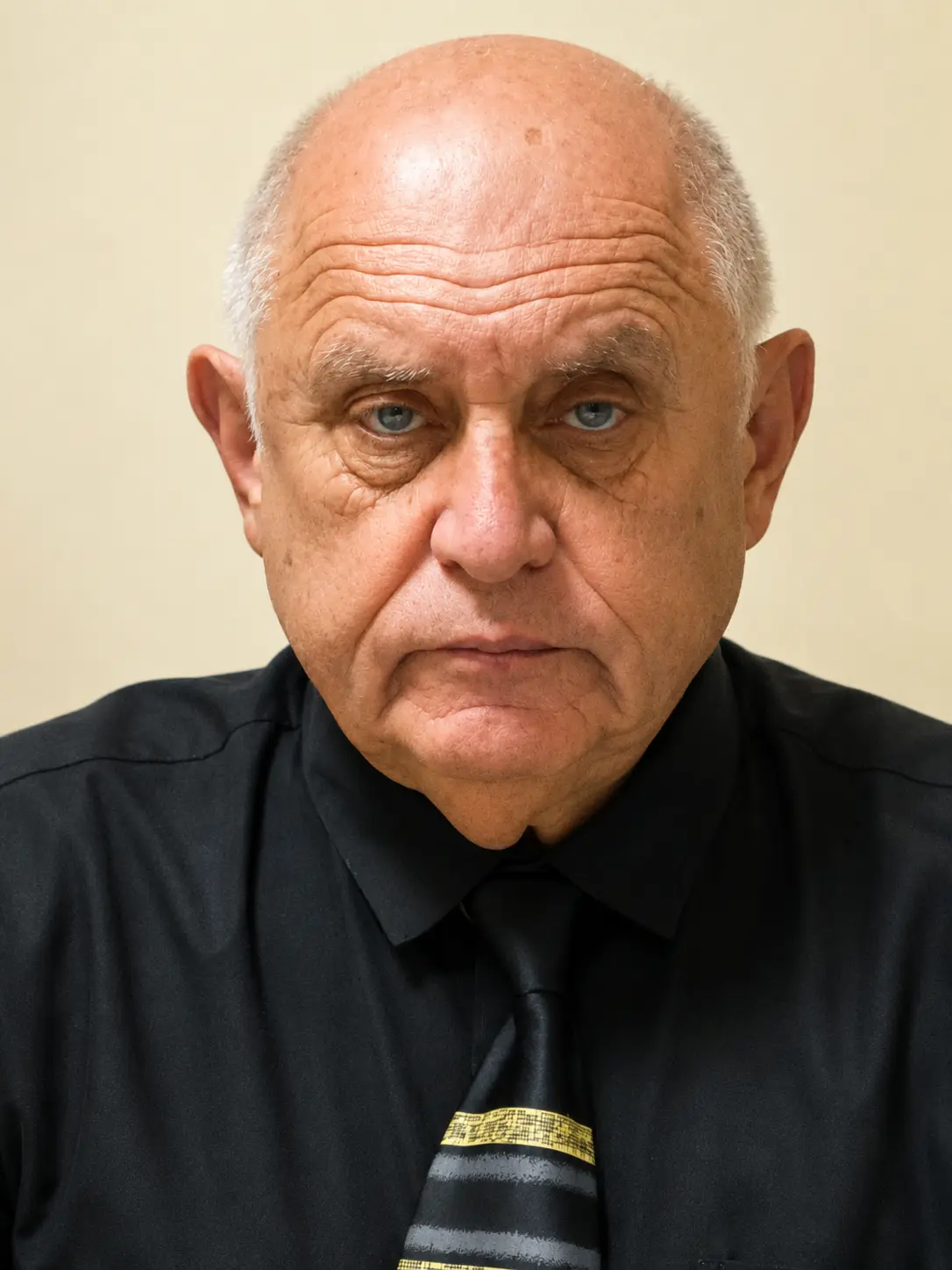
Psychiatrist, addiction physician, senior doctor with 40 years of experience
Dr. Golin evaluates the benzodiazepine type, dose pattern, duration, early refills, withdrawal history, previous seizures, cognition, falls, anxiety, sleep, depression, alcohol, opioids and other medications.
He and the MAAVAR CLINIC medical team are responsible for diagnosis, stabilization, taper and medication decisions, psychiatric care, addiction medicine and the safe transition into rehabilitation.
The treatment team needs the real pattern, not only the formal medication list.
Alcohol may be used to strengthen sedation or replace missing tablets, increasing confusion and breathing risk.
Heroin, fentanyl, oxycodone and other opioids can combine with benzodiazepines to suppress breathing.
Lyrica and sleep medications can add sedation, dependence and impaired coordination.
Multiple prescribers, old prescriptions or tablets from relatives can hide the actual daily exposure.
The medical stage reduces immediate danger. It does not by itself change the thinking and behavior that kept the cycle alive.
After stabilization, the program addresses why every difficult feeling, night or responsibility became linked to a tablet.
Relatives need a defined role that supports treatment without financing or managing the addiction.
Share the real dose pattern, missing tablets, mixed substances, falls, memory gaps and previous withdrawal.
Confiscating medication or making dose changes without clinical direction can create danger.
Money, excuses and emergency refills may reduce conflict today while preserving the addiction pattern.
The family follows one plan for medication access, money, transport, communication and return home.

Recovery does not require a life without anxiety or difficult sleep. It requires a person who can respond with structure, honesty, responsibility, support and clinically safe medication decisions instead of returning automatically to the old dose-centered pattern.
Relatives count tablets, negotiate refills and carry responsibility for every crisis.
The physician and medical team make medication and stabilization decisions.
Every difficult feeling becomes a reason for another dose or another sedative.
The person learns to experience discomfort while still following structure and responsibility.
The family expects the medication problem to disappear after stabilization.
Thinking, behavior, family roles and relapse prevention become the main work.
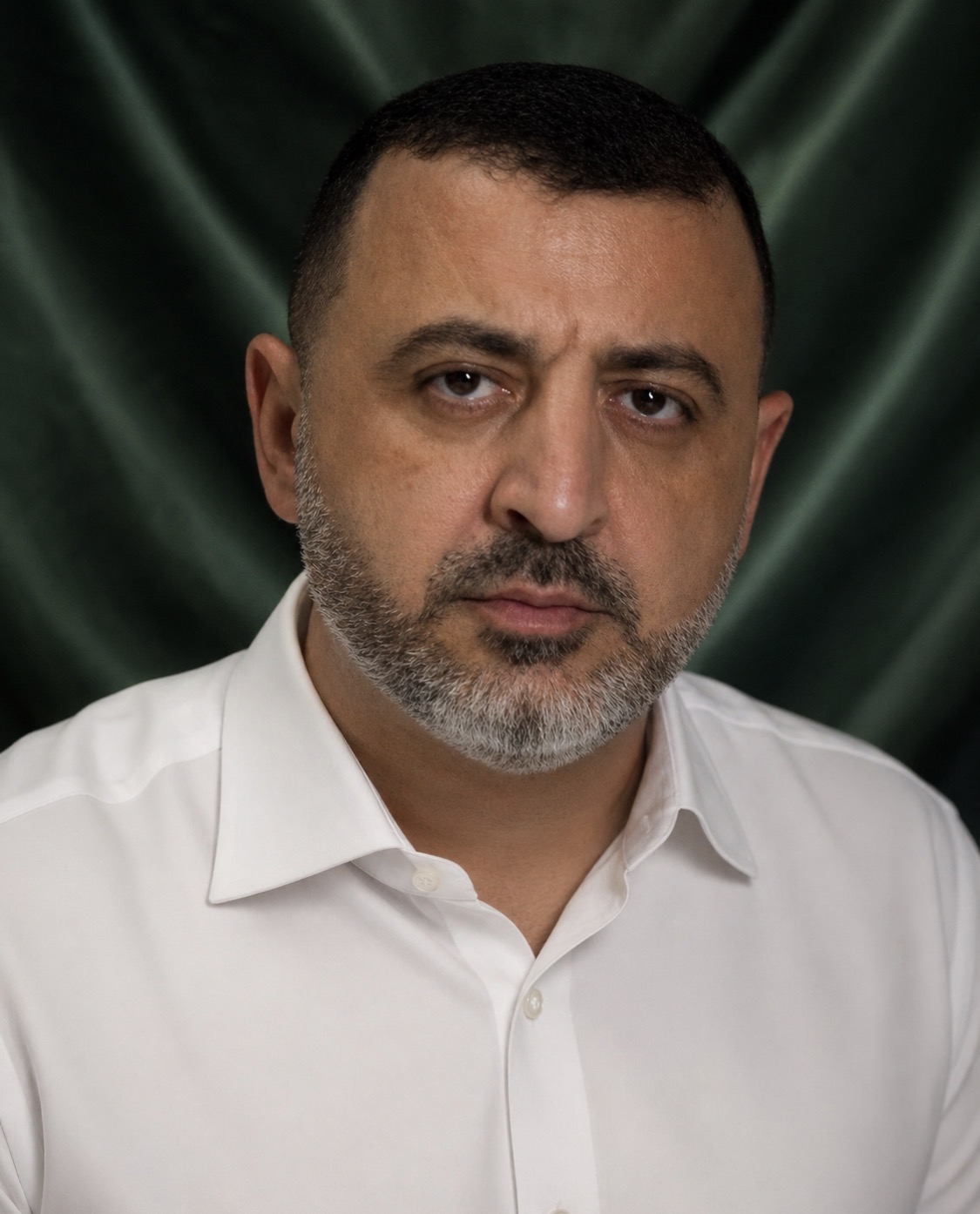
Recovery mentor for motivation, responsibility, 12-step work and relapse prevention
After stabilization, the person may still believe that every difficult emotion, sleepless night or conflict justifies immediate chemical relief. Ramiz helps expose that thinking and turn recovery into repeated responsible action.
He is not a physician and does not diagnose, prescribe medication, conduct detox or make taper decisions. His role begins in the rehabilitation work after the acute medical stage.
These official sources provide general clinical and public context. They do not replace individual medical assessment.
Benzodiazepine addiction is a pattern in which medication use is no longer guided only by a therapeutic plan. The person may use more than intended, organize the day around the dose, hide use, seek early refills, mix sedatives or continue despite harm.
No. Physical dependence can develop during prescribed use and means the body has adapted to the medication. Addiction additionally involves impaired control, compulsive use, continued use despite harm and a life increasingly organized around obtaining or taking the drug.
Abrupt discontinuation or an overly rapid reduction can be dangerous after regular use. Severe withdrawal may include confusion, hallucinations or seizures, so dose changes should be planned and supervised clinically.
Call Magen David Adom at 101 for a seizure, collapse, severe confusion, hallucinations, suicidal behavior, dangerous aggression, very slow or difficult breathing, or suspected overdose involving alcohol or opioids.
Yes. MAAVAR CLINIC is a licensed medical addiction treatment structure in Kiryat Gat. Dr. Moshe Golin and the medical team perform assessment, diagnosis, stabilization, medication decisions, psychiatric care and addiction medicine according to clinical indications.
Detox and stabilization address the acute medical stage. Rehabilitation then works on thinking, behavior, anxiety coping, sleep, discipline, responsibility, motivation, family boundaries, the 12-step framework and relapse prevention.
The family may begin counting tablets, financing early refills, arguing about doses, covering missed responsibilities or living in fear of withdrawal. Treatment needs clear roles so relatives stop functioning as the doctor, pharmacy and crisis team.
Mixed depressants can increase sedation, confusion, overdose and breathing risk. The medical team needs an accurate account of alcohol, opioids, pregabalin, sleeping pills and all other medications or substances.
Ramiz supports motivation, responsibility, the 12-step framework, examination of addictive thinking and relapse prevention after stabilization. He is not a physician and does not diagnose, prescribe medication, conduct detox or make clinical decisions.
Write on WhatsApp, call +972 54 757 8876, or email dhvny8@gmail.com. Immediate danger takes priority over privacy; call 101 in an emergency.
Send the concrete facts: medication name, daily dose, duration, early refills, missing tablets, failed reductions, memory problems, falls, alcohol, opioids, sleeping pills and the family consequences that are already occurring.
MAAVAR CLINIC connects medical assessment and stabilization directly to residential rehabilitation, responsibility, 12-step work, family boundaries and relapse prevention.
Quick reading settings for this page.