Before the next dose
Rising panic, tremor, sweating or internal agitation may suggest interdose withdrawal, especially with shorter-acting medication.
Benzodiazepine withdrawal symptoms in Israel: timing, panic, insomnia, tremor, sensory sensitivity, confusion, hallucinations, seizures and medical assessment.
Withdrawal does not always begin as a dramatic crisis. It may start with a night of broken sleep, an unexplained tremor, sound sensitivity, rising panic before the next dose or a feeling that the world has become unreal. The key is not only what the symptom is, but when it appears, what medication pattern came before it and whether neurological or psychiatric danger is developing.
At MAAVAR CLINIC in Kiryat Gat, Dr. Moshe Golin and the medical team assess the medication, dose, duration, missed doses, recent reductions, sleep, cognition, previous withdrawal, alcohol or opioid use and immediate risk. Medical stabilization is the first stage; rehabilitation then addresses sleep, routine, responsibility, family boundaries and relapse prevention.
A withdrawal assessment starts with sequence: the last stable dose, what changed, when symptoms appeared, what temporarily relieved them and whether the pattern repeats.
Rising panic, tremor, sweating or internal agitation may suggest interdose withdrawal, especially with shorter-acting medication.
Sleep disruption, sensory changes or fear may appear after a dose cut that the nervous system cannot yet tolerate.
Longer-acting benzodiazepines can produce later symptoms, creating false reassurance during the first days.
Symptoms can overlap. A person may move from insomnia and muscle tension to panic, derealization and confusion as sleep loss and withdrawal intensify.
Difficulty falling asleep, repeated waking, vivid dreams, nightmares or a complete reversal of the sleep schedule.
Sweating, rapid heartbeat, hot and cold waves, nausea, inner shaking and a sense of physical emergency.
Tremor, jaw tension, muscle tightness, twitching, unsteady movement or a vibrating sensation inside the body.
Light, sound, touch, screens, crowds or internal sensations may feel unusually sharp and difficult to tolerate.
Derealization, depersonalization, poor concentration, memory difficulty or a frightening sense of losing control.
Seizures, delirium, hallucinations, psychosis, suicidal behavior or profound confusion require urgent medical response.
Medication half-life is not the only factor, but it changes when the family may notice symptoms and how easily the pattern can be misread.
Families often try to calm the person, restore sleep or wait for the wave to pass. That approach is unsafe when neurological, psychiatric or respiratory danger is present.
Any seizure, fainting, inability to remain conscious or sudden loss of physical control requires emergency care.
Disorientation, not recognizing people, delirium, seeing or hearing things, or grossly disorganized behavior are urgent.
Self-harm plans, dangerous impulsivity, severe aggression or inability to remain safe require immediate response.
Breathing difficulty, extreme sedation, unresponsiveness or chest pain must not be assumed to be “only withdrawal.”
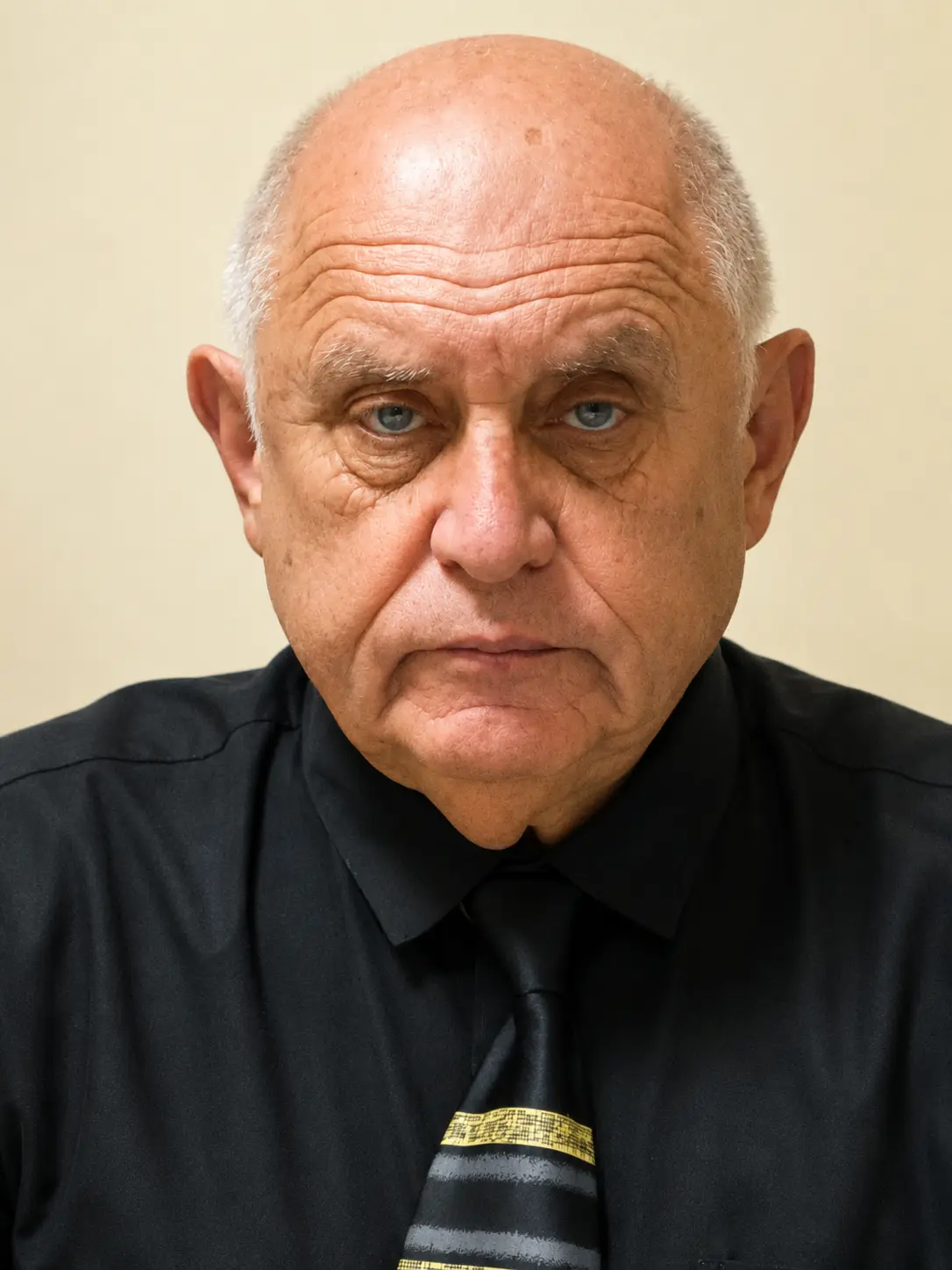
Psychiatrist, addiction physician, senior doctor with 40 years of experience
Dr. Golin assesses whether the symptom pattern fits withdrawal, rebound, intoxication, mixed sedatives, a medical condition, a psychiatric crisis or several processes at once. The review includes dose timing, recent reductions, sleep, cognition, previous seizures, alcohol or opioid use and current safety.
He and the MAAVAR CLINIC medical team are responsible for diagnosis, detox, stabilization, medication decisions, psychiatric care, addiction medicine and decisions about the appropriate level of medical observation.
The medication list alone is not enough. The medical team needs an honest account of alcohol, opioids, pregabalin, z-drugs, antihistamines, cannabis and unverified tablets.
Alcohol may temporarily suppress symptoms and then worsen instability, while also adding its own withdrawal risk.
Combining opioids with benzodiazepines can suppress breathing and produce extreme sedation or unresponsiveness.
These may add sedation, cognitive impairment and another layer of dependence or withdrawal.
Unverified medication can contain unexpected substances or doses, making clinical interpretation less reliable.
The purpose of assessment is not only to name the symptoms. It is to make the next safe clinical decision and prevent the person from returning to the same medication-driven cycle after stabilization.
Relatives can improve safety by documenting the real pattern and reducing secrecy. They should not improvise dose changes, confiscate medication or use arguments to force the person through withdrawal.
Medication, dose, time, missed doses, reductions, sleep and the exact order in which symptoms appeared.
Include alcohol, opioids, pregabalin, sleeping pills, cannabis and borrowed or unknown tablets.
Abrupt discontinuation can create a dangerous withdrawal state after physical dependence develops.
Seizures, severe confusion, hallucinations, collapse and suicidal behavior require urgent help, not family debate.

Recovery begins when the family no longer reacts to each wave with panic, extra tablets, arguments or secrecy. A clinical plan creates safety; rehabilitation then builds sleep, structure, responsibility and ways of responding that do not reopen the old cycle.
Every sensation is treated as either “just anxiety” or an immediate catastrophe.
Symptoms are connected to dose timing, reductions, sleep, mixed use and objective danger signs.
Relatives count pills, change doses and carry the responsibility for clinical decisions.
The physician and medical team make detox, stabilization and medication decisions.
The goal is only to survive the current wave and restore immediate calm.
Stabilization is followed by sleep restoration, routine, responsibility, family work and relapse prevention.

Recovery mentor for sleep, routine, structure and responsibility
After medical stabilization, the person may still scan the body constantly, avoid ordinary tasks and wait to feel completely calm before participating in life. Mikhail helps replace this symptom-led day with a repeatable structure.
He is not a physician and does not diagnose, prescribe medication, conduct detox or make taper decisions. His role begins in rehabilitation, where consistency must become stronger than fear-driven avoidance.
This page provides general information and does not replace individual medical assessment, emergency care or a personalized taper plan.
Common symptoms include anxiety, insomnia, panic, tremor, sweating, muscle tension, sensory sensitivity, nausea, poor concentration and a sense of unreality. The pattern depends on the medication, dose, duration, timing and individual medical history.
Yes. With shorter-acting benzodiazepines, symptoms may return between scheduled doses. A person may feel calmer after taking the medication and then develop rising anxiety, tremor, sweating or body alarm as the level falls.
Call Magen David Adom at 101 for a seizure, severe confusion, hallucinations, collapse, breathing difficulty, chest pain, suicidal behavior, dangerous agitation or inability to remain safe.
Abrupt discontinuation can be dangerous after physical dependence develops. Severe withdrawal may include seizures, delirium, psychosis or suicidal risk. Reduction decisions should be made by a physician after individual assessment.
They differ in onset, duration and how quickly blood levels fall. Shorter-acting medications may produce earlier or sharper symptom waves, while longer-acting medications can delay the onset and create a less obvious pattern.
Yes. MAAVAR CLINIC is a licensed medical clinic in Kiryat Gat. Dr. Moshe Golin and the medical team perform assessment, diagnosis, detox, stabilization, medication decisions, psychiatric care and addiction medicine according to clinical indications.
Tell the medical team exactly what was used and when. Alcohol, opioids, pregabalin, z-drugs and other sedatives can change breathing risk, sedation, overdose risk and the withdrawal plan.
Rehabilitation focuses on sleep, routine, anxiety coping, medication safety, responsibility, family boundaries, triggers and relapse prevention. Detox is the medical first stage, not the complete treatment of dependence.
Mikhail supports sleep rhythm, daily structure, practical learning and responsibility after stabilization. He is not a physician and does not diagnose, prescribe medication, conduct detox or make clinical decisions.
Write on WhatsApp, call +972 54 757 8876, or email dhvny8@gmail.com. Immediate danger takes priority over privacy; in an emergency call 101.
Write briefly: medication name, exact dose, timing, duration, last reduction, current symptoms, sleep, previous withdrawal, seizures and any alcohol, opioids, pregabalin, sleeping pills or other sedatives.
At MAAVAR CLINIC, medical assessment and stabilization are connected directly to rehabilitation focused on sleep, routine, responsibility, family boundaries and relapse prevention.
Quick reading settings for this page.