Physical dependence
The nervous system adapts even when the medication was prescribed and taken regularly.
Benzodiazepine withdrawal in Israel: warning signs, medical risk, family response, stabilization and rehabilitation.
Withdrawal does not always begin with a dramatic collapse. It may start with several bad nights, rising panic, tremor, repeated calls for the next dose, emotional volatility or an inability to think clearly. The family may interpret this as fear, pressure or refusal, while the nervous system is becoming increasingly unstable.
At MAAVAR CLINIC in Kiryat Gat, Dr. Moshe Golin and the medical team assess medication history, recent dose changes, seizures, sleep, confusion, alcohol, opioids and other sedatives. Medical stabilization is followed by rehabilitation and structured family work so the home does not return to secrecy, arguments and improvised medication control.
Benzodiazepine withdrawal can affect sleep, movement, perception, mood, cognition and neurological safety.
The nervous system adapts even when the medication was prescribed and taken regularly.
Missed doses, a rapid reduction or running out early can trigger symptoms.
The original anxiety disorder and withdrawal symptoms may overlap and require medical assessment.
The first signs may look emotional or behavioral rather than medical.
The person sleeps less, becomes more vigilant and cannot settle physically.
Tremor, sweating, palpitations, muscle tension and panic become harder to interrupt.
The day begins revolving around the next tablet, refill or fear of running out.
The person may repeat the same fears, lose perspective or struggle to follow conversation.
The home may become unstable before anyone identifies withdrawal as the underlying problem.
Severe symptoms must not be managed by persuasion, surveillance or improvised medication changes.
Any seizure, fainting or inability to remain conscious requires emergency care.
Disorientation, delirium or not recognizing familiar people are urgent signs.
Losing contact with reality, aggression or suicidal behavior requires immediate response.
Heavy sedation or breathing changes may indicate mixed-substance overdose.
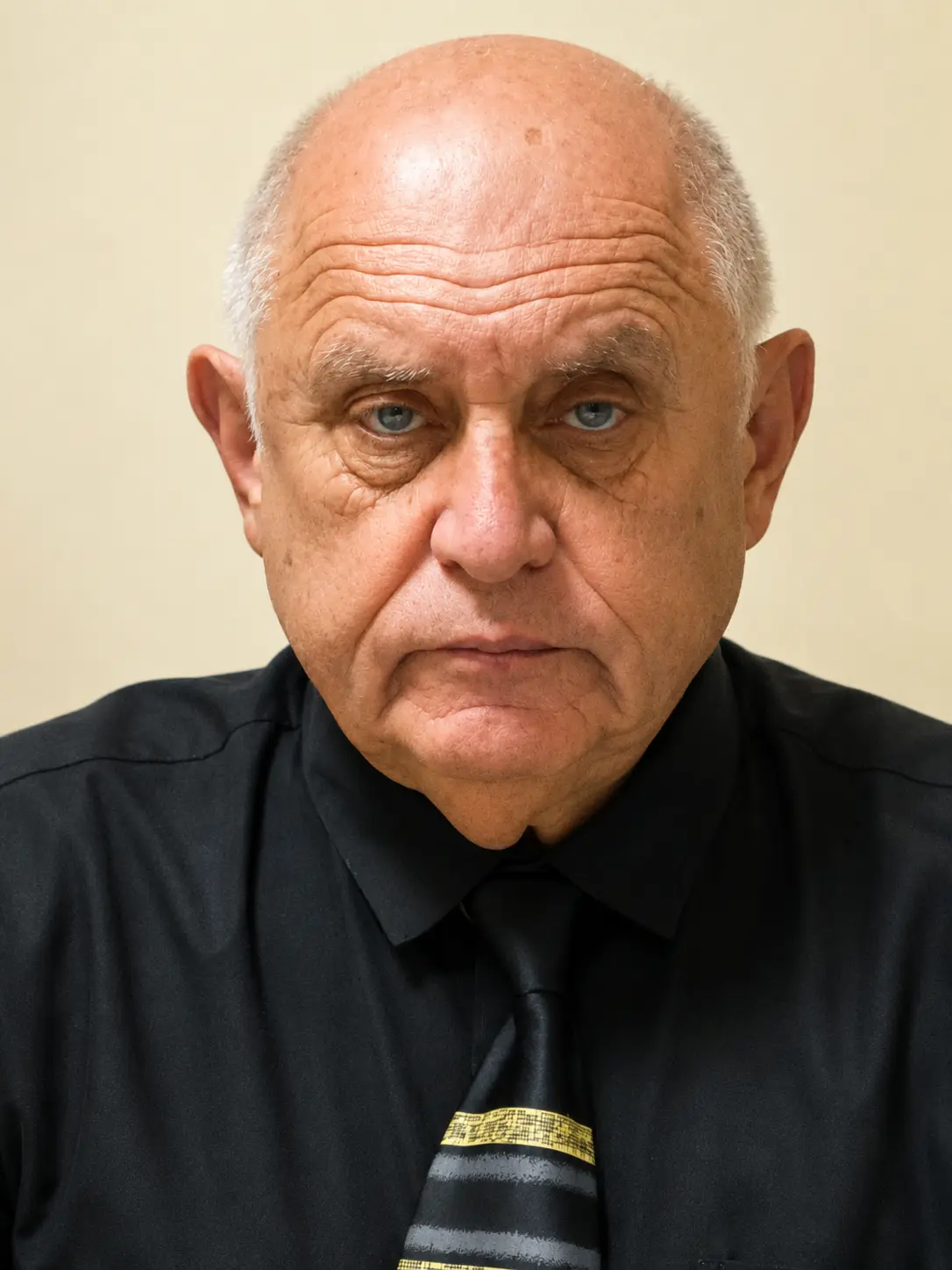
Psychiatrist, addiction physician, senior doctor with 40 years of experience
Dr. Golin evaluates the medication, dose, last reduction, missed doses, previous withdrawal, seizures, sleep, cognition, mood, alcohol, opioids, pregabalin and physical illness.
He and the MAAVAR CLINIC medical team are responsible for diagnosis, stabilization, medication decisions, psychiatric care, addiction medicine and the transition into rehabilitation.
Families may know about one prescription while missing alcohol, opioids, pregabalin or sleep medication.
Alcohol may be used to calm withdrawal but can complicate sedation and dependence.
Combining opioids and benzodiazepines can suppress breathing.
Additional sedatives can increase confusion and coordination problems.
Unverified pills make the risk picture less predictable.
A clear family role reduces conflict and gives the medical team useful information.
Medication, dose, timing, missed doses, sleep and every other substance.
Confiscating medication can create abrupt withdrawal and greater danger.
Family members should avoid contradictory promises, threats and dose negotiations.
Privacy must never delay calling 101 when severe signs appear.
The route must connect urgent assessment to rehabilitation rather than ending after the first calmer day.

Once withdrawal is recognized as a medical risk, the home can move from accusation and dose policing toward facts, emergency awareness, one clinical plan and a structured transition into rehabilitation.
Assume the person is exaggerating or avoiding discomfort.
Check dose timing, sleep, tremor, confusion and neurological risk.
Relatives hide tablets, negotiate doses and monitor every movement.
The medical team handles medication decisions; the family reports facts.
Delay treatment until the person appears more reasonable.
Move from stabilization into rehabilitation before the cycle restarts.

Family support specialist for crisis boundaries, adaptation and communication
Withdrawal can turn every conversation into a dispute about fear, tablets, trust and safety. Karin helps the family stop repeating the same escalating pattern and establish clear, realistic boundaries after stabilization.
She is not a physician and does not diagnose, prescribe medication, conduct detox or make clinical decisions. Her role is family support, communication and adaptation during rehabilitation.
These official sources provide general context and do not replace individual medical assessment.
Benzodiazepine withdrawal is the physical and psychological reaction that can appear when a dependent person reduces, misses or stops a benzodiazepine. Symptoms can affect sleep, mood, perception, thinking, movement and neurological safety.
Physical dependence can develop during regular prescribed use. Dependence does not mean the person intended misuse, but the nervous system may still react when the dose changes.
Abrupt stopping or an overly rapid reduction can be dangerous after regular use. A physician should assess the medication, dose, duration, previous withdrawal and medical risk before dose changes are made.
Call Magen David Adom at 101 for a seizure, collapse, severe confusion, hallucinations, suicidal behavior, dangerous aggression, very slow or difficult breathing, or inability to remain safe.
The detox page focuses on medical stabilization and taper planning. This page focuses on recognizing withdrawal, responding as a family in Israel and moving from crisis into medical assessment and rehabilitation.
Yes. MAAVAR CLINIC is a licensed medical addiction treatment structure in Kiryat Gat. Dr. Moshe Golin and the medical team perform assessment, diagnosis, stabilization, medication decisions, psychiatric care and addiction medicine according to clinical indications.
Report every medication, dose, timing, missed dose, recent reduction, sleep loss, confusion, falls, seizures, alcohol, opioids, pregabalin, sleeping pills and changes in behavior.
Rehabilitation focuses on sleep, routine, emotional regulation, responsibility, medication safety, family boundaries and relapse prevention.
Karin supports family communication, crisis boundaries, adaptation and the return to daily life after stabilization. She is not a physician and does not diagnose, prescribe medication, conduct detox or make clinical decisions.
Write on WhatsApp, call +972 54 757 8876, or email dhvny8@gmail.com. Immediate danger takes priority over privacy.
Write the medication, dose, last dose change, missed doses, sleep, tremor, confusion, seizures, alcohol, opioids, pregabalin, sleeping pills and what currently feels unsafe.
MAAVAR CLINIC connects medical assessment and stabilization directly to rehabilitation and structured family support.
Quick reading settings for this page.