Repeated return after promises
Applications are deleted, cards are surrendered and promises sound sincere, but gambling resumes as soon as pressure, access or opportunity returns.
Residential gambling addiction treatment in Israel at MAAVAR CLINIC: villa rehabilitation, financial boundaries, 12-step work and relapse prevention.
Paying another debt can stop today’s pressure without changing the decisions that produced it. Residential rehabilitation interrupts the entire sequence: private access to betting, financial fantasy, secrecy, chasing losses, family rescue and the promise that the next win will repair everything.
At the MAAVAR CLINIC villa in Kiryat Gat, the main work is not medical. It is a disciplined rehabilitation program where the resident practises an ordinary day without gambling: waking on time, participating in groups, accepting limits, reporting honestly, completing responsibilities, working through urges and preparing for life with transparent money rules.
The decision is not based only on how much money has been lost. The central question is whether the person can interrupt the gambling system while remaining in the same environment, with the same devices, money access, secrecy and rescue patterns.
Applications are deleted, cards are surrendered and promises sound sincere, but gambling resumes as soon as pressure, access or opportunity returns.
New accounts, loans, borrowed devices, cash, cryptocurrency or hidden credit continue outside the family’s knowledge.
The person treats the loss as unfinished business and increases risk to recover money quickly.
Relatives repeatedly cover debts, negotiate with creditors, monitor devices and carry the crisis alone.
Sleep, work, parenting, meals, appointments and ordinary responsibilities are reorganized around betting.
Short conversations or outpatient promises have not created enough distance from triggers and access.
Debt is a consequence that repeatedly becomes the family’s emergency. Treatment must address the decision chain that existed before the money disappeared.
Money is found quickly, pressure falls and the person promises that the episode is over.
The person examines the trigger, access, fantasy, bet, chase, concealment and rescue sequence in detail.
The family checks phones and accounts while the gambler searches for another route.
The resident learns to report urges, accept limits and act before secrecy becomes another bet.
Remorse after a loss is treated as proof that control has returned.
Progress is judged through transparency, participation, routine and repeated responsible action.
The villa is not valuable because it is comfortable. It is valuable because the environment is organized around rehabilitation rather than the next financial emergency.
Betting applications, private devices, hidden accounts and uncontrolled money are no longer available in the same automatic way.
The resident experiences boredom, anxiety, shame and urges without escaping immediately into risk.
Secrecy becomes harder when the day includes groups, mentoring, responsibilities and honest review.
Rules, limits and ordinary discomfort reveal the thinking patterns that usually precede gambling.
Relatives can stop acting as guards, lenders and crisis negotiators while they build consistent boundaries.
Money, devices, work, relationships and outside contact are planned before the person leaves the protected setting.
The exact schedule can change, but each part of the day has a rehabilitation purpose.
Money access is treated as a recovery skill that must be rebuilt gradually and transparently.
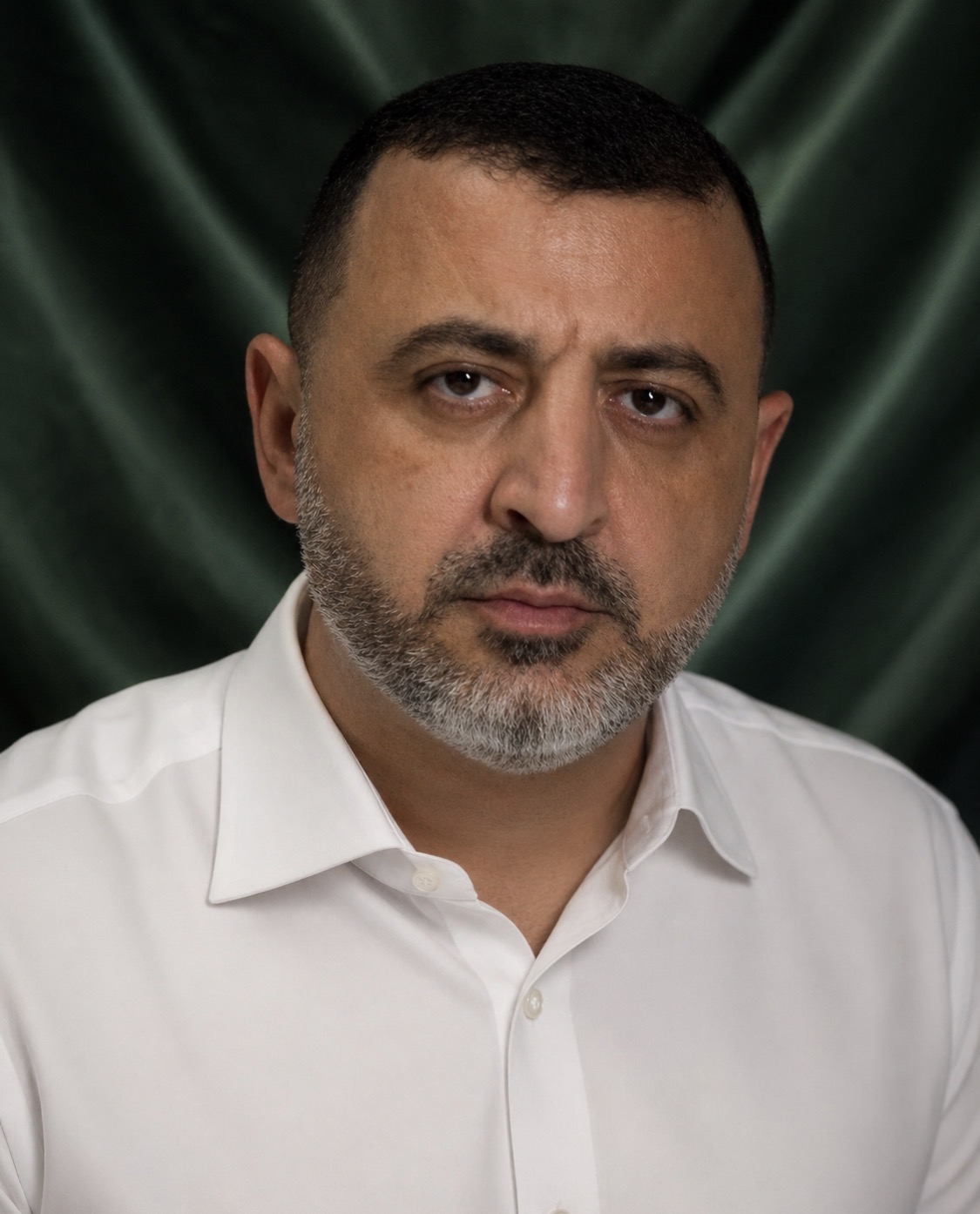
Recovery mentor for motivation, 12-step work, responsibility and relapse prevention
Gambling disorder often survives through private rules: “I can win it back,” “this opportunity is different,” “I will tell the family after I repair the loss,” or “I deserve one chance to solve everything.” Ramiz helps residents identify these rules before they become action.
His work focuses on motivation, honest reporting, 12-step practice, responsibility, asking for help, recognising relapse signals and replacing crisis promises with daily recovery behavior. He is not a physician and does not make clinical decisions.
Residential treatment gives relatives an opportunity to stop improvising and agree on one consistent position before the resident returns.
Choose who communicates with the resident and the clinic so that different relatives do not create conflicting agreements.
Payments, loans, account access and creditor negotiations should not happen privately outside the family plan.
Track behavior, access and treatment participation rather than debating whether the latest promise sounds sincere.
Agree on devices, money, work, meetings, transportation, high-risk contacts and what happens after a warning sign.

Psychiatrist, addiction physician, senior doctor with 40 years of experience
Gambling rehabilitation is the center of this page. Dr. Golin and the MAAVAR CLINIC medical team provide the clinical safety boundary when depression, suicidal thinking, severe insomnia, alcohol or drug use, medication questions or another psychiatric condition may affect participation and risk.
Diagnosis, psychiatric assessment, medication and clinical decisions remain with the medical team. These functions support the residential program; they do not replace the daily rehabilitation work.

The villa is a practice environment, not a permanent shelter. Before discharge, the resident must have a realistic plan for technology, money, work, family communication, support meetings, urges, debt pressure and the first signs of secrecy. The goal is not perfect confidence. It is early action before another bet.
Respond to suicidal action, violence, psychosis, collapse or inability to remain safe.
Ending the acute danger does not change gambling thinking or daily behavior.
Interrupt access and practise structure, honesty, responsibility, 12 steps and family boundaries.
This is where the resident learns how to respond before the next bet.
Apply the same recovery actions around real money, devices, work and relationships.
Use warning signs and support before secrecy becomes action.
This page focuses on residential rehabilitation for gambling disorder. It does not replace individual psychiatric, financial or legal assessment.
Residential treatment creates sustained distance from betting platforms, uncontrolled money access, secrecy and the immediate family rescue cycle. The person practises a structured day, honest reporting, responsibility, urge management, 12-step principles and relapse-prevention actions inside a protected therapeutic environment.
No. Debt size is not the only measure of severity. Repeated loss of control, chasing, lying, borrowing, hiding accounts, gambling despite consequences, family collapse or inability to stop outside a structured setting can all indicate the need for residential rehabilitation.
Access is managed according to the program stage and individual plan. The purpose is to stop secret betting opportunities, reduce impulsive access and teach transparent use of technology before ordinary access is gradually reconsidered.
The specific arrangement is agreed during admission, but unrestricted secret access is incompatible with early recovery. The program works toward transparent financial behavior, protection of essential household needs, documented obligations and a staged return of responsibility rather than crisis-driven bailouts.
No. Twelve-step principles are one part of a broader residential program that includes daily structure, group work, individual reflection, responsibility, practical tasks, family boundaries, recognition of gambling thinking, emotional regulation and relapse-prevention planning.
The exact schedule may vary, but the day is organized around a consistent morning start, meals, recovery groups, practical responsibilities, movement, mentoring, 12-step work, personal assignments and an evening review. The structure replaces gambling-driven time with repeatable recovery behavior.
Debt decisions should not be made under threats, panic or promises of a final rescue. Families should protect essential needs and seek suitable financial or legal advice when necessary. Treatment focuses on ending the rescue cycle and linking financial help to transparency, boundaries and responsibility.
Tell MAAVAR CLINIC immediately. Dr. Moshe Golin and the medical team assess psychiatric and addiction risk and decide whether clinical intervention is needed. Suicidal action, a credible plan, violence, psychosis, collapse or inability to remain safe requires urgent help through 101 or an emergency department.
Ramiz supports motivation, 12-step practice, responsibility, recognition of gambling thinking and relapse prevention. He helps turn crisis promises into daily actions. He is not a physician and does not diagnose, prescribe medication or make clinical decisions.
Dr. Golin and the MAAVAR CLINIC medical team are responsible for psychiatric and addiction assessment, suicide-risk evaluation, diagnosis, medication decisions and clinical safety when indicated. The main residential work remains rehabilitation in the villa.
Before discharge, the resident and family need a continuation plan covering money and device safeguards, daily routine, support meetings, therapy or medical follow-up when indicated, work, family roles, high-risk contacts, warning signs and the response to an urge or lapse.
Send a short WhatsApp message describing the gambling pattern, recent losses, debts, access to money, secrecy, previous treatment, depression or substance use, family situation and any immediate danger. MAAVAR CLINIC will clarify the next step and whether residential admission is appropriate.
Describe the type of gambling, recent losses, debts, access to money and devices, secrecy, previous attempts to stop, family rescue patterns, depression or substance use, and whether anyone is in immediate danger.
Quick reading settings for this page.