Clinical fit
The level of care must match withdrawal risk, mental state, physical health and current medications.
Why Israel for addiction rehabilitation: medical assessment, confidential treatment, multilingual communication, family planning and structured recovery at MAAVAR CLINIC.
Families often ask about Israel after local attempts have repeatedly collapsed inside the same access routes, relationships, pressure and secrecy. A different country can interrupt that pattern, but the destination is useful only when it is connected to clinical assessment, rehabilitation and a realistic plan for returning to ordinary life.
MAAVAR CLINIC in Kiryat Gat provides licensed medical assessment and stabilization when indicated, followed by multilingual rehabilitation focused on motivation, daily structure, responsibility, family boundaries and relapse prevention.
Choosing Israel should be based on clinical suitability, consent, privacy needs, language, family logistics and the ability to continue treatment afterward. A destination cannot compensate for an unclear diagnosis or an unsafe withdrawal state.
The level of care must match withdrawal risk, mental state, physical health and current medications.
Temporary distance can reduce immediate access to familiar triggers and high-risk contacts.
The route must prepare the return home, ongoing medical follow-up and relapse prevention.
Substance use may be reinforced by familiar contacts, routines, conflict, money patterns, locations and easy access. Leaving that environment can create a protected pause in which the person can engage with a different daily structure.
The person is temporarily separated from familiar access points and automatic high-risk routines.
Family arguments, rescue attempts and repeated promises no longer control every treatment decision.
A structured setting makes participation, avoidance, sleep and responsibility easier to assess.
The original environment must be addressed before discharge, not rediscovered without preparation.
Confidentiality can reduce fear of social or professional exposure. It must never be used to hide alcohol, drugs, medications, psychiatric symptoms, violence, self-harm risk or previous medical complications from the treatment team.
The patient and family can discuss the problem without unnecessary public exposure.
Clinical safety depends on a complete account of substances, medication and previous complications.
The treatment plan should specify who receives updates and what consent allows.
Immediate danger takes priority over reputation, travel plans and confidentiality preferences.
The first decision is whether the person is safe to travel and what level of care is required on arrival. Alcohol, benzodiazepines, opioids, sedatives, stimulants and mixed substances create different withdrawal, overdose and psychiatric risks.
A serious route includes more than a flight and admission date. Medical records, medication supply, travel documents, arrival support, consent, family contacts and discharge planning should be clarified before departure.
Recent medical summaries, diagnoses, medication doses, allergies and previous treatment help prevent avoidable gaps.
The family should know who meets the patient, where assessment occurs and what happens if the condition changes.
Follow-up, prescriptions, family boundaries and local support after discharge should be prepared early.
Treatment becomes unsafe when the patient, relatives and clinical team understand different versions of the plan. MAAVAR CLINIC works in English, Russian and Hebrew so assessment, consent, medication instructions, boundaries and discharge planning can be explained clearly.
Relatives interpret complex medical information during a crisis.
The patient and family receive the same structured information in an understood language.
The person agrees without understanding the level of care or expectations.
Goals, limits and responsibilities are explained before treatment decisions.
Different relatives give different instructions and promises.
Communication follows defined clinical and family roles.
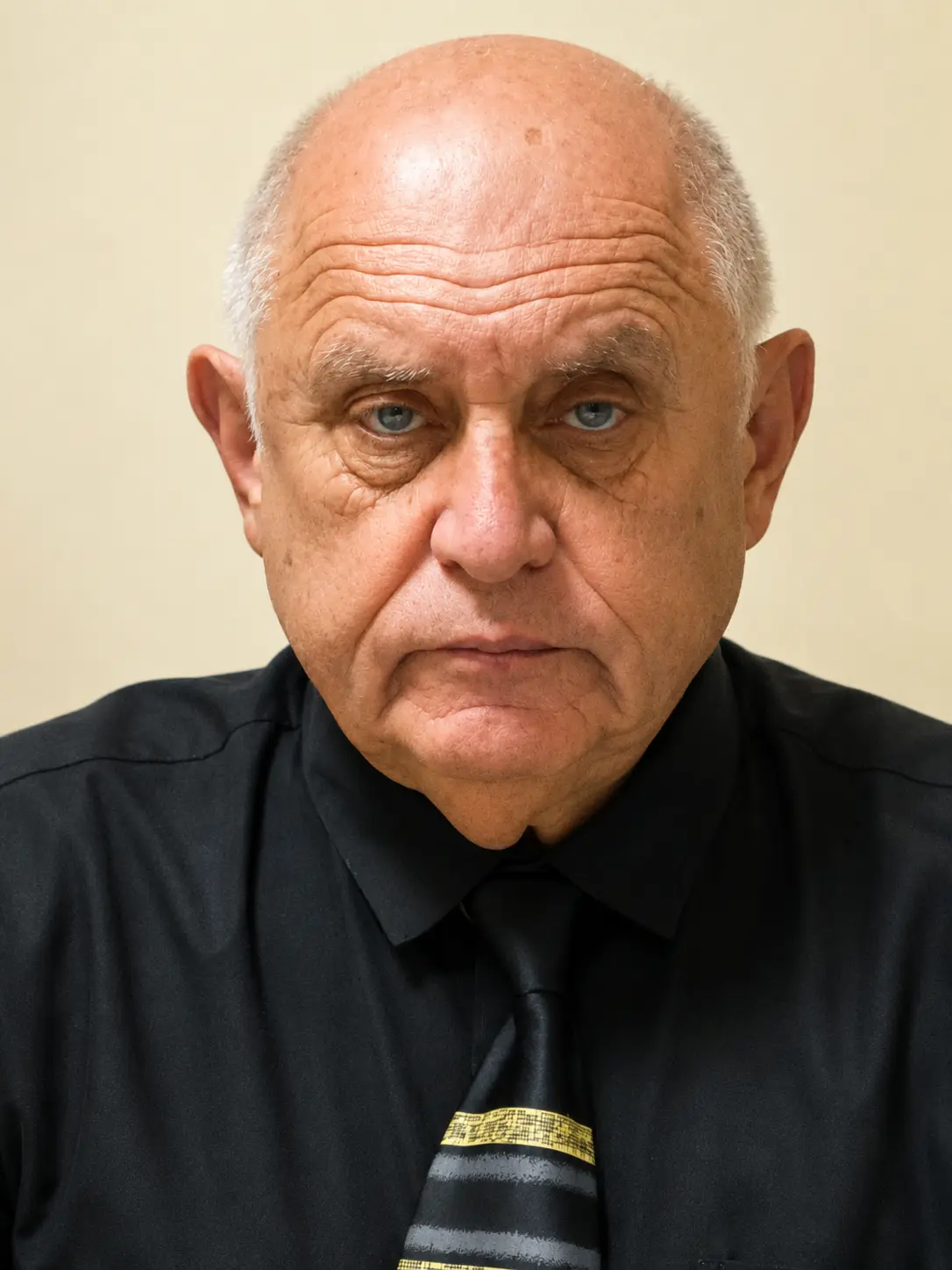
Psychiatrist, addiction physician, senior doctor with 40 years of experience
Dr. Golin evaluates the addiction pattern, withdrawal and overdose history, physical stability, psychiatric state, medication, previous treatment and whether travel or admission is clinically appropriate.
He and the MAAVAR CLINIC medical team are responsible for diagnosis, detox or stabilization decisions, medication management, psychiatric care, addiction medicine and readiness for rehabilitation.
The destination becomes useful only when each stage has a defined purpose and the next stage is prepared before the current one ends.
Provide accurate records, report danger honestly and avoid forcing an unsafe journey.
Follow agreed communication, boundaries and clinical recommendations rather than running parallel plans.
Clarify housing, money, medication, high-risk contacts and continuing care.
Support responsibility without becoming police, rescuers or a replacement treatment team.

The turning point is not arrival in another country. It is the moment medical safety, honest participation, daily structure, responsibility and continuing care begin to operate as one route.
“A new country will make the addiction disappear.”
Choose a setting that matches medical risk, language, consent and rehabilitation needs.
Hide the problem and withhold information to protect reputation.
Protect dignity while disclosing everything required for safe care.
Return home with the same access, conflict and routines.
Return with follow-up, boundaries, medication safety and relapse prevention.
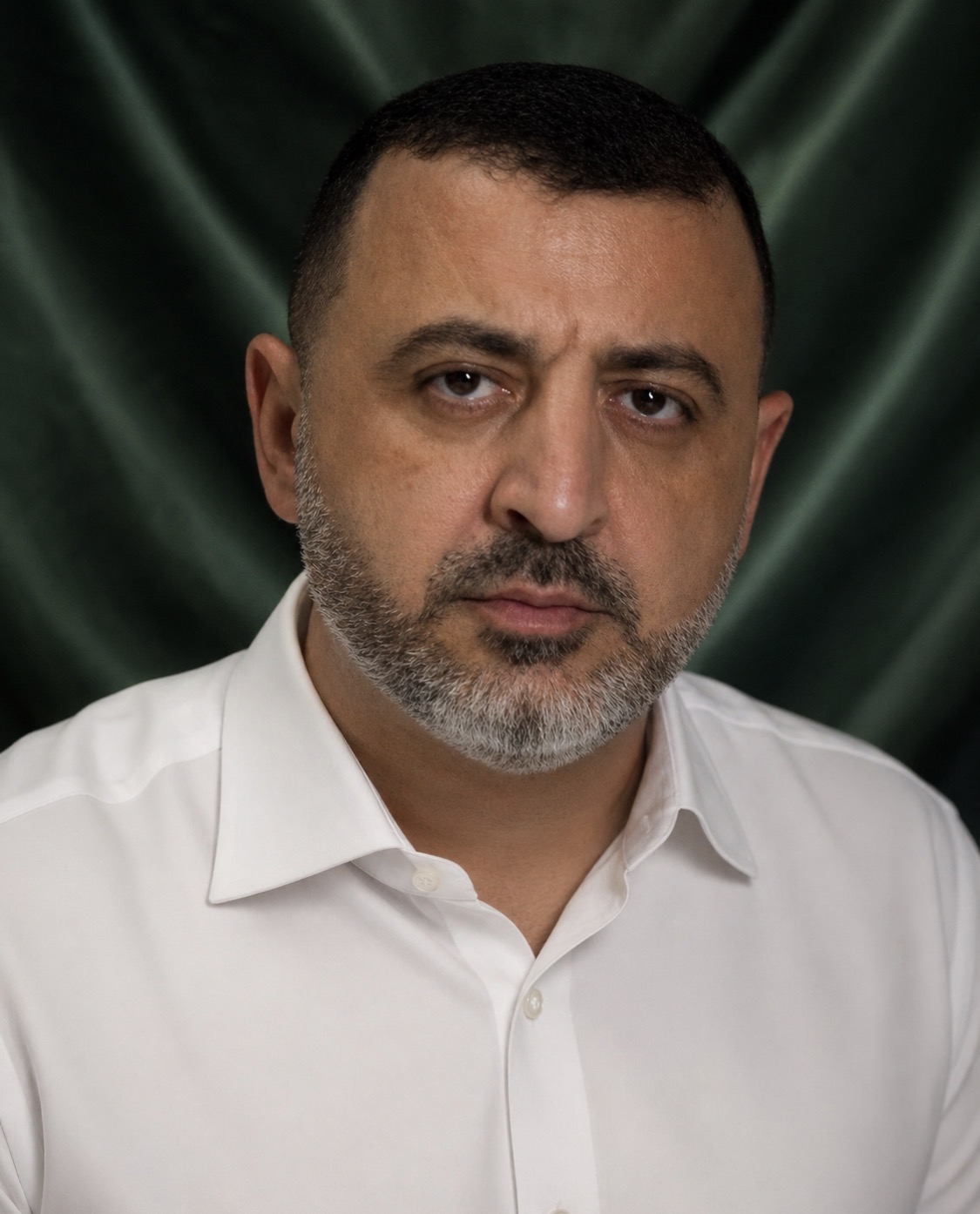
Recovery mentor for motivation, 12-step work, responsibility and relapse prevention
After the medical stage, Ramiz helps the person move from temporary willingness into repeated recovery actions. His work focuses on motivation, 12-step practice, responsibility, thinking change and recognizing relapse patterns.
He is not a physician and does not diagnose, prescribe medication, conduct detox or make clinical decisions. His role is practical rehabilitation within the treatment structure.
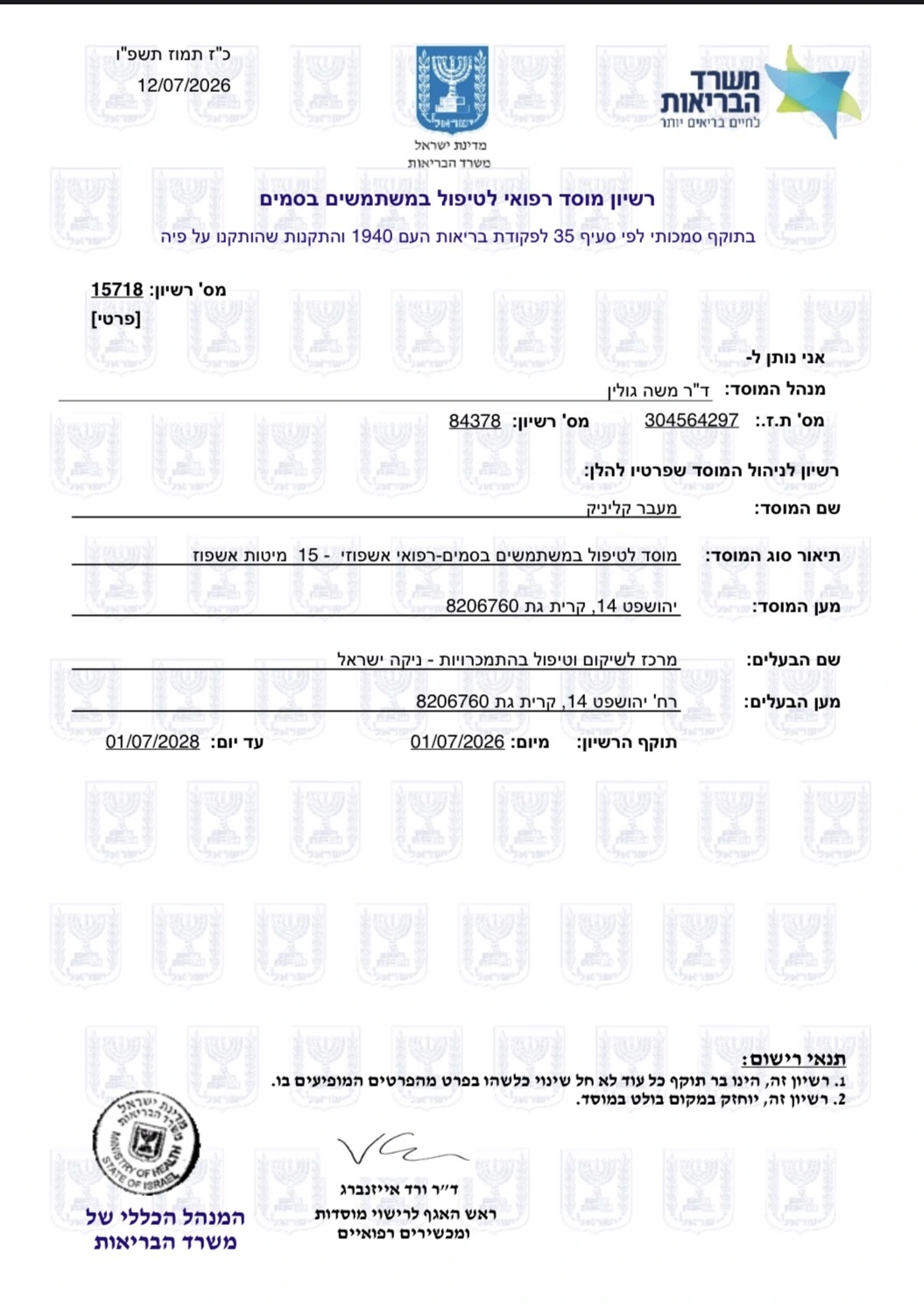
The clinic’s medical role is separate from the non-medical rehabilitation mentor role. The document below can be opened in the page lightbox.
This page provides general information and does not replace individual medical assessment, emergency care, legal or immigration advice.
Families may consider Israel when they need distance from a high-risk environment, confidential treatment, multilingual communication, licensed medical assessment and a structured rehabilitation plan. The country itself is not a treatment; clinical fit and continuity matter.
No. Distance can reduce immediate access to familiar triggers and contacts, but recovery still requires medical assessment when indicated, rehabilitation, responsibility, family boundaries and a continuation plan.
An international route may be relevant when local exposure, repeated access to substances, severe family conflict or privacy concerns repeatedly disrupt treatment, and when the person is medically safe and willing to travel.
Travel should not replace emergency or acute medical care. Seizures, severe confusion, hallucinations, collapse, breathing difficulty, chest pain, suicidal behavior, dangerous intoxication or unstable withdrawal require urgent local medical help.
Yes. MAAVAR CLINIC is a licensed medical clinic in Kiryat Gat. Dr. Moshe Golin and the medical team provide assessment, diagnosis, detox or stabilization when indicated, medication decisions, psychiatric care and addiction medicine.
Privacy is used to protect treatment, dignity and family communication. It does not mean hiding substance use, medication, medical history or safety information from the clinical team.
MAAVAR CLINIC works in English, Russian and Hebrew, helping the patient, relatives and clinical team understand the same treatment plan.
Ramiz supports motivation, 12-step work, responsibility, thinking change and relapse prevention within rehabilitation. He is not a physician and does not diagnose, prescribe medication or make clinical decisions.
Prepare an accurate substance and medication history, recent medical information, emergency contacts, travel documents, previous treatment records and a plan for family communication and continuation after discharge.
Write on WhatsApp, call +972 54-757-8876, or email dhvny8@gmail.com. Immediate danger takes priority; in an emergency in Israel call 101.
Write briefly: substance or behavior pattern, current medication, medical and psychiatric history, last use, withdrawal history, previous treatment, current safety, passport country and preferred language.
MAAVAR CLINIC can clarify whether the person needs emergency care, stabilization before travel, direct admission assessment or a structured rehabilitation route in Kiryat Gat.
Quick reading settings for this page.