Minimum necessary
The first contact should establish urgency, context and a safe reply route without demanding a complete personal history.
MAAVAR CLINIC Privacy Policy: confidential first contact, personal information, WhatsApp, analytics, emergency safety and privacy requests.
When a person or family first asks for help with addiction, a second fear often appears beside the crisis: who will see the message, how much must be disclosed, whether medical details will travel further and whether it is possible to begin carefully.
This page explains the general approach of MAAVAR CLINIC to website use, first messages, personal information, family contact, third-party communication platforms, emergency safety, analytics and requests to clarify, correct or delete information. It is general information, not individual legal advice or an absolute promise of secrecy in every circumstance.
A private approach uses only the information reasonably needed for the next step, keeps the information circle limited and separates urgent medical danger from ordinary organizational contact.
The first contact should establish urgency, context and a safe reply route without demanding a complete personal history.
Information is used for response, risk orientation, medical assessment when indicated and an agreed treatment or rehabilitation route.
Confidentiality cannot justify delaying emergency care, hiding immediate danger or withholding critical information from clinicians.
A useful first message is factual, short and proportionate. It should reduce chaos rather than create a new privacy risk.
A first name or relationship to the person may be enough until identity details become necessary for an agreed step.
State whether there is overdose, breathing difficulty, psychosis, seizures, severe withdrawal, suicidal behavior or dangerous aggression.
Alcohol, drugs, prescribed medication, mixed use, gambling, relapse, panic, family crisis or the period after detox.
WhatsApp, phone or email, preferred language and a time when communication can continue safely.
The first contact does not require a complete personal archive. Unnecessary data creates risk without improving the initial decision.

An agreement does not replace careful communication. Real privacy also depends on sending only necessary information, limiting forwarding, defining who receives updates and keeping emergency and legal duties clear.
The purpose is to understand the request, identify urgency, arrange the right conversation and support a clinically appropriate route when indicated.
Information helps distinguish an ordinary inquiry from a situation that needs emergency services or prompt medical assessment.
When clinical evaluation is indicated, relevant information can be considered by Dr. Moshe Golin and the medical team within their professional responsibility.
The information helps identify a contact person, language, channel, time and scope for the next conversation.
After stabilization, relevant information may support family boundaries, routine, trigger reduction and relapse-prevention planning.
No digital channel is completely risk-free. Choose the channel that fits the purpose and avoid sending more than the current step requires.
Useful for a short first message and quick coordination. Review WhatsApp privacy terms and remember that business communications may be handled through devices or service providers.
Better when the situation is changing quickly or the family needs a brief verbal orientation. A phone call does not replace emergency services.
Useful for a structured privacy request or professional correspondence, but sensitive attachments should be sent only after the need and channel are agreed.
Information is not intended to be expanded automatically to relatives, advisers or outside professionals. Sharing should have a defined purpose.
This policy explains general communication and website practices. It does not replace medical consent, a patient-specific confidentiality notice, emergency care or legal advice.
Assessment, diagnosis, detox, stabilization, medication, psychiatric care and clinical decisions are performed by Dr. Moshe Golin and the MAAVAR CLINIC medical team according to indications.
First contact, scheduling, language, family communication and private logistics should use the minimum information needed for the specific task.
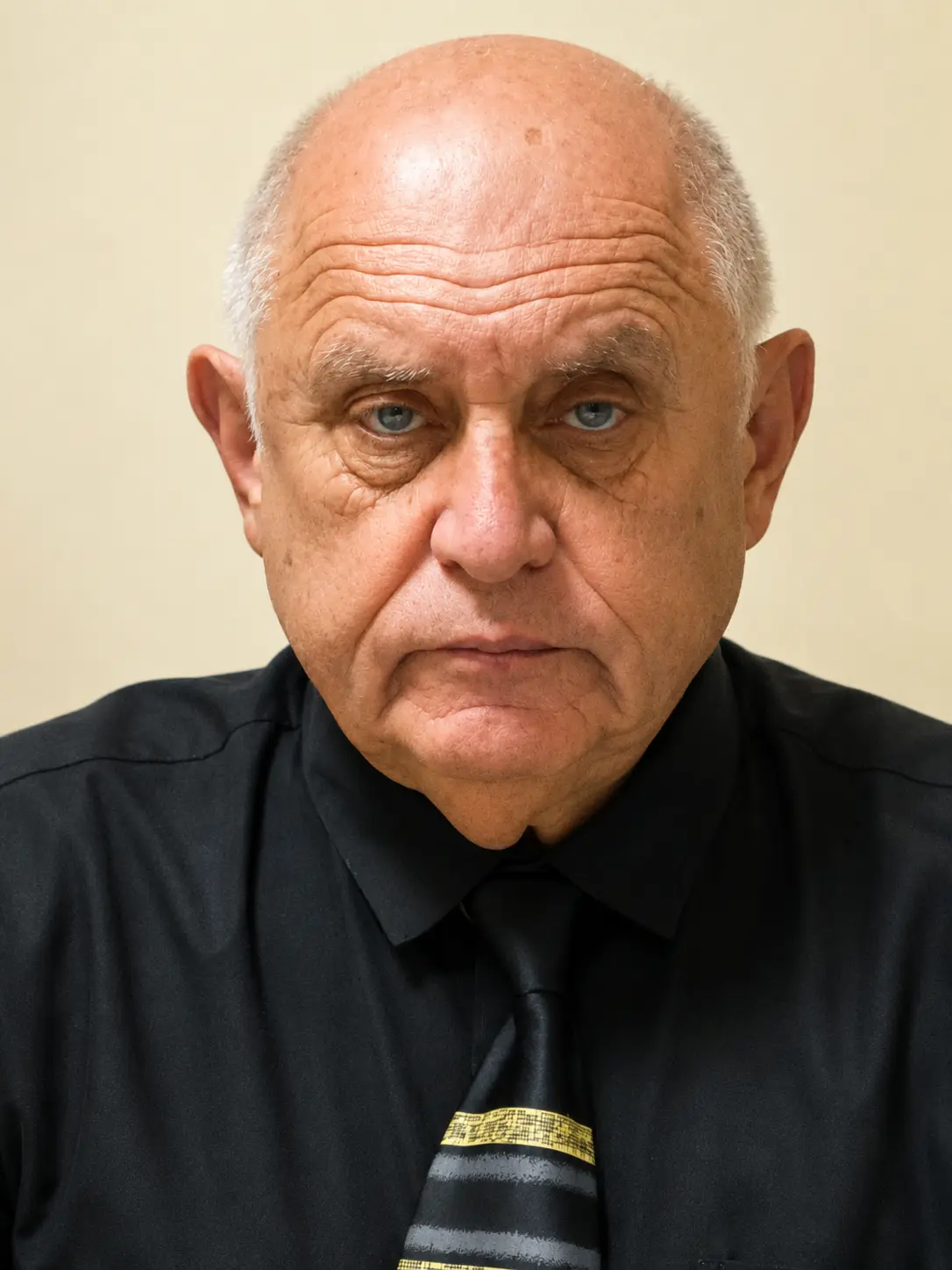
Psychiatrist, addiction physician, senior doctor with 40 years of experience
When a first message describes withdrawal, overdose risk, psychosis, severe depression, medication complications or another clinical concern, the medical question cannot be resolved through family speculation. It requires professional assessment and a clear medical boundary.
Dr. Golin and the MAAVAR CLINIC medical team are responsible for diagnosis, stabilization, detox, medication decisions, psychiatric care and addiction medicine according to clinical indications.

Intake and route coordinator for private communication, family contact and logistics
Andrey helps a family begin without unnecessary disclosure: collect the minimum facts, separate emergency risk from organizational questions, agree on a safe communication channel and avoid expanding the information circle without a reason.
He is not a physician and does not diagnose, prescribe medication, conduct detox or make clinical decisions. Medical information is escalated to Dr. Golin and the medical team when appropriate.
A spouse, parent, sibling or adult child may ask for orientation. That does not automatically replace the person’s autonomy, consent or participation when individual care begins.
Current symptoms, substances, medication, recent use, breathing, consciousness, suicidal risk and previous emergencies.
Do not forward the story to relatives, employees or advisers who do not have a defined role.
A single family contact reduces conflicting messages and uncontrolled circulation of sensitive information.
As the person becomes stable and involved, communication roles and permissions may need to be reviewed.
Send a concise request through the channel that feels safest. Identify what information is involved, approximately when it was sent and what action you are asking for.
The site uses Google Analytics to understand visits, navigation and technical performance. Analytics is separate from the clinical conversation and should not be used to submit personal medical history.
Page visits, general device or browser information, navigation events and technical performance.
Do not type a detailed addiction or medical history into random website fields or send documents before a secure purpose and channel are agreed.
Sending every document and family detail before anyone knows what is needed.
Sharing enough to identify urgency and agree on the next step.
Keeping dangerous symptoms hidden because exposure feels frightening.
Privacy is preserved without delaying emergency or medical care.
Relatives forward messages and receive different versions of the plan.
One contact, clear permissions and information shared by need.
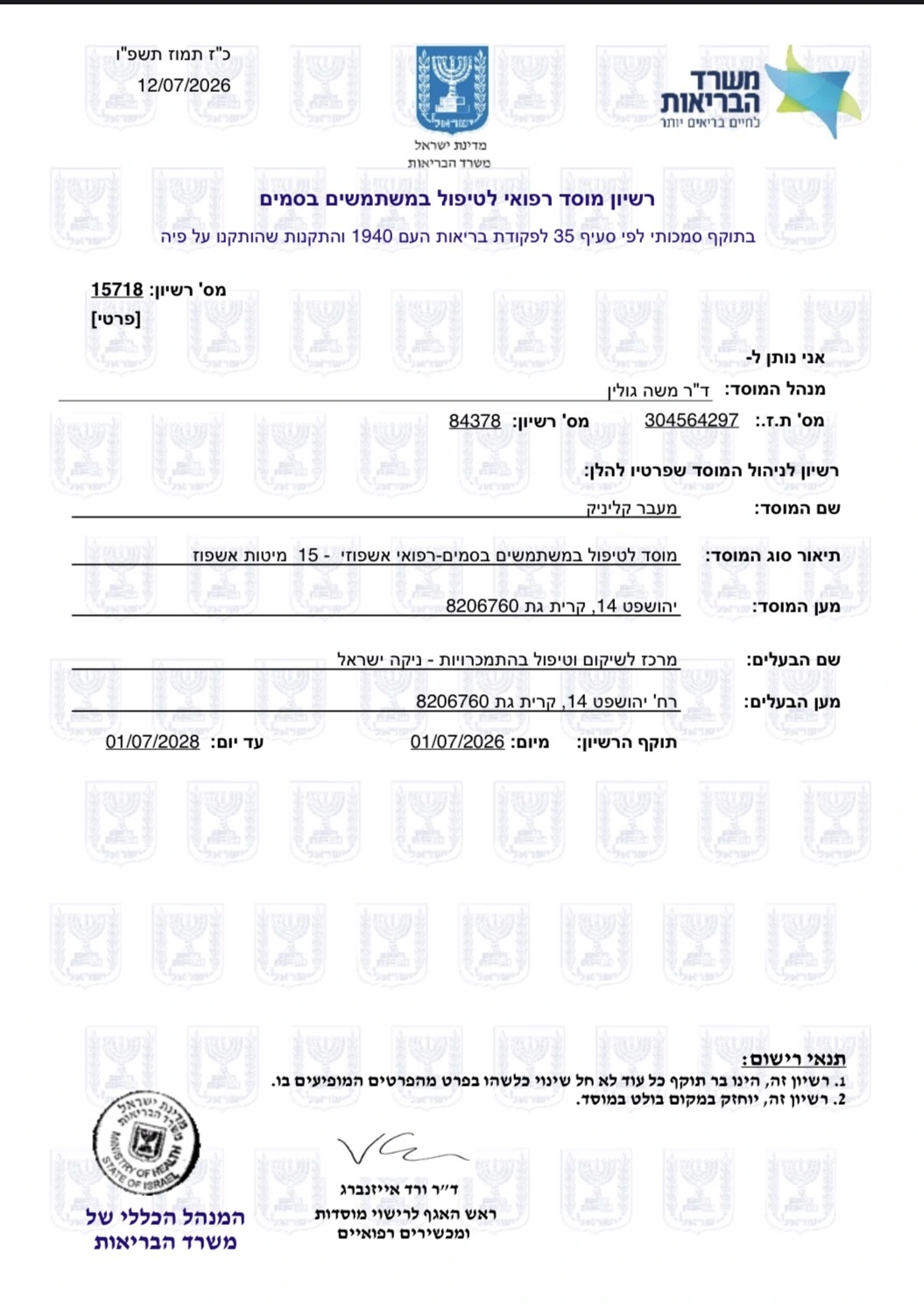
MAAVAR CLINIC is a licensed medical structure for addiction treatment in Israel. Dr. Moshe Golin and the medical team perform assessment, diagnosis, stabilization, detox, medication and psychiatric care according to clinical indications.
The license image may be opened for a larger preview. This Privacy Policy does not replace patient-specific consent, an individual confidentiality agreement or legal advice.
These sources provide general context on privacy regulation, communication platforms, analytics and emergency care. This page is not individual legal advice.
A first message can be brief: what is happening, whether there is immediate danger, the country or city, who is contacting us and the safest way to reply. Full names, identity documents and complete medical archives are not normally needed for initial orientation.
No. You can begin without a surname or documents when that does not prevent urgent risk assessment. Identity details, reports and medical records should be shared only when they are genuinely needed for an agreed next step.
Information is used to understand the request, assess urgency, arrange communication and determine an appropriate medical, family or organizational next step. The approach is to use the minimum information reasonably needed for that purpose.
Avoid sending passport details, bank-card information, full medical archives, unrelated photographs, videos or documents unless they are requested through an agreed channel for a clear purpose.
No. Sensitive information is not intended to be widened automatically to people who are not involved. Sharing may occur when it is needed for an agreed route, medical safety, legal obligations or emergency action.
No digital channel is completely risk-free. WhatsApp is useful for a short first contact, but users should send only necessary information and review the platform privacy terms that apply to their account and region.
The website uses Google Analytics to understand visits, technical performance and navigation. Website analytics should not be used to send a personal addiction history or replace direct medical communication.
Privacy must not delay emergency help for overdose, breathing difficulty, loss of consciousness, seizures, severe confusion, psychosis, dangerous aggression or suicidal behavior. In Israel, call Magen David Adom at 101.
You may request clarification, correction or deletion by WhatsApp, phone or email. A request is considered in light of safety, legal duties, operational needs, record-keeping requirements and what is technically possible.
No. This page explains the general privacy approach to website use and first contact. It is not individual legal advice, a medical record notice or a substitute for a separately agreed confidentiality document when one is appropriate.
Write what happened, whether there is immediate danger, where the person is, who is contacting us and how it is safe to reply. Do not send documents, financial information or a complete medical archive without a clear reason.
For a privacy request, identify the communication and the action you are requesting. For immediate danger, call 101 rather than waiting for a message response.
Quick reading settings for this page.