Medication-specific assessment
The team clarifies the diazepam product, prescribed and actual dose, timing, duration, missed doses, prior reductions and current symptoms.
Diazepam detox in Israel at MAAVAR CLINIC: Valium withdrawal assessment, medical stabilization, supervised taper decisions and rehabilitation in Kiryat Gat.
Diazepam, widely known by the brand name Valium, may create physical dependence even when it began as prescribed treatment. Because the medication and active metabolites remain in the body for a long time, withdrawal can unfold differently from a short-acting benzodiazepine: symptoms may be delayed, fluctuate after a dose change or be mistaken for the return of the original anxiety or insomnia.
The safe question is not how quickly the tablets can disappear. It is what the nervous system, medical history and current risk require—and how stabilization will lead directly into rehabilitation rather than another cycle of fear, dose changes and relapse.
Diazepam detox is not a cleanse and not a fixed number of days. It is a medical and psychiatric process for understanding dependence, reducing withdrawal risk, stabilizing the person and deciding how medication changes should proceed within a complete rehabilitation route.
The team clarifies the diazepam product, prescribed and actual dose, timing, duration, missed doses, prior reductions and current symptoms.
There is no universal taper that is safe for every person. Pace, monitoring and treatment setting follow clinical history and response.
Stabilization is the zero medical stage. Sleep, routine, coping, family boundaries and relapse prevention must continue afterward.
Diazepam has a prolonged elimination phase and active metabolites. That long action can soften rapid changes in blood level, but it can also delay the moment when a reduction is fully felt. Clinical monitoring must follow the person over time rather than relying on the first few hours.
Severe withdrawal, intoxication and mixed depressant use can all become emergencies. Families should not try to decide at home whether a dangerous symptom is “only anxiety.”
A seizure, severe confusion, hallucinations, loss of contact with reality, suicidal behavior or dangerous agitation requires urgent help.
Slowed or difficult breathing, extreme sleepiness, unresponsiveness, collapse or suspected overdose requires emergency care.
Severe dehydration, chest pain, repeated falls, inability to walk safely or a rapidly worsening mental state should not be watched at home.
Alcohol, opioids, sleeping pills and other sedatives can change sedation, breathing, overdose and withdrawal risk.
For a seizure, severe confusion, hallucinations with unsafe behavior, collapse, slowed or difficult breathing, unresponsiveness, chest pain, suspected overdose, suicidal behavior or inability to remain safe in Israel, call Magen David Adom at 101.
The medication name alone is not enough. Dr. Moshe Golin and the medical team build the risk picture from the real dose pattern, the person’s health and everything else affecting the nervous system.
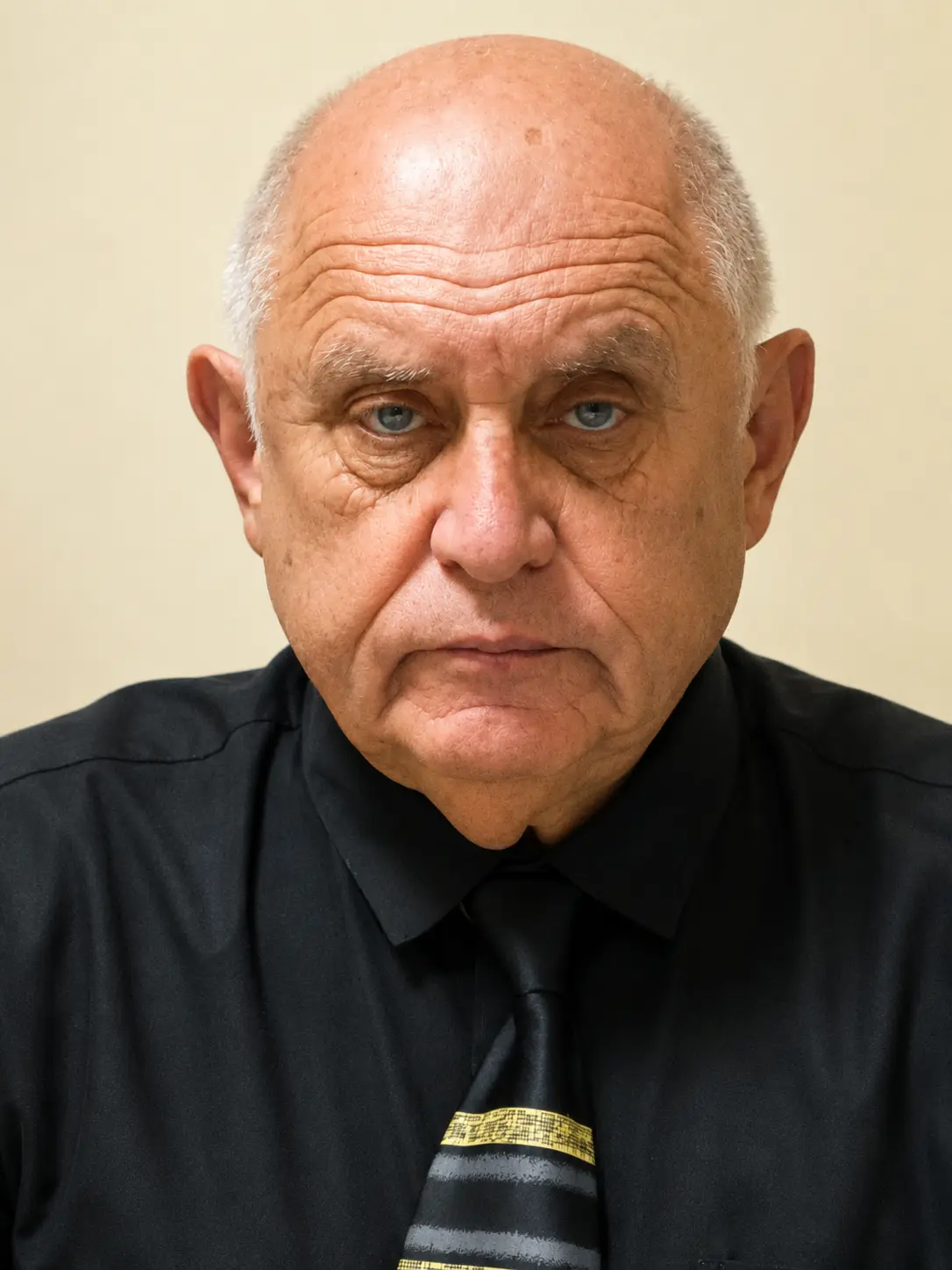
Psychiatrist, addiction physician, senior doctor with 40 years of experience
Dr. Golin assesses the exact diazepam pattern, delayed or fluctuating symptoms, previous withdrawal, seizure risk, sleep, cognition, mood, other medications, alcohol, opioids and physical illness.
He and the MAAVAR CLINIC medical team are responsible for diagnosis, withdrawal management, detox, stabilization, taper and medication decisions, psychiatric care, addiction medicine and transition into rehabilitation according to the Israeli Ministry of Health license and clinical indications.
MAAVAR CLINIC directly provides licensed addiction treatment, medical detox procedures and clinical care in Kiryat Gat. The route separates emergency needs from planned treatment and connects every medical decision to the next rehabilitation stage.
The medical team needs the actual pattern, not only the prescription list. Hidden or forgotten substances can change both immediate safety and withdrawal management.
Alcohol may increase sedation and impaired judgment, and its own withdrawal risk can overlap with benzodiazepine dependence.
Opioids combined with diazepam can worsen sedation and respiratory depression and increase overdose danger.
Sleeping pills, other benzodiazepines, pregabalin and sedating medication can alter the clinical picture.
Unverified medication, changing brands or unclear strengths make the dose history less reliable and assessment more important.
The medication plan can reduce acute risk, but recovery also requires a day that is no longer organized around symptoms, reassurance and the next tablet.
Long action can delay the full effect of a dose change, so early comfort does not prove the plan is safe.
A generic calendar ignores dose history, symptoms, co-occurring illness, mixed substances and individual response.
Withdrawal, recurrence of the original condition, medication effects and medical illness can overlap and require assessment.
Without sleep, routine, coping, family boundaries and relapse prevention, the same dependence cycle can reopen.

Diazepam recovery is not measured by the speed of removal. It is measured by medical stability, honest reporting, protected sleep, a repeatable daily rhythm and the ability to continue treatment without returning to self-directed dose changes.
Each reduction is fixed in advance regardless of symptoms or function.
The plan is monitored and adjusted according to risk and response.
Sleep, plans and relationships revolve around the next dose or fear of symptoms.
Routine, therapy, meals, movement, rest and responsibility organize recovery.
Relatives count tablets, threaten, rescue and carry clinical decisions.
The medical team handles medication; the family supports facts, safety and boundaries.
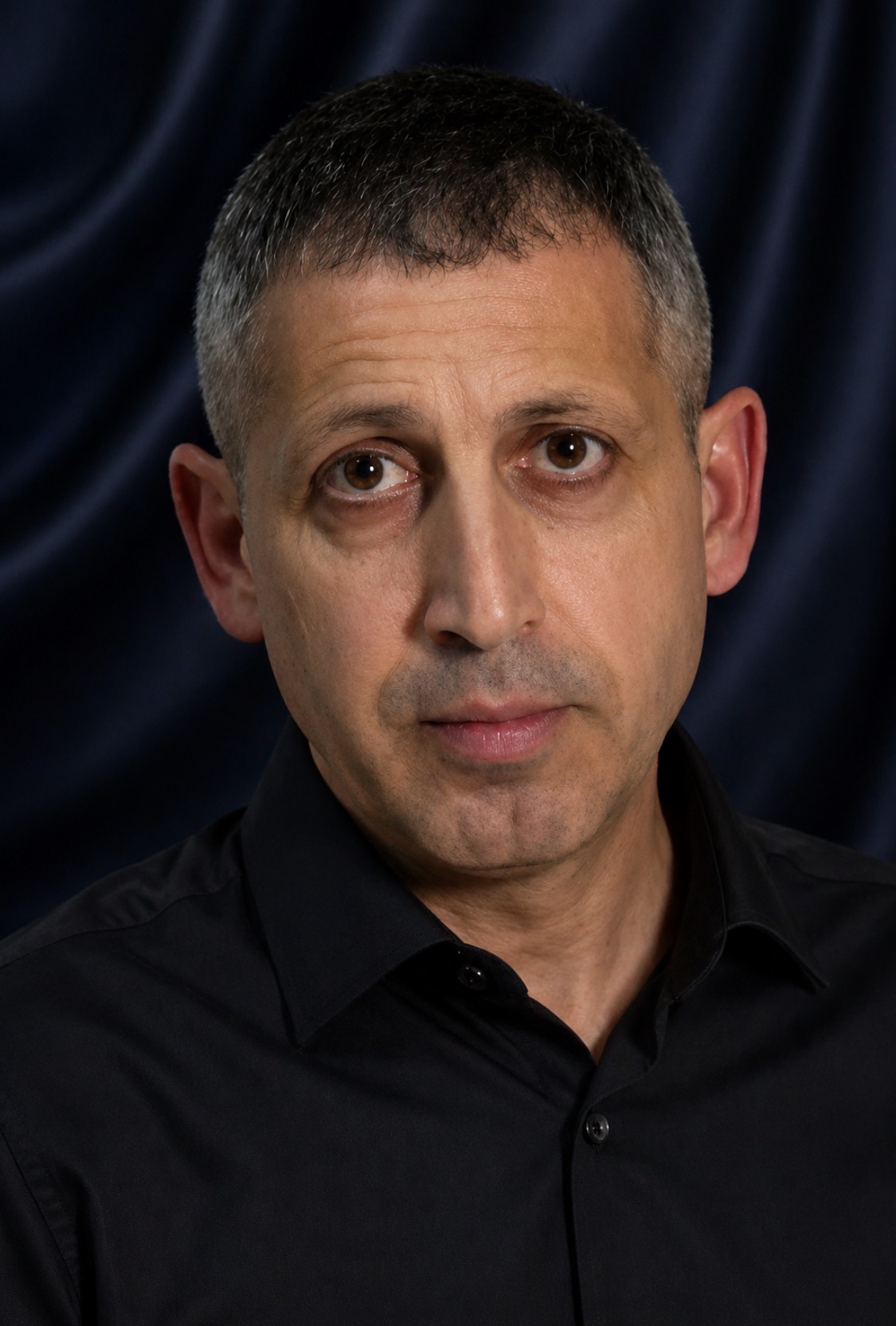
Recovery mentor for sleep, routine, structure and responsibility
After medical stabilization, a person may still wait to feel completely calm before getting up, eating, joining treatment or taking responsibility. Mikhail helps build a repeatable day that can continue even when sleep and confidence are still recovering.
He is not a physician and does not diagnose, prescribe medication, perform detox or make taper or clinical decisions. His role is practical rehabilitation after the acute medical stage.
This page provides general information and does not replace individual medical assessment, emergency care, diagnosis or a personalized taper and treatment plan.
Diazepam detox is a clinician-led process for assessing dependence, withdrawal risk and the safest way to reduce or discontinue diazepam. At MAAVAR CLINIC, medical and psychiatric assessment guides stabilization, medication decisions and the transition into rehabilitation.
Yes. Valium is a brand name for diazepam. The clinical plan is based on the active medication, dose pattern, duration, current symptoms, other substances and the person’s medical and psychiatric condition.
Diazepam is long acting and has active metabolites that remain in the body. Symptoms may therefore emerge later or change over several days. A quiet first day after a reduction does not prove that abrupt stopping or the current plan is safe.
Abrupt discontinuation or rapid dose reduction can cause serious and potentially life-threatening withdrawal reactions, including seizures. A patient-specific taper and level of care should be determined and monitored by qualified clinicians.
Call Magen David Adom at 101 for a seizure, severe confusion, hallucinations with unsafe behavior, collapse, slowed or difficult breathing, unresponsiveness, chest pain, suspected overdose, suicidal behavior or inability to remain safe.
Yes. MAAVAR CLINIC is licensed by the Israeli Ministry of Health to provide addiction treatment, medical detox and clinical care. Dr. Moshe Golin and the medical team perform assessment, diagnosis, stabilization, taper and medication decisions, psychiatric care and addiction medicine according to clinical indications.
Dr. Golin assesses the diazepam dose and timing, duration of use, previous reductions, withdrawal history, seizures, sleep, cognition, mood, physical health, current prescriptions and any alcohol, opioids or other sedatives. The plan and treatment setting follow the combined risk picture.
Tell the medical team exactly what was taken. Alcohol, opioids, sleeping pills and other central nervous system depressants can increase sedation, breathing and overdose risk and can make withdrawal assessment more complex.
Mikhail supports sleep rhythm, daily routine, practical structure and responsibility during rehabilitation. He is not a physician and does not diagnose, prescribe medication, perform detox or make taper or clinical decisions.
Write on WhatsApp, call +972 54 757 8876, or email dhvny8@gmail.com. Include the diazepam dose and schedule, duration, last change, current symptoms, previous withdrawal and all other substances or medications. For an emergency in Israel, call 101.
Write briefly: medication name and product, dose and timing, duration, last change, current symptoms, previous withdrawal, sleep, cognition and any alcohol, opioids, sleeping pills, pregabalin or other sedatives.
At MAAVAR CLINIC, Dr. Moshe Golin and the medical team assess dependence and withdrawal risk, make taper and medication decisions, provide detox and stabilization when indicated and connect the medical stage directly to rehabilitation.
Quick reading settings for this page.